


Why Spending Time Alone in Nature May Be the Connection Your Mind Needs
Loneliness has quietly become one of the defining challenges of modern life. We have more ways to communicate than any generation before us, yet many people still describe a lingering sense of disconnection that no group chat, video call, or busy social calendar seems able to erase. It is easy to assume the answer is simply more interaction, more invitations, or more time surrounded by people. But emotional connection has never been measured by the number of conversations we have in a day. Sometimes it is shaped by something far less obvious: whether we feel connected to ourselves, to the places we inhabit, and to the living world that exists beyond our screens.
A new study published in Health & Place offers a perspective that challenges many of our assumptions about loneliness. Researchers found that people who spent intentional time alone in natural settings often reported feeling less lonely, particularly when they developed a genuine emotional connection with the place they visited. Rather than suggesting we withdraw from others, the findings invite a deeper question. Perhaps healing from loneliness is not always about filling every quiet moment with company. Sometimes the path back to connection begins by rediscovering the silence that allows us to hear the world, and ourselves, a little more clearly.
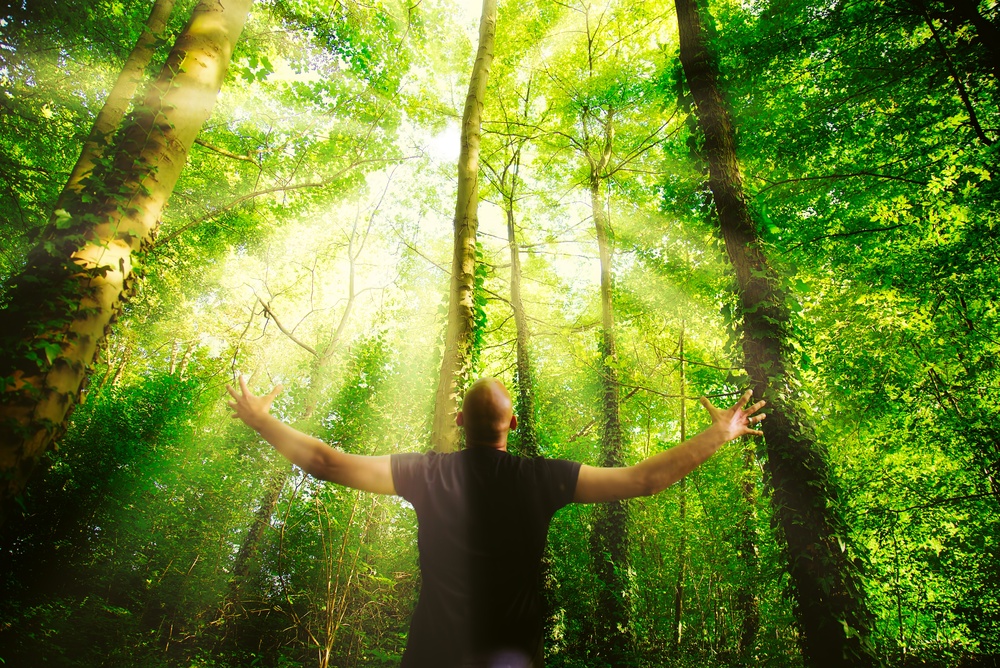
A Study That Challenges the Way We Think About Loneliness
To better understand how nature influences emotional well-being, researchers surveyed more than 2,500 people living around Lake Mjøsa, Norway’s largest lake. Participants shared how frequently they visited the shoreline, whether they walked, paddled, fished, or simply spent time near the water, and whether those experiences were shared with others or enjoyed alone.
What surprised the researchers was that social interaction was not the strongest factor linked with lower loneliness. Instead, the most meaningful relationship appeared between emotional well-being and two quieter experiences: feeling deeply connected to nature and forming an attachment to a familiar place. Those emotional bonds consistently showed stronger associations with reduced loneliness than simply being around other people.
The findings suggest that meaningful connection can exist beyond human relationships. Returning to the same lakeshore, forest trail, or neighborhood park creates familiarity over time. Gradually, those places become more than locations on a map. They become spaces where people feel grounded, welcomed, and emotionally restored.
For a culture that often treats constant social activity as the only remedy for loneliness, the study offers a gentle reminder that belonging can take many forms. Feeling part of the natural world may nurture emotional health in ways that modern lifestyles rarely acknowledge.

Solitude Is Not the Same as Isolation
Many people instinctively associate being alone with loneliness, but psychology draws an important distinction between the two. Isolation is an unwanted absence of meaningful connection. Solitude, on the other hand, is a conscious choice to spend time with yourself, often creating space for reflection, creativity, and emotional renewal.
When solitude is experienced in a peaceful natural environment, that difference becomes even more noticeable. Without the constant flow of conversations, notifications, and daily responsibilities, attention begins to settle on the present moment. The sound of moving water, the rhythm of birdsong, or the movement of leaves in the wind gently replaces the mental noise that often fills everyday life.
The researchers suggest this shift in attention may explain why solo visits to nature showed particularly strong associations with reduced loneliness. Rather than directing energy toward social interaction, participants appeared more likely to notice their surroundings and develop a deeper sense of connection with the environment itself.
This does not mean people should withdraw from family or friends. Healthy relationships remain essential to emotional well-being. The research simply points toward another source of connection, one that exists alongside human relationships and reminds us that we are part of a much larger living world.
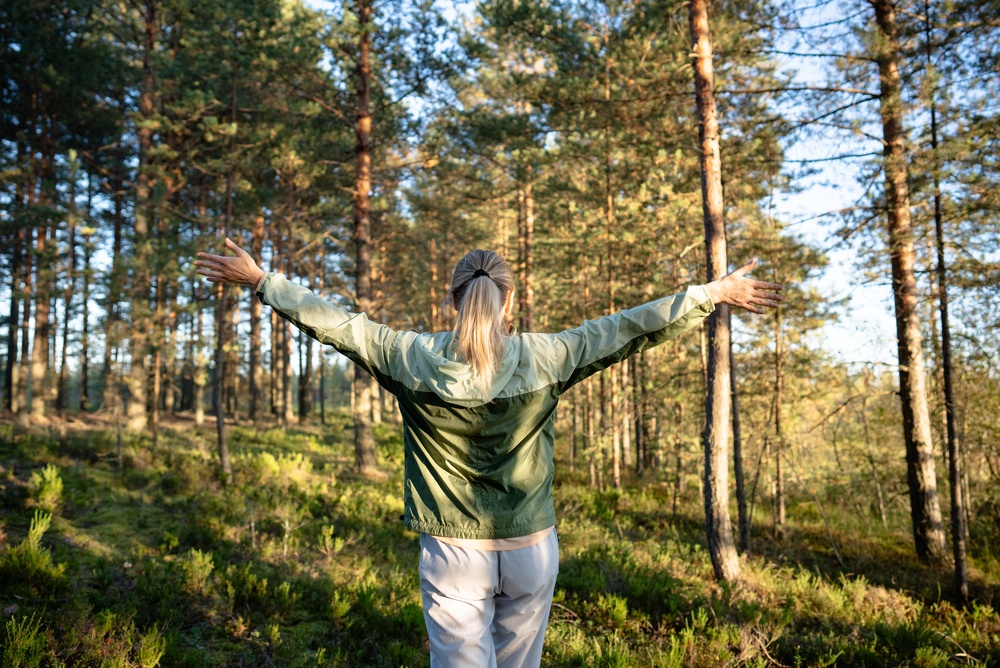
Why Certain Outdoor Moments Leave a Lasting Mark
One of the study’s most interesting findings was that not every outdoor activity produced the same emotional effect. Activities centered on quiet observation, such as walking along the shoreline, sitting by the water, or simply appreciating the landscape, were more strongly associated with feeling connected to nature than activities focused primarily on physical performance.
The researchers believe attention plays an important role. When people exercise, they often concentrate on pace, endurance, or achieving a fitness goal. Those are valuable pursuits, but they can reduce awareness of the environment itself. Slower activities, by comparison, encourage people to notice the subtle details around them, from changing light across the water to the sounds of birds or the movement of trees in the wind.
This doesn’t diminish the importance of exercise. Physical activity remains one of the most effective ways to support both physical and mental health. Instead, the findings suggest there is additional value in occasionally slowing down and allowing nature to become the focus rather than the backdrop.
Perhaps that is why so many people describe certain places as feeling almost sacred. A familiar trail, a quiet lakeshore, or a peaceful park becomes more than a destination. Over time, it evolves into a place where the mind naturally settles and the heart feels a little lighter.

The Difference Between Choosing Solitude and Feeling Alone
The researchers also emphasize an important point that can easily be misunderstood. Solitude should never be confused with social isolation. One is intentional, while the other is often painful.
Choosing to spend an afternoon alone in nature is very different from feeling disconnected from family, friends, or community. Healthy relationships remain one of the strongest predictors of emotional well-being, and no walk through a forest can fully replace meaningful human connection.
The study also has important limitations. Because it was observational, it cannot prove that spending time in nature directly causes loneliness to decrease. It is equally possible that people already seeking peace or emotional balance naturally spend more time outdoors.
Even so, the findings add to a growing body of research showing that natural environments can support emotional resilience, reduce stress, and improve overall well-being. Rather than presenting nature as a cure-all, the study encourages us to see it as one meaningful piece of a much larger picture.
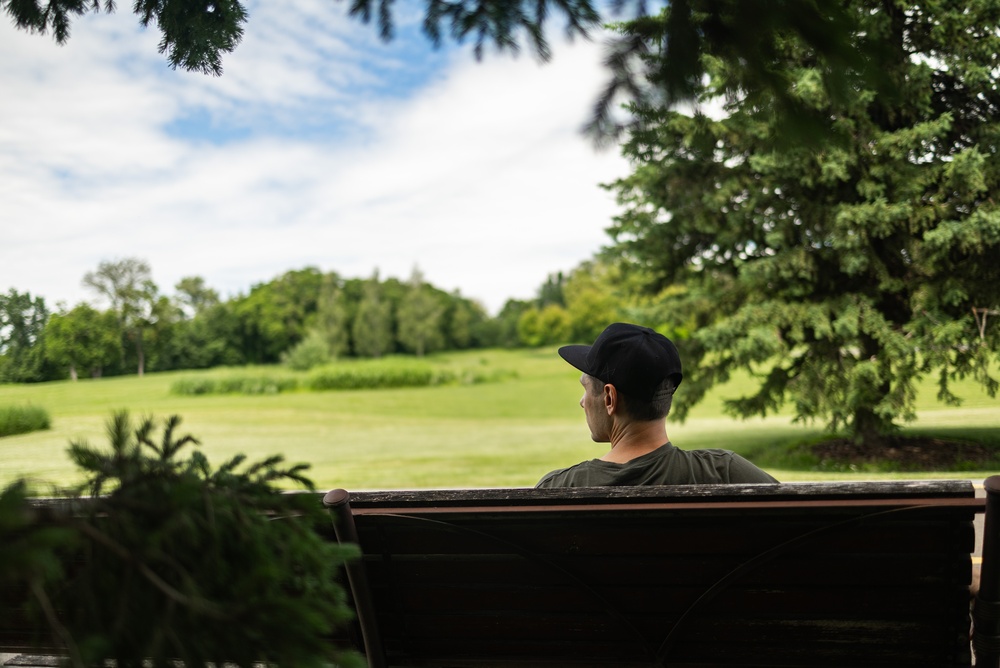
Rebuilding Your Connection With the Natural World
For many people, reconnecting with nature does not require dramatic lifestyle changes. The most meaningful experiences are often the simplest ones, repeated consistently over time.
If you want to explore what intentional solitude outdoors feels like, consider starting with a few gentle practices:
- Return to one familiar place. Visiting the same park, trail, or shoreline regularly can help build the sense of place attachment highlighted in the study.
- Slow your pace. Give yourself permission to walk without worrying about distance, speed, or calories burned.
- Notice with your senses. Listen to birds, watch reflections on the water, feel the breeze, and observe the small changes that often go unnoticed.
- Put your phone away for a while. Even a short period without constant digital stimulation can make it easier to become fully present.
- Reflect before leaving. Spend a few quiet moments noticing how you feel compared with when you first arrived.
These practices are simple, yet they invite something many of us rarely experience in daily life: undivided attention. The more often we offer that attention to the natural world, the more familiar and welcoming those places may become.

Connection Begins Long Before We Speak
The search for belonging often sends us outward. We look for the right conversations, stronger communities, or people who understand us more deeply. Those connections matter, and they always will. Yet this research suggests another truth worth considering: our capacity to connect with others may also grow from the quality of our relationship with ourselves and with the world we inhabit.
Stepping outside alone is not an escape from life. It can be an invitation to experience it more fully. Sometimes the quietest places remind us that we have never been as separate as we imagined. Long before we find the right words to share with someone else, nature has a way of helping us remember that we already belong.