

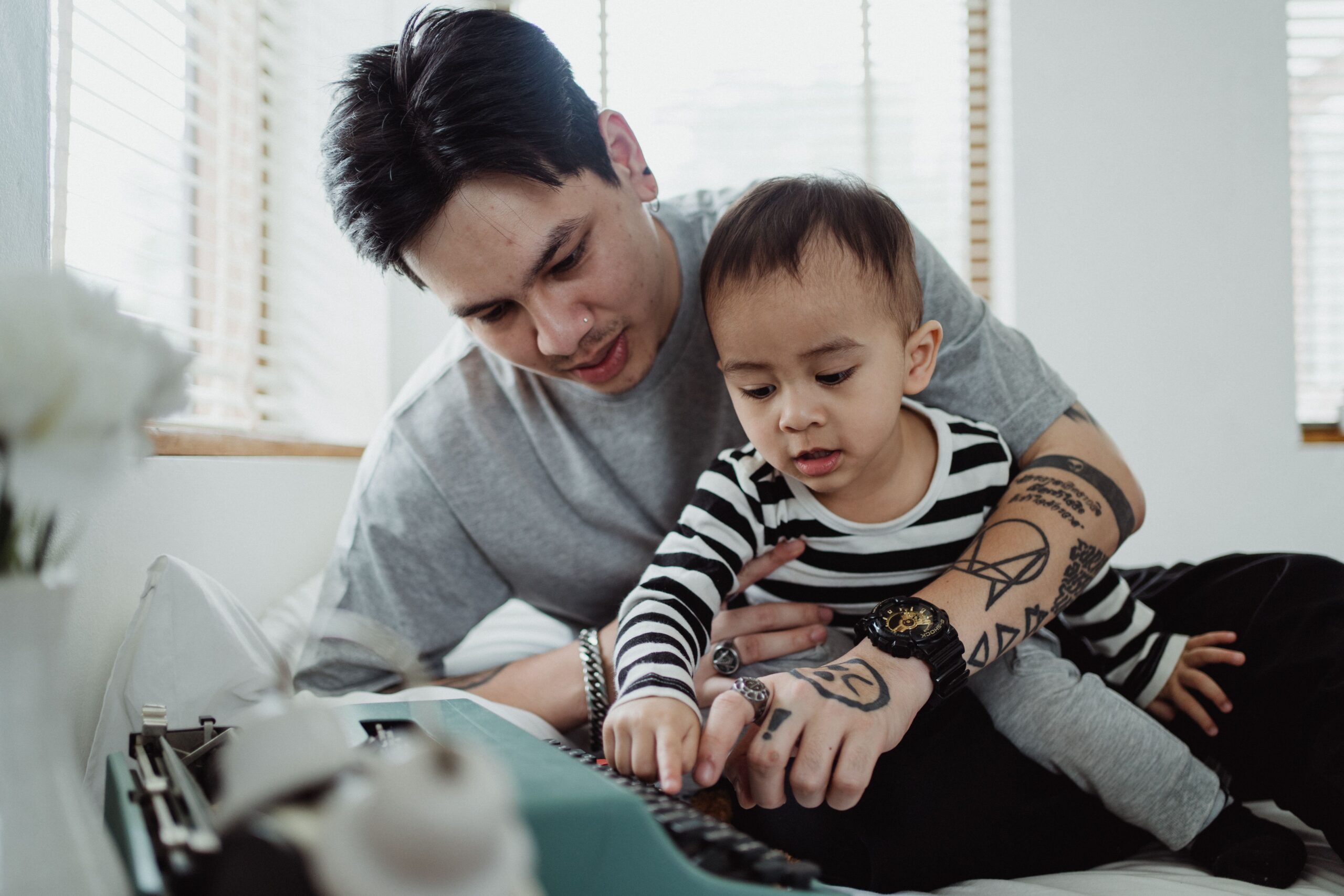
How One Artist Helps Sick Kids Feel Like Themselves Again
For children spending long stretches in hospital, the days can become a cycle of tests, treatments, waiting, and uncertainty. Benjamin Lloyd found a simple way to interrupt that routine by bringing something unexpected into their rooms: temporary airbrush tattoos that let them choose exactly how they wanted to look.
The tattoos disappear within a day or two, but the confidence they create can be much harder to wash away. Lloyd’s work grew from his own experience with a childhood burn and eventually became a tribute to his stepson, turning a personal story into a way of bringing joy to children facing serious illnesses.
Lloyd’s Childhood Helped Shape His Unusual Gift
Lloyd grew up in New Zealand with a grafted burn on his arm, so he understood from an early age how much attention a visible scar could attract. Rather than allowing the scar to become the only thing people noticed, he began drawing over it, using art to change the way he felt about his own appearance.
That early interest eventually developed into a career working with an airbrush. Lloyd spent years creating murals, painting cars, and producing temporary tattoo designs for adults who wanted to see how a sleeve might look before committing to permanent ink.
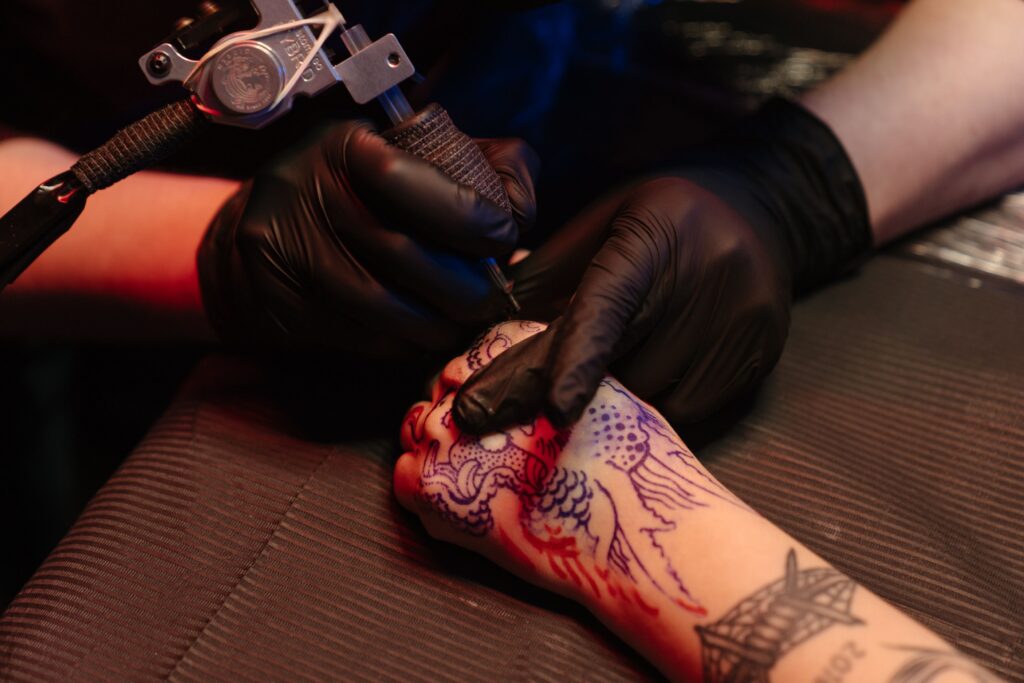
The work gave him plenty of experience with body art, but it was a request from his stepson that showed him another possibility.
After Lloyd airbrushed a tattoo for his stepson, he noticed how dramatically children responded to the designs. “When I was doing children, the reaction was just amazing,” Lloyd said. “After they had it they would walk around, chins up, so confident and so proud.” His stepson later died suddenly, and Lloyd decided to continue the work by bringing that same feeling to children spending time in hospitals.
A Request For 50 Likes Reached Hundreds Of Thousands

In May 2016, Lloyd posted a photograph of an airbrushed sleeve on Facebook and offered to visit Starship Children’s Hospital in Auckland if the post received 50 likes. The tattoos would be temporary, but the response to the idea was anything but small. Lloyd later said he woke up to find that the post had gone viral, with reports recording hundreds of thousands of likes and shares as it continued spreading.
Starship Children’s Hospital eventually contacted Lloyd to arrange a visit, and he began preparing stencils so the children could choose their own designs. What had started as a casual social media challenge was becoming an opportunity to give young patients something they could control during a period when much of their daily lives was determined by medical schedules.
That choice was an important part of the experience. Children in hospital may have little say over when they are examined, what procedures they receive, or how long they must stay in a room, but Lloyd could ask them a much simpler question: what would they like painted on their arm?
One Teenager Got His Tattoo During A Difficult Hospital Stay
One of the children Lloyd visited was 15-year-old Brodie Hunter, who was being treated at Tauranga Hospital. Brodie had a rare genetic disorder that caused substances to build up inside his cells, affecting his organs, bones, and heart, and he was undergoing tests ahead of a bowel and intestine transplant planned in Melbourne.
Lloyd arrived with his airbrush and gave Brodie a temporary tattoo, creating a welcome distraction during a serious period in the teenager’s life. Brodie’s father, Wayne, said his son was “really stoked,” while Brodie himself remembered the fact that the tattoo happened right there in the hospital. “It happened down here,” he said. “That was awesome.”
The moment did not change Brodie’s medical situation, but it changed the atmosphere around him for a while. Instead of another conversation about tests or treatment, there was something fun to look at and show other people, giving a teenager dealing with a rare condition an experience that felt much more ordinary.
The Tattoos Take About Nine Minutes To Create
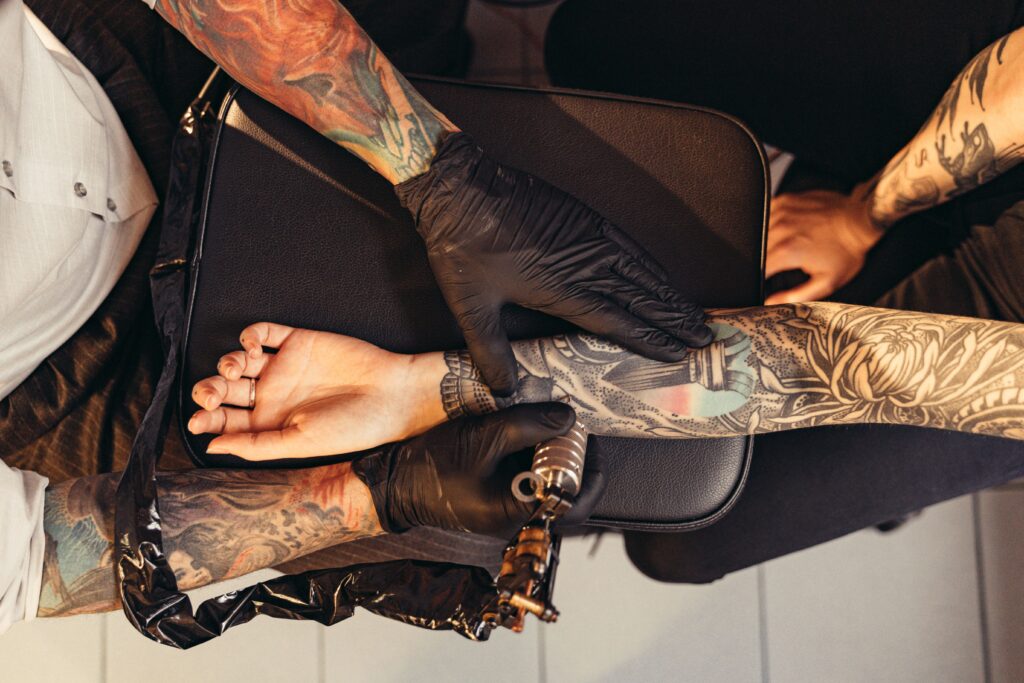
Lloyd’s technique is straightforward, which makes it practical for hospital visits. He uses stencils and non-toxic airbrush ink instead of needles, allowing children to receive elaborate temporary designs without the pain or permanence associated with traditional tattoos. Each tattoo takes about nine minutes to complete.
The children can choose from designs such as roses, skulls, waves, butterflies, and race cars, with some opting for artwork that covers an entire arm. The sensation is also very different from the medical procedures they may be used to, with children describing the airbrush as a tickle of cold air rather than something painful.
Lloyd quickly noticed what happened after the artwork was finished. “It’s just amazing watching their confidence and their ego boost up,” he said. A child who had spent the day being treated for an illness could suddenly spend the next few minutes showing everyone a tattoo they had personally selected.
The Artwork Gave Children Another Way To Be Seen
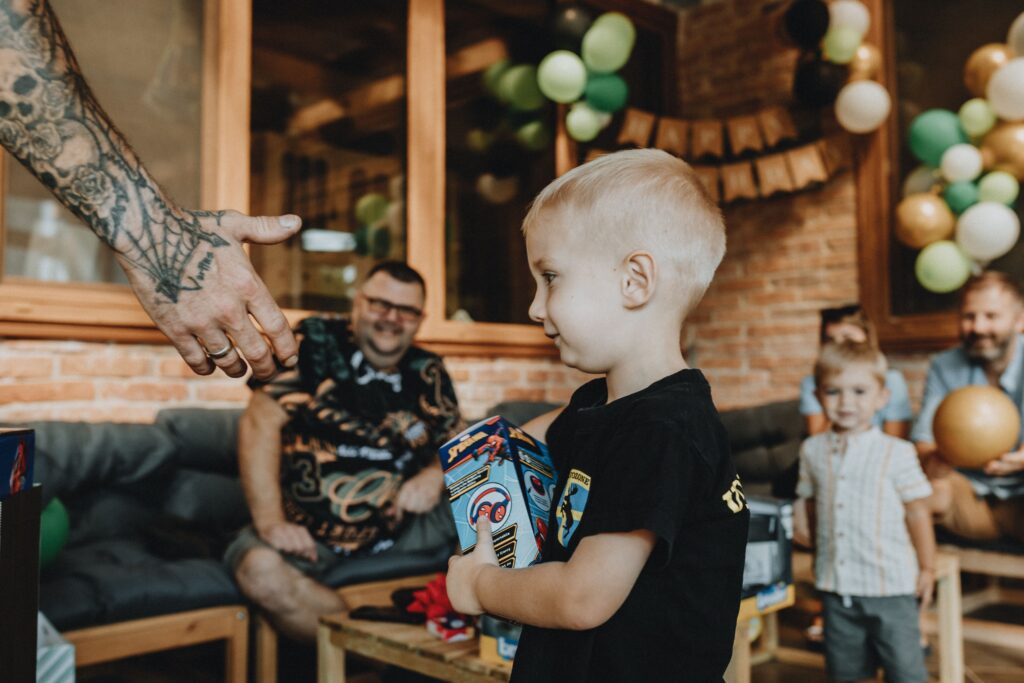
There is something meaningful about giving a child a chance to express themselves when illness has become such a large part of their identity. In hospital, conversations naturally revolve around diagnoses, procedures, symptoms, and recovery, even when everyone involved is trying to provide the best possible care. Lloyd’s tattoos created a small space where none of that had to be the focus.
“They’ve got nothing to do, they’re stuck in their room all day and I would just love to go and put a smile on their faces,” Lloyd said. The tattoos gave children something to talk about that had nothing to do with why they were there, while also allowing them to decide how they wanted to present themselves.
That idea was especially personal for Lloyd because of his childhood experience with a visible burn. He knew what it was like to have people notice something on his body before seeing the person underneath it, and his airbrush offered children a way to replace that unwanted attention with something they had chosen themselves.
Lloyd Did Not Mind That The Tattoos Shocked People
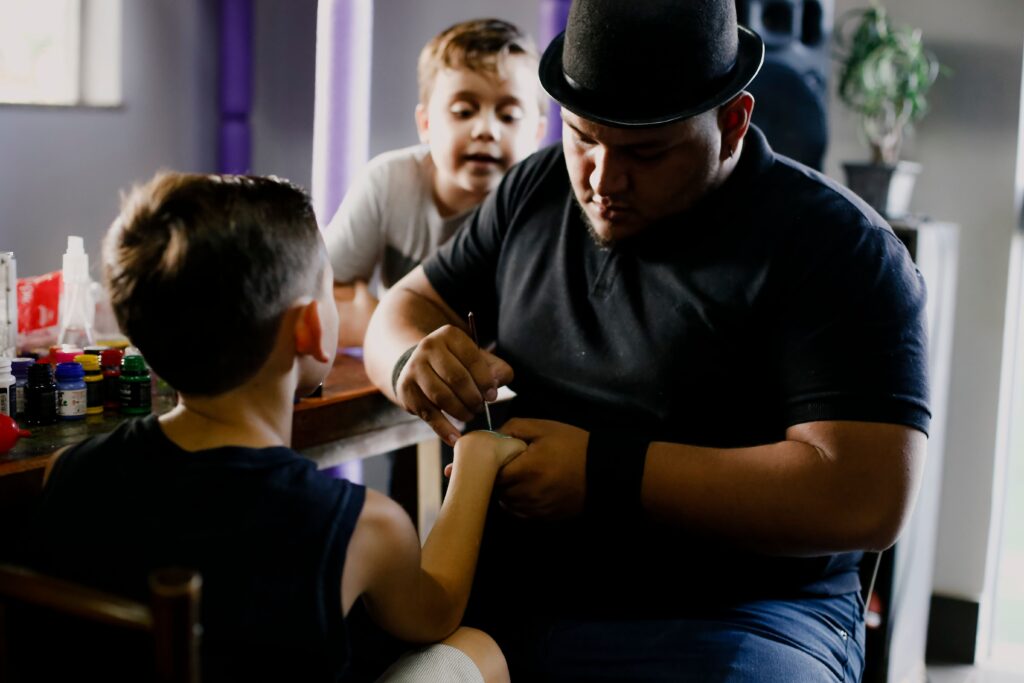
The viral post also attracted criticism from people who questioned whether children should be given tattoos, even temporary ones. Lloyd understood why the designs could surprise people, but the reaction did not discourage him. In fact, he saw the ability to make people look twice as part of what made the experience interesting.
“When they see a tattooed kid it is just such a shock to the system to see that,” Lloyd said. “Well I love this, I love shocking people.” For children who were already being noticed because of their illnesses or hospital stays, the tattoos offered a different reason for someone to stop and look.
The artwork could make a child stand out because of something they liked rather than something they were going through. That distinction may seem small, but it gave the children a little control over how they were perceived.
The Tattoos Vanished, But The Memories Did Not
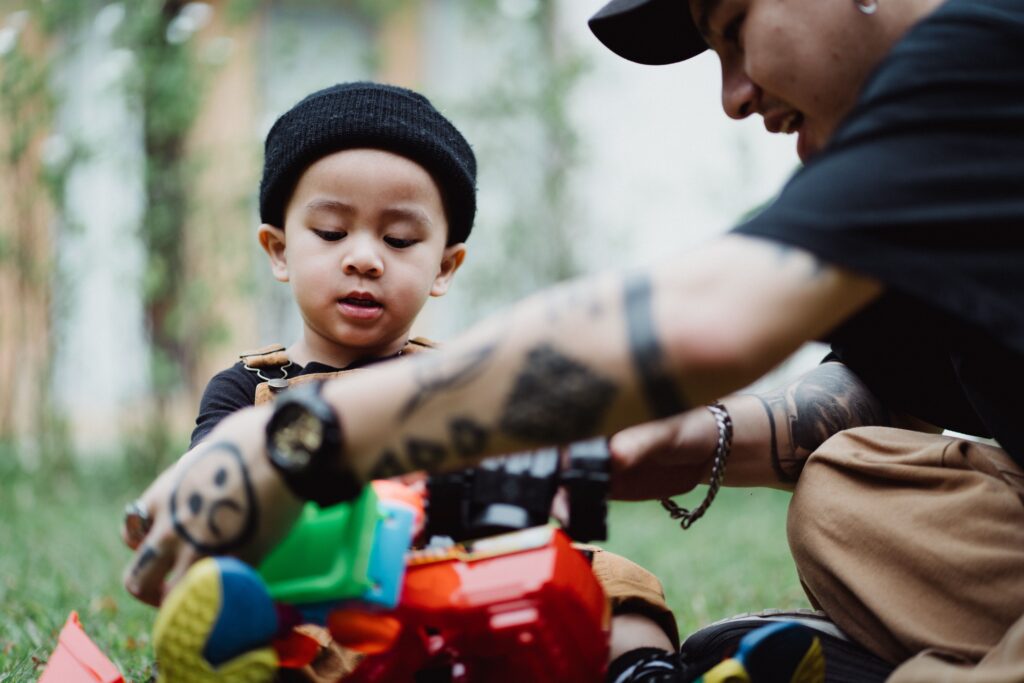
Every tattoo Lloyd created was temporary, disappearing within a day or two. He once joked that the only bad part was that some children did not want to take a shower afterward because they did not want their artwork to disappear, a small detail that captures how much they enjoyed seeing themselves differently.
People who responded to Lloyd’s original post also understood the value of those moments. Angela Piper wrote that her son was receiving cancer treatment at Starship and hoped he could have a tattoo, while Chrystl Haas, who identified herself as a childhood cancer survivor, remembered an airbrush artist visiting her hospital and said she had begged for a tattoo on her head.
Their memories show why something temporary can still become deeply memorable. The tattoo may disappear from the skin, but the experience of choosing it, watching it appear, and proudly showing it to other people can remain long after the ink is gone.
A Personal Tribute Became A Gift For Hundreds Of Children
What began with Lloyd’s own childhood experience and his stepson’s request eventually grew into an ongoing effort across New Zealand. He continued taking his airbrush to medical centers, creating temporary tattoos for children who were spending difficult days receiving treatment.
The artwork was never meant to solve the problems those children faced, and Lloyd did not pretend that a tattoo could change their medical circumstances. His contribution was much simpler. He gave them a few minutes when they could choose something for themselves, enjoy being creative, and feel proud of what they saw in the mirror.
That may explain why the story has remained so memorable years after the original post went viral. The tattoos were designed to disappear, but the reason Lloyd created them was much more lasting: to help children feel like more than their illness, even if only for an afternoon.