

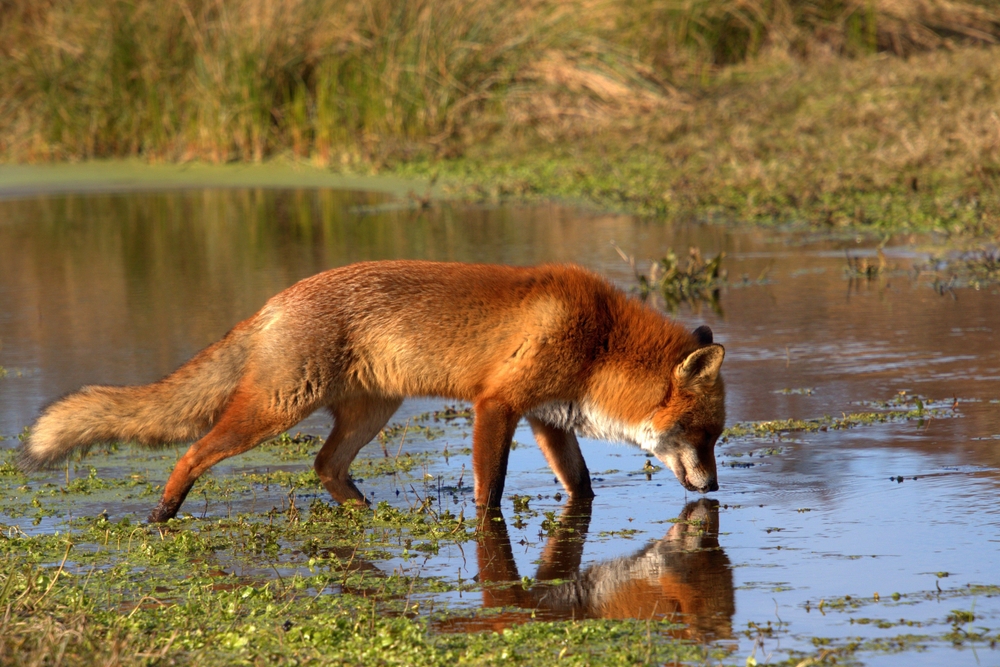
When Floodwaters Took Everything, Two Men Swam Out to Save a Stranded Fox
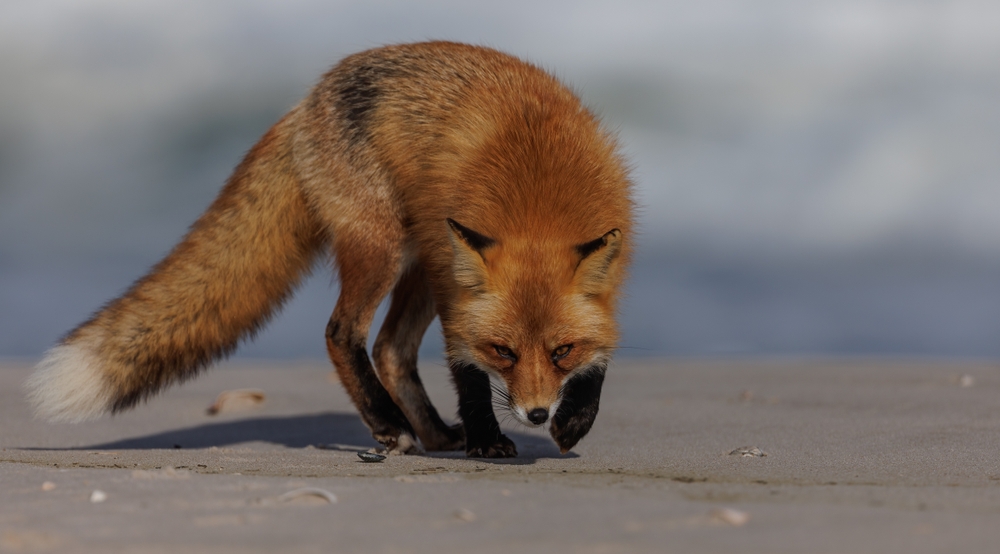
The rain had already taken almost everything Colin Graham could see. Fields he had planted were gone beneath a vast stretch of floodwater. Roads had disappeared, crops were submerged, and the familiar landscape around his farm near Welwyn, Saskatchewan, had been transformed in a matter of days. Then his sister asked a simple question about the foxes that had been living on a pile of rocks near the property since spring. Graham went out to look, perhaps expecting the worst. Instead, he found one small rock still visible above the water, with a young fox sitting on top of it.
There are moments during a disaster when the scale of what has been lost feels impossible to comprehend. A flooded field can represent months of work, money already spent, and plans that can no longer be carried out. Yet Graham and another man, Jordan Olson, found themselves focused on something much smaller: a frightened young animal with nowhere left to go. The decision they made next carried its own danger. The fox was roughly 75 metres away, separated from them by deep floodwater. They could have turned back. Instead, they swam toward it.
A Landscape Swallowed by Water
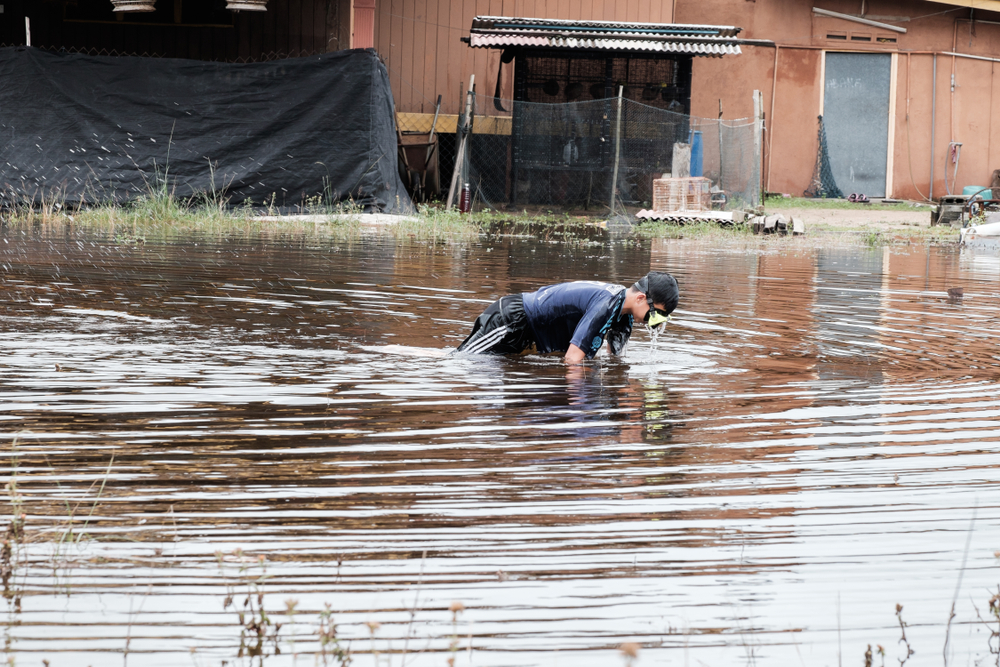
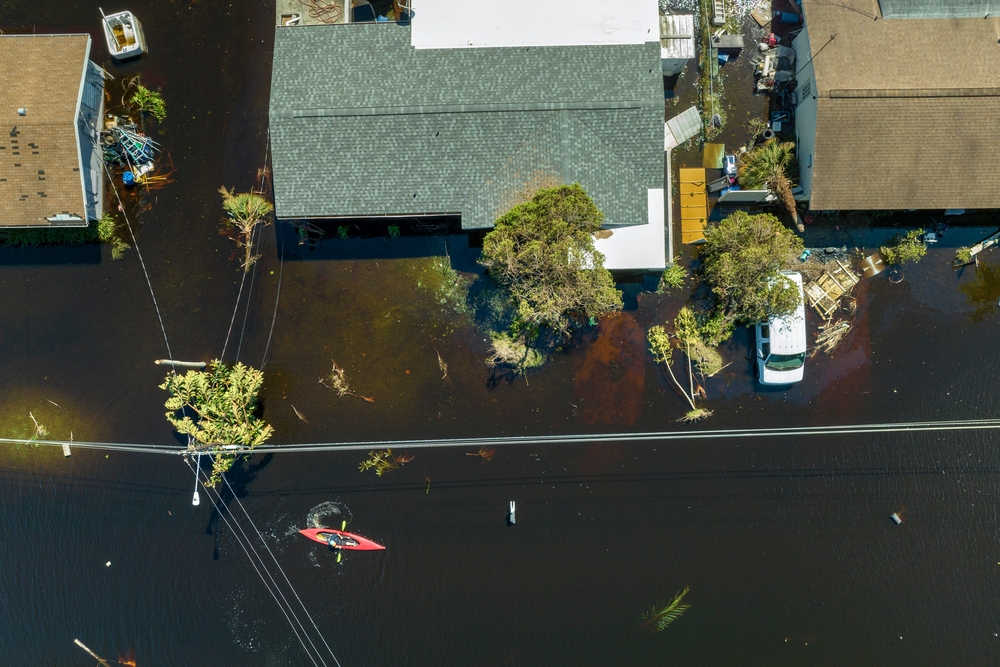
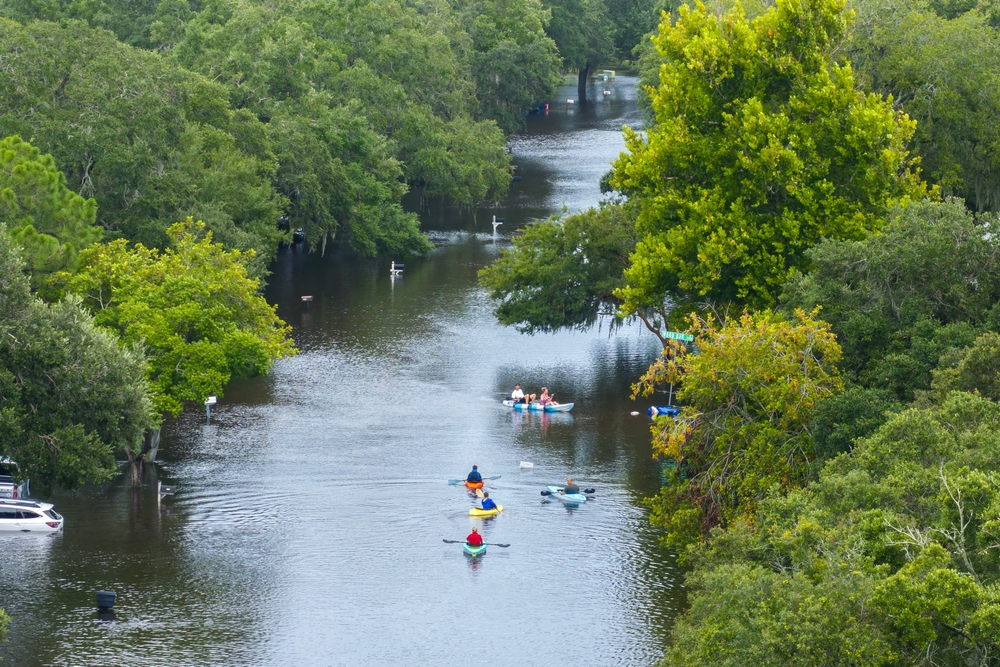
At the end of June 2014, southeastern Saskatchewan experienced severe flooding after receiving up to 200 millimetres of rain between Friday and Monday. Thirty-seven communities declared states of emergency as roads and highways disappeared beneath the water, while residents of the village of Gainsborough were evacuated. The region had already endured an unusually wet spring, leaving some farmers unable to plant crops before the latest rainfall arrived. Redvers recorded 175 millimetres of rain, and reports described major damage to Highway 8 north of Moosomin.
Graham’s farm was caught in the middle of the devastation, and the scale of the loss was painfully visible wherever he looked. “All of our crops here are under a lake pretty much,” Graham said. His words described the physical reality around him, but they also carried the weight of an entire farming season suddenly placed beyond anyone’s control. Fields that had once been carefully worked and planted had become part of an enormous flooded landscape.
A Question About the Foxes Changed Everything
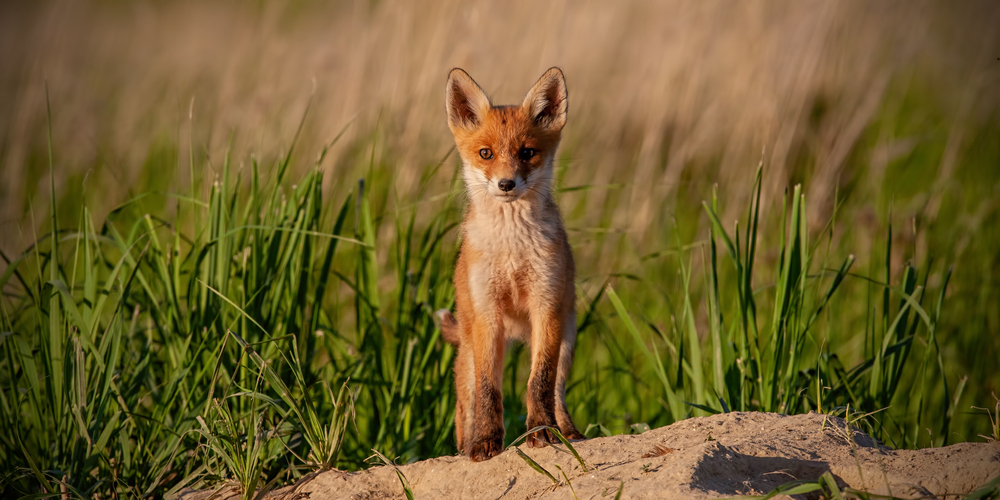
Graham’s family had noticed the foxes living on a rock pile near their home throughout the spring. The animals had become a familiar part of the property, quietly appearing in the landscape without ever becoming pets or depending on the family for food. Then the flood came, changing the land so completely that Graham’s sister began wondering what had happened to them. Graham later recalled, “My sister wondered what happened to the foxes, so we drove out there and there was just one rock sticking out of the top of the water.”
On that remaining patch of dry ground sat a young fox. Its home had been surrounded by water, and the animal appeared to have nowhere else to go. The scene presented Graham and the people with him with a difficult choice. They were already living through a serious natural disaster, and there was no guarantee that reaching the fox would be safe.
What Stood Between Them and the Animal
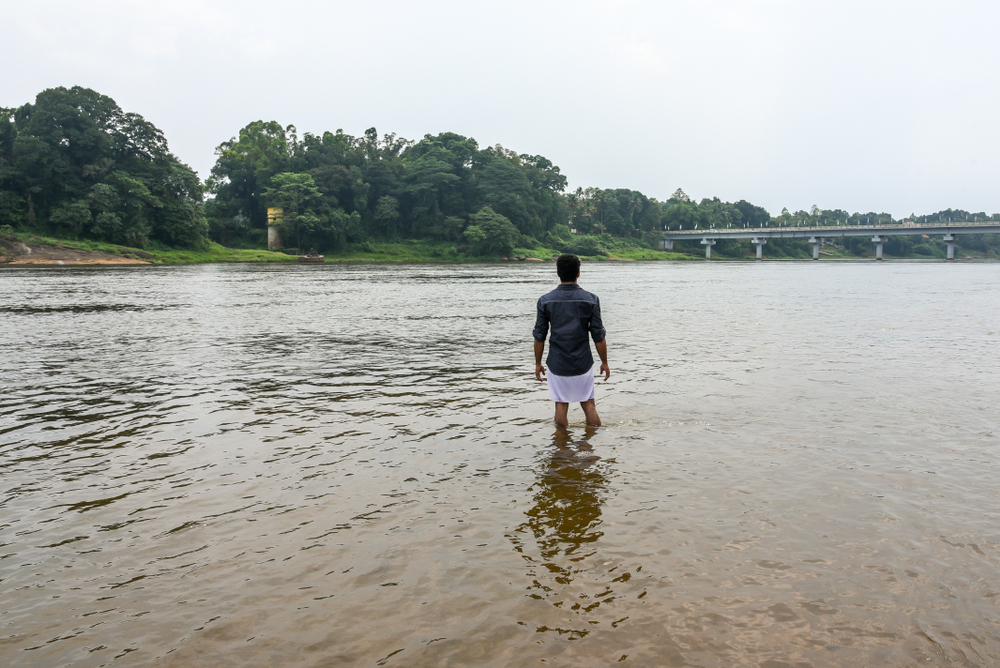
The rock pile was about 75 metres away, and Graham estimated that the water was around eight feet deep. The distance might sound manageable when measured on dry land, but floodwater creates hazards that are difficult to predict. The ground beneath them had been a field only days earlier, and the men could not see what might be moving beneath the surface. Flood safety guidance warns that even relatively shallow moving water can be dangerous to adults. Graham and Olson were considering swimming through water that would be over their heads in order to reach a small wild animal.
Jordan Olson suggested that they go out and get the fox. Graham recalled, “One guy I was with, Jordan Olson, suggested that we should probably just go out there and swim and get it.” The suggestion became action. The two men entered the floodwater and began swimming toward the isolated rock. Their decision was not the kind of dramatic gesture that comes with certainty or a guarantee of success. They were responding to what was directly in front of them, a living creature stranded in circumstances that neither the animal nor the men could control.
The Rescue Did Not Go Smoothly
The fox did not immediately understand that the approaching men were trying to help. After being stranded on a small rock surrounded by floodwater, it reacted as a frightened wild animal might when two people began swimming toward it. “When I first got there, he had a little bit of energy and he bailed off the rock and into the water and tried to swim away,” Graham said. “But I was able to catch up to him.” Graham had to close the distance while the exhausted animal attempted to escape through the water. Once the fox was safely out, the men discovered just how small it was. Graham said it was not much bigger than a kitten.
A Small Problem They Could Actually Solve
The men placed the young fox in the back of Graham’s truck and drove the short distance to his home. There, they dried it off and warmed it up. “We put it in the back of my truck and our house is right close there so we took it home, dried it off, and got it warmed up,” Graham said. The rescue was simple once they had reached dry ground. There was no elaborate operation and no carefully prepared plan. The circumstances around them remained devastating, with floodwater continuing to cover land and destroy the work of an entire season, but the fox presented one immediate problem they could address. They could not stop the rain. They could not recover crops already underwater. They could, however, give one exhausted animal warmth and temporary safety.
The photographs of the rescue were taken by Derek Roeher, who was present with a camera as the men swam through the flooded field. Images of two men crossing deep water to reach a stranded fox soon travelled widely. Some observers praised the decision as an act of compassion during a difficult time. Others questioned whether anyone should risk human lives in dangerous floodwater to rescue a wild animal. That disagreement reflected the genuine danger involved. Floodwater is unpredictable, and people are often urged to avoid entering it whenever possible. Accounts from the time also differed on whether one or two foxes had been found near the submerged rocks.
Graham’s own account focused on the young fox he brought home, while other reporting described two foxes. The exact number was never clearly reconciled, but the central event remained the same: Graham and Olson entered dangerous water to reach an animal that had been left stranded by the flood.
The Search for the Fox’s Mother
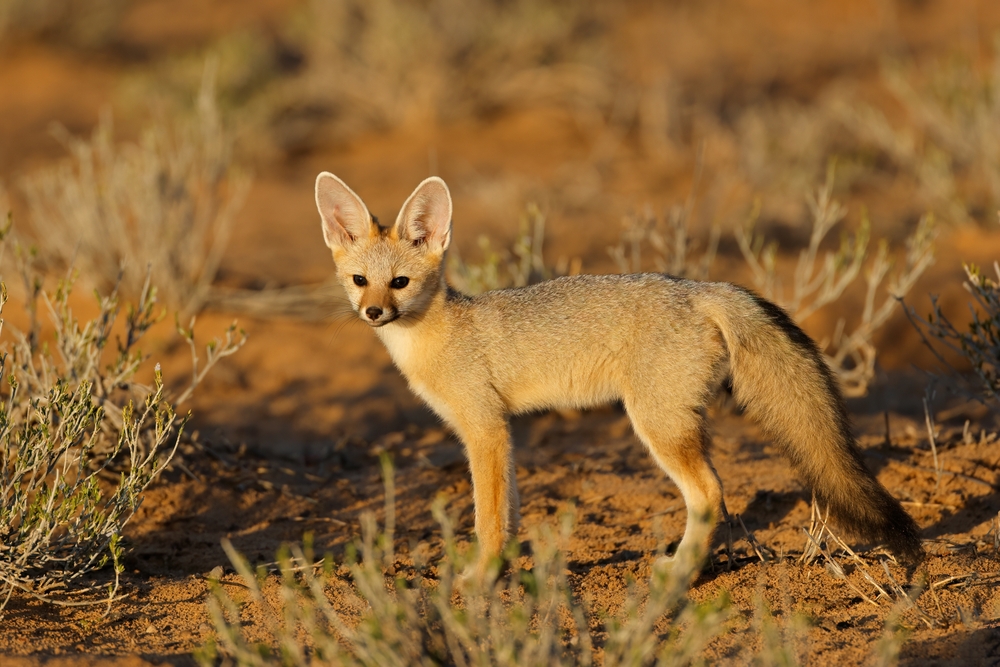
The young fox was never intended to remain with Graham’s family. Later, while Graham and Olson were driving through the flooded area and continuing to assess what had happened to the property, they saw something that changed the ending of the rescue. The fox’s mother was alive. Graham remembered seeing her in what remained of the field, and the men brought the young fox back. “Then we were driving later and we saw the mother out there so we took him back,” Graham said. The reunion gave the rescue a conclusion that Graham and Olson could not have known was possible when they first saw the animal stranded on the rock.
The experience ended with Graham seeing the foxes together again. “They’re reunited,” he said with a laugh. “I saw them running around the other day.” Around them, the larger disaster continued to leave communities dealing with evacuations, damaged roads, and flooded homes and farms. The men could not reverse any of that. Yet the reunion of the fox and its mother offered a brief moment of repair within a landscape where so much had been damaged.
Why Small Acts Can Carry Such Meaning
Natural disasters force people to confront how much lies outside their control. For Graham, the flood had already consumed the crops he and other farmers depended on. The familiar shape of his land had disappeared beneath water, and the consequences of the storm extended far beyond one farm. It would have been understandable to focus entirely on the damage in front of him. Yet a question from his sister drew his attention toward a family of wild foxes that had quietly shared the same landscape.
Their decision to help also raises an uncomfortable truth about compassion: it does not always arrive when circumstances are convenient. Graham and Olson faced real risks, and the debate over whether they should have entered the water was rooted in legitimate concerns about flood safety. Their choice should not be treated as an instruction for others to enter dangerous water during an emergency. But the impulse behind their action came from something recognizably human: they saw a vulnerable creature in distress and found it difficult to simply leave it there.
There is also something quietly powerful about the scale of the rescue. The men were surrounded by a disaster too large for any individual to solve. Their flooded fields represented losses they could not immediately repair. The storm had already made decisions for them, changing their land and disrupting entire communities. Saving the fox was different because it was one thing they could act upon.
The Compassion Found in an Ordinary Choice
The rescue did not erase the destruction caused by the Saskatchewan floods. It did not restore Graham’s crops or dry the roads that had disappeared beneath the water. It did not solve the larger crisis facing communities across the region. Its meaning came from its smallness. Amid a disaster measured in flooded highways, emergency declarations, and submerged farmland, two men noticed a frightened animal sitting on the last visible rock.
Sometimes the only meaningful action available is the one directly in front of us. Graham and Olson could not save the field beneath the water, but they could bring one exhausted fox to safety and, later, return it to its mother. In a week when so much had been torn apart, that was one life they were able to help put back where it belonged.