

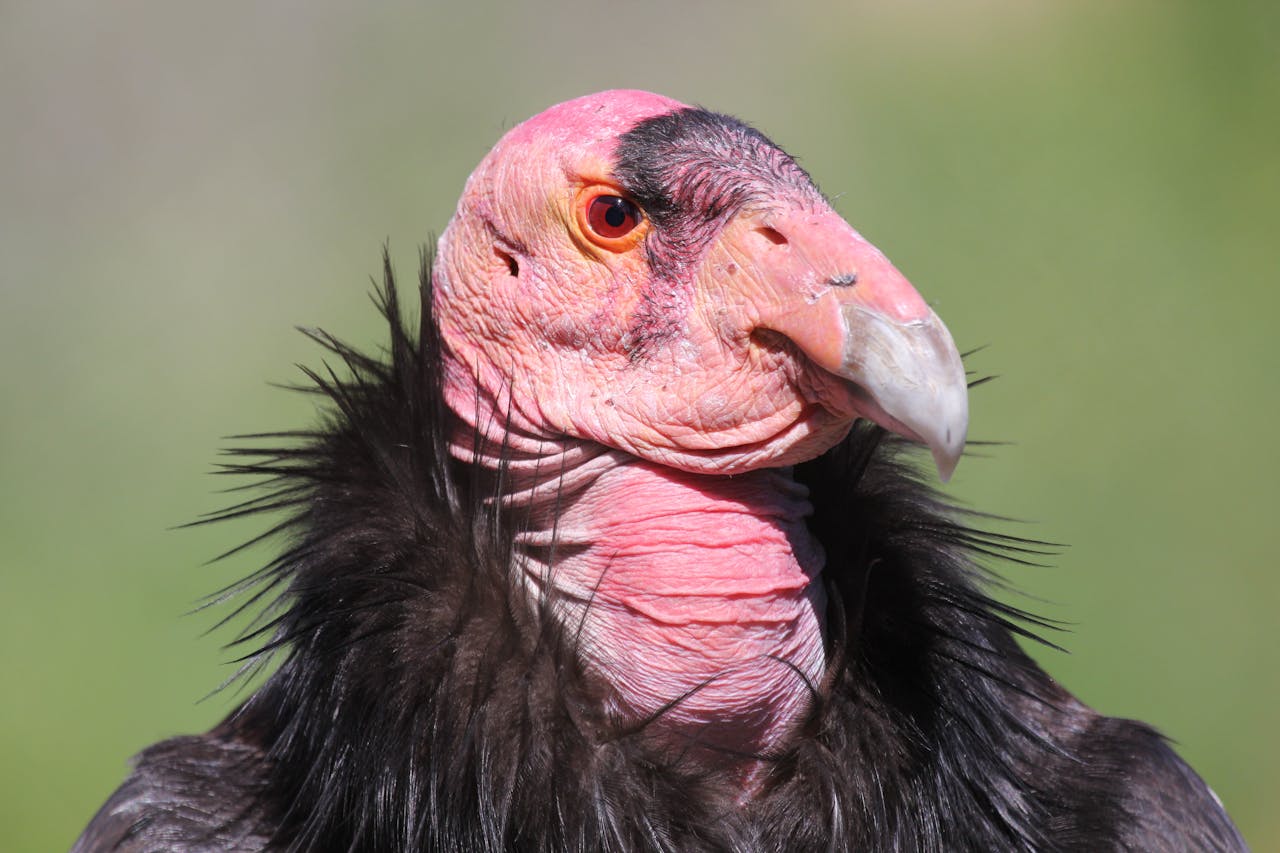
A Rare Glimpse of Hope as Condors Attempt Wild Nesting After a Century
The idea almost sounds like something out of a nature documentary script. A massive bird once pushed to the brink of extinction, returning quietly to the wild and possibly laying an egg where none had been seen for more than a century. Yet this is not fiction. It is a real moment unfolding in Northern California, where conservationists and local communities are holding their breath.
For decades, the California condor has symbolized both environmental loss and human determination. Once nearly wiped out entirely, the species has slowly clawed its way back through one of the most ambitious conservation programs in history. Now, a possible wild egg has introduced a powerful mix of hope, uncertainty, and reflection.
While early reports suggested the egg might not have survived, the significance of its existence remains profound. It represents not just a biological milestone, but a reminder of what persistence, science, and cultural respect can achieve when they come together.
A Species That Almost Disappeared Forever
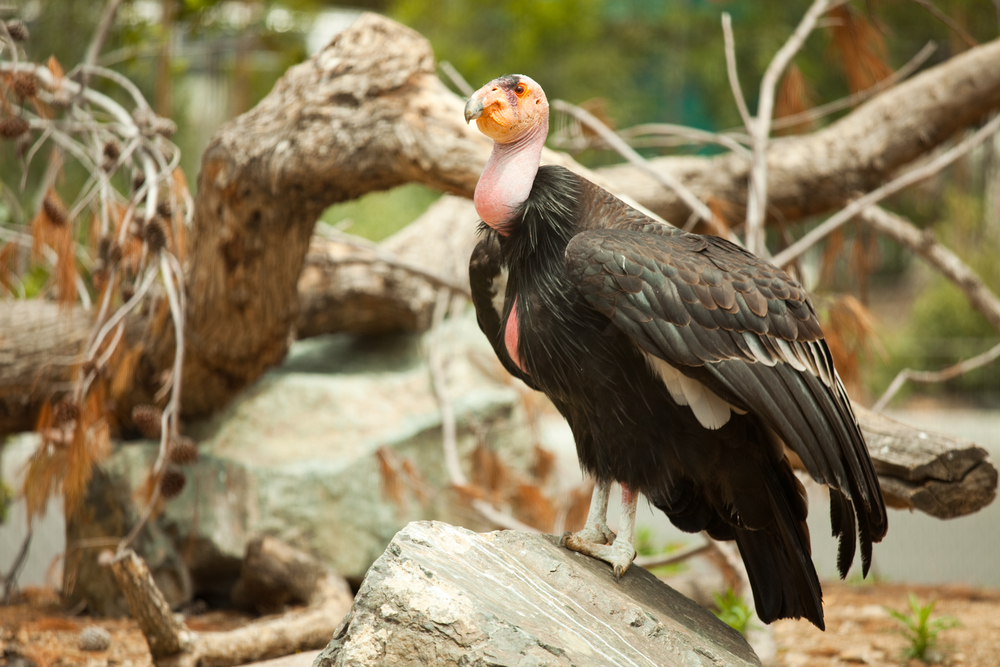
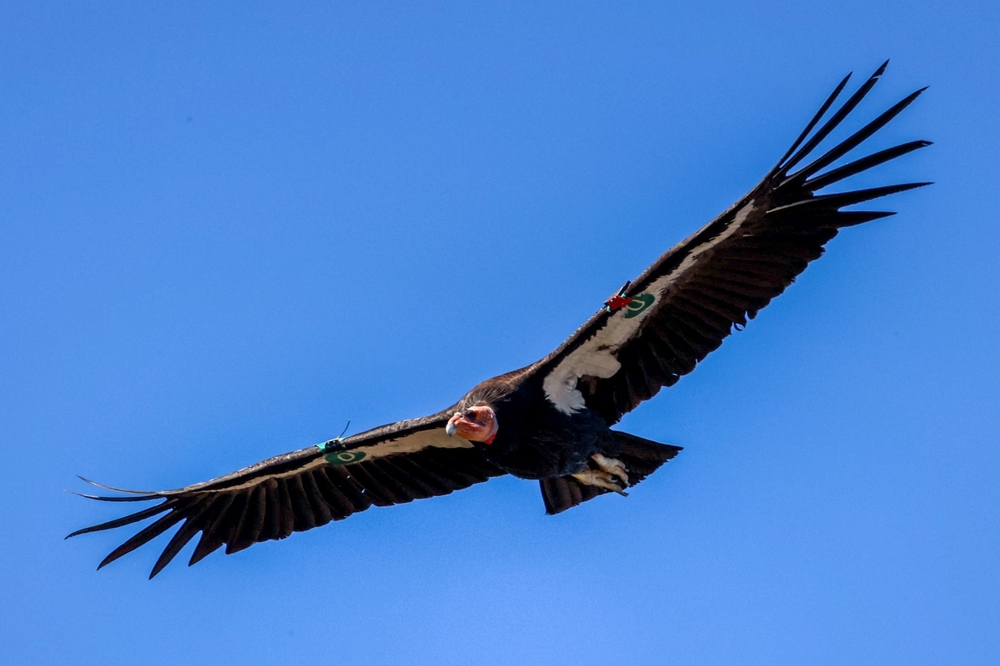
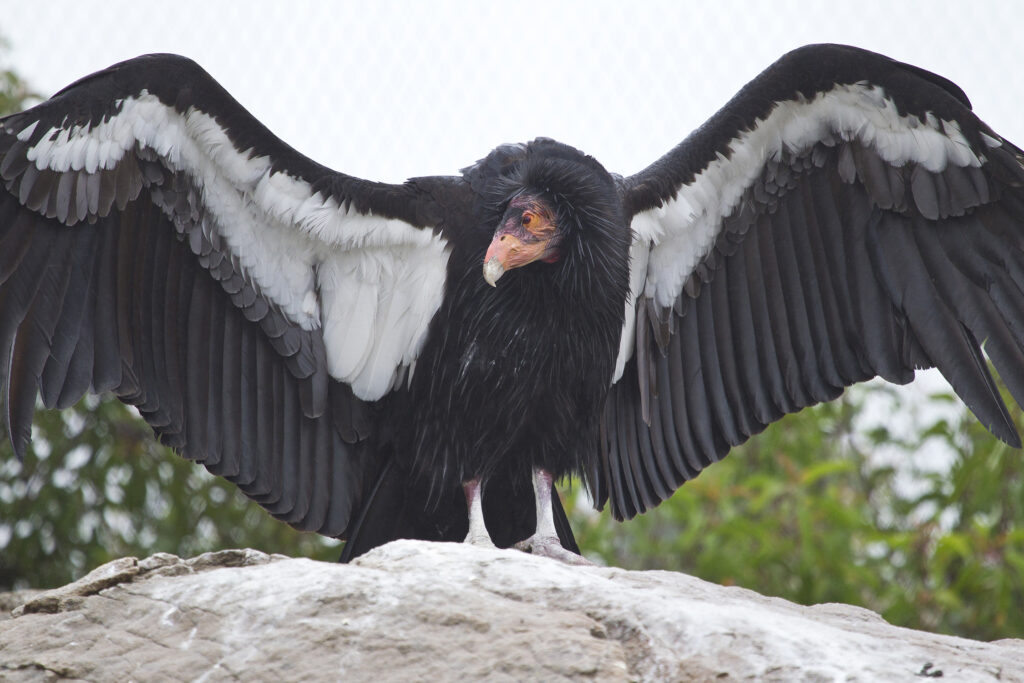
The California condor was once a dominant presence in the skies of North America. With wingspans stretching nearly ten feet, these birds soared across vast landscapes, from the Pacific coast to inland mountains. However, by the late twentieth century, their numbers had plummeted due to habitat destruction, poaching, and especially lead poisoning from ingested ammunition fragments.
By 1987, the situation had reached a critical point. Only 27 condors remained alive, and all of them were brought into captivity in a last effort to save the species. This decision was controversial at the time, as it meant removing the last wild individuals from their natural habitat. However, it also marked the beginning of a long and carefully managed recovery plan.
Breeding programs were established in specialized facilities, where scientists monitored every aspect of condor reproduction. Eggs were incubated, chicks were hand raised, and eventually, young birds were reintroduced into the wild. Each release was treated as both a scientific milestone and a symbolic act of restoration.
Over the years, the population slowly grew. Today, there are more than 500 California condors, with a significant portion living in the wild. Despite this progress, true independence from human intervention has remained elusive. Many birds still rely on monitoring, supplemental feeding, and ongoing protection efforts.
The Moment That Sparked Global Attention
The recent reports of a possible wild condor egg in Northern California immediately captured attention. According to coverage by CBC Radio, biologists monitoring a pair of condors noticed behavior that strongly suggested nesting. This alone was significant, as natural nesting in the region had not been documented in over a century.
As the story developed, it became clear that this was not just any nesting attempt. The location, the conditions, and the apparent independence from direct human management all pointed to a rare and meaningful event. Conservationists began to cautiously share updates, aware of both the excitement and the fragility of the situation.
Local Indigenous communities also followed the development closely. Condors hold deep cultural and spiritual significance for many tribes in California. Their return is not just an ecological event, but a cultural restoration that reconnects people with traditions and beliefs tied to the land and its wildlife.
The story quickly spread beyond scientific circles. Media outlets and environmental groups highlighted the potential milestone, framing it as a turning point in the condor recovery journey. Even with uncertainty surrounding the egg’s outcome, the narrative resonated with audiences worldwide.
Hope Tempered by Uncertainty
While the initial discovery brought excitement, subsequent updates introduced a more sobering reality. Reports from regional outlets indicated that the egg may not have been successful. Observations suggested that the nesting attempt did not result in a surviving chick, though details remain limited due to the careful distance maintained by researchers.
This outcome, while disappointing, is not entirely unexpected. Wild breeding comes with inherent risks that cannot be fully controlled. Factors such as weather, predation, and inexperience can all influence the success of a nesting attempt. For a species still recovering, these challenges are even more pronounced.
Conservation experts have emphasized that a single unsuccessful attempt does not diminish the importance of the event. In fact, it may be a necessary step in the broader process of reestablishing natural behaviors. Each attempt provides valuable data and insight that can inform future efforts.
The emotional response to the news reflects a broader truth about conservation work. Progress is rarely linear. It involves setbacks, uncertainties, and moments that test patience. Yet it is precisely these moments that highlight the resilience of both the species and the people working to protect it.
The Role of Indigenous Stewardship and Cultural Connection
One of the most meaningful aspects of this story lies in the involvement of Indigenous communities. In Northern California, tribes have played a central role in condor reintroduction efforts, bringing traditional knowledge and cultural values into modern conservation practices.
For many Indigenous groups, condors are more than just birds. They are sacred beings, often associated with creation stories, spiritual guidance, and ecological balance. The return of condors to their ancestral lands represents a restoration of relationships that were disrupted over generations.
Collaborative programs between tribal organizations and wildlife agencies have helped create a more holistic approach to conservation. These partnerships emphasize respect for the land, sustainable practices, and the integration of cultural perspectives into scientific work.
The potential appearance of a wild egg carries deep symbolic meaning within this context. Even if the egg did not hatch, its presence can be seen as a sign of renewal and continuity. It reflects the possibility of a future where condors thrive not just as a species, but as part of a living cultural landscape.
Why This Moment Still Matters
At first glance, the story might seem bittersweet. An egg that may not have survived could be interpreted as a missed opportunity. However, looking more closely reveals a different perspective. The very act of wild nesting is a milestone that signals progress beyond numbers and statistics.
It suggests that condors are beginning to reclaim behaviors that were once lost. Breeding in the wild without direct human intervention is a key indicator of long term recovery. It shows that the species is not just surviving, but slowly regaining its place in the ecosystem.
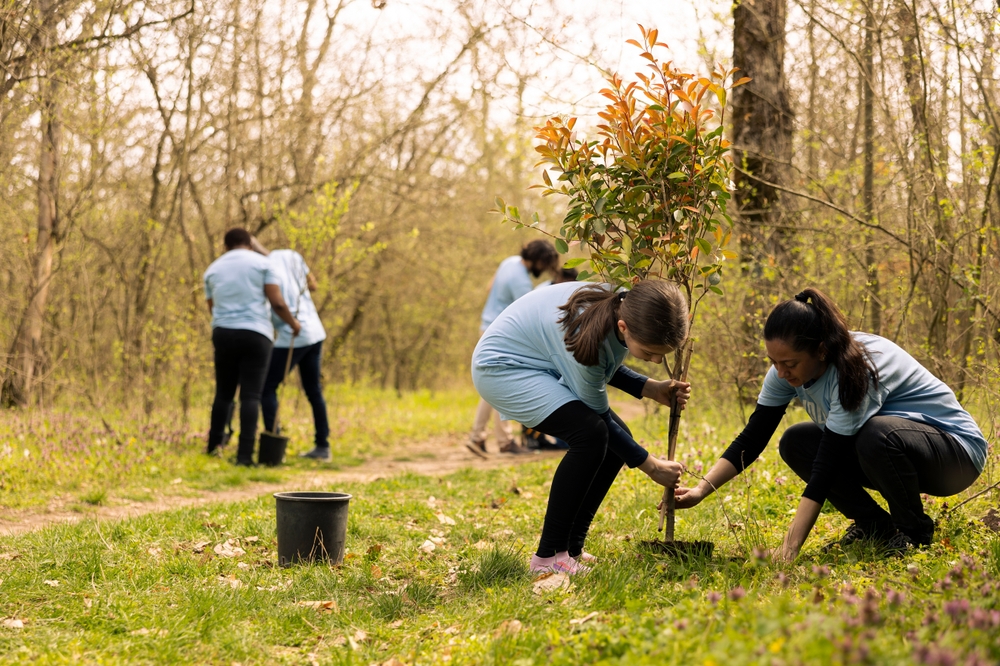
This moment also serves as a reminder of the importance of sustained conservation efforts. The progress seen today is the result of decades of work, collaboration, and investment. It highlights what can be achieved when science, policy, and community engagement align toward a common goal.
For the public, stories like this offer an opportunity to reconnect with the natural world. They encourage reflection on the impact of human actions and the potential for positive change. Even small signs of recovery can inspire broader awareness and support for environmental protection.
What Comes Next for the California Condor
Looking ahead, the future of the California condor remains both promising and uncertain. Conservation programs will continue to monitor populations, address threats such as lead poisoning, and support breeding efforts. The goal is to create conditions where condors can thrive independently in the wild.
Technological advancements are also playing a role. Tracking devices, data analysis, and improved veterinary care are helping scientists better understand condor behavior and health. These tools provide valuable insights that can guide more effective conservation strategies.
At the same time, there is a growing emphasis on reducing human impact. Efforts to promote the use of non lead ammunition, protect habitats, and raise public awareness are critical to ensuring long term success. These initiatives require cooperation from individuals, communities, and policymakers alike.
Ultimately, the story of the condor is still being written. Each new development, whether a success or a setback, adds to a larger narrative of resilience and possibility. The recent nesting attempt is one chapter in that ongoing journey.
A Reflection on Persistence and Possibility
The image of a condor nesting in the wild after more than a century carries a quiet but powerful message. It speaks to the idea that recovery is possible, even in the face of overwhelming odds. It reminds us that nature has an incredible capacity for renewal when given the chance.
At the same time, it challenges us to consider our role in that process. Conservation is not just about saving individual species. It is about preserving the interconnected systems that sustain life on Earth. It requires long term commitment, thoughtful action, and a willingness to learn from both successes and failures.
The story also invites a deeper sense of humility. Despite advances in science and technology, there are aspects of the natural world that remain beyond our control. Accepting this uncertainty is part of building a more balanced relationship with the environment.
In the end, the possible appearance of a wild condor egg is more than a news story. It is a moment that encourages reflection, inspires hope, and underscores the importance of continuing the work of conservation. Even when outcomes are uncertain, the effort itself holds meaning.
Featured Image Credit: Photo by Richard Block | Pexels
References
- Ryder, O. A., Thomas, S., Judson, J. M., Romanov, M. N., Dandekar, S., Papp, J. C., Sidak-Loftis, L. C., Walker, K., Stalis, I. H., Mace, M., Steiner, C. C., & Chemnick, L. G. (2021). Facultative parthenogenesis in California condors. Journal of Heredity, 112(7), 569–574. https://doi.org/10.1093/jhered/esab052
- Walters, J. R., Derrickson, S. R., Fry, D. M., Haig, S. M., Marzluff, J. M., & Wunderle, J. M. (2010). Status of the California Condor (Gymnogyps californianus) and Efforts to Achieve Its Recovery. The Auk, 127(4), 969–1001. https://doi.org/10.1525/auk.2010.127.4.969