

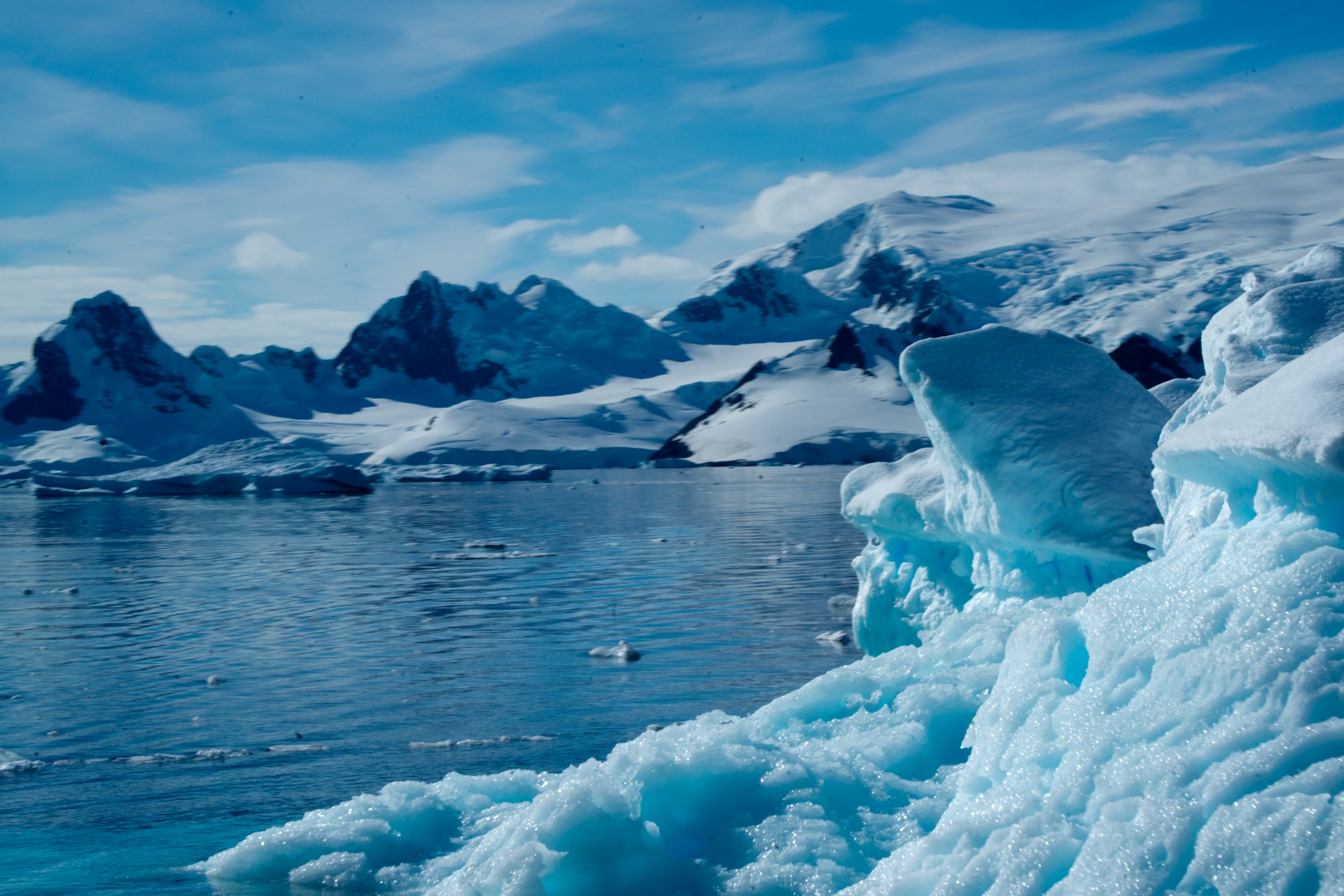
Beneath the Ice: Antarctica’s Lost World Revealed After 34 Million Years
Imagine a world lost in time and hidden beneath the largest ice sheet on Earth. A world where forests once rustled, rivers once flowed, and life thrived in places that are now frozen in perpetual winter. That world has never been seen by human eyes for 34 million years until now. Scientists drilling through miles of ice have uncovered evidence of a buried landscape so ancient and pristine that it has sparked fierce debate around the globe.
This discovery is not just a remarkable scientific achievement. It raises deep questions about exploration, preservation, and our responsibility toward Earth’s most untouched environments. At a time when climate change is reshaping our planet faster than ever before, this ancient buried world offers both an invaluable record of Earth’s past and a mirror for our uncertain future.
In this article, we explore the hidden Antarctic world that has slept beneath miles of ice for millions of years. From the stunning science behind its discovery to the ethical battles it has ignited, this is the story of why Antarctica’s buried world has become one of the most heated debates in science and environmentalism today.
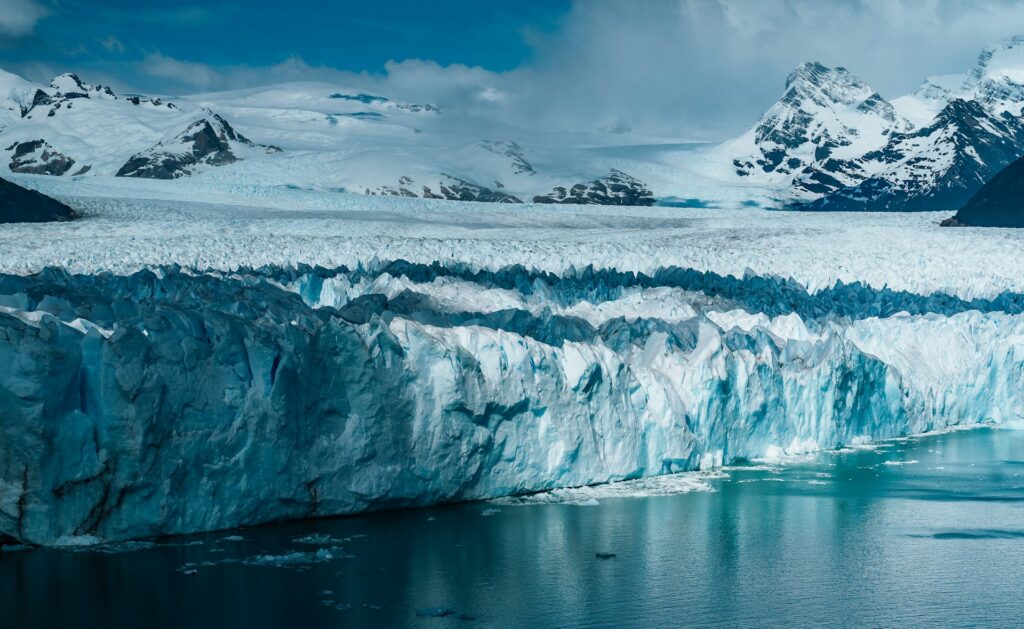
A Time Capsule Buried in Ice
Deep beneath the Antarctic ice sheet lies a landscape untouched for tens of millions of years. In 2019, a team of researchers drilling into West Antarctica brought up ancient sediment cores containing fossilised roots, pollen, and fragments of leaves. These finds revealed that Antarctica was not always a frozen wasteland but once a forested landmass teeming with plant life.
Radiometric dating of these cores places the age of this buried world at around 34 million years old, a period before the rapid expansion of the continent’s ice sheet. Prior to that time, Antarctica was warm, green, and dotted with forests similar to those found today in temperate regions. The discovery of fossilised plant material suggests a complex ecosystem existed long before polar ice advanced.
Using ice-penetrating radar and seismic imaging, scientists mapped the terrain beneath the ice, uncovering valleys, river channels, and basins hidden under kilometres of solid ice. These features indicate rivers once carved through the landscape and may have fed lakes and wetlands, forming habitats preserved in suspended animation ever since.
To researchers, this site represents a natural time capsule. It is a rare archive of Earth’s climatic and biological history. By studying sediments and structures preserved so cleanly, scientists believe they can reconstruct an era of dramatic climate transition and gather clues about how environments respond to large shifts in temperature and atmospheric carbon dioxide.
Why Scientists Are Eager to Explore
For many scientists, the buried landscape beneath Antarctica is more than an archaeological curiosity. It is a key to understanding planetary change. Knowing how Antarctica transformed from a lush world to a frozen desert could teach us how ecosystems respond to extreme climate shifts.
Paleoclimatologists view this landscape as a record of Earth’s climate tipping point. By analysing chemical signatures in sediments and fossils, researchers hope to piece together how atmospheric and oceanic systems changed as the world cooled and ice sheets formed. These insights could improve predictions about how Earth’s remaining ice will behave as modern global warming progresses.
Biologists are equally intrigued by the possibility of unearthing ancient microbial life forms. Subglacial lakes and sediments have already been found to harbour unique microbial ecosystems that survive in complete darkness under immense pressure. Some scientists speculate that similarly isolated life may exist in the buried landscape, offering clues about resilience and adaptation.
Geologists, meanwhile, see the landscape beneath the ice as a preserved canvas of Earth’s tectonic and erosional history. Studying its structure could reveal how continents shifted and climates oscillated millions of years ago, offering a rare uninterrupted chronology that has escaped surface erosion.
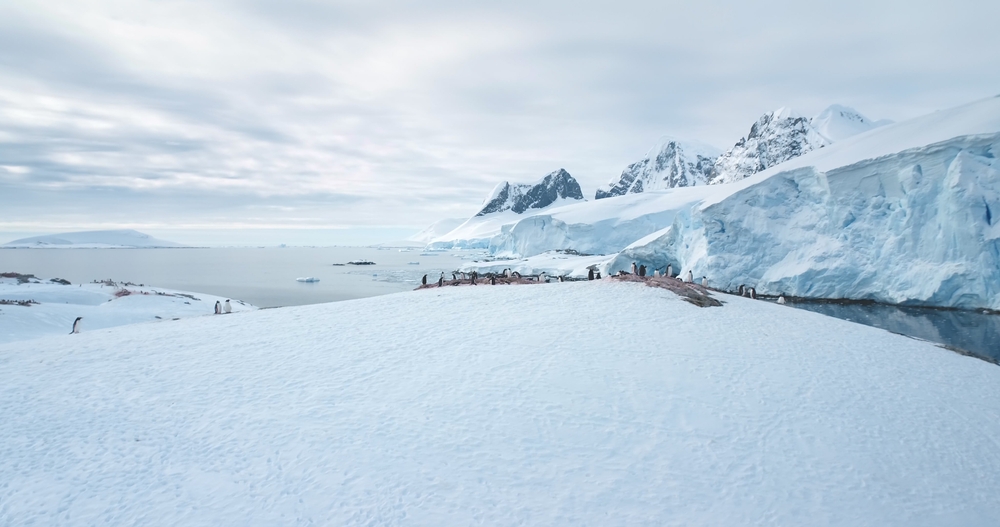
The Ethical Debate: To Explore or Protect
Not everyone agrees that drilling deeper into this time capsule is a good idea. A growing coalition of activists, ethicists, and even some scientists argue that the buried world should remain untouched exactly as it has been for millions of years. They contend that even limited sampling could irreversibly alter a pristine environment.
At the heart of this debate is the risk of contamination. Subglacial ecosystems are extremely delicate, and introducing surface microbes, chemicals, or excess heat could permanently disrupt or destroy them. Past drilling into subglacial lakes has already raised concerns about irreversible ecological damage.
Environmental groups often frame their argument around the belief that some places on Earth should be considered sacrosanct. They argue that humanity does not have an inherent right to intrude into environments that have survived untouched for geological time and that Antarctica’s buried world should be protected as a global natural heritage.
Scientists in favour of exploration counter that the potential knowledge gained, particularly knowledge that could help mitigate climate catastrophe, outweighs the risks. They point to strict environmental protocols under the Antarctic Treaty System and argue that understanding ice sheet collapse could be vital for future sea level projections.
What This Means for Climate Change Understanding
The discovery of this buried world comes at a moment when Antarctica itself is undergoing rapid transformation. Satellite data and field observations show accelerating ice loss across parts of the continent, making any new insight into ice dynamics especially urgent. Research has demonstrated that hidden subglacial rivers and valleys play a critical role in how glaciers move and melt, acting as unseen highways beneath the ice. These systems can significantly accelerate ice flow toward the ocean.
As subglacial water systems expand under warming conditions, they may destabilise large sections of the ice sheet from below. Meltwater reduces friction at the ice base, allowing glaciers to slide faster and break apart more easily. Faster glacier movement increases the risk of large-scale ice loss, which directly contributes to global sea level rise and raises the likelihood of coastal flooding in vulnerable regions worldwide.
The buried terrain also interacts with climate systems in ways scientists are still uncovering. Changes in subglacial river paths can alter stress patterns within the ice, influencing where glaciers fracture and how rapidly they retreat. By comparing this ancient landscape with modern subglacial networks, researchers hope to refine climate models and better anticipate how ice sheets respond to sustained warming.
Because this landscape dates back to a major climatic shift in Earth’s history, it offers rare insight into how tipping points unfold over long timescales. Understanding how Antarctica transitioned from green terrain to frozen continent could help scientists identify early warning signs of future ice sheet collapse and assess how close modern systems may be to irreversible change.
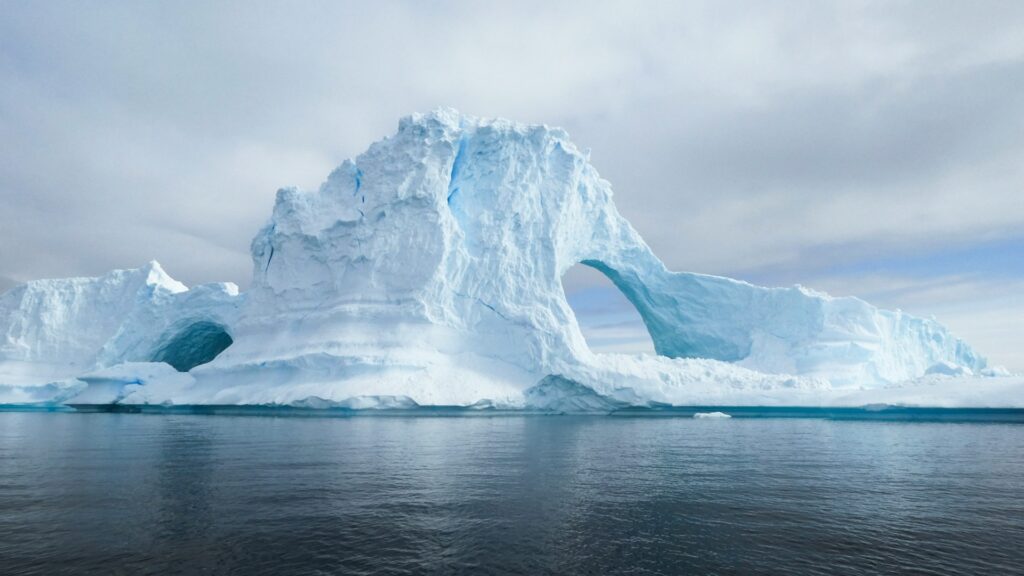
Human Responsibility and the Future
The debate surrounding Antarctica’s buried world reflects a broader tension between curiosity and caution that has defined scientific progress for centuries. Should humanity pursue every opportunity for knowledge regardless of the potential consequences, or should restraint guide our actions in environments that are uniquely fragile and irreplaceable?
Across international research communities, proposals range from expanding advanced remote sensing technologies to conducting carefully controlled exploratory missions using sterilised equipment and strict environmental safeguards. Each approach attempts to strike a balance between scientific advancement and ethical responsibility, acknowledging both the value of discovery and the risks of disturbance.
Beyond science, the debate raises moral and philosophical questions about stewardship. Antarctica is governed collectively under international agreements, meaning decisions made there reflect shared global values rather than national interests. How humanity treats this buried world may influence future policies governing other untouched environments on Earth.
Regardless of the outcome, the discovery has already reshaped our understanding of Antarctica. It has revealed that the continent is not just ice and rock but a layered record of Earth’s deep past. The choices made today will set precedents for how humanity approaches future discoveries, both on Earth and beyond, turning this hidden world beneath the ice into a defining test case for responsible exploration.
Lessons From a World Frozen in Time
A landscape forgotten by time has emerged not through melting but through scientific persistence. Its discovery beneath Antarctica’s ice is a reminder that Earth still holds secrets vast enough to challenge our assumptions about what lies beneath its most extreme environments.
Yet this revelation also demands humility. The buried world teaches us that exploration carries responsibility and that the pursuit of knowledge must be matched by care, patience, and respect for what we uncover. Once disturbed, such environments can never truly be restored.
Earth’s past and future are inseparable. By learning how the planet once changed, humanity gains a clearer picture of how it may change again. The challenge now lies in deciding how much we should touch in order to learn, and how much we should preserve so future generations can make that choice with wisdom.
In many ways, this hidden Antarctic landscape https://www.youtube.com/live/uUao9JIiuYY?si=nn0_8vrsunWGwj0Vstands as a quiet warning and an opportunity at the same time. It reminds us that the planet keeps meticulous records of its own history, and that those records can guide us if we are willing to listen. How we respond to this discovery may ultimately say as much about humanity’s values as it does about Earth’s ancient past.
Featured Image Credit: Photo by Torsten Dederichs | Unsplash