Dad Who Built His Son a 3D Hand Printed Another One for a Girl He Had Never Met
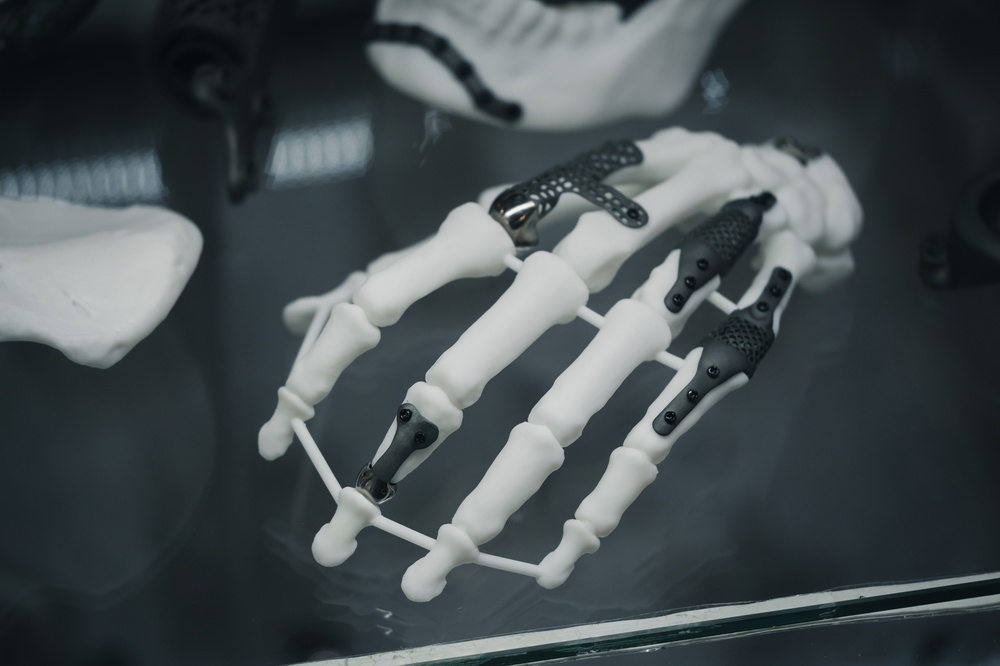
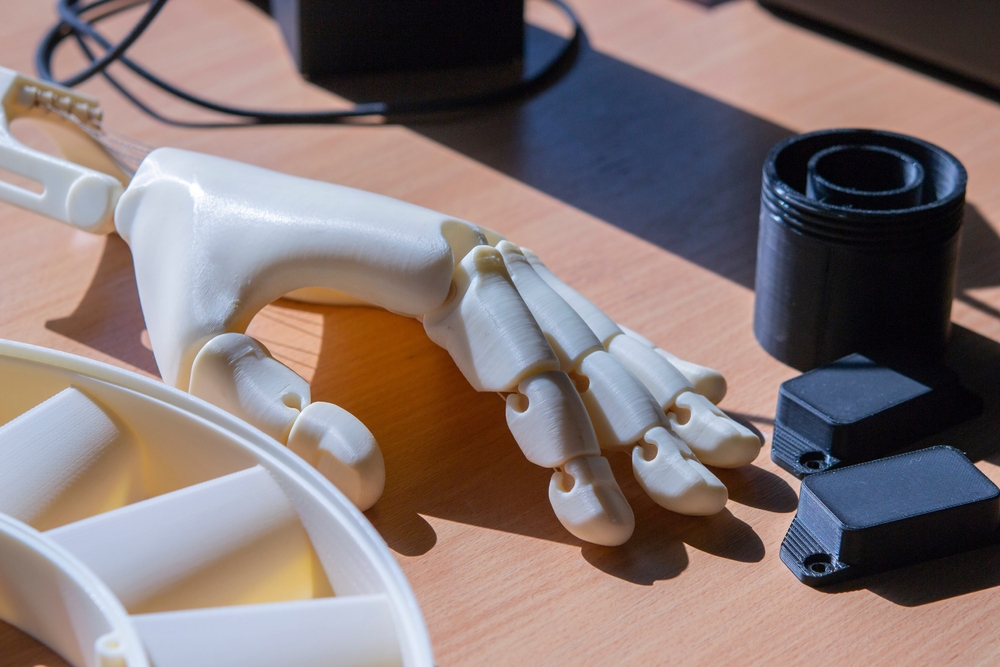
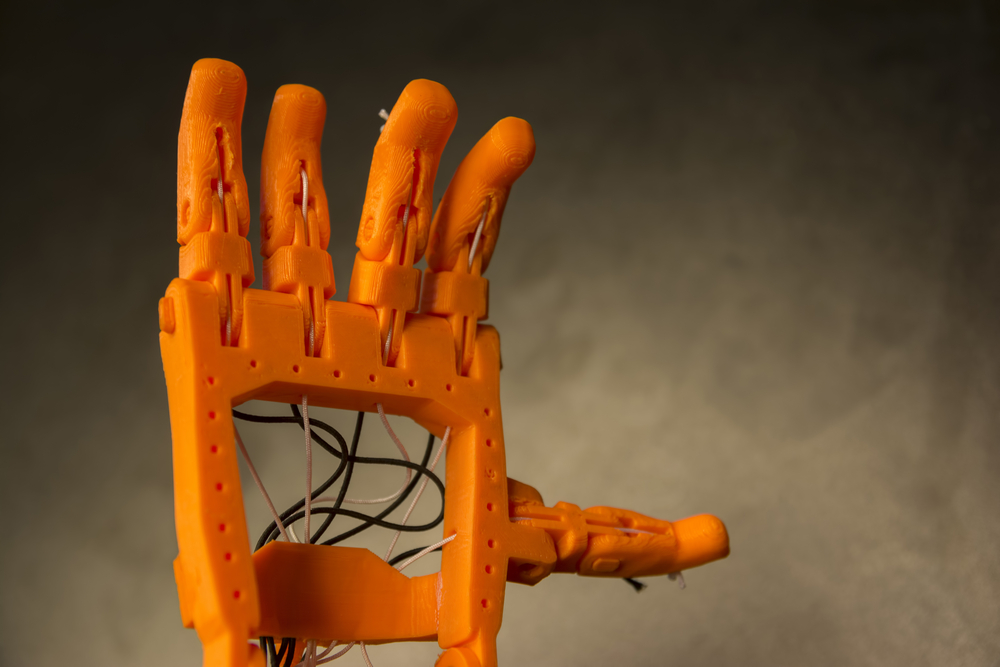
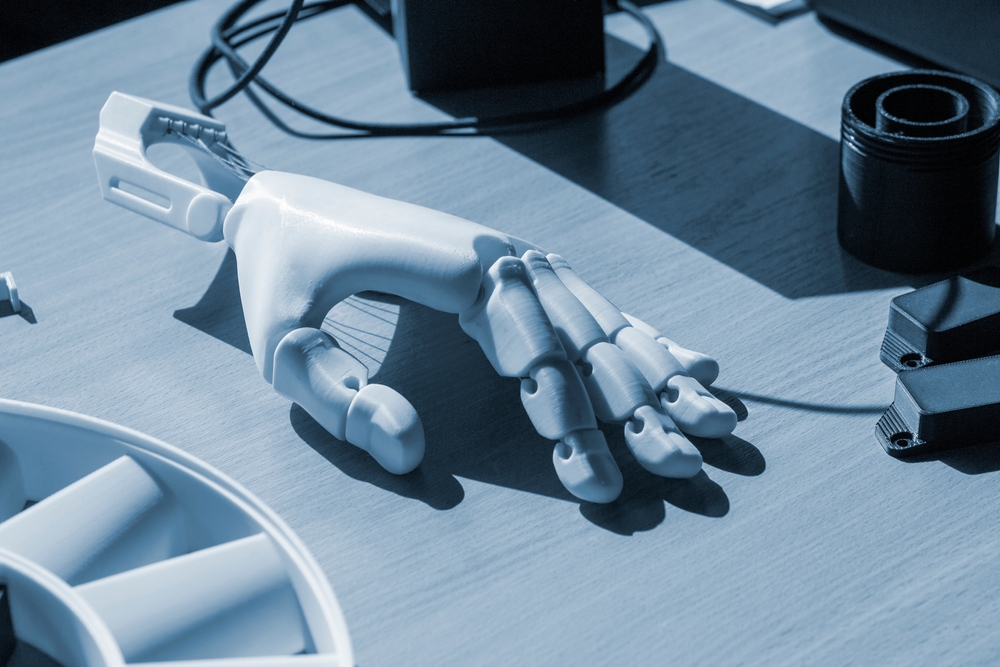
The hand is held together with elastic bands. That is not a figure of speech. Callum Miller can explain the whole build piece by piece: around 10 to 15 printed parts, connected with pins made on the same machine, softened in hot water and shaped over a rolling pin. Elastic bands along the top help the fingers spring open, while fishing braid underneath pulls them closed. The entire process takes around 10 to 12 hours of printing.
A comparable fully developed prosthetic arm can cost around £10,000. Callum learned that number because his son Jamie was born without a left hand. Then he found a way to build a working alternative at home. What happened after Jamie wore his first prosthetic changed the family’s plans completely. When they learned about another child who needed help, Jamie reportedly had one request for his dad: print another one.
The 18-Month Wait That Changed Everything
Before Christmas 2017, Callum approached Team UnLimbited, a British group that designs and distributes free 3D-printed arms and hands. The organisation makes its designs open source, allowing people around the world to download the blueprints and create the devices themselves. Callum wanted an arm for Jamie, but demand was high. He later explained that the family had been told there was an 18-month waiting list.
The delay was not caused by a lack of care. More children needed prosthetic devices than the small group of volunteers could immediately provide. The demand was so significant that the group received recognition for its work. For Callum, however, the waiting list meant his family had a choice to make: wait for a place to become available or find another way to build something for Jamie.
He decided to stop waiting. The search for an alternative eventually led him toward 3D printing and the freely available designs that had already helped other families. What began as an attempt to get one prosthetic for his own son would soon turn into something much bigger, taking Callum from complete beginner to someone capable of building customised arms for children.
A Secondhand Printer Became the Solution
Callum found a secondhand Anet A8 3D printer on eBay, reportedly costing around £160. He had to teach himself how to use it. There was no specialist workshop and no team of engineers working beside him. He watched videos, read tutorials and studied the open-source designs that other people had made available online.
Within around six weeks, the family was printing hands. The first attempt did not move the way Jamie needed it to, so Callum kept working. Instead of giving up when the early version failed to perform properly, he continued experimenting until they had produced a full arm that could offer more useful movement.
Jamie also became part of the creative process. He chose colours and themes for the arms, turning a medical device into something personal. There was a Batman-inspired design, a steampunk version in gold and bronze, and another fitted with lights. The technology may have started as a practical solution, but Jamie was quickly making each version his own.
Jamie Finally Held His Dad’s Hand
Jamie was 10 years old and had never worn a prosthetic in his life. The arm his father made at home became the first one he ever put on. The changes were seen in moments that many families would consider completely ordinary, yet they carried enormous meaning for a boy experiencing them in a new way.
“For the first time Jamie managed to hold my hand, hold a torch and even play catch with a ball,” Callum wrote. Each activity sounds simple on its own. Together, they represented a series of experiences Jamie had never previously had with a prosthetic. The first thing that stood out was the ability to physically hold his father’s hand.
Callum was also careful about how he described his son. Jamie, he explained, had never allowed being born without one hand to stop him from doing what other children did. The prosthetic was not presented as something that needed to fix him. It simply gave him another option and widened the number of things he could do during an ordinary day.
£10,000 Compared With Hours of Printing
Callum eventually placed two very different numbers side by side. A fully developed arm could cost around £10,000 or more, while the printed version could take roughly 10 to 12 hours to produce. The difference raised an obvious question about how many families could gain access to prosthetic technology if lower-cost alternatives became easier to make.
That gap helped push Callum toward a larger goal. He opened a fundraiser seeking £6,000 to cover equipment including scanners, sensors, electronics and printer upgrades. The project was given a straightforward purpose: creating 3D-printed prosthetics for Jamie and other children who might need them.
Callum made clear that he hoped to build arms and limbs for other children in similar situations. Dozens of people contributed to the fundraiser, helping him continue developing the project. By this point, the printer was no longer being used only for Jamie. The possibility of helping another child was already becoming part of the plan.
Jamie Heard About Keira
Keira Campbell had been born without a left hand, the same as Jamie. Her family had faced difficulties finding a route to getting her a prosthetic, and the options available to them were affected by many of the same barriers Callum had already encountered. Then Jamie’s story began reaching more people.
When Callum and Jamie learned about Keira, the story reportedly struck a personal chord. Jamie understood what it meant to go without a prosthetic and had only recently discovered what his father’s creation allowed him to do. According to accounts of what happened next, he wanted Callum to make another arm for Keira.
Callum agreed and began printing. He did not ask Keira’s family for payment. The father who had taught himself how to build a prosthetic because his own son faced a long wait was now using the same skills for a little girl he had never met. A project that began with one child was suddenly helping another.
The Milkshake That Meant So Much
Keira’s mum, Nikki, described the changes she noticed after her daughter received the hand. “She can now hold stuff properly which she couldn’t before, she’s loving it. She’s becoming more independent,” she said. The biggest changes were not necessarily dramatic moments. They appeared in the everyday activities that Keira was beginning to approach differently.
Then came one particularly memorable example. Keira was getting used to using the hand every day and had started putting it on herself. Nikki recalled seeing her daughter use it to hold and drink a milkshake. It was a small moment, but it showed how quickly a new tool could become part of a child’s routine.
Nikki also said, “I’ve never seen her this excited to go back to school.” That reaction revealed another side of the story. A prosthetic can provide practical support, but for a child it can also affect confidence and independence. The hand was made from relatively simple materials, yet the effect reached far beyond the printer that produced it.
Elastic Bands, Fishing Braid and What Came Next
What Keira received was built from printed plastic, elastic bands and fishing braid. Some of the pieces were softened in hot water and shaped over a rolling pin. The fingers opened and closed through a simple mechanical system that Callum had learned to create after buying a secondhand printer and teaching himself how the technology worked.
The process stood in sharp contrast to the cost often associated with advanced prosthetics. Callum’s work showed how open-source designs could allow ordinary people to learn, adapt and build devices for specific needs. The technology still had limitations, but it offered another path for families who might otherwise face major financial or accessibility barriers.
Callum was already considering the next stage for Jamie’s arm. He wanted to explore myoelectric sensors that could detect muscle activity and help control the fingers more directly. But the most powerful part of the story had already happened. Jamie learned what it felt like to hold his dad’s hand, then heard about another child who needed one of her own and asked his father to start the printer again.