

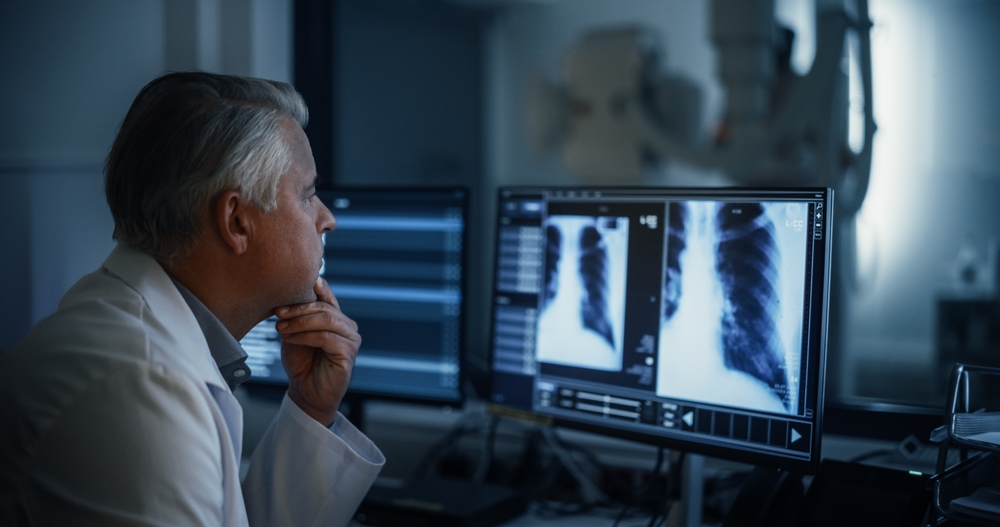
FDA Grants Fast Track Status to First Breath Delivered Gene Therapy for Lung Cancer
There are moments in science that feel like a quiet shift in the atmosphere. Not loud. Not flashy. But meaningful. The kind that makes you pause and ask: Are we standing at the edge of something transformative?

Recently, a first-of-its-kind inhalable gene therapy for lung cancer that genetically modifies people’s lung cells has been fast-tracked toward potential approval after promising clinical trial results. If that sentence feels like it belongs in the future, that’s because in many ways, it does.
But before we rush to celebrate or dismiss it, let us slow down. Let us understand what this really means. And more importantly, what it asks of us.
A New Approach to Fighting Lung Cancer
The therapy contains a herpes virus that has been modified to make it harmless and unable to spread to other people. In medical research, modified viruses are often used as delivery systems because they are naturally efficient at entering cells. Scientists can remove the elements that cause disease and retain the structure that allows the virus to transport genetic material with precision.
In this case, the virus carries two specific genes into lung cells: one encoding the protein interleukin 2 and the other encoding interleukin 12. Both proteins already exist in the human body and play central roles in immune regulation. Interleukin 2 helps activate and expand certain immune cells, including T cells, while interleukin 12 supports immune signaling that enhances the body’s ability to recognize and respond to abnormal cells.
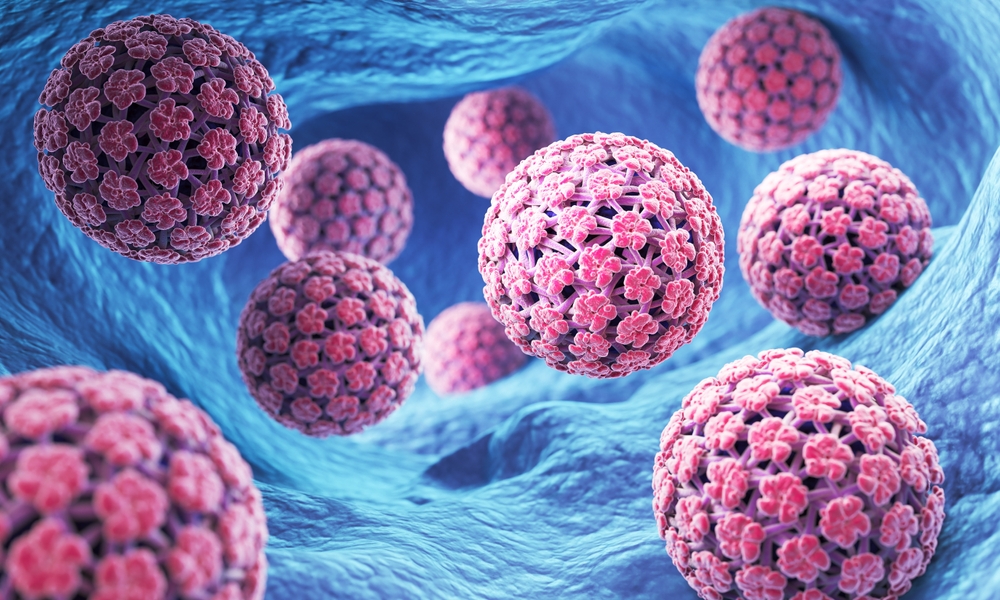
By introducing the genetic instructions for these proteins directly into lung tissue, the therapy aims to increase their local production inside the affected organ itself. This approach reflects a broader scientific strategy in oncology that focuses on immune modulation rather than direct chemical destruction. It represents a shift toward precision at the cellular level, using genetic engineering tools to influence how the immune environment behaves within a tumor setting.
Why Tumors Fight Back and How This Therapy Responds
Tumors do not just grow. They negotiate with the body, manipulate signals, and reshape their surroundings in ways that help them survive. One of the most challenging parts of cancer is that it can turn the immune system from a threat into background noise, creating a local environment where immune cells struggle to stay activated and coordinated long enough to do their job.
The article captures one piece of that reality plainly: “tumours often fight back and deplete interleukin-2 and interleukin-12, weakening the body’s ability to suppress their growth.” When key immune signaling molecules are reduced, the immune response can lose momentum. Cells that normally help recognize abnormal growth can become less effective, less persistent, or less able to communicate, and that loss of communication is often where cancer finds room to keep moving.
What makes this therapy’s logic different is not that it chases the tumor everywhere at once, but that it tries to correct the immune imbalance where it matters most. By aiming to restore the production of these immune signaling proteins within lung tissue, the approach is built around the idea that the fight is not only about attacking cancer cells directly. It is also about rebuilding the conditions that allow the immune system to stay engaged in the first place, especially in a disease where the local lung environment is central to how the cancer progresses.
How the Treatment Is Delivered
Since 2024, Ma and his colleagues have been testing the gene therapy in people with advanced lung cancer who have exhausted all other treatment options. That context matters because early clinical studies like this are often designed to answer a basic question first: can the treatment be delivered in a way that is feasible and tolerable for patients who are already carrying a heavy burden from both disease and prior therapies.
To administer it, “a liquid containing the gene therapy is nebulised, meaning it is converted into a fine mist that people directly inhale into their lungs from a device.” Nebulising a liquid into an inhaled mist is a practical choice for a lung targeted treatment because it is built around direct access. Instead of relying on the therapy to travel from elsewhere in the body to the lungs, this method is intended to place the treatment where the tumors are, using the natural pathway of breathing. It also turns a highly technical idea into a routine action that many patients already understand from other respiratory treatments, which can lower the barrier of complexity at the point of care.
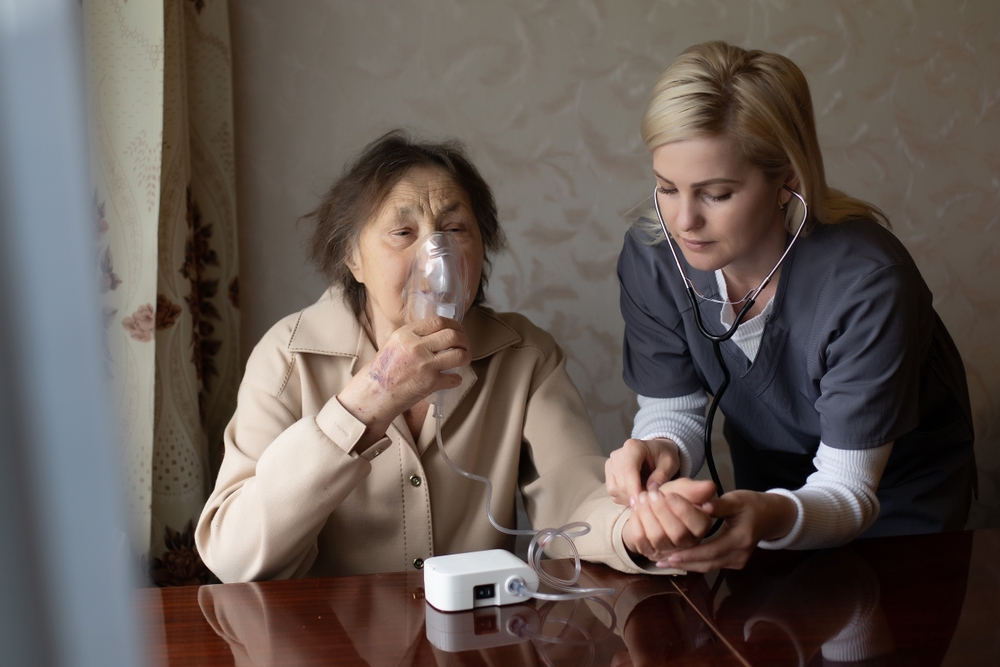
The delivery approach also reframes what gene therapy can look like in real life. It suggests a model that may be less invasive than procedures that require surgical placement or repeated infusions, while still demanding careful clinical oversight to manage dosing, monitoring, and side effects. In other words, the method is not just a detail of convenience. It is part of the innovation, because it shapes how reachable this kind of treatment could become if later trials confirm the early promise.
What the Early Results Show
At an oncology meeting, Ma announced that the gene therapy had reduced the size of lung tumours in three out of 11 people, and stopped them from growing any bigger in another five people. In a group this small, those numbers are not a final verdict, but they do give a clear snapshot of what the researchers observed: some patients saw tumors shrink, others saw the cancer stop advancing for a period of time, and not everyone benefited in the same way.
That difference matters because early clinical results are often less about declaring a cure and more about measuring signals. Tumor shrinkage is one signal. Stabilization is another. For people with advanced lung cancer who have exhausted all other treatment options, holding the line can be meaningful because it can translate into more time to recover strength, more time to consider next steps with a care team, and sometimes more time to be present for the life that is still happening around them.

At the same time, the study size makes it impossible to draw broad conclusions about how well this will work across the wider lung cancer population. Results from 11 people can point toward a direction, but they cannot tell us how consistently the therapy will perform, how long the benefits might last, or which patients are most likely to respond. Those answers only come from larger trials with longer follow up.
Some patients experienced side effects like chills or vomiting, but no severe safety concerns were identified. That is an important early marker, because any treatment that changes how cells produce immune signaling proteins has to be monitored carefully for unwanted immune effects, especially when the goal is to strengthen immune activity in the lungs. The early picture here suggests tolerability, but the real test will be whether future studies continue to show manageable side effects as more people receive the therapy and doctors track outcomes over longer periods.
What “Fast-Tracked” Really Means
When people hear that the FDA has fast tracked a therapy, it can sound like approval is around the corner. But fast tracked does not mean approved. It means the agency sees enough early promise, and enough urgency in the medical need, to speed up the path of review and communication while the evidence continues to build.
In practice, this status can make the process more responsive. It can allow more frequent conversations between the developers and regulators, so questions about study design, safety monitoring, and what data is needed next can be addressed sooner. It can also allow a rolling review, where parts of an application are evaluated as they are completed rather than waiting for everything at the end. None of this lowers the standard for safety or effectiveness. It changes the pace and the coordination.
The most important thing to hold in your mind is this. Fast track is a recognition of potential, not a declaration of success. The therapy still has to earn its place through larger trials, clearer outcomes, and longer follow up that show whether the benefits are real, durable, and worth any risks. This is the space where hope should live alongside patience, because the science is still in motion.
The Bigger Picture: Gene Therapy and the Future of Medicine
Gene therapy sits at a powerful intersection of science and responsibility. Instead of targeting symptoms alone, it works at the level of cellular instruction, influencing what cells produce and how they behave. That is why it carries enormous promise and why it is scrutinized so carefully. When a therapy alters genetic expression, even in a controlled and localized way, the implications extend beyond a single treatment moment and into the longer rhythm of how the body functions over time.
Because of that depth, progress in gene therapy unfolds deliberately. Researchers must confirm that genetic material reaches its intended destination, produces the desired biological effect, remains appropriately contained, and maintains a safety profile that holds up under extended observation. Early signals can be encouraging, but expansion into broader trials often reveals new layers of complexity. Careful validation is not hesitation. It is discipline.
Seen in a wider frame, gene therapy reflects a broader evolution in medicine toward precision and personalization. The goal is no longer one universal answer, but the right intervention for the right patient at the right moment. That future depends on rigorous data, long term monitoring, and transparent communication so that innovation advances without outrunning evidence. The true measure of progress will not be novelty alone, but whether new treatments are integrated responsibly into real world care.
A Moment of Reflection
If you are reading this and you or someone you love has been touched by cancer, I want to name what is easy to overlook when we talk about breakthroughs. News like this does not arrive as a neutral update. It arrives inside a body already carrying fear, inside a family already measuring time, inside a mind that has had to learn a new vocabulary for survival.
Headlines can stir up hope and skepticism at the same time. You can feel lifted by the idea of something new while also feeling exhausted by how many promises you have seen come and go. You can want to believe and still need proof. That emotional complexity is not a weakness. It is wisdom. It is what happens when you have learned that real progress is precious, and that not every early signal becomes a lasting solution.
So here is the balanced truth, without hype and without coldness. This work is still in early stage development. The number of patients reported so far is small. The results are encouraging but not definitive. The safety picture described so far appears manageable. Those realities do not cancel out hope. They simply shape it into something healthier, something that can stand up to disappointment if it has to, and still stay open to possibility.

If you take anything from this moment, let it be this. Hope does not require you to pretend you are not afraid. It does not ask you to ignore what is unknown. It simply asks you to keep your heart available while your mind stays clear. That combination is not naïve optimism. It is responsible optimism, and for many people living with cancer, responsible optimism can be a kind of strength.C
The Road Ahead
The next chapter of this story will be written in the slow language of evidence. If this therapy moves forward, it will face larger trials, longer follow up, and harder questions about durability, safety, and which patients truly benefit. Early promise must mature into reliable proof that holds up across different bodies and different stages of disease. That is how medicine earns trust, not through headlines, but through consistency over time.
So do not treat this as a finish line. Treat it as a signpost. It points toward a future where treatment may become more precise and more aligned with how the body fights for itself, but that future must be built carefully. We may not have certainty yet, but we do have movement. And sometimes movement, grounded in rigor and guided by integrity, is the clearest evidence that progress is real.
Featured Image from Shutterstock