

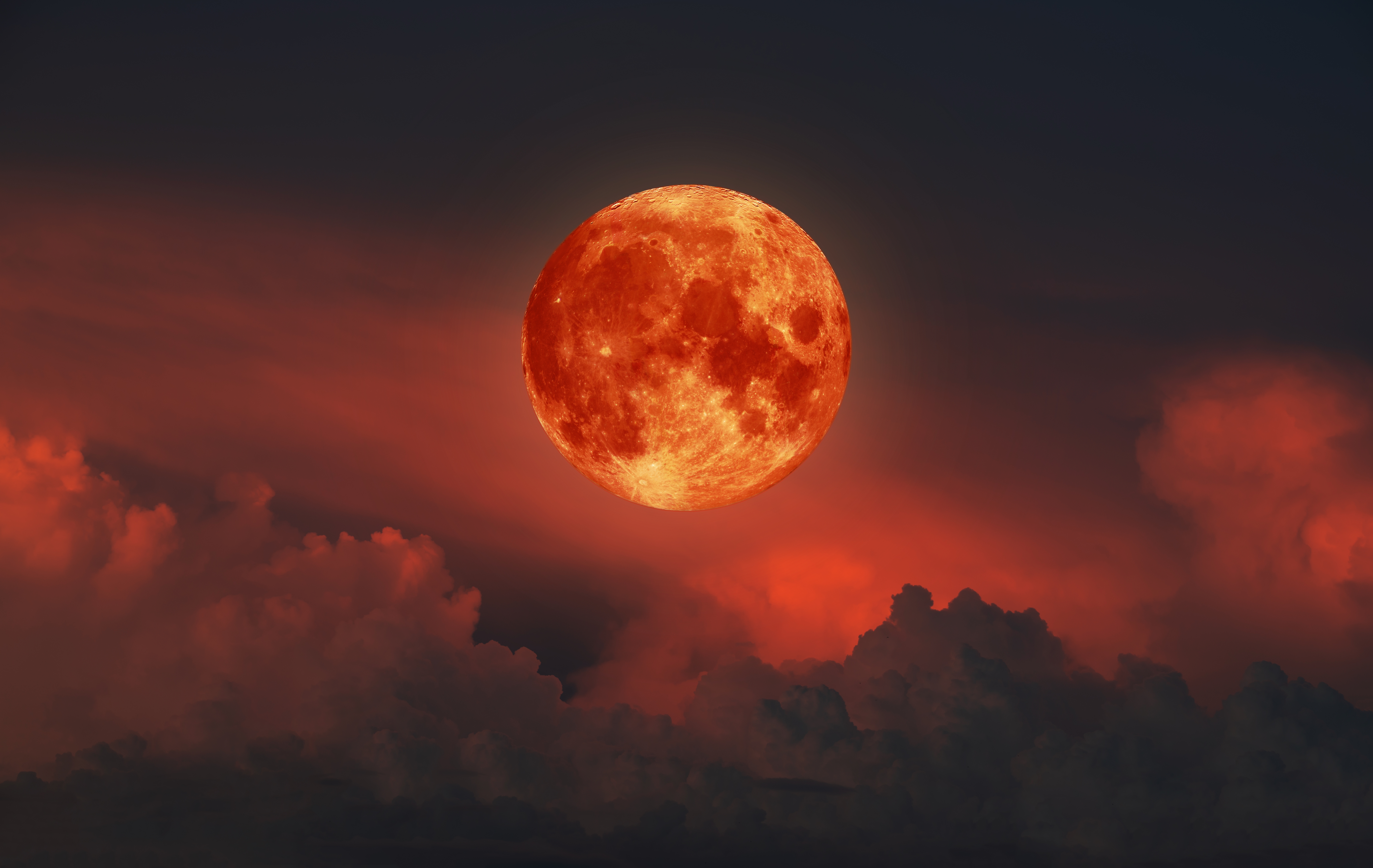
On March 3 a Rare Blood Moon Will Stain the Sky Red for 58 Minutes, and Billions Across the World Can Watch
We spend so much of our lives looking down—at our phones, our work, or just watching where we step as we rush through the day. But on March 3, the universe is giving us a powerful reason to stop and look up.
The night sky is about to break its usual routine, trading the familiar white glow of the moon for something much more dramatic. It is a rare moment where nature puts on a show that makes the noise of the world go quiet, reminding us that there is still magic right above our heads.
58 Minutes of Cosmic Magic
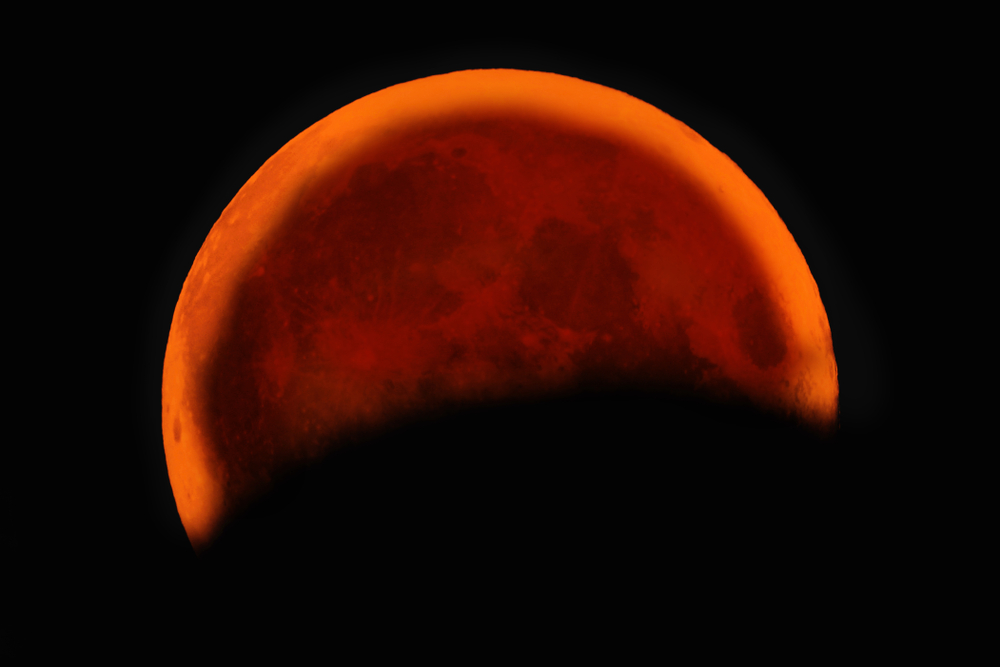
On Tuesday, March 3, 2026, the cosmos invites the world to witness a moment of profound natural beauty. For exactly 58 minutes, the familiar silvery glow of the full moon will vanish, replaced by a dramatic, deep coppery red. This event marks the first and only total lunar eclipse of the entire year. It is a fleeting opportunity to silence the noise of daily life and look up, for if this spectacle is missed, the next total lunar eclipse will not grace the skies until New Year’s Eve in 2028.
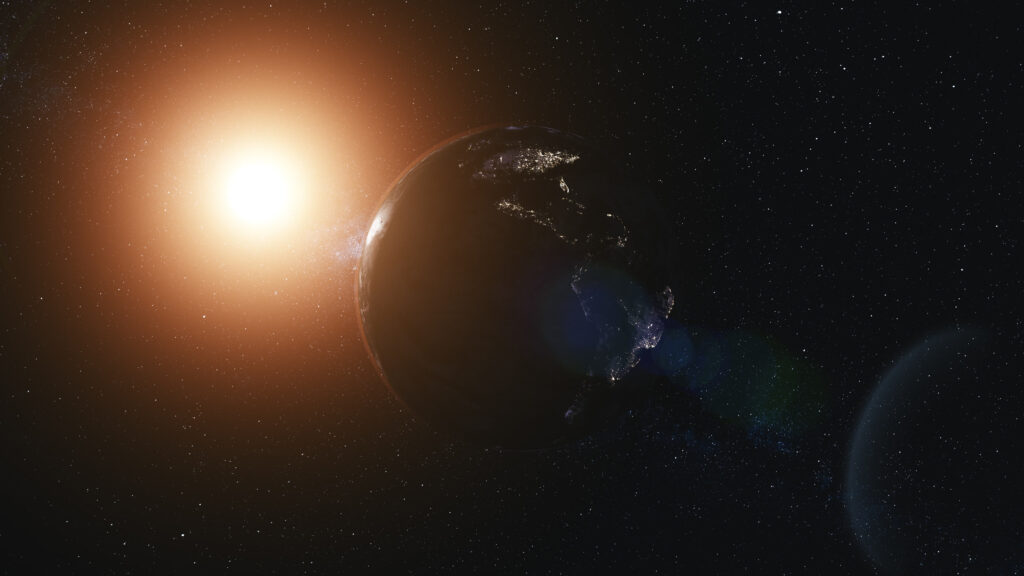
This phenomenon, widely known as a “Blood Moon,” occurs when the Earth aligns perfectly between the sun and the moon. During this dance of orbital mechanics, our planet casts a massive shadow that blocks direct sunlight from hitting the lunar surface. However, the science holds a poetic truth that resonates deeper than simple astronomy.
The moon does not go completely dark. Instead, it turns red because Earth’s atmosphere acts like a lens, filtering sunlight and scattering blue wavelengths while allowing red wavelengths to pass through. In this brief window of alignment, the light from every sunrise and sunset occurring simultaneously around the globe is projected onto the cratered surface of the moon. For nearly an hour, the moon becomes a celestial canvas, painted by the collective light of our world’s dawns and dusks.
A Shared Gaze Across Continents
This celestial event is not just a spectacle of light but a moment of connection for nearly one-third of the human population. Approximately 2.5 billion people across the globe will have the chance to witness this transformation. From the bustling cities of East Asia to the quiet, open spaces of the American Southwest, a vast portion of humanity will be united under the same crimson sky.
Observers in western North America, Australia, New Zealand, East Asia, and the Pacific are perfectly positioned to see the full glory of the eclipse. For those in North America, this means an early morning wake-up call, as the total phase begins at 6:04 a.m. EST and stretches until 7:02 a.m. EST. Conversely, viewers in Australia and Asia will watch the event unfold in the evening hours. It is a reminder that while time zones separate us, the sky remains a common roof.
Nature, however, offers no guarantees. The clearest views are historically found in northwest Mexico, the southwestern United States, and inland Australia, where dry air often provides a pristine window to the stars. Yet, even for those not in the path of totality, modern technology bridges the gap. Livestreams will broadcast the event worldwide, ensuring that no one is truly left in the dark. Whether standing in a backyard or watching through a screen, the experience remains a testament to the beauty of our shared universe.
Nature’s Free Admission
Nature does not ask for a ticket or a VIP pass. While so much of modern life requires money or status, the night sky remains open to everyone. To see this event, there is no need for a telescope, binoculars, or special glasses. The only requirements are a pair of eyes and the willingness to look up. It is a rare experience that is completely equal for a billionaire and a broke student alike.
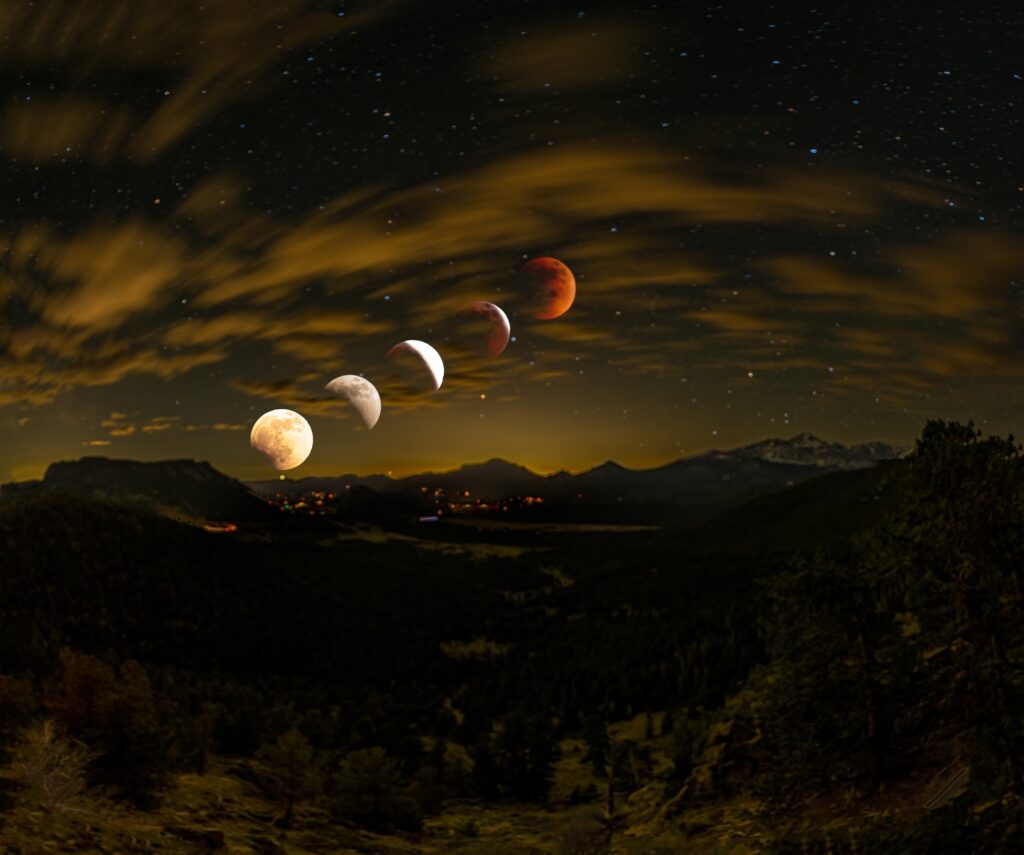
The change does not happen all at once. It rewards patience. At first, the moon simply looks a little less bright. Then, a dark curved shadow begins to cover it, looking like a bite is being taken out of the side. Slowly, the Earth’s shadow swallows the light until the moon turns that deep, coppery red. For nearly an hour, the usual bright white glow is replaced by this eerie, beautiful color.
Because the moon becomes so much dimmer during this hour, the rest of the universe gets a chance to shine. Stars that are usually hidden by the bright glare of a full moon will suddenly become visible to the naked eye. On this night, the darkened moon will be resting right near the stars of the constellation Leo. It serves as a quiet lesson that sometimes, when one bright light dims, it allows others to finally be seen.
A Brief Window of Opportunity
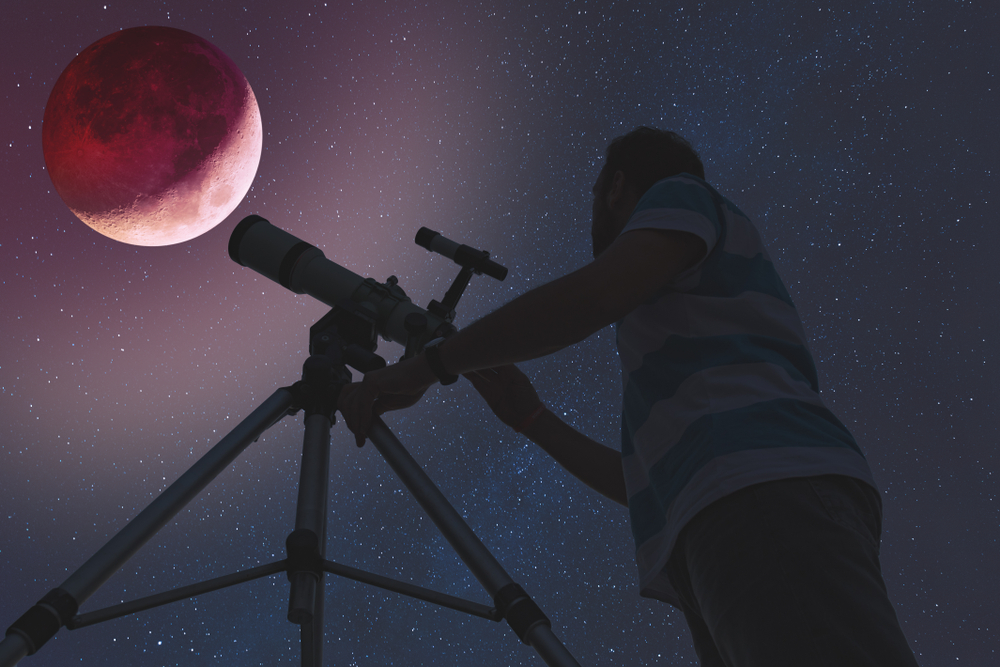
Nature rarely works on our schedule. We live in a world of on-demand entertainment, where we can pause, rewind, or watch later. But this event is strictly live. The phase of “totality”—the specific time when the moon actually turns that deep red color—lasts for exactly 58 minutes. Before and after this window, you will only see a partial shadow. If you are not paying attention during that specific hour, you will miss the main event entirely.
It is also important to recognize how rare this specific alignment is. After the sun rises on March 3, the opportunity vanishes. There will not be another total lunar eclipse for the rest of 2026, nor in 2027. The next time the sky offers this display will be on New Year’s Eve in 2028. That is a wait of nearly three years. It is a stark reminder that some moments do not wait for us to be ready; they happen, and we must rise to meet them.
However, obstacles like bad weather or geography do not have to be the end of the story. For those in Europe or Africa who are outside the viewing path, or for anyone staring up at a cloudy sky, technology offers a bridge. Livestreams will be broadcasting the eclipse in real-time, ensuring that location is not a barrier. Whether you are standing outside in the cold air of North America or watching from a screen on the other side of the world, the choice is simply to show up.
The Shadow Always Passes

There is a tribe in Africa called the Batammaliba who view an eclipse very differently than most. They do not see it as a sign of doom or bad luck. Instead, their legend says that the sun and the moon are fighting, and the only way to stop the conflict up in the sky is for the people on Earth to resolve their conflicts down on the ground. During an eclipse, neighbors come together to end old feuds. They forgive each other. They let go of anger. They use the moment to make peace so that the light can return.
This is a powerful idea to carry into March 3. We all hold onto things that weigh us down—grudges, regrets, or anger at people who may not even be in our lives anymore. The eclipse offers a physical deadline. For 58 minutes, the moon will be covered in shadow. Use that time to think about what “shadows” you are holding onto in your own life. Ask yourself what fights are worth ending and what burdens are worth dropping.
The most important thing to remember about an eclipse is that it ends. The shadow always passes. The light always comes back. No matter how dark the sky gets, or how dark life feels, it is never permanent. Everything moves. Everything changes. So when you look up at that red moon, take a deep breath and decide that when the shadow leaves the moon, your own shadows will leave with it. Watch the light return, and know that you can start fresh, right then and there.
Featured Image Source: Shutterstock