

Your Brain May Contain More Plastic Than You Think, Researchers Warn
It sounds like the plot of a dystopian novel: invisible fragments of plastic quietly crossing the body’s most protected barrier and settling inside the human brain.
But according to a growing body of scientific research, that unsettling image is edging closer to reality. New findings suggest that tiny plastic particles , many too small to see , are accumulating in human brain tissue. And while scientists are still racing to understand what this means for our health, one thing is becoming clear: everyday habits are playing a major role in how these particles enter our bodies.
The question is no longer whether microplastics are around us. It’s how much of them are inside us , and what we’re prepared to do about it.
A Half Percent Plastic: What Researchers Found
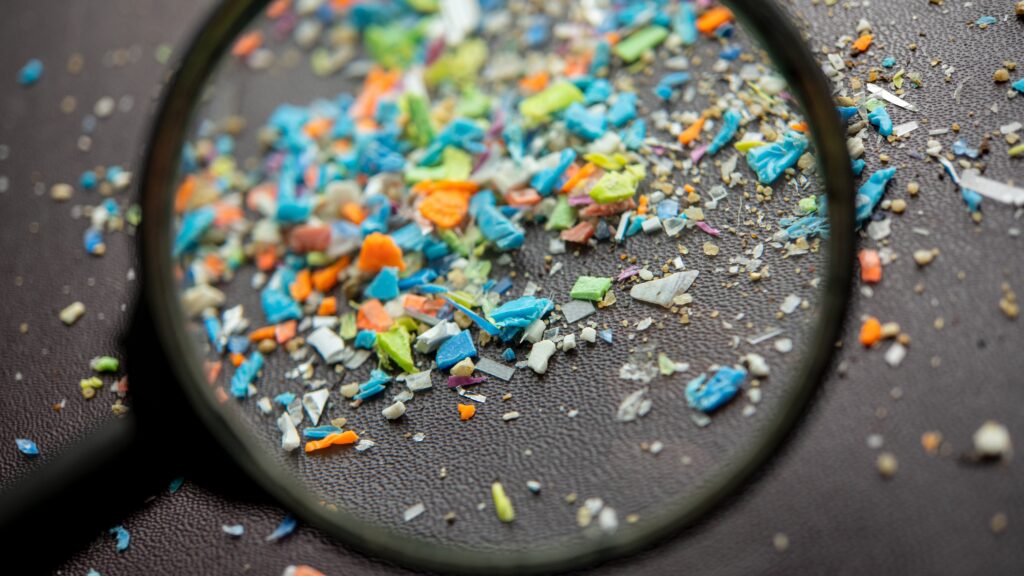
In a preprint study posted online in May, researchers analyzed brain, kidney and liver tissues from 92 individuals who underwent forensic autopsies in 2016 and 2024. The findings were striking.
According to lead author Matthew Campen, a professor of pharmaceutical sciences at the University of New Mexico, brain samples collected in early 2024 contained on average about 0.5% plastic by weight , roughly 4,800 micrograms per gram of tissue.
Compared with samples from 2016, that represents about a 50% increase.
Campen put it bluntly: today’s brains are approximately 99.5% brain tissue , and the rest is plastic.
Even more concerning, brain tissue contained 7 to 30 times more plastic than the liver or kidneys. The frontal cortex , the region associated with reasoning and decision-making , was among the sampled areas.
However, experts caution that accumulation does not automatically mean damage.
Phoebe Stapleton, an associate professor of pharmacology and toxicology at Rutgers University who was not involved in the study, emphasized that scientists still do not know whether these particles move in and out of brain tissue or remain lodged there long-term. Further research is needed to determine whether they cause toxic effects.
Still, the upward trend mirrors what we see in the environment: plastic pollution is increasing globally , and so, it appears, is the amount found inside us.
How Nanoplastics “Hijack” the Brain’s Defenses
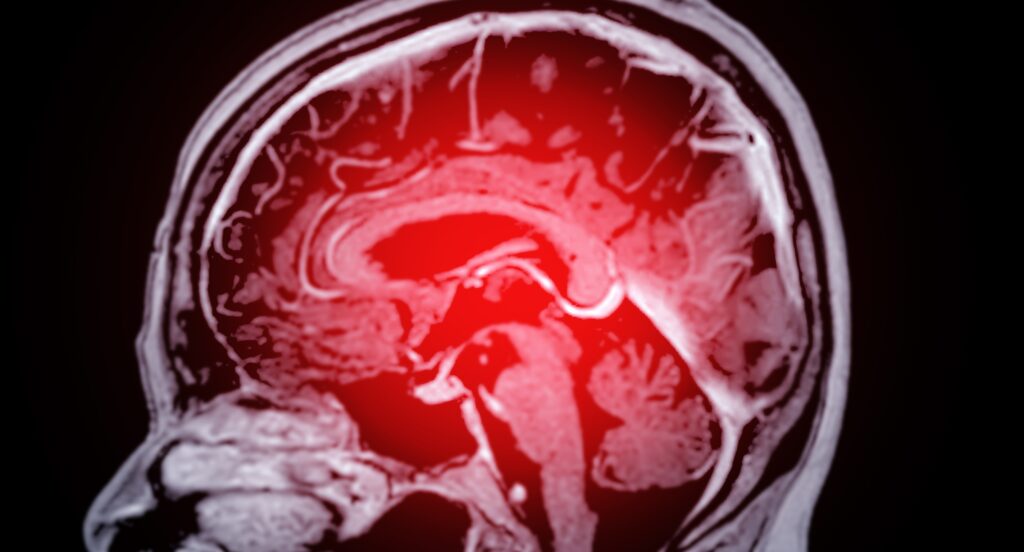
The human brain is protected by the blood-brain barrier , a sophisticated filtration system designed to block pathogens and harmful chemicals from entering the central nervous system.
So how are plastic particles getting through?
Researchers believe the smallest fragments , nanoplastics measuring around 100 to 200 nanometers , may be slipping past defenses by binding to fats.
The brain is roughly 60% fat by weight, making it one of the body’s most lipid-rich organs. Campen suggests that nanoplastics may “hijack” fat molecules from food, traveling through the bloodstream and crossing the blood-brain barrier alongside essential fatty acids.
Unlike larger microplastics, which may lodge in organs like the liver and kidneys, nanoplastics are small enough to enter individual cells. Once there, they could potentially:
- Disrupt cellular processes
- Trigger oxidative stress and inflammation
- Act as carriers for toxic chemicals
As ecotoxicologist Bethanie Carney Almroth told The Guardian, the blood-brain barrier “is not as protective as we’d like to think.”
The Link to Dementia and Other Health Risks

The same preprint study included 12 brain samples from individuals who had died with dementia, including Alzheimer’s disease. Those samples reportedly contained up to 10 times more plastic by weight than healthy brains.
Researchers stress that this does not prove plastics cause dementia. Correlation is not causation.
However, the finding raises urgent questions.
Animal studies have linked microplastics to:
- Endocrine disruption
- Fertility problems
- Immune system impairment
- Learning and memory deficits
- Increased cancer risk
In humans, emerging epidemiological studies are beginning to show concerning patterns. An Italian study following patients with plaque removed from their carotid arteries found that individuals with microplastics in their plaque were more than twice as likely to suffer a heart attack, stroke, or death over the following 34 months.
Researchers have also detected microplastics in placentas, testicles, semen, bone marrow, knee joints, and blood vessels.
Leonardo Trasande of New York University noted that microplastics may function as delivery systems for toxic chemicals like phthalates and bisphenols , substances already associated with cardiovascular disease and billions in lost productivity annually.
In other words, plastic particles may not act alone. They may carry a cocktail of endocrine-disrupting chemicals into some of our most sensitive tissues.
The Everyday Habits Driving Exposure

Experts consistently point to one dominant exposure route: diet.
Microplastics and nanoplastics are present in food, water, and even the air we breathe. But certain daily habits significantly increase exposure.
- Heating food in plastic: When plastic containers are microwaved or heated, the movement of microplastic particles into food accelerates. Taking food out of plastic wrapping before cooking can reduce this transfer.
- Drinking bottled water: A March 2024 study found that one liter of bottled water contained an average of 240,000 plastic particles , about 90% of them nanoplastics.
- Using plastic storage containers: Frequent use of plastic containers for storing hot or acidic foods increases the likelihood of particle shedding.
- Inhaling plastic dust: Microplastics are also airborne. Tire abrasion on highways releases particles into the air. Ocean waves kick plastic fragments into coastal atmospheres. Indoor dust , especially in homes filled with synthetic textiles and furnishings , can contain significant plastic content.
- Heavy reliance on convenience culture: Takeout packaging, plastic utensils, grocery bags, dry-cleaning covers, cling film , modern convenience relies heavily on disposable plastics. As one opinion writer noted, we often continue consuming plastic while waiting for science to catch up.
While the U.S. Food and Drug Administration states that current evidence does not demonstrate that levels detected in foods pose a proven health risk, researchers argue that the absence of definitive proof is not the same as proof of safety.
Who’s Responsible for the Plastic Problem?
The American Chemistry Council has emphasized the need for validated research methods and improved measurement tools before drawing conclusions about health risks.
Meanwhile, the Environmental Protection Agency is working to develop standardized guidelines for measuring microplastics and has been funding research since 2018.
At the global level, the United Nations Environment Assembly has begun negotiations toward a treaty aimed at ending plastic pollution.
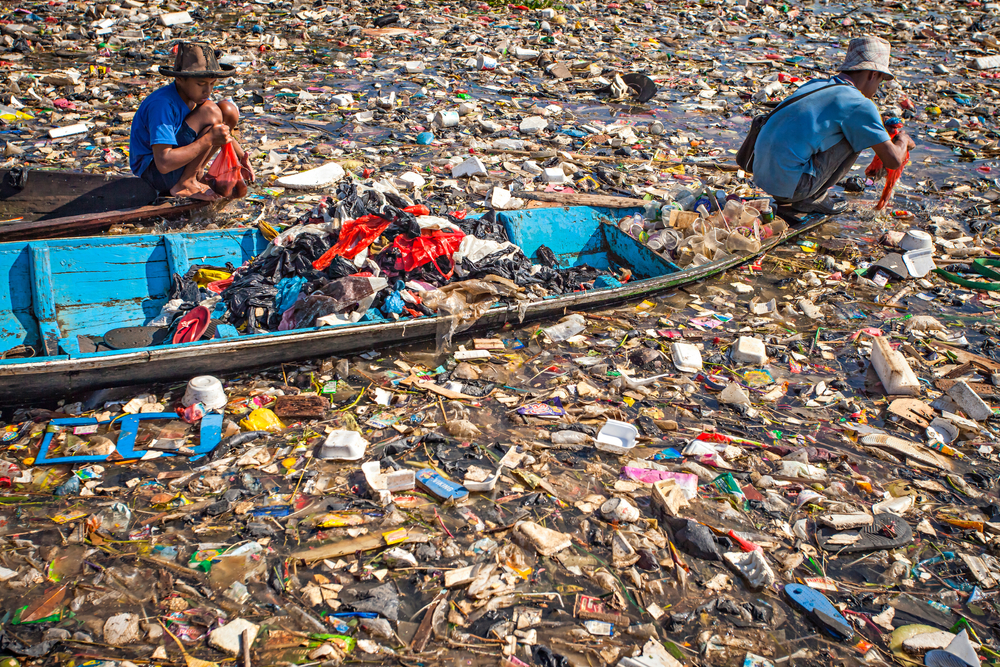
Some researchers argue that reducing global plastic production is critical. Plastic manufacturing reached approximately 130 billion pounds in the United States in 2023, driven largely by petrochemical expansion.
Critics say regulatory systems often target individual chemicals rather than addressing plastics as a broader class of materials , a strategy some scientists have likened to “whack-a-mole.”
The debate continues: How much evidence is enough to justify action? And who bears responsibility , consumers, corporations, or governments?
What You Can Do Right Now

Experts acknowledge that living entirely plastic-free in 2024 is impossible. Smartphones, computers, medical devices and infrastructure all rely on plastics.
But exposure reduction is possible.
Here are practical steps supported by researchers:
- Switch to glass or stainless steel for food storage and drinking containers.
- Avoid microwaving plastic, even if labeled microwave-safe.
- Choose tap water over bottled water when safe to do so.
- Bring reusable bags and utensils to reduce single-use plastic contact.
- Reduce indoor dust by vacuuming with HEPA filters and wet-mopping floors.
Small actions may not solve global plastic production, but they can reduce personal exposure.
A Growing Presence We Can’t Ignore
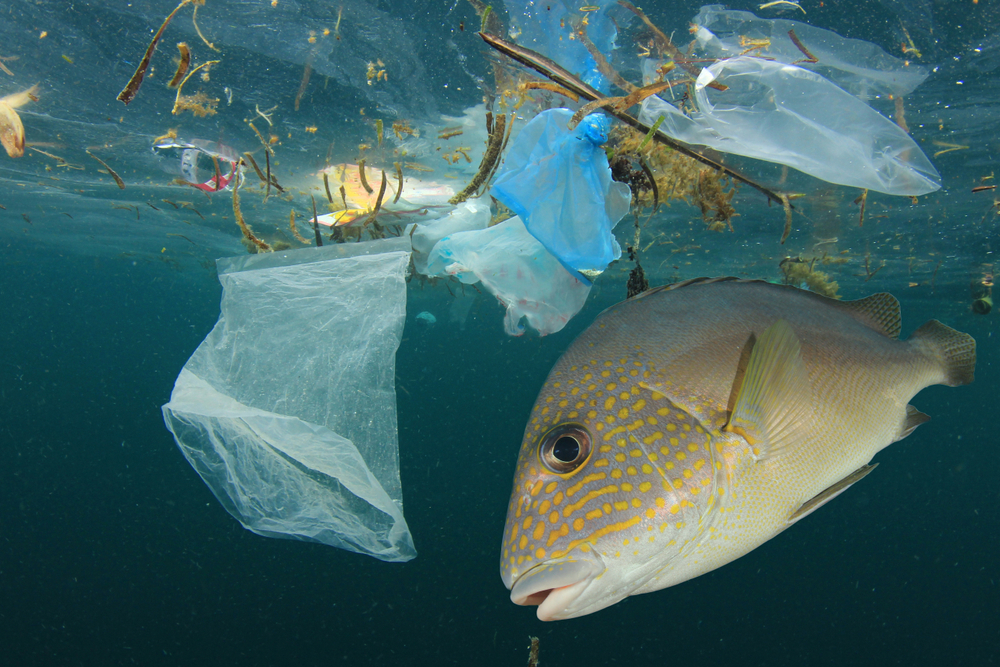
“There’s nowhere left untouched,” Almroth told The Guardian , from the deep sea to the atmosphere to the human brain.
The science is still evolving. We do not yet know the full health implications of plastic accumulation in brain tissue. But we do know this: concentrations are rising. The trend appears consistent with increasing environmental pollution.
History offers lessons. Tobacco, asbestos, and leaded gasoline were all once considered manageable risks, until mounting evidence revealed deeper harm.
Plastic has revolutionized modern life. It has preserved food, enabled medical advances, and made countless technologies possible. But convenience has consequences.
The discovery of microplastics in our brains does not demand panic. It demands attention.
If our bodies are becoming storage sites for the byproducts of our convenience culture, the question is not simply what plastic is doing to us.
It is what we are willing to do about plastic.
Image Featured Source: Shutterstock