

Mindful Toddler Screen Time The Best Low Stimulation Shows
Finding the right shows for toddlers can feel overwhelming for many parents who want screen time to be gentle, thoughtful, and developmentally supportive. With so many fast paced and visually intense programs available today, it is easy for little ones to become overstimulated without parents realizing it is happening. Fortunately, several shows prioritize calm storytelling and mindful pacing. These programs are intentionally designed to support emotional regulation, imagination, and focus.
Parents today are becoming increasingly aware of how fast moving content can influence mood, attention span, and behavior. Toddlers in particular are still developing the ability to process sensory input, so shows that move too quickly or rely heavily on bright flashes can unintentionally create stress rather than comfort. By choosing programs with slower pacing and soothing visuals, families can create a calmer screen time environment that aligns better with early childhood development.
Another important consideration is the emotional tone of the content toddlers consume. Shows that model kindness, patience, and positive communication help young children understand their own feelings and interactions with others. Gentle programs encourage toddlers to engage with the world around them in a thoughtful way, turning screen time into an opportunity for connection and learning rather than passive consumption. These choices support not only entertainment but also the long term well being of young viewers.
This article highlights five standout shows that foster engagement without the sensory overload that parents often worry about. Each section explores why the show works, the style of storytelling it uses, and how it can support a healthier relationship with screens. If you are looking for gentle programming that respects the developmental needs of toddlers, these carefully selected options offer a thoughtful place to begin.
1. Bluey
Bluey has earned widespread appreciation among parents and early childhood experts for its calm, imaginative storytelling. While it features playful adventures, the tone remains warm and grounded, creating a soothing experience for toddlers who can easily become overwhelmed by loud noises or relentless motion. According to Parents Magazine, Bluey strikes a balance between engagement and emotional relatability, making it a standout choice for mindful screen time. Parents often praise its ability to capture a child’s attention with meaningful narratives rather than visual stimulation.
One of the reasons Bluey supports healthy viewing habits is its focus on family centered experiences. Rather than relying on exaggerated sound effects or hyperactive sequences, the show highlights problem solving, cooperation, and emotional learning. Treehouse Schoolhouse notes that shows like Bluey encourage children to observe relational cues and mimic gentle social behaviors. For toddlers who are developing empathy, patience, and self expression, this slower pace can be profoundly beneficial.
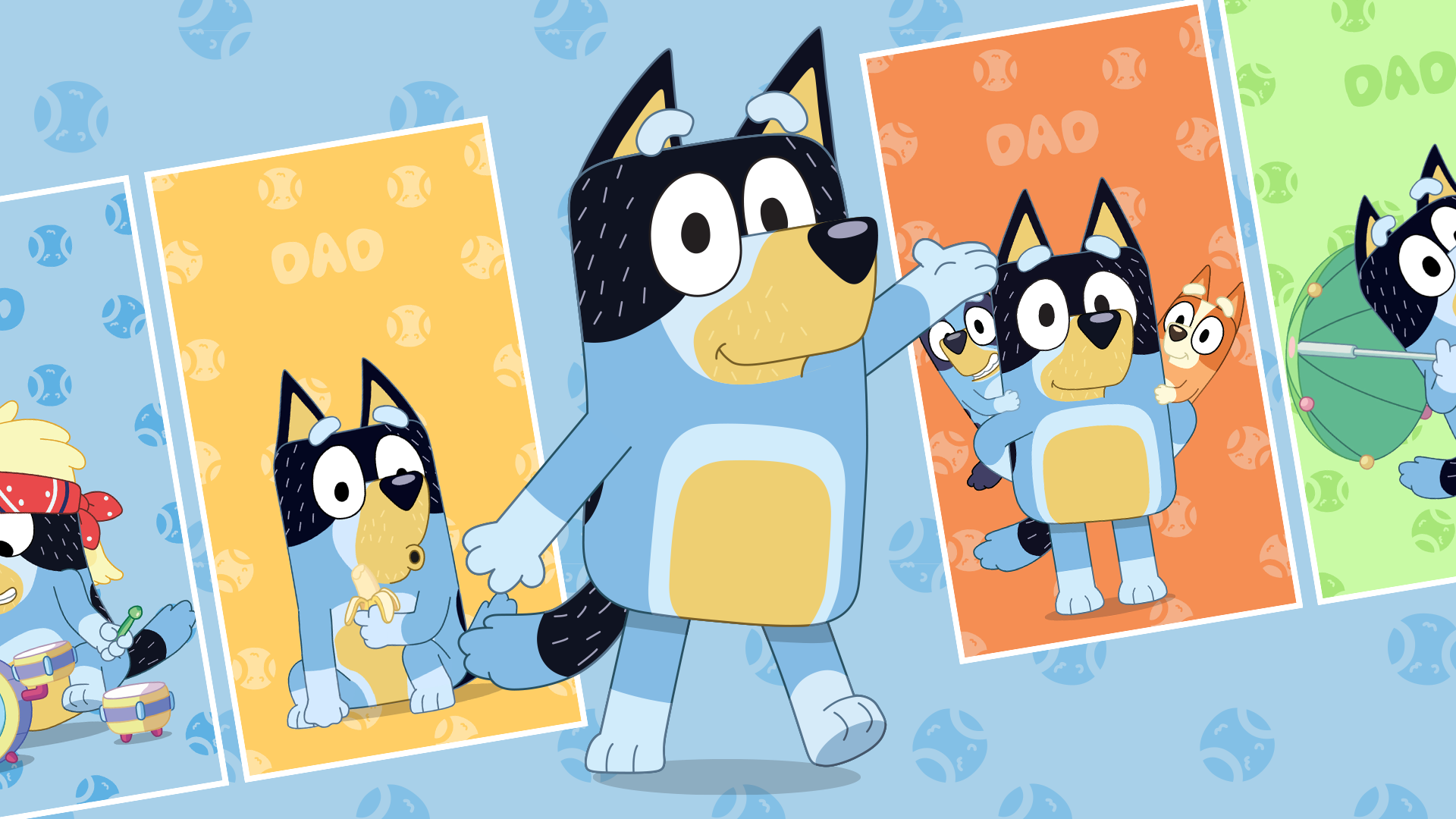
The show’s visual palette also contributes to a low stimulation viewing experience. The colors are soft, the scenes are uncluttered, and the transitions are smooth. This helps toddlers follow the storyline without feeling overwhelmed. Gentle animation like this supports healthy cognitive pacing, giving children space to process what they see. A show that reduces cognitive load allows toddlers to feel calm and grounded while still learning from story driven themes.
Parents often report that Bluey inspires imaginative play long after the episode ends. This speaks to the show’s ability to activate curiosity without relying on high stimulus techniques. When a program encourages a toddler to move away from the screen and engage with the real world, it shows the program is doing something right. Bluey’s mindful pacing and emotional depth create an enriching environment that supports healthy development.
2. Daniel Tiger’s Neighborhood
Daniel Tiger’s Neighborhood is a gentle animated series inspired by the legacy of Mister Rogers, and it has maintained that tradition of calm, slow paced children’s programming. According to Parents Magazine, its soothing songs, patient dialogue, and relatable storylines make it especially appropriate for toddlers who benefit from predictable rhythms and simple narratives. The show prioritizes emotional regulation, which is a key developmental area for young children.
One of the most helpful qualities of Daniel Tiger’s Neighborhood is its structured approach to teaching emotional and social skills. Go Minno explains that shows with clear patterns and repeated themes help toddlers build neural pathways that support self control and emotional awareness. The program uses short musical strategies to help children practice skills such as patience, sharing, and expressing feelings. These repeated cues offer toddlers helpful tools that they can actually use outside screen time.
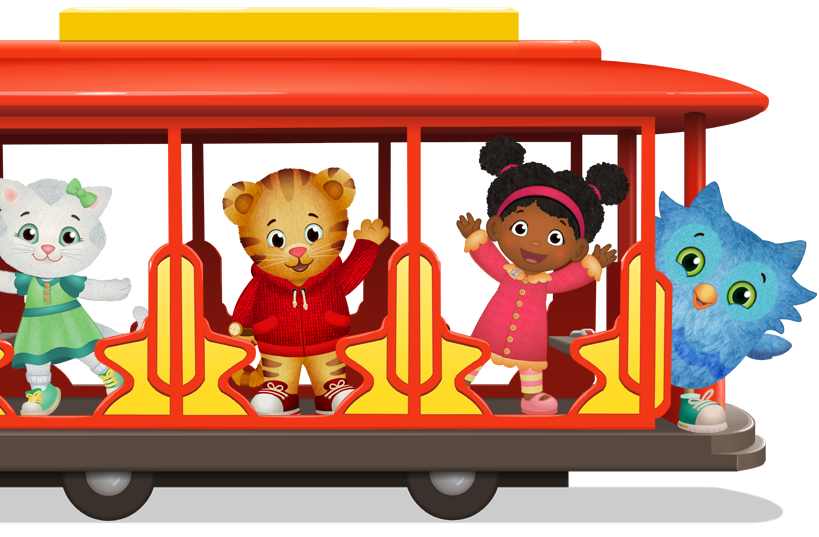
The pacing of the show is consistently gentle. Scenes are not cluttered or excessively colorful, and characters speak with warmth and clarity. This quieter format prevents sensory overload and helps toddlers stay present with the storyline rather than becoming overwhelmed by audio or visual distractions. Treehouse Schoolhouse highlights that gentle shows with clear pacing often encourage longer attention spans, giving children time to understand and reflect on what they are watching.
Parents appreciate Daniel Tiger’s Neighborhood because it provides practical teachable moments that feel natural rather than forced. Whether a character is learning to cope with frustration or exploring a new environment, toddlers are offered reassuring guidance. This blend of comfort and education is what makes Daniel Tiger’s Neighborhood a meaningful choice for families who want screen time that nurtures both learning and emotional growth.
3. Puffin Rock
Puffin Rock has become a beloved option for parents seeking calm, nature based storytelling. The show follows a young puffin named Oona who explores her island home with curiosity and kindness. Puffin Rock as deeply soothing thanks to its gentle narration and nature centered visuals. The emphasis on environmental exploration naturally slows the pace, creating a serene viewing atmosphere.
One of the most notable strengths of Puffin Rock is its simple visual design. The colors are soft, the movements are minimal, and the soundtrack is calming. This combination reduces sensory stimulation without sacrificing curiosity or wonder. Nature themed shows often help ground young viewers in a sense of calm, teaching them to observe rather than react. This observational style encourages toddlers to think, wonder, and imagine.
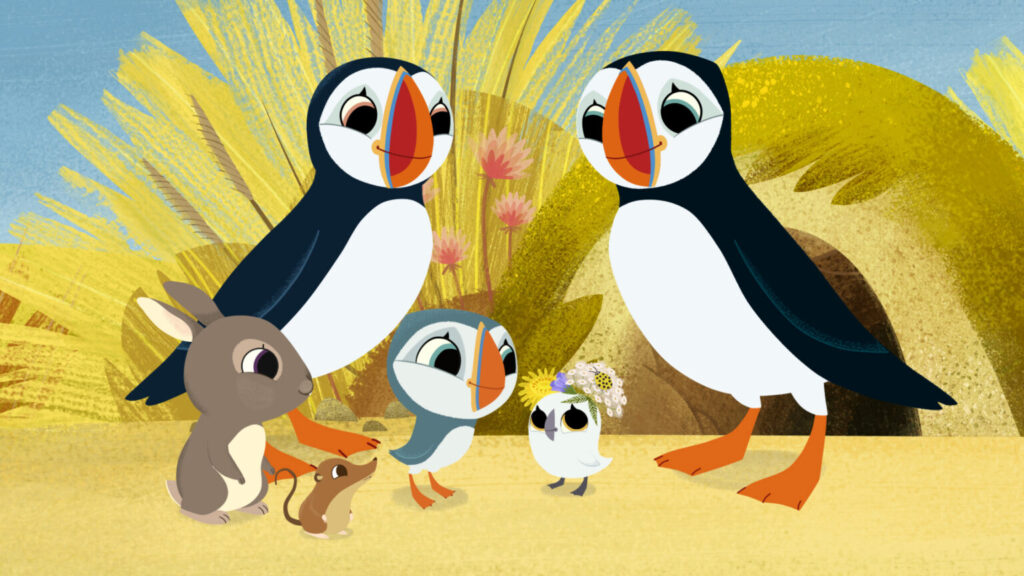
The storytelling is quiet and purposeful. Each episode focuses on small moments in the natural world, such as watching the tide come in or caring for a small creature. According to Go Minno, this type of mindful storytelling supports early childhood development by teaching focus and patience. Toddlers learn to slow down and notice small details. Shows like Puffin Rock provide a counter balance to the fast paced and overstimulating media that dominates children’s programming.
Parents also appreciate the emotional tone of Puffin Rock. The characters are gentle, supportive, and never loud or chaotic. The themes often center on friendship, curiosity, and problem solving in a calm environment. This allows toddlers to immerse themselves in a world that feels warm and safe. Puffin Rock offers a peaceful viewing experience that nurtures early learning and a sense of emotional stability.
4. Stella and Sam
Stella and Sam is a charming series celebrated for its imaginative, slow paced storytelling that follows siblings exploring the world together. Parents Magazine highlights this show as a gentle alternative to highly animated programs, noting that its narrative style encourages creativity while keeping sensory stimulation low. The natural dialogue between Stella and her younger brother Sam helps toddlers connect with the characters on an emotional and developmental level.
The visual style of Stella and Sam is simple and artistically minimalistic. It avoids rapid scene changes and relies on calm transitions that help toddlers digest what they are watching. Simplicity in visual design is one of the key attributes of low stimulation shows. This allows children to focus on characters, relationships, and the unfolding story without confusion or overwhelm.

One reason the series resonates with families is its emphasis on imagination. Each episode highlights the value of pretend play, creative problem solving, and gentle curiosity. Programs that mirror real childhood experiences support cognitive development by encouraging toddlers to replicate similar activities in their own play. Stella and Sam demonstrates that exploration does not require noise or chaos to be engaging.
The tone of the show also supports emotional development. Stella’s patient guidance and Sam’s wonder filled questions create an environment that encourages self expression. Parents appreciate that the show models respectful communication and problem solving, providing real world examples toddlers can learn from. Stella and Sam offers a peaceful, nurturing viewing experience that aligns with the principles of mindful screen time.
5. Little Bear
Little Bear is a timeless series known for its slow pacing, warm storytelling, and gentle themes. Little Bear as one of the most effective shows for creating a calm viewing environment. The quiet atmosphere and hand drawn style help toddlers remain engaged without feeling overstimulated. Its narrative structure offers clear, simple episodes that toddlers can easily follow.
One of Little Bear’s greatest strengths is its focus on imaginative yet grounded adventures. The show presents realistic interactions between characters, which allows toddlers to develop social awareness in a safe and steady format. Treehouse Schoolhouse points out that shows with predictable patterns and calm tones help toddlers feel secure during viewing. With Little Bear, viewers are guided through gentle stories that emphasize friendship, exploration, and kindness.
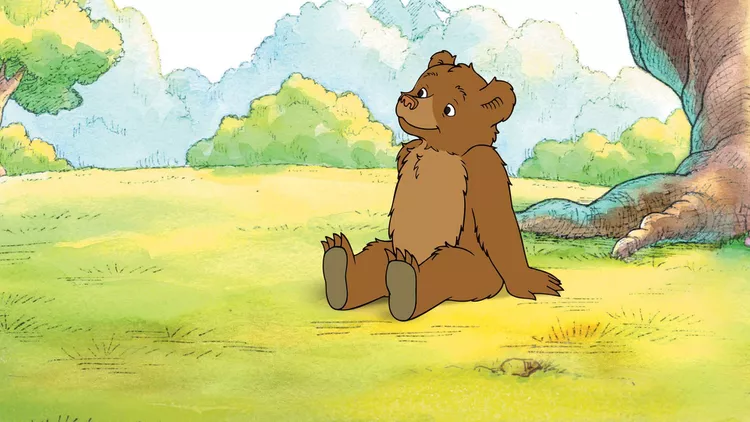
The animation style is intentionally simple. The lines are soft, the colors are muted, and the visual flow moves at an unhurried pace. This reduces visual strain and helps toddlers ease into the experience. When screen time is calm and low stimulation, children are more likely to retain what they learn. Little Bear’s subtle humor and quiet charm help toddlers absorb lessons naturally.
Parents often return to Little Bear because it evokes a comforting sense of nostalgia while still feeling relevant to modern families. The themes are timeless and the tone is consistently gentle. This reliability makes the show an excellent tool for creating a peaceful environment during screen time. Little Bear continues to be a trusted option for parents who want to protect their toddlers from overwhelming media.
Building Healthy Screen Time Habits for Toddlers
Choosing shows that balance engagement with calm storytelling is essential for supporting a toddler’s emotional and cognitive development. Programs like Bluey, Daniel Tiger’s Neighborhood, Puffin Rock, Stella and Sam, and Little Bear offer a refreshing alternative to high energy content that can overstimulate young learners. According to Parents Magazine, Treehouse Schoolhouse, and Go Minno, these shows promote emotional regulation, imagination, and attentive listening, all while keeping sensory input at manageable levels.
Parents who intentionally select gentle programming help create a healthier relationship between their toddlers and screen time. These shows support learning and well being through thoughtful pacing, simple visuals, and meaningful themes. With mindful choices, screen time can become an opportunity for reflection, connection, and growth.
Another important point for parents to consider is consistency. Toddlers respond well when screen time becomes a predictable and balanced part of their daily routine rather than a random filler activity. When calm shows are paired with intentional viewing habits such as co watching, discussing simple ideas, or connecting episodes to real life experiences, children gain even more from what they watch. This kind of mindful engagement helps reinforce positive behaviors and deepens the emotional benefits of gentle media, turning screen time into a shared learning moment rather than a passive distraction.
Featured Image Credit: Photo By Miljan Zivkovic | Shutterstock