

She Opened Google Maps and Found a Memory She Never Thought She’d See Again
Some memories fade with time, while others find unexpected ways to stay with us. For one woman, an ordinary search on Google Maps uncovered a moment she never imagined had been quietly preserved, offering a powerful reminder that love and friendship can linger in places we least expect.
Emily Watlington wasn’t looking for a keepsake when she came across an old Google Maps Street View image. Instead, she found herself face to face with a joyful snapshot of her dancing with a close friend who passed away the previous year. What began as a private moment of remembrance soon touched millions of people around the world, many of whom recognized something deeply familiar in her story.
Une simple recherche sur Google Maps a conduit Emily Watlington à une découverte émouvante : une ancienne image Street View la montrant en train de danser avec une amie proche, décédée l’année précédente. La scène, capturée à Cambridge (Massachusetts), fige un moment de joie do… pic.twitter.com/WizzfzhjWC
— Demotivateur (@Demotivateur) July 8, 2026
A Simple Discovery That Captured Hearts Around the World
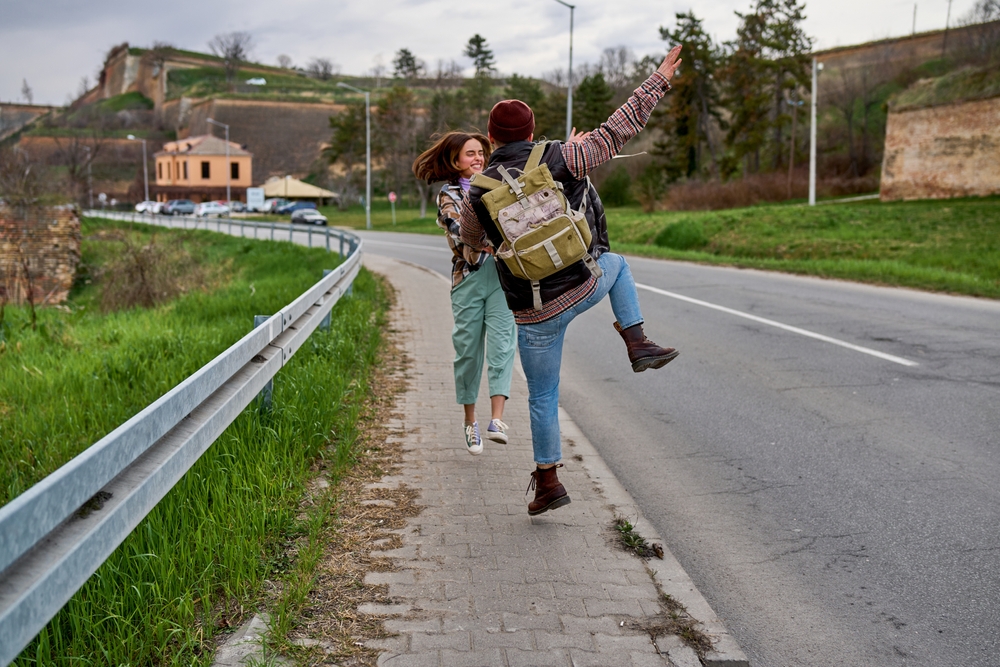
Emily shared the image on X with a heartfelt message that immediately resonated with thousands of people. “I lost a close friend last year and I miss him badly but we are dancing together forever on Google Maps,” she wrote. Alongside her words was the Street View image showing the pair caught in what looked like a carefree dance, frozen in time by a passing Google camera.
The post quickly spread across social media, attracting more than one million views and tens of thousands of likes. People weren’t simply reacting to the unusual discovery. They were responding to the emotion behind it. In a world where most online content disappears almost as quickly as it appears, this image represented something lasting. It became a reminder that even ordinary technology can preserve extraordinary moments.
Many readers offered their condolences while sharing stories of their own. Some revealed they had found deceased relatives captured in Street View photographs, while others recalled discovering familiar faces in old online images years after they had passed away. What started as one woman’s personal memory became a collective conversation about grief, remembrance, and the unexpected places where we continue to find those we love.
There was something quietly comforting about the image itself. It wasn’t carefully staged or professionally photographed. It captured a spontaneous moment between two friends enjoying each other’s company. That authenticity may be why so many people connected with it. The photograph reflected life exactly as it had unfolded, untouched by the awareness that it would one day carry such profound meaning.
When Technology Quietly Becomes Part of Our Memories
Most people think of Google Maps as a practical tool that helps us find directions, explore unfamiliar neighborhoods, or revisit places we’ve traveled. Yet Street View has gradually become something far more personal. Every image collected by its cameras documents a small slice of everyday life, preserving ordinary moments that no one realizes might become significant years later.
For families who have lost loved ones, these accidental photographs sometimes become treasured reminders of lives once lived. A familiar face walking down a street, someone tending a front garden, or friends laughing outside a favorite café can suddenly carry immense emotional weight. They are moments that were never intended to become keepsakes, yet they survive because technology happened to be recording the world at exactly the right time.
Unlike photographs we intentionally take, Street View images possess a unique honesty. They capture life without preparation or performance. People are simply existing within their daily routines, unaware that a passing camera may preserve that instant for years to come. That spontaneity often makes these images feel especially authentic, reflecting people exactly as they were rather than how they wished to be remembered.
Emily’s discovery illustrates how digital technology has quietly changed the way memories endure. While we often associate smartphones and social media with constant updates and fleeting trends, they also create unexpected archives of our lives. Sometimes those archives offer comfort long after we need it most, allowing us to revisit moments that might otherwise have disappeared forever.
Grief Often Finds Comfort in the Smallest Details
Losing someone rarely means losing the memories you shared with them. Instead, those memories begin to surface in unexpected ways. A familiar song playing in a grocery store, the scent of a favorite meal, or an old message tucked away on a forgotten device can instantly transport someone back to a moment they thought had slipped away. Emily’s discovery became another example of how healing sometimes arrives without warning.
What made her story so moving was its simplicity. There was no grand gesture or carefully planned tribute. A routine visit to Google Maps revealed an ordinary afternoon with a dear friend, preserved exactly as it happened. The image offered no dramatic explanation or emotional soundtrack. It simply showed two people enjoying each other’s company, reminding viewers that the most meaningful memories are often the ones we never realize we’re creating.
Psychologists have long recognized that maintaining an emotional connection with loved ones after they die is a natural part of grieving. Rather than “moving on” by letting go completely, many people continue a healthy bond through memories, photographs, traditions, and shared experiences. These continuing connections often provide comfort instead of preventing healing, allowing love to remain present even after loss.
For Emily, that single Street View image may have become one of those connections. It represents more than a photograph. It captures movement, laughter, friendship, and a moment untouched by the sadness that would come later. Looking at it today doesn’t erase grief, but it reminds her that before there was loss, there was joy. Sometimes remembering that joy becomes one of the greatest gifts we can receive.

Thousands Realized They Weren’t Alone
As Emily’s post spread across social media, the replies transformed it into something much larger than one person’s experience. People from different countries began sharing stories of discovering their own loved ones in archived Street View images. Some found grandparents standing outside homes that had since been sold. Others spotted parents gardening, waving from driveways, or sitting on front porches years before they passed away.
Several people admitted they had never considered searching Google Maps for these kinds of memories until they saw Emily’s story. Curiosity led them to revisit old neighborhoods, childhood homes, and familiar streets. For some, there was disappointment when nothing appeared. For others, there were quiet moments of surprise as forgotten snapshots resurfaced from the digital archive. Each discovery carried its own emotional weight because every family experiences loss differently.
The conversation also revealed something universal about grief. While every person’s journey is unique, the desire to reconnect with someone we’ve lost is shared by nearly everyone. Whether through old voicemails, handwritten letters, family videos, or accidental photographs captured online, people continue searching for pieces of those relationships that still remain. These reminders do not replace the people we miss, but they can help keep their presence alive in meaningful ways.
Emily’s experience resonated because it reflected a truth many people already understood. Love doesn’t disappear simply because someone is no longer physically present. It continues through stories we tell, traditions we keep, places we revisit, and moments that unexpectedly find us. Sometimes those moments arrive through family photo albums. Other times, they appear while scrolling through a digital map that was never intended to preserve something so deeply personal.

The Digital Footprints We Leave Behind
Every generation has found different ways to preserve memories. Letters were tucked into drawers, family photographs filled albums, and home videos captured birthdays and holidays. Today, our lives also exist in digital spaces that quietly document where we’ve been and the moments we’ve shared. Often, we don’t think about those records until they unexpectedly become windows into the past.
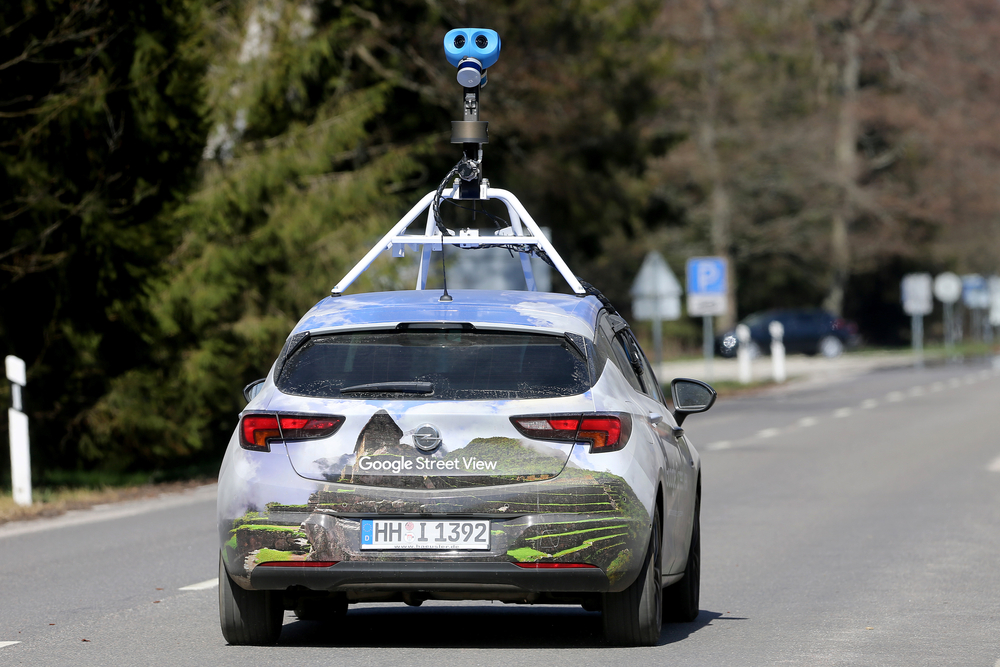
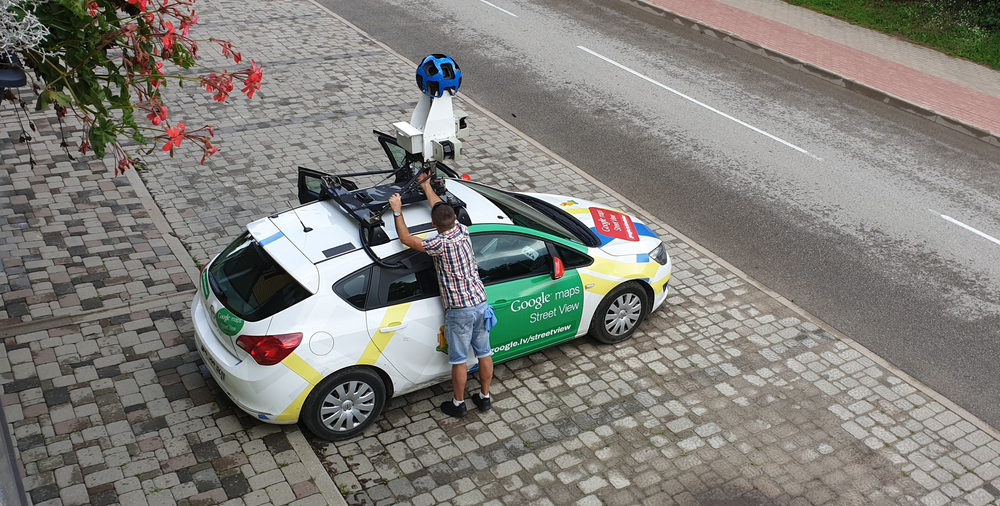
Street View was never designed to serve as a memorial. Its purpose is to help people explore roads and neighborhoods. Yet, because it photographs the world as it is, it occasionally captures something far more meaningful than buildings or street signs. It captures life unfolding naturally. Years later, those ordinary moments can become priceless for the people who recognize the faces in the frame.
As technology continues to evolve, our digital footprints are becoming part of the stories future generations will inherit. Old social media posts, voice messages, videos, and even location-based images now form an archive that previous generations never had. While technology often receives criticism for pulling people away from real-life relationships, stories like Emily’s reveal another side. It can also preserve fragments of those relationships long after the moments themselves have passed.
The value of these digital memories does not lie in the technology itself. It lies in the emotions they awaken. A single image can recall a person’s laugh, the sound of their voice, or the feeling of standing beside them. Those memories remind us that relationships are built through countless ordinary moments, many of which seem insignificant until they become all we have left to revisit.
Love Has a Way of Remaining Present
Emily never expected a routine visit to Google Maps to reconnect her with someone she missed so deeply. Yet one unnoticed photograph offered a lasting reminder of a friendship filled with happiness rather than sorrow. The image cannot change the reality of loss, but it preserves a moment that grief cannot erase.
Perhaps that is why her story resonated with so many people. It wasn’t simply about finding an old photograph. It was about recognizing that the people who shape our lives continue to influence us through the memories they leave behind. Sometimes those memories arrive through family traditions or conversations. Sometimes they appear on a computer screen when we least expect them.
There is a quiet comfort in knowing that not every meaningful moment disappears with time. Some remain hidden in unexpected places, waiting patiently until the day we stumble across them again. They remind us that while life moves forward, the love we shared continues to exist in the stories we tell, the places we revisit, and the moments that remain beautifully untouched by time.

Emily’s discovery is more than a viral social media post. It is a gentle reminder to treasure the ordinary moments happening today, because we never know which of them will one day become the memory we return to with gratitude. In the end, it is often the simplest moments that stay with us the longest.