


Sleeping in a Cooler Room May Be the Easiest Way to Boost Metabolism and Longevity
Sleeping in a cool room has long been associated with deeper rest and better comfort. Many people instinctively lower the thermostat at night because it simply feels easier to fall asleep under a blanket in a cooler environment. This preference is often based on personal experience rather than scientific reasoning. What was once considered a simple comfort choice is now gaining serious scientific attention for its potential health benefits.
Recent studies and expert insights suggest that sleeping in a cold room may actively support fat burning, improve metabolic health, and even slow certain processes linked to aging. Scientists have found that the body responds differently to temperature changes during rest than it does while awake. Researchers are discovering that nighttime temperature plays a surprisingly powerful role in how the body repairs itself during sleep.
As interest grows in simple lifestyle habits that improve long term health, cold room sleeping is being described as a low effort but high impact practice. It does not require supplements, strict diets, or intense workouts to see potential benefits. Instead, it relies on working with the body natural biological responses that have evolved over thousands of years.
This article explores what science says about sleeping in a cold room, how it influences fat loss and longevity, and what practical steps people can take to safely benefit from this nighttime habit. It also looks at common misconceptions and mistakes that may prevent people from experiencing these benefits fully.
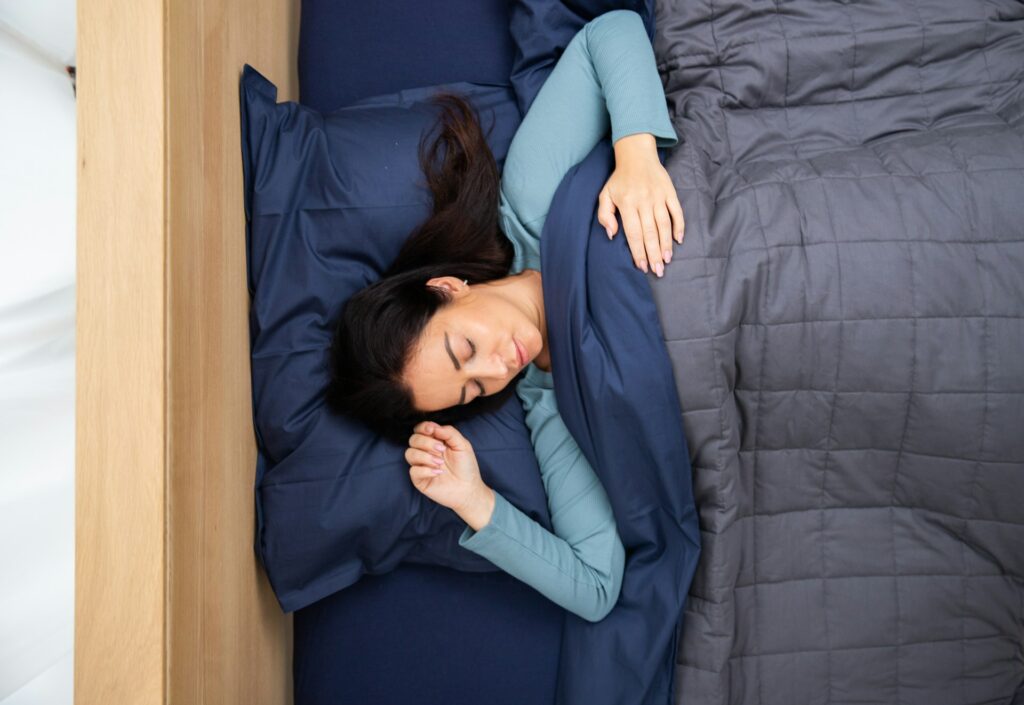
Why Temperature Matters More Than We Think During Sleep
Sleep is not a passive state. While the body appears still, complex biological processes are constantly at work behind the scenes. Hormone regulation, cellular repair, memory consolidation, and metabolic balancing all depend heavily on the quality of sleep achieved each night. Even small disruptions can interfere with these essential processes.
One of the key signals the body uses to initiate sleep is a drop in core temperature. As evening approaches, the brain releases melatonin, which helps lower body temperature and prepare the body for rest. A cooler environment supports this natural process rather than working against it. Warm rooms can delay this signal and make falling asleep more difficult.
Studies explain that when room temperature aligns with the body cooling process, people tend to fall asleep faster and experience fewer nighttime awakenings. Reduced interruptions allow sleep cycles to progress naturally. This allows the body to remain in deeper stages of sleep for longer periods, where repair and restoration occur.
Over time, consistently achieving deeper sleep stages has been associated with improved metabolic efficiency, stronger immune function, and slower biological aging. Poor temperature control, on the other hand, may contribute to chronic sleep deprivation. Temperature, though often overlooked, plays a foundational role in making high quality sleep possible.
How Cold Sleeping Activates Fat Burning Mechanisms
One of the most intriguing findings surrounding cold room sleep involves brown fat, a type of fat tissue that burns calories to generate heat. Unlike white fat, which stores excess energy, brown fat actively uses energy to maintain body temperature. This process increases overall calorie expenditure even during rest.
Research highlights that exposure to cooler temperatures during sleep can stimulate brown fat activity. When the body senses cold, it works harder to maintain internal warmth throughout the night. This increased energy demand can gently raise metabolic rate without physical exertion.
Over time, this nightly metabolic boost may contribute to improved insulin sensitivity and better blood sugar regulation. These effects are especially important for people concerned about weight gain or metabolic health. Stable blood sugar levels also support more consistent energy levels during the day.
Importantly, cold sleeping does not replace healthy eating or physical activity. It should be viewed as a supportive habit rather than a primary weight loss strategy. However, it may enhance the effectiveness of those habits by allowing the body to burn energy more efficiently during its most restorative hours.

The Connection Between Cold Sleep and Slower Aging
Aging is influenced by many factors, including inflammation, hormonal balance, and cellular damage. Quality sleep plays a critical role in regulating all three of these elements. Poor sleep accelerates aging at the cellular level, while restorative sleep supports longevity and resilience.
Sleeping in a cold room may slow aging by improving sleep depth and duration. Cooler sleep environments are linked to increased production of melatonin, a hormone with powerful antioxidant properties. This hormone is most active during dark and cool conditions.
Melatonin helps protect cells from oxidative stress, which is a major contributor to aging and chronic disease. Higher melatonin levels during sleep allow the body to repair damaged cells more effectively. This repair process supports healthier tissues and organs over time.
Over years, this enhanced repair process may translate into better skin health, improved cognitive function, and reduced risk of age related conditions. While cold sleep is not a cure for aging, it may help slow its progression in meaningful and sustainable ways.

Ideal Sleeping Temperatures and Common Mistakes
Experts generally suggest that the ideal sleeping temperature for most adults falls between 60 and 68° F. This range supports the natural drop in core body temperature that occurs during sleep. Individual preferences may vary slightly, but this range works well for most people.
However, many people make the mistake of overcooling their bedrooms. Extremely cold environments can cause discomfort, frequent awakenings, or muscle tension. Instead of promoting rest, excessive cold may disrupt sleep and reduce overall sleep quality.
Another common issue is relying on heavy blankets without adjusting room temperature. While blankets provide warmth, they can trap heat and lead to overheating during the night. This can counteract the benefits of a cooler environment.
The key is balance. A comfortably cool room combined with breathable bedding allows the body to self regulate temperature throughout the night. This balance maximizes both comfort and health benefits without causing unnecessary stress on the body.
How to Safely Incorporate Cold Room Sleeping Into Your Routine
Transitioning to a cooler sleep environment does not need to be abrupt. Gradually lowering the thermostat by one or two degrees over several nights allows the body to adapt comfortably. Sudden temperature changes may feel unpleasant and discourage consistency.
Wearing breathable sleepwear made from natural fabrics can help prevent overheating while still providing warmth. Cotton and bamboo materials are popular choices for temperature regulation. Layered bedding also allows easy adjustments during the night.
People with medical conditions such as circulation issues or thyroid disorders should consult a healthcare professional before making significant temperature changes. Cold sensitivity varies greatly from person to person. Personal comfort and safety should always come first.
Ultimately, cold room sleeping works best when paired with consistent sleep schedules, limited screen exposure before bed, and a calming nighttime routine. Together, these habits create an environment where the body can rest, recover, and thrive night after night.

A Simple Habit With Powerful Long Term Benefits
In a world filled with complex wellness trends, sleeping in a cold room stands out for its simplicity. It does not require expensive equipment or drastic lifestyle changes. Instead, it encourages alignment with the body natural rhythms that already exist.
The growing body of research suggests that this small adjustment may support fat burning, metabolic health, and slower aging when practiced consistently. Results may vary, but the potential benefits are supported by credible scientific findings. Consistency appears to be more important than perfection.
As scientists continue to explore the relationship between sleep and longevity, temperature is emerging as a key factor that deserves more attention. Sleep quality influences nearly every system in the body. What feels comfortable may also be what helps the body function at its best.
For many people, the path to better health may begin with something as simple as turning the thermostat down before bed. Over time, this small habit may contribute to improved well being, better sleep, and long term health resilience.
Featured Image Credit: Photo by Gorodenkoff | Shutterstock