

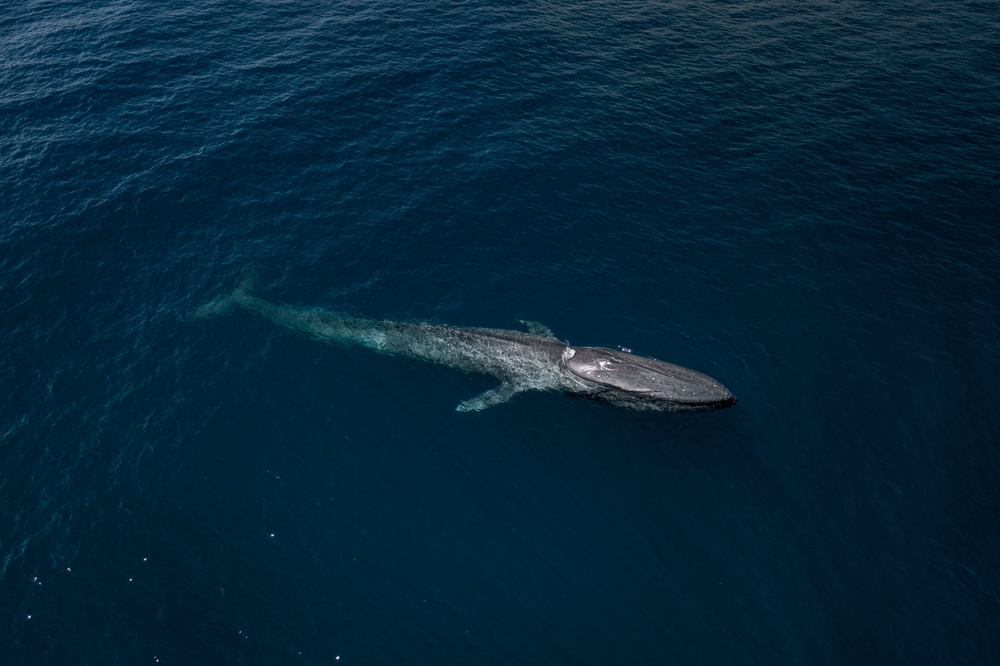
For a long time, humans have relied on simple mental shortcuts to make sense of the natural world. Bigger animals must be more complex. Smarter species must need more genetic instructions. And surely, organisms that dominate the planet must carry the most DNA.
Then there is the lungfish.
Hidden in muddy freshwater systems in South America lives a strange, ancient-looking animal that quietly overturns many of our assumptions about biology. The South American lungfish, an eel-like fish capable of breathing both underwater and in open air, has now been confirmed to possess the largest genome ever sequenced in the animal kingdom. Its DNA is roughly 30 times longer than that of a human.
This discovery is not just a quirky fact meant to spark amazement on social media. It opens a window into deep evolutionary time, challenges long-held beliefs about genetic efficiency, and raises important questions about resilience, adaptation, and survival on a rapidly changing planet.
The Genome That Shocked Geneticists
When researchers finished sequencing the genome of the South American lungfish, the numbers were almost difficult to believe. The animal carries approximately 90 to 91 billion base pairs of DNA. Humans, by comparison, have just under 3 billion.
At first glance, this might suggest that the lungfish is biologically more complex than humans. But complexity in biology does not work that way. Despite its enormous genome, the lungfish has roughly the same number of protein-coding genes as humans, around 20,000.
This disconnect between genome size and apparent complexity highlights a long-standing puzzle in genetics known as the C-value paradox. Genome size does not scale neatly with intelligence, physical sophistication, or ecological dominance. Some relatively simple organisms have enormous genomes, while others with complex behaviors and structures have surprisingly compact ones.
In the case of the lungfish, the vast majority of its DNA does not code for proteins. Instead, most of it consists of repetitive sequences and mobile genetic elements that have accumulated over hundreds of millions of years.
Jumping Genes and the Architecture of Excess

Much of the lungfish’s genetic bulk comes from transposable elements, often nicknamed jumping genes. These are pieces of DNA that can copy themselves and insert those copies elsewhere in the genome.
In most animals, jumping genes are tightly controlled. Specialized molecular systems suppress their activity because unchecked transposons can disrupt essential genes and destabilize the genome. Humans, birds, reptiles, and most fish have effective mechanisms to keep these elements under control.
Lungfish appear to be different.
Researchers found that key regulatory systems that normally silence transposable elements are either weakened or missing in lungfish. As a result, jumping genes have been able to copy themselves repeatedly over vast spans of evolutionary time. This slow but relentless process has inflated the lungfish genome to record-breaking proportions.
Scientists estimate that during the past 100 million years alone, the lungfish genome expanded at an extraordinary pace. Roughly every 10 million years, it added an amount of DNA equivalent to an entire human genome. Even more remarkably, evidence suggests that these jumping genes are still active today.
Despite what sounds like genetic chaos, the lungfish genome remains stable enough to function. This stability has allowed researchers to reconstruct ancient chromosomal arrangements and trace how early vertebrate genomes were organized.
Living Fossils and the Weight of Deep Time
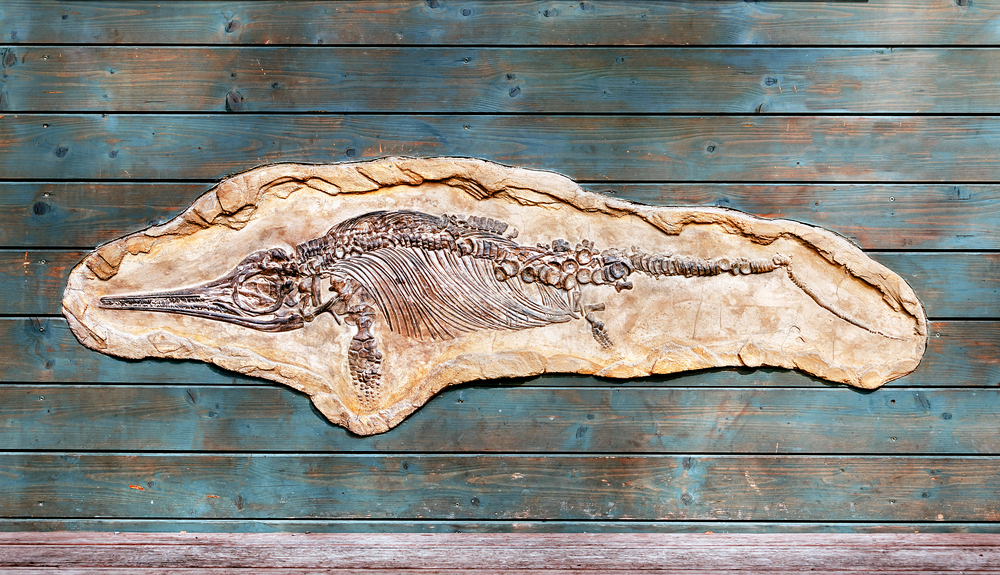
Lungfish are often described as living fossils, a term used for species that closely resemble their ancient ancestors in the fossil record. Fossil evidence shows lungfish-like creatures swimming Earth’s waters during the Devonian period, between roughly 420 and 360 million years ago.
That era represents one of the most transformative chapters in the history of life. During the Devonian, certain lobe-finned fish began exploiting shallow, oxygen-poor waters and seasonal wetlands. Some of them developed stronger fins and primitive lungs, allowing them to survive in environments where other fish could not.
These pioneers eventually gave rise to tetrapods, the four-limbed vertebrates that would go on to dominate land ecosystems. Amphibians, reptiles, birds, and mammals, including humans, all trace their ancestry back to that moment.
Lungfish sit astonishingly close to this evolutionary crossroads. Their anatomy retains features that resemble early tetrapods, including limb-like fins and functional lungs. Studying them offers a rare opportunity to examine traits that helped vertebrates make the leap from water to land.
The lungfish genome adds a surprising twist to this story. Rather than being streamlined or minimal, it suggests that early vertebrate genomes may have been expansive, dynamic, and full of genetic experimentation.
Why Bigger Is Not Always Better, or Worse
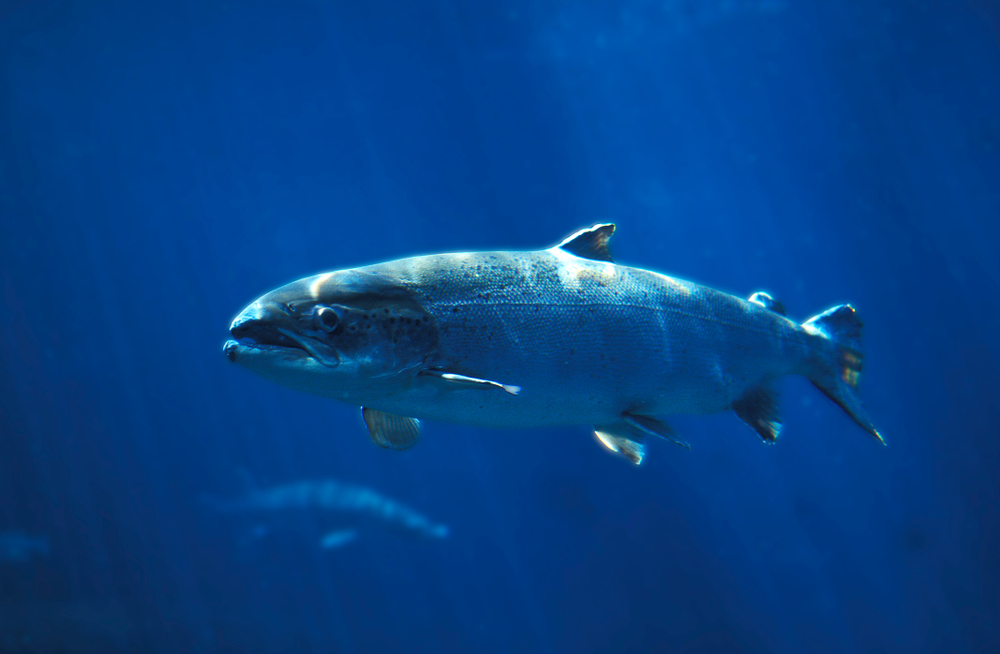
From an energetic standpoint, carrying such a massive genome is costly. DNA must be copied every time a cell divides. The larger the genome, the more energy and time this process requires.
Lungfish cells are correspondingly large, and their development tends to be slow. These animals grow gradually, mature late, and often live for decades. From a modern ecological perspective, this kind of slow life history can be risky, especially in environments that change rapidly.
Yet lungfish have persisted through extraordinary upheavals. They have survived multiple mass extinctions, continental drift, dramatic climate shifts, and the repeated rise and fall of freshwater ecosystems.
This persistence challenges a common assumption in evolutionary thinking: that natural selection always favors efficiency and speed. In reality, evolution often tolerates inefficiency if it does not severely compromise survival.
In stable or slowly changing environments, slow growth and long lifespans can actually be advantageous. Lungfish often inhabit wetlands and river systems that fluctuate seasonally, drying out and refilling over time. Their ability to breathe air and endure harsh conditions may matter far more than rapid reproduction.
Genetic Excess as Hidden Flexibility
One of the most intriguing questions raised by the lungfish genome is why natural selection has not eliminated so much excess DNA.
One possibility is that large genomes offer hidden forms of flexibility. When transposable elements insert themselves near genes, they can alter how those genes are regulated. They may change when genes turn on or off, how strongly they are expressed, or how they respond to environmental signals.
Over long timescales, fragments of transposable elements can even be repurposed into entirely new genes or regulatory sequences. What begins as genetic clutter can sometimes become raw material for evolutionary innovation.
In unpredictable environments, this flexibility may provide subtle advantages. Lungfish already possess one of the most important adaptations for survival in oxygen-poor waters: lungs. A genome rich in regulatory variation could further help them cope with fluctuations in temperature, water availability, and oxygen levels.
This idea resonates strongly with modern environmental science. As climate change accelerates, species with greater genetic and regulatory diversity may be better positioned to adapt to new conditions.
Climate Change and the Pressure on Freshwater Life
Freshwater ecosystems are among the most threatened habitats on Earth. Rivers, wetlands, and lakes are under pressure from pollution, water extraction, dam construction, and climate-driven changes in rainfall patterns.
Rising temperatures reduce oxygen levels in water, making survival more difficult for many fish. Droughts shrink wetlands and isolate populations. Floods can wash away eggs and juveniles.
Lungfish have historically survived environmental instability by exploiting niches that other species cannot. Their ability to breathe air allows them to persist in stagnant, oxygen-poor waters where competitors perish.
However, even ancient survivors are not invulnerable. Rapid climate change combined with habitat destruction may push lungfish beyond the limits of their remarkable resilience.
The lungfish genome serves as a reminder that evolutionary endurance does not guarantee immunity in the face of unprecedented human-driven change.
Rethinking Junk DNA
For much of modern genetics, noncoding DNA was casually labeled as junk. These sequences were assumed to be evolutionary leftovers with no meaningful function.
Discoveries like the lungfish genome challenge that narrative. While much of the extra DNA may not serve an obvious purpose, its persistence suggests that it is not universally harmful.
In some contexts, noncoding DNA may act as a buffer, absorbing mutations that would otherwise damage essential genes. In others, it may provide a playground for evolutionary experimentation.
This shift in perspective aligns with a broader change in how scientists understand evolution. Rather than a process that relentlessly optimizes organisms, evolution is increasingly seen as a tinkerer. It works with what is available, tolerates redundancy, and sometimes preserves excess simply because eliminating it would cost more than keeping it.
Insights Into Our Own Origins
Because lungfish are among the closest living relatives of the first land vertebrates, their genomes offer valuable insights into humanity’s distant past.
By comparing lungfish DNA with that of amphibians, reptiles, and mammals, researchers can identify ancient genetic pathways involved in limb development, lung function, and sensory perception. Some of these pathways predate terrestrial life itself.
The lungfish genome suggests that early vertebrate genomes were not static or minimal. They were dynamic systems shaped by duplication, expansion, and regulatory experimentation.
Understanding this helps reframe human evolution not as a straightforward march toward efficiency, but as a process rooted in complexity, contingency, and chance.

Not the End of the Record Books
Although the South American lungfish currently holds the title for the largest sequenced animal genome, it may not hold it forever. Other lungfish species are suspected to have similarly massive genomes, and advances in sequencing technology are making it possible to tackle these genetic giants.
Beyond animals, plants continue to dominate the upper extremes of genome size. Some flowering plants and ferns possess genomes even larger than the lungfish, further underscoring how loosely genome size is tied to organismal complexity.
As sequencing tools improve, scientists expect to uncover more surprises that challenge long-standing assumptions about genetics and evolution.
A Humbling Lesson in Survival
There is something deeply humbling about the idea that a slow-moving, prehistoric-looking fish carries vastly more DNA than humans. It forces a reconsideration of deeply ingrained assumptions about progress, intelligence, and biological success.
The lungfish does not build cities, invent technologies, or alter the planet at a global scale. Yet at the molecular level, it preserves an immense archive of evolutionary history, one that has endured planetary changes far more dramatic than those humans have yet experienced.
Its genome tells a story of persistence rather than perfection, accumulation rather than refinement.
Endurance Over Efficiency
As climate change accelerates and ecosystems strain under human pressure, the lungfish offers a counterintuitive lesson. Survival does not always belong to the fastest, smartest, or most efficient organisms.
Sometimes, survival belongs to those that adapt slowly, tolerate excess, and persist through change over unimaginable spans of time.
In a world increasingly obsessed with optimization and growth, the lungfish stands as a quiet reminder that endurance, flexibility, and patience have always been powerful forces in the history of life.