

The Forgotten Way We Slept, and What It Might Say About Our Restless Nights
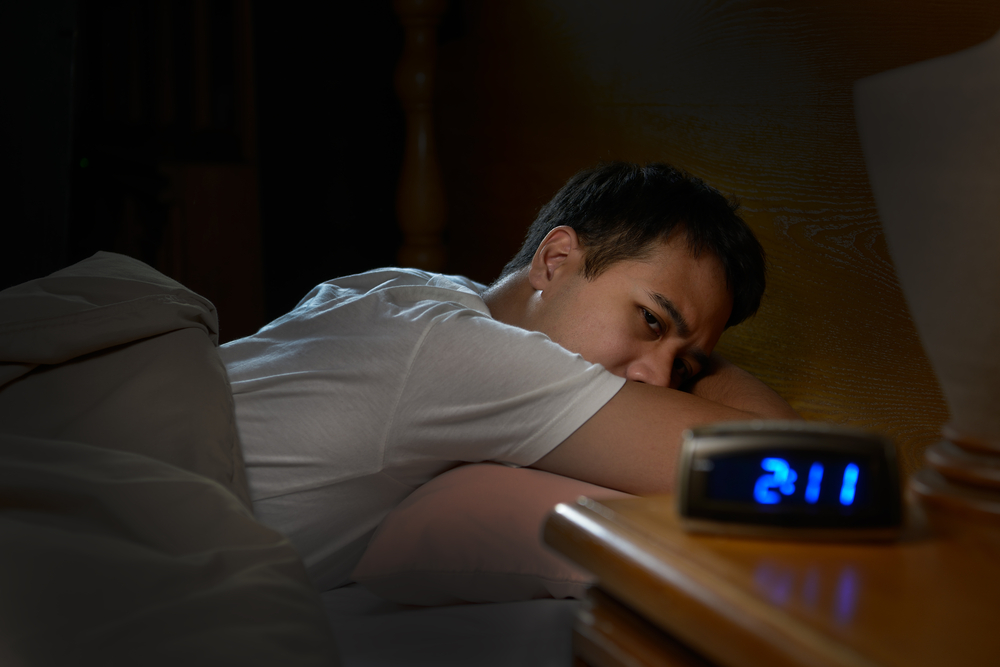
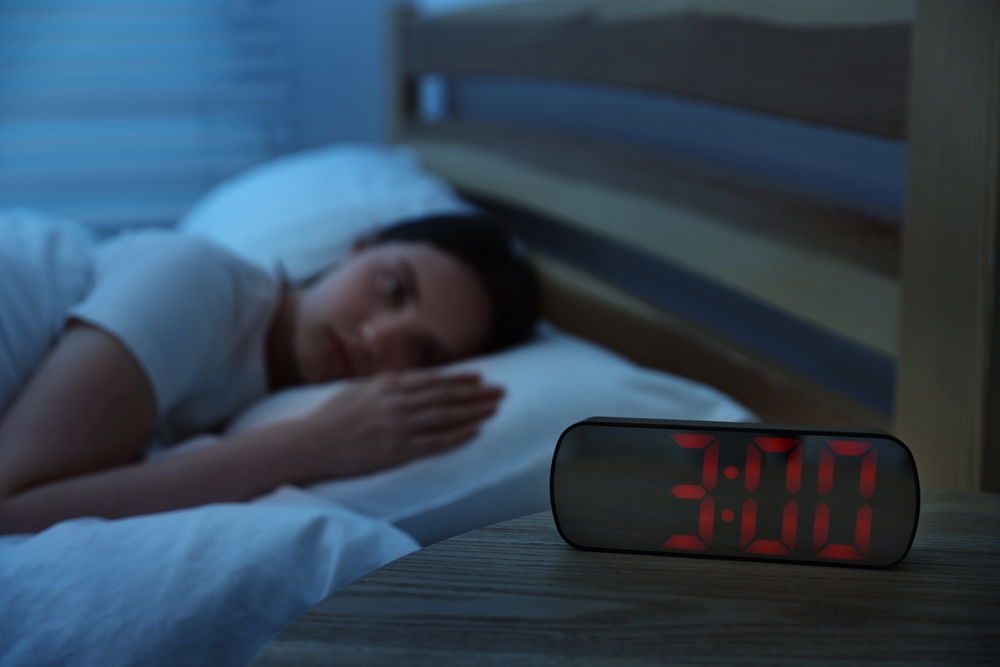
You wake at three in the morning. Your eyes are open, the ceiling is above you, and suddenly a small voice begins asking whether something has gone wrong. For many people, waking in the middle of the night feels like a failure of the body, a sign that sleep has somehow slipped out of its proper rhythm.
Yet for much of recorded history, that waking may have been familiar rather than alarming. People described a first sleep and a second sleep, with a quiet stretch of wakefulness between them. The story behind that pattern is more complicated than the popular version suggests, but it opens an intriguing question about how deeply our ideas about a “normal” night are shaped by the world we live in.
A Pattern Hidden in Old Words
Historian Roger Ekirch did not begin by searching for an alternative sleep schedule. While researching the history of nighttime life, he repeatedly encountered references to “first sleep” and “second sleep” in court records, medical texts, prayer books, diaries, and literature. The phrases often appeared without explanation, suggesting that their meaning was already familiar to the people using them. Ekirch initially found more than 500 references and later documented upwards of 2,000 examples across a dozen languages, reaching back as far as ancient Greece. The pattern he identified was striking: people often went to bed relatively soon after dark, slept for several hours, woke for a period after midnight, and then returned to bed until morning.
For Ekirch, the accumulated evidence suggested a widespread historical pattern rather than an isolated curiosity. He wrote that the surviving references “leave no doubt as to the major features of this pattern of slumber or its prevalence.” Even so, the language of history can be difficult to interpret with complete certainty. What one society considered an ordinary night’s sleep may have varied according to season, class, location, work, family life, and countless other conditions. The evidence is fascinating precisely because it reminds us that sleep has never existed outside the circumstances of human life.
The Quiet Hours Between Sleeps
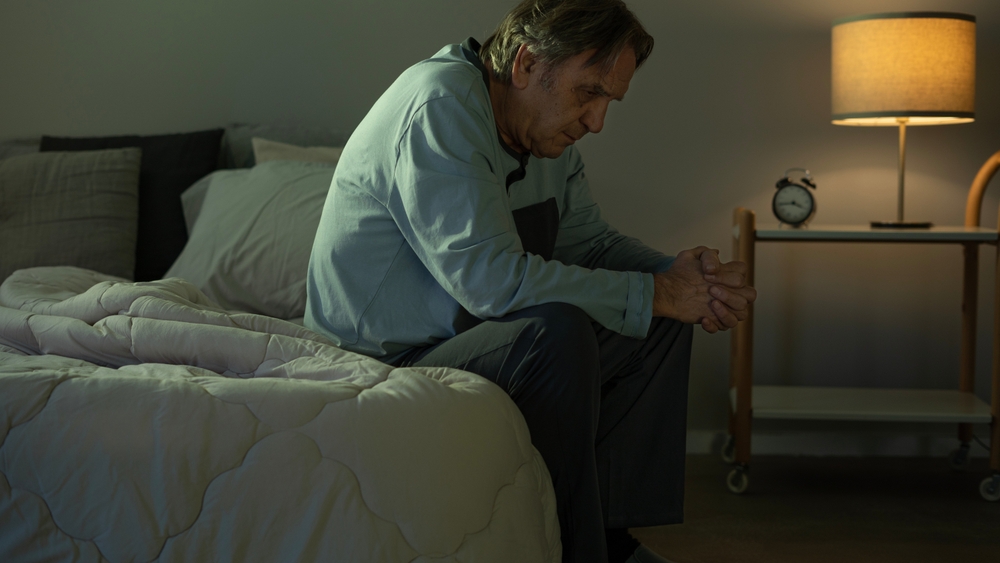
The period between the two stretches of sleep was often called the watch. According to Ekirch’s research, people used those hours for activities that now seem almost impossible to imagine at two in the morning. They tended fires, prayed, sewed, prepared food or drink, read by moonlight or lamplight, and spoke with the people sharing their homes or beds. Some people also used the time for intimacy, while others simply lay awake with their thoughts and dreams still close to the surface.
- Prayer and reflection: The quiet of the night created space for religious practice and contemplation.
- Household tasks: Some people tended fires or completed small jobs that required little daylight.
- Conversation and intimacy: Families and couples sometimes used the waking period to talk or spend time together.
- Dream reflection: The interval allowed people to think about dreams before the demands of morning took over.
There is something quietly human about this description of the night. The waking period was not always treated as a problem demanding an immediate solution. For some, it appears to have been part of the expected rhythm of darkness, a pause between one kind of rest and another. That does not mean every person welcomed it, or that historical life was somehow healthier or easier. It simply suggests that wakefulness after midnight has not always carried the same anxiety it often does today.
What Happened When Modern People Lived in Darkness
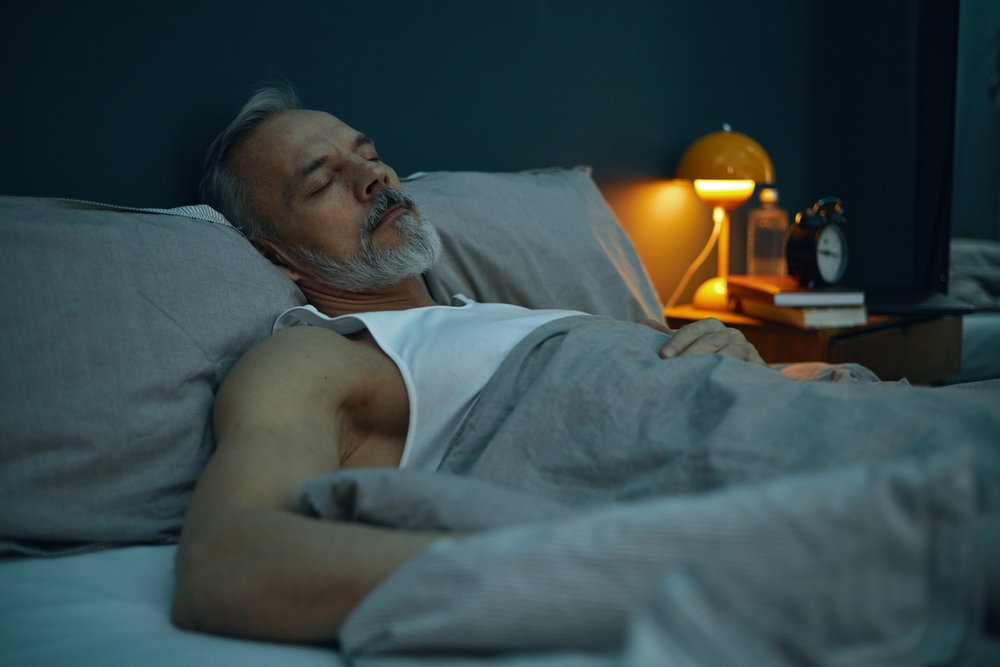
In the early 1990s, psychiatrist Thomas Wehr explored what might happen when modern participants spent extended periods under a schedule with much more darkness than most people experience today. His experiment involved 16 volunteers between the ages of 20 and 36. After an initial period on a more typical schedule, participants spent several weeks with 10 hours of light and 14 hours of darkness, conditions intended to resemble a long preindustrial winter night.
At first, the participants slept for long periods, apparently recovering from accumulated sleep loss. By the fourth week, however, Wehr reported that their sleep “usually divided into two symmetrical bouts, several hours in duration, with a one to three hour waking interval between them.” The pattern resembled roughly four hours of sleep, followed by quiet wakefulness, and then another period of sleep. Participants did not necessarily experience the waking interval as distressing, which added to the interest surrounding the findings.
What the Experiment Can and Cannot Tell Us
Wehr’s study became an important part of the modern conversation about segmented sleep, but it cannot recreate the lives of people centuries ago. Sixteen volunteers living under carefully controlled conditions are not the same as families living through winter in a preindustrial village. Still, the experiment raised an interesting possibility: under certain conditions of prolonged darkness, human sleep may naturally become divided rather than remaining in one uninterrupted block.
The study also encourages a broader reflection on how strongly our environment shapes the body. Light is not merely a convenience. It influences when people feel awake, when they become tired, and how the boundaries between day and night are experienced. Modern life has given many people the ability to remain active long after sunset, but that freedom has also changed the conditions under which rest takes place.
How Night Became Time for Activity
References to first and second sleep appear to have become less common over several centuries. The shift began earlier among wealthier households in parts of northern Europe and gradually spread more widely. Artificial lighting expanded, nighttime entertainment and social spaces became more available, and the hours after sunset slowly became more useful for work and activity. Oil lamps gave way to gas lighting, and electric light eventually transformed the relationship between human beings and darkness.
Industrial schedules added another layer of pressure. A long, consolidated period of sleep fit neatly into a world organized around fixed working hours and morning routines. The modern ideal of eight uninterrupted hours became deeply embedded in the way many societies understood healthy rest. A person waking in the middle of the night could begin to see the experience as a disruption because the cultural expectation around sleep had changed.
This does not mean progress simply destroyed a more natural human pattern. The historical picture is far too complicated for that conclusion. Artificial light brought safety, freedom, and opportunities that earlier generations did not have. What changed was the relationship between darkness and daily life. Night gradually became an extension of the day, and sleep increasingly became something expected to happen in one efficient, uninterrupted block.
Why The Evidence Is Still Being Debated
The popular story of humans once universally sleeping in two segments has an appealing simplicity, but some researchers have challenged that interpretation. In a 2023 reconsideration published in the peer-reviewed journal Medical History, Niall Boyce argued that phrases such as “first sleep” and “second sleep” do not always carry one fixed meaning. A reference to a first sleep could describe a culturally recognized pattern, but it might also refer to an interrupted or disturbed night.
Boyce wrote that “some texts might simply be describing disturbed sleep,” a possibility that complicates efforts to treat every historical reference as evidence of a universal sleeping pattern. He also questioned how much can be concluded from modern laboratory experiments. Human sleep in a controlled environment is shaped by the conditions of the experiment itself, just as sleep in a farmhouse, village, city, or hunter-gatherer community is shaped by its surroundings.
The Problem With One Universal Answer
The disagreement does not erase Ekirch’s archive or the evidence of historical segmented sleep. Instead, it encourages greater caution about turning a large collection of examples into a single story about every human being who ever lived. Human sleep has always been affected by weather, work, safety, social habits, family arrangements, illness, and the availability of light.
That complexity may be more interesting than the simpler myth. Rather than searching for one original and perfect way to sleep, the evidence points toward a species capable of resting differently under different conditions. The body has rhythms, but those rhythms unfold inside the realities of everyday life.
What Traditional Communities Reveal About Sleep
Research involving communities without widespread access to electricity has produced an equally complicated picture. In one study of 21 people in a rural Malagasy village, researchers recorded sleep patterns across 292 days and found a peak in activity after midnight for both sexes on 49% of nights, a pattern the researchers said was consistent with segmented sleep. Yet the villagers also slept for about 6.5 hours per night and experienced periods of wakefulness influenced by the ordinary interruptions of community life.
As researcher Charles Nunn described, nighttime life could include “parties, dogs, roosters, children crying.” Those details matter because they show how difficult it is to separate biology from environment. When researchers provided LED camping lanterns, sleep timing did not shift in the expected way, adding another complication to theories that place artificial light at the center of every change in human sleep. Many of the villagers also reported feeling satisfied with their sleep despite getting less rest than people in some industrialized societies.
Other research has produced different results. Studies of hunter-gatherer communities in Tanzania, Namibia, and Bolivia found patterns closer to continuous sleep, generally lasting between about 5.7 and 7.1 hours. Together, these findings resist the idea that the absence of electricity automatically produces a two-part night. Traditional communities do not offer one living museum of humanity’s original sleep pattern. They offer something more useful: evidence that people adapt their rest to the worlds they inhabit.
A Kinder Way to Understand Midnight Wakefulness
The question of whether humans once universally slept twice at night may never have the neat answer social media prefers. Something clearly changed in the relationship between people and nighttime across the past several centuries, and historical references to first and second sleep are too numerous to dismiss casually. Yet the broader claim that all humans naturally slept in two distinct segments goes further than the available evidence can firmly support.
What remains especially valuable is the possibility of approaching occasional nighttime wakefulness with less fear. A calm hour spent awake in darkness is not automatically evidence that the body is broken. Across different periods of history and different cultures, interrupted, segmented, and continuous sleep have all appeared as part of ordinary human experience.
If waking in the night regularly leaves someone exhausted or affects daily life, it deserves attention from a qualified healthcare professional. But for the person who occasionally opens their eyes in the quiet hours and finds themselves simply awake, there may be room for a gentler interpretation. As Ekirch suggested, some rhythms may still “vibrate to an older, more natural tuning fork,” even if that older rhythm was never quite as universal as we once imagined.