

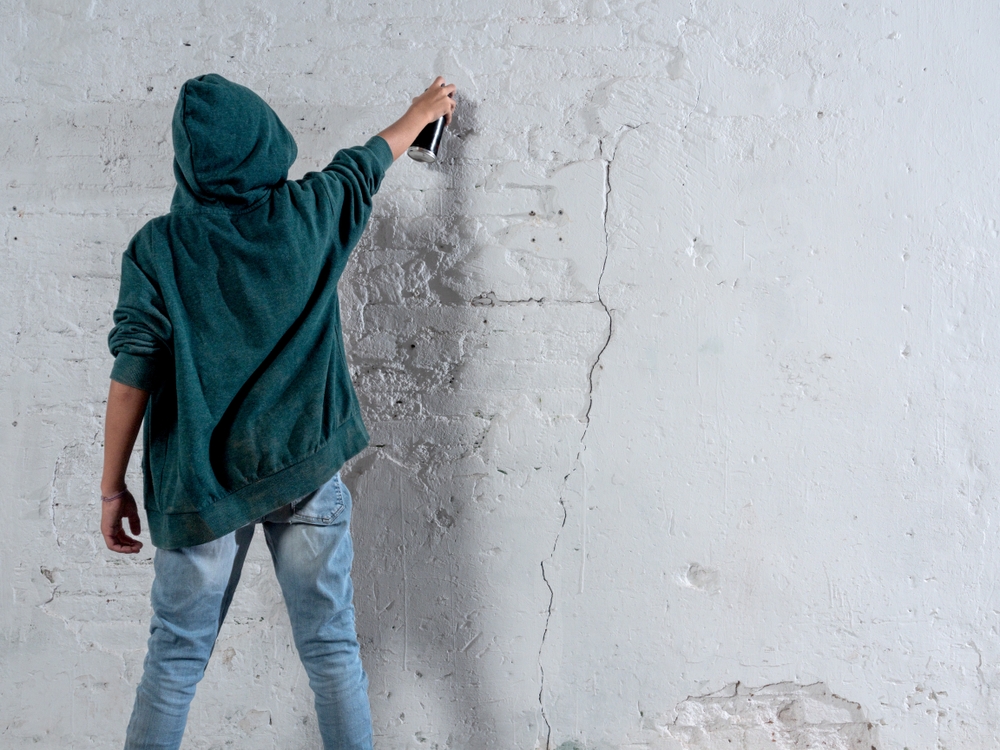
It started as a familiar frustration inside a classroom, the kind that rarely feels important in the moment but quietly shapes how a child begins to see themselves. A young boy kept drawing when he was supposed to be paying attention, filling margins, textbooks, and loose sheets of paper with characters and patterns that seemed to flow out of him without effort. To the adults around him, it looked like distraction, a refusal to follow instructions, something that needed to be corrected before it became a habit.
But for him, it was never about ignoring the lesson or resisting authority. Drawing was where his attention naturally settled, the place where ideas felt clear and alive. That tension between structure and expression could have ended the same way it does for many children, with the behavior slowly disappearing under pressure. Instead, something unexpected happened, and the same drawings that once got him into trouble would later cover the walls of a real restaurant.
✏️🔥🥹 Lo castigaban por dibujar en clase… hoy su talento sorprende al mundo
— Revista Brújula (@ProyectoBrujula) May 2, 2026
Mientras otros niños tomaban apuntes en matemáticas 📚😅, Joe llenaba sus cuadernos —y hasta los pupitres— con dibujos, garabatos y personajes salidos de su imaginación en Shrewsbury. Sus maestros lo… pic.twitter.com/cbm12sKjSp
The Moment That Didn’t Fit the Classroom
Joe Whale was still in school when his doodling began to stand out in a way that teachers could not ignore. It was not occasional or careless. It was constant, detailed, and deeply absorbing, the kind of focus that pulled him away from everything else happening around him. While other students followed along with lessons, Joe’s attention moved toward lines, shapes, and imaginative scenes that seemed to build themselves as he drew.
When Creativity Clashed With Expectations
Teachers saw a student who was not doing what he was supposed to do, someone who appeared disengaged from the structure of the classroom. He was told to stop, corrected repeatedly, and at times punished for not staying on task. The drawings were treated as interruptions that distracted from learning, rather than as something that might hold value on their own. In a system designed around consistency and measurable focus, his creativity felt like a problem that needed to be managed.
A Pattern Many Children Experience
This kind of response is not unusual, and it reflects a broader pattern in how structured environments operate. Classrooms are built to reward a certain type of attention, one that follows instructions and produces predictable outcomes. When a child moves outside that pattern, even with something creative or expressive, it can easily be misunderstood. What is actually a different way of thinking is often labeled as a lack of discipline or effort.

The Decision That Shifted Everything
At home, the same behavior was seen through a completely different lens, one that changed the direction of Joe’s story in a quiet but powerful way. Instead of trying to stop the drawing or treat it as something that needed to be fixed, his parents chose to look closer at what it meant. They noticed that drawing was not pulling him away from focus. It was where his focus naturally lived.
Choosing Support Instead of Resistance
Rather than pushing him to conform, they enrolled him in after school art classes, creating an environment where drawing was not a distraction but the central activity. This gave him permission to explore what he loved without interruption or correction. It was not about forcing him into a new path or shaping him into something different. It was about allowing what already existed to develop in a space where it could be taken seriously.
Growth That Was Already Underway
In those sessions, his work began to evolve in ways that might not have been possible otherwise. His drawings became more confident, more detailed, and more expressive, filled with bold black and white illustrations that carried a clear sense of identity. What had once been dismissed as random doodling started to reveal structure, intention, and a distinctive style that people could recognize instantly.

The Internet Changed the Scale
As his drawings improved and gained consistency, they began to move beyond the private spaces where they had originally existed. What once lived quietly in notebooks and sketchpads started to reach people far outside his immediate world.

From Private Pages to Public Attention
Images of his work were shared online, where they quickly caught the attention of viewers who saw something striking in the detail and imagination behind them. The consistency of his style made it stand out, and people began to respond not just to individual drawings but to the clear artistic voice emerging through them. What had once been invisible to most people was now being seen and appreciated on a much larger scale.
A Restaurant Sees an Artist
Among those who came across his work was a restaurant in Shrewsbury called Number 4. Instead of seeing a child who struggled to stay focused in class, they saw an artist whose work had the potential to transform a space. They reached out with an idea that was both simple and unexpected, offering him an opportunity that few people his age would ever encounter.

When a Wall Became a Canvas
The invitation itself was straightforward, but the impact of it was anything but small. They asked Joe to decorate their walls, giving him a chance to bring his drawings into a completely new environment.
A Space Without Limits
This was not a small corner or a temporary display that could be easily overlooked. He was given the freedom to fill large sections of the restaurant with his illustrations, turning everyday surfaces into something immersive and visually engaging. It was a scale that demanded confidence, but it also matched the energy and movement already present in his work.
Turning “just doodles” Into Public Art
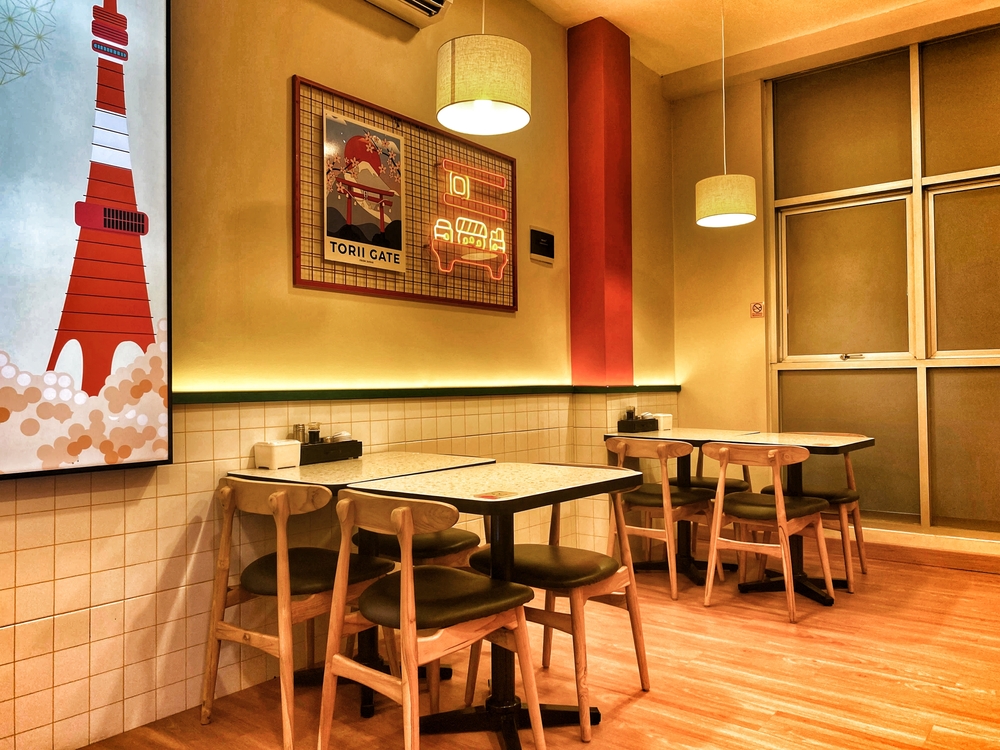
What had once been dismissed as “just doodles” became the defining feature of the restaurant’s interior, something that immediately caught the attention of anyone who walked through the door. His signature characters and flowing patterns stretched across walls, creating an atmosphere that felt alive with detail and imagination. The same instinct that once led to punishment was now the reason people stopped, looked, and appreciated what he had created.
What This Reveals About Creativity
Joe’s journey brings attention to a deeper tension that exists in many systems designed to measure ability and success. It raises important questions about how creativity is recognized and how often it is misunderstood, especially in its earliest stages.
Not All Focus Looks the Same
Creative thinking does not always follow a straight or predictable path. It often appears scattered from the outside, moving between ideas in ways that do not fit neatly into structured expectations. What looks like distraction can actually be a different form of concentration, one that is harder to measure but no less real.
One Choice Can Change Direction
The turning point in this story was not a sudden breakthrough or a moment of luck that appeared out of nowhere. It was a decision made by someone willing to see things differently. By choosing to support rather than suppress, Joe’s parents created a path where his abilities could grow instead of being pushed aside.
Moments That Can Change a Life
Stories like this often depend on moments that seem small at the time but carry lasting impact. The difference between being overlooked and being recognized can come down to a single decision or a shift in perspective.
Turning Points That Matter
- A parent who notices something others dismiss and chooses to encourage it
- A teacher who creates space instead of enforcing conformity
- A platform that shares work that might otherwise remain unseen
- An opportunity that appears at exactly the right moment
- A space where expression is allowed to exist without limitation
Each of these moments can quietly redirect a life in ways that only become clear later.
Recognition Did Not Create the Artist
It is easy to look at the restaurant mural and assume that this was the moment everything began. That interpretation misses something essential about how talent develops.
The Talent Was Already There
Joe had been drawing long before anyone outside his immediate world noticed his work. His ability did not appear suddenly. It had been growing, quietly and consistently, in the background of everyday life.
What Changed Was Visibility
The opportunity did not create his identity as an artist. It simply gave that identity a place to be seen and acknowledged. When the right environment appeared, what had always been there became visible to others.
Seeing Potential Differently
This story encourages a more thoughtful way of interpreting behavior, especially in children who do not easily fit into expected patterns.
Looking Beyond First Impressions
What appears to be distraction may actually be a sign of deep engagement with something that has not yet been recognized. What looks like disobedience may be an early expression of creativity that does not align with standard expectations.
The Risk of Shutting It Down
When expression is repeatedly discouraged, it can fade before it has the chance to fully develop. Not every child will end up creating artwork that fills public spaces, but many carry abilities that need room to grow rather than pressure to disappear.
Where Opportunity Meets Readiness
The mural was not the end of Joe’s story but the beginning of something much larger, opening doors to recognition, new opportunities, and a wider audience. What made that moment possible was not luck alone but the combination of readiness and the right environment.
Somewhere else, another child is being told to stop doing the very thing that feels most natural to them. What happens next may depend on whether someone chooses to see it differently.