

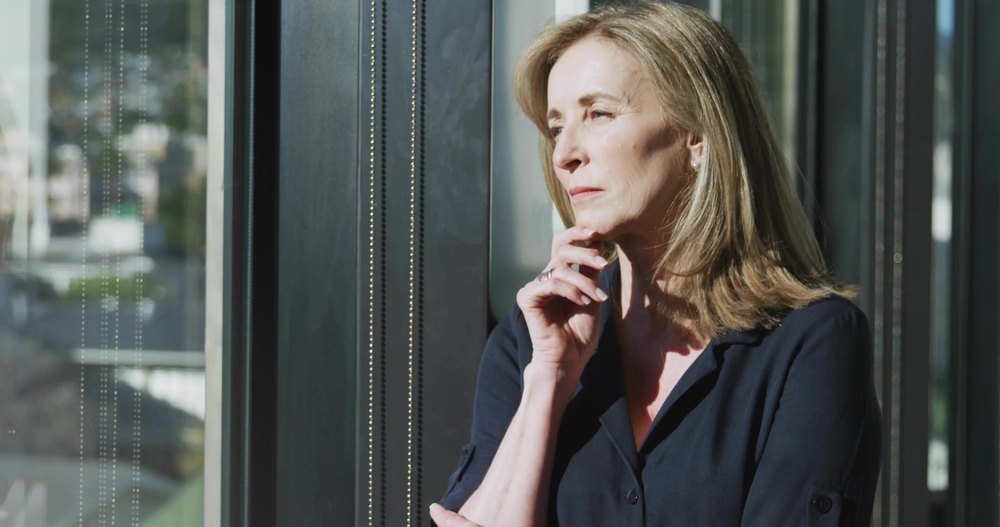
The Surprising Psychology Behind Why We Keep Waiting to Be Happy
There comes a moment when you realize you’ve been treating your own life like something that’s always waiting just around the corner. Maybe it’s the vacation you’ve promised yourself for years but never booked. Maybe it’s the expensive candles gathering dust because you’re saving them for a “special occasion.” Or perhaps it’s the dream of moving somewhere new, learning an instrument, or finally making time for the people you love once work becomes less demanding. Without noticing, today’s moments become sacrifices offered to a future that never arrives. We become experts at preparing for life while quietly forgetting to experience it. Days pass in the name of responsibility, and before long, entire seasons disappear while we’re still waiting for permission to enjoy them.
What’s striking is how common this pattern has become. Many of us aren’t postponing happiness because we’re lazy or unmotivated. In fact, we’re often doing exactly the opposite. We work harder, save more money, chase bigger goals, and convince ourselves that every sacrifice is another step toward a better tomorrow. Yet every milestone seems to reveal another one waiting behind it. The finish line keeps moving, and the life we’ve been protecting remains untouched, like a beautiful gift we never allow ourselves to open. Psychology suggests there’s a deeper reason this happens. The way our minds are wired encourages us to keep looking ahead, believing fulfillment exists just beyond the next achievement, even when everything we need to experience joy is already sitting quietly in the present.

Why We Keep Waiting for Life to Begin
Most people believe they’re making sensible decisions when they postpone enjoyment. Waiting until you’re financially secure before traveling sounds responsible. Delaying hobbies until life becomes less hectic feels practical. Saving your nicest things for a future celebration appears disciplined rather than harmful. On the surface, these choices seem wise because they prioritize stability over impulse, and society often praises people who delay gratification in pursuit of long-term success.
The problem isn’t planning ahead. Healthy planning helps us build meaningful lives, create financial security, and prepare for unexpected challenges. Difficulties begin when preparation slowly replaces participation. Instead of using today’s experiences to enrich our lives, we start treating today as nothing more than a bridge leading toward a better version of tomorrow. Every meaningful experience becomes conditional on achieving one more goal, and our present slowly loses its value because it never feels complete enough.
Over time, this mindset becomes so familiar that we rarely question it. We postpone celebrations until promotions arrive. We tell ourselves we’ll reconnect with old friends after life settles down. We wait to decorate the house, wear the outfit we love, or enroll in the class we’ve always wanted because it somehow feels irresponsible to enjoy these things before we’ve “earned” them. Yet that invisible finish line has an uncanny way of moving farther away every time we approach it.
The result is subtle but profound. Life starts feeling like an endless rehearsal instead of the performance itself. Days become filled with preparation, productivity, and obligation while joy is carefully stored away for another season that may never feel quite ready enough. Before we know it, the years we were trying so carefully to protect have quietly become the years we never truly lived.

The Psychology Behind Saving Happiness for Later
According to psychologist Eric Solomon, Ph.D., this tendency has far less to do with discipline than most people realize. Our brains are built with separate systems for wanting something and actually enjoying it once we have it. Those two experiences might seem closely connected, but they operate very differently beneath the surface. Understanding this distinction helps explain why we can spend years chasing the next milestone while feeling surprisingly unsatisfied whenever we finally reach it.
As Solomon explains, “The brain runs wanting and liking on two different neural systems.” The wanting system drives curiosity, ambition, and pursuit. It evolved to keep human beings searching for food, safety, opportunity, and progress. The liking system, by contrast, is quieter. It allows us to appreciate what we’ve already reached, but it doesn’t produce the same intense motivational pull. Evolution favored the chase because constant pursuit increased our chances of survival, not because it guaranteed lasting happiness.

Why The Chase Feels More Rewarding
This explains why anticipation often feels more exciting than reality. Planning a vacation can produce weeks of excitement before the trip even begins. Shopping for something you’ve wanted creates a rush long before you actually own it. Achieving a promotion or reaching a personal goal feels wonderful, but that emotional high usually fades faster than expected because our brains naturally begin searching for the next objective.
Our minds quickly redirect attention toward another achievement, another experience, or another version of ourselves that promises lasting fulfillment. The cycle repeats so naturally that we mistake constant pursuit for meaningful living. We become highly skilled at imagining the future while losing the ability to fully inhabit the present.
This psychological pattern also explains why people sometimes leave treasured possessions untouched for years. The possibility of using them continues generating pleasant anticipation, while actually enjoying them feels strangely final. As long as the experience remains in the future, it continues to symbolize hope, possibility, and the promise that a better chapter of life is still waiting just ahead.

The Hidden Cost of Living in the Future
Trauma therapist Molly Halbrooks believes this habit often reflects something deeper than simple goal-setting. Many people postpone happiness because they hope future success will finally eliminate uncertainty, discomfort, or emotional pain. The belief isn’t always conscious, but it quietly influences everyday decisions. If they can earn a little more, accomplish a little more, or become a little more successful, then perhaps life will finally feel complete.
As Halbrooks explains, “We are trying to optimize our way out of pain, suffering, and uncertainty, so that when we finally do the thing… we will live happily ever after and not struggle anymore.” It’s an understandable hope. Most of us want to believe there’s a point where the hard work ends and lasting peace begins. Yet life doesn’t unfold that way. Every chapter brings its own challenges, and every achievement is eventually followed by another decision, another responsibility, or another uncertainty.
This pursuit creates an exhausting cycle because happiness was never designed to be a permanent emotional state. Joy arrives in moments. It appears while laughing over dinner with friends, watching a sunset, taking a walk through a quiet neighborhood, or finally opening the book that’s been sitting untouched on the shelf. Those moments don’t last forever, but neither do sadness, fear, or disappointment. Expecting happiness to stay forever only causes us to believe we’ve somehow failed whenever it naturally fades.
Ironically, by trying to create the perfect future, we often miss the imperfect moments that make life meaningful. We spend years preparing for a version of life where we’ll finally allow ourselves to breathe, only to realize that breathing was always available to us. The future may hold wonderful experiences, but it cannot give us permission to appreciate the present. Only we can do that.

Learning to Savor Ordinary Moments
One of the most powerful shifts we can make is recognizing that meaningful living rarely arrives through dramatic life changes. More often, it grows from ordinary moments that receive our full attention. A slow morning with coffee. A conversation that isn’t interrupted by notifications. An evening spent reading instead of scrolling. These moments seem small while they’re happening, yet they often become the memories we treasure most.
Halbrooks encourages people to view pleasure not as something that must be earned, but as something that supports emotional well-being. Waiting until every task is complete before allowing yourself to experience joy creates an impossible standard because there will almost always be another email to answer, another bill to pay, or another goal to pursue. Life has a way of continually asking for our attention. If joy depends on reaching the end of every responsibility, it will always remain just out of reach.
You don’t have to spend thousands of dollars or completely reinvent your life to break this pattern. Often, the smallest choices begin changing your relationship with the present.
- Use the things you’ve been saving. Wear the clothes you love, light the candles, and stop waiting for a perfect occasion.
- Create moments of enjoyment during ordinary days. A favorite meal on a Wednesday can be just as meaningful as one reserved for the weekend.
- Schedule experiences, not just obligations. Put time for rest, creativity, and relationships on your calendar with the same importance as work.
- Pause long enough to savor good moments. Instead of rushing toward the next task, give yourself permission to fully experience what’s happening right now.
- Ask yourself what you’re really waiting for. Sometimes the answer reveals that the obstacle isn’t time or money, but the belief that happiness must first be earned.
These practices may seem simple, but they gradually retrain the mind to recognize that fulfillment isn’t hidden somewhere in the future. It exists in the moments we choose to notice today.
Choosing Today Without Abandoning Tomorrow
Planning for the future will always be important. Saving money, setting goals, and working toward meaningful dreams are valuable parts of a well-lived life. The challenge is making sure those plans don’t consume the very years they’re meant to improve. A future worth looking forward to should never require sacrificing every opportunity for joy in the present.
There is wisdom in preparing for tomorrow, but there is also wisdom in recognizing that tomorrow has never been guaranteed. Every meaningful relationship, every quiet morning, every shared meal, and every ordinary afternoon exists only once. We rarely realize how precious those moments were until they’ve already become memories. That realization isn’t meant to create fear. It’s meant to invite presence.
Perhaps the richest life isn’t the one that reaches every milestone the fastest. Perhaps it’s the one that notices beauty before it disappears, chooses connection over constant productivity, and understands that happiness doesn’t always arrive after the next achievement. Sometimes it appears the moment we stop postponing our lives and begin fully inhabiting the one we already have.
The future deserves your attention, but it should never take ownership of your present. Life isn’t waiting for the perfect version of you to begin. It’s unfolding right now, in ordinary moments that may one day become the memories you’ll wish you had embraced a little more fully.
Sources:
- Solomon, E., PhD. (2026b, June 23). How to stop saving your life for later. QOSHE. https://qoshe.com/psychology-today/eric-solomon-ph-d/how-to-stop-saving-your-life-for-later/188728173