
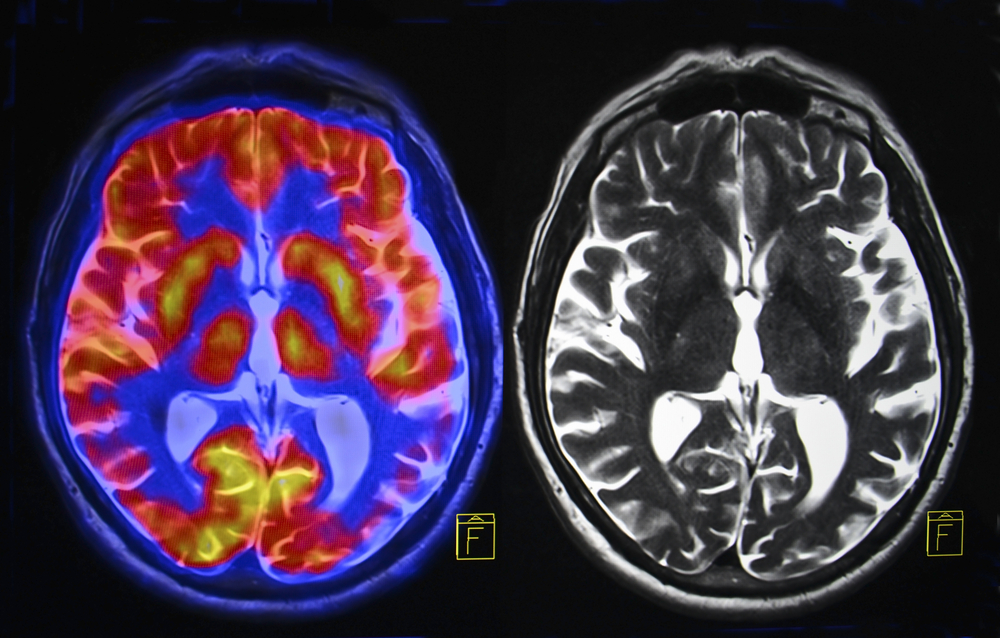
Three Popular Foods Neurologists Say Are Worst for Your Brain
Let me ask you something. When you sat down for your last meal, did you think about your brain? Did you consider how every bite traveling down your throat would affect your ability to remember your child’s name thirty years from now? Most people don’t. Most people think about taste. About convenience. About satisfying a craving. But here’s what keeps me up at night.
Your brain is eating what you’re eating. Every single day, the food on your plate either builds your mind or breaks it down. And somewhere between breakfast and dinner, millions of people are consuming foods that wage war against their own cognitive future.
I’m not here to scare you. I’m here to wake you up. Neurologists have identified three popular foods sitting in kitchens and restaurants across the world right now. Foods that people consume without a second thought. Foods that could be silently increasing the risk of dementia with every serving.
You probably have at least one of them in your home right now.
Before I tell you what they are, I want you to understand something deeper. Your brain is not separate from your body. It’s not some isolated command center protected from your choices. Every blood vessel, every neuron, every memory you hold dear depends on the fuel you provide. And some fuels? They burn clean. Others leave behind damage that accumulates over decades until the bill comes due.
So what should you eat? And more importantly, what should you avoid?
Why Doctors Keep Talking About the Mediterranean Diet
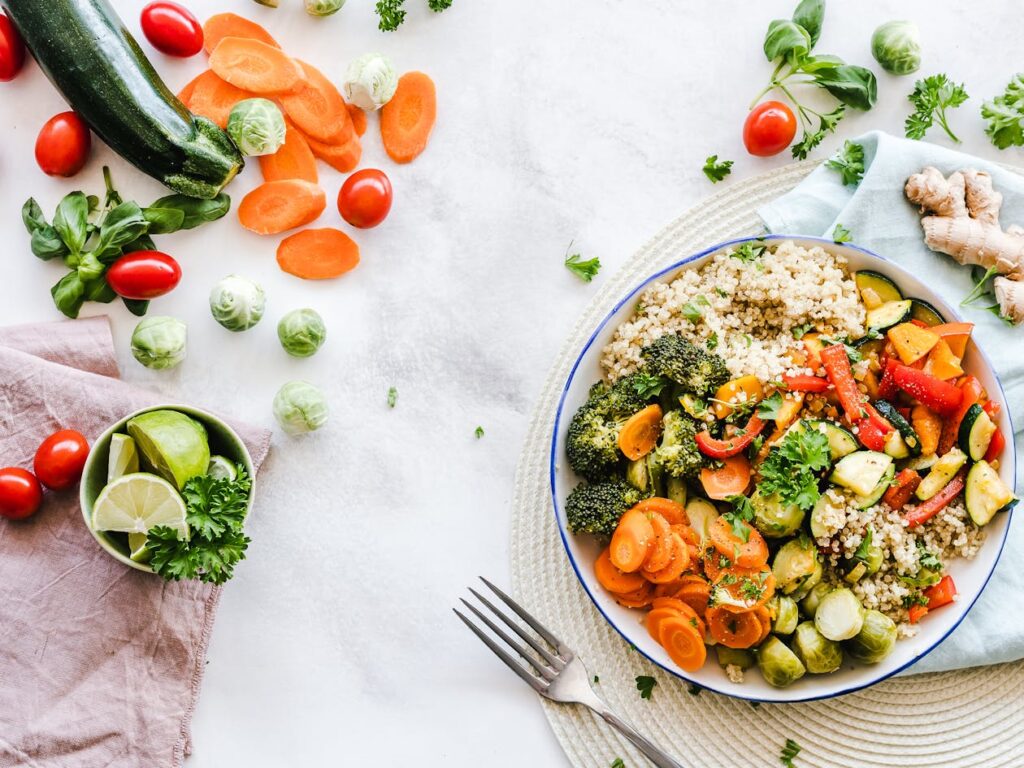
You’ve heard about the Mediterranean diet before. Doctors love it. Researchers praise it. Health magazines put it on their covers year after year. But why? What makes fish, olive oil, wholegrains, fruits, and vegetables so special for your brain?
Antioxidants. Your brain cells face constant assault from oxidative stress. Free radicals attack neural tissue, contributing to the kind of damage associated with Alzheimer’s disease. Fruits and vegetables deliver antioxidants that fight back against this cellular destruction. Every colorful plant on your plate acts like a shield for your neurons.
Recent research puts numbers behind the promise. Following a Mediterranean diet could reduce your dementia risk by up to 23 percent. Nearly a quarter is less likely to lose their memories. Nearly a quarter more likely to recognize your grandchildren’s faces when you’re eighty years old. All because of what you choose to put on your fork. But here’s what nobody wants to talk about.
Knowing what to eat means nothing if you keep consuming what destroys. And three foods in particular have earned warnings from neurologists who spend their careers studying brain health. Foods so common that you might defend them. Foods are so ingrained in daily life that cutting them out feels impossible. Let me show you what’s hiding in plain sight.
1. Soda Is Starving Your Brain
Picture a can of soda. Cold. Refreshing. Bubbles dancing against the aluminum. Now, picture what happens after you drink it.
Sugar floods your bloodstream. Your blood vessels constrict and strain under the assault. And your brain? Your brain sits at the end of a vast network of blood vessels that deliver oxygen and nutrients to billions of neurons. When those vessels suffer damage, your brain suffers too.
Read that again. Starves the brain. Your brain, the most energy-hungry organ in your body, gets cut off from its fuel supply because damaged blood vessels can’t deliver what neurons need. And the consequences extend far beyond memory loss. Strokes. Inflammation. Mood disorders. Sleep problems. All traced back to that innocent-looking can.
But wait, you might say. I drink diet soda. Zero sugar. Problem solved, right? Wrong.
Dr. Lakhan warns that diet and zero-sugar versions carry their own dangers. Calorie-free additives stress out your brain and trick it into craving real sugar. Your body, confused by sweetness without calories, responds by pushing you to consume more food overall. You trade one problem for another, and your brain loses either way.
Think about the addiction cycle. Sugar rush. Sugar crash. Craving. Consumption. Rush again. Crash again. Your brain rides this roller coaster day after day, never finding stable ground. Withdrawal symptoms hit when you try to quit. Your mood tanks. Your focus scatters. And still, you reach for another can because the cycle owns you now.
Breaking free from soda means more than losing a beverage. It means reclaiming your brain’s future. It means choosing water, choosing tea, choosing anything that doesn’t wage chemical warfare against your neurons with every sip.
2. Margarine and the Trans Fat Problem
Now, let me challenge something you might believe. Real butter is bad for you, right? Saturated fat clogs arteries. Margarine offers a healthier alternative. Spread it on your toast without guilt. Except that story falls apart under scrutiny.
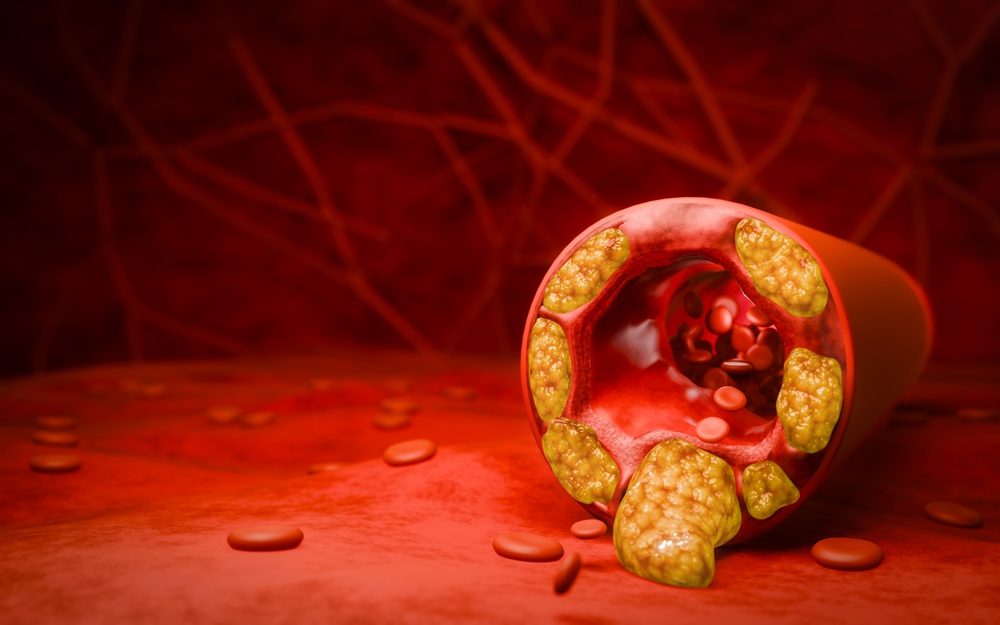
Margarine contains trans fats. And trans fats might be even worse for your brain than the saturated fats you’re trying to avoid. Dr. Shae Datta, a neurologist and co-director of the NYU Langone Concussion Center, avoids margarine as much as possible. Her reasoning should concern everyone who reaches for that yellow tub in the refrigerator.
“We often hear that trans fats aren’t good for your heart and blood vessels. The same applies to the vessels of the brain,” Dr. Datta explains. “A study from the journal Neurology found that older adults who had the highest levels of elaidic acid (a common type of trans fat) in their blood were more likely to develop dementia. Better to stick to olive oil and real butter.”
Let that sink in. Real butter beats margarine for brain health. Olive oil beats both. Everything you thought you knew about healthy fats might need revision.
Elaidic acid circulates through your blood after you consume trans fats. It settles into tissues. It accumulates over the years. And in older adults, high levels of this compound correlate with dementia development. Your body stores the evidence of every margarine-covered piece of toast, every trans fat-laden processed food, every shortcut you took in the name of health.
Now, I want to be fair here. Some butter alternatives exist without trans fats. Check your ingredient lists. Read labels with intention. But if your margarine contains partially hydrogenated oils, you’re feeding your brain something it can’t process safely.
Switch to olive oil. Return to real butter in moderation. Give your brain fats it can actually use instead of fats that gum up the machinery.
3. French Fries Attack Your Memory Center
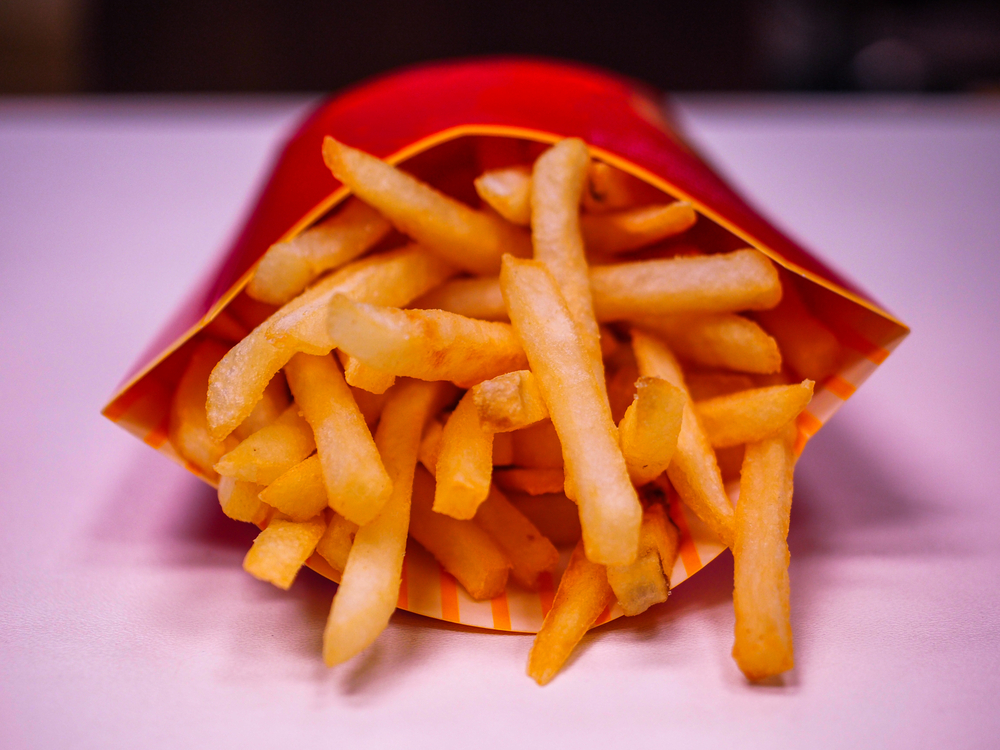
I saved this one for last because I know how much it hurts. French fries. Golden. Crispy. Salty. Perfect alongside a burger. Perfect as a late-night snack. Perfect in almost every way except for what they do to your brain. Neurologist Dr. Pedram Navab puts it plainly.
“A diet that incorporates fatty foods like French fries can damage blood vessels that supply the brain, causing cognitive impairment,” he warns. “It reduces the blood-brain barrier (BBB) integrity and leads to neuronal damage of the hippocampus, a part of the brain that is instrumental for learning and memory.”
Your hippocampus. Consider that word for a moment. Hidden deep in your brain sits a structure responsible for converting short-term memories into long-term ones. It handles spatial navigation. It processes emotional experiences. When you remember your wedding day, your hippocampus makes that possible. When you learn a new skill, your hippocampus guides the process.
French fries attack this structure directly. Fatty foods weaken the blood-brain barrier, the protective shield that keeps harmful substances out of neural tissue. Once that barrier breaks down, your hippocampus becomes vulnerable. Neurons sustain damage. Learning slows. Memory falters. And every basket of fries contributes to the destruction.
Blood vessels suffer too. Just like soda damages the vascular network feeding your brain, fried foods create similar problems through different mechanisms. Cognitive impairment follows vascular damage as surely as thunder follows lightning.
I’m not telling you to never eat French fries again. I’m telling you to understand what each serving costs. I’m asking you to weigh momentary pleasure against long-term function. I’m inviting you to make an informed choice instead of a mindless one.
Enjoy Your Favorites Without Wrecking Your Brain
Here’s the truth nobody wants to admit. Perfection is impossible. You will eat French fries again. You might drink a soda at a birthday party. You might spread margarine on toast at a diner because that’s all they have. And that’s okay.
Brain health isn’t about perfection. It’s about patterns. It’s about what you do most of the time, not what you do some of the time. Occasional indulgence won’t destroy your neurons. Daily habits might.
So what can you do starting today?
Replace soda with sparkling water when the craving for bubbles hits. Choose olive oil for cooking and real butter for flavor when you need fat. Bake potato wedges at home instead of ordering fried baskets at restaurants. Small substitutions add up to massive protection over decades.
Your brain will never send you a thank-you note. It won’t announce that today’s choices prevented tomorrow’s decline. The protection happens silently, invisibly, in blood vessels and neurons you’ll never see.
But imagine yourself at seventy years old. Eighty. Ninety. Imagine recognizing every face in the room. Imagine telling stories from your youth with perfect clarity. Imagine staying present for the people you love until the very end.
That future depends on the choices you make right now. Every meal is a vote. Every grocery run is a decision about who you’ll become. Every time you reach past the soda for the water, past the margarine for the olive oil, past the fries for the salad, you cast a ballot for your cognitive future.
I can’t make these choices for you. Nobody can. But I can tell you what neurologists know. I can show you the research. I can point out the dangers hiding in everyday foods. What do you do with that knowledge? That’s between you and your brain. Choose wisely. Your memories are counting on you.