

What If the Smartest City Workers Had Wings? The Crow Experiment That Shocked Urban Planners
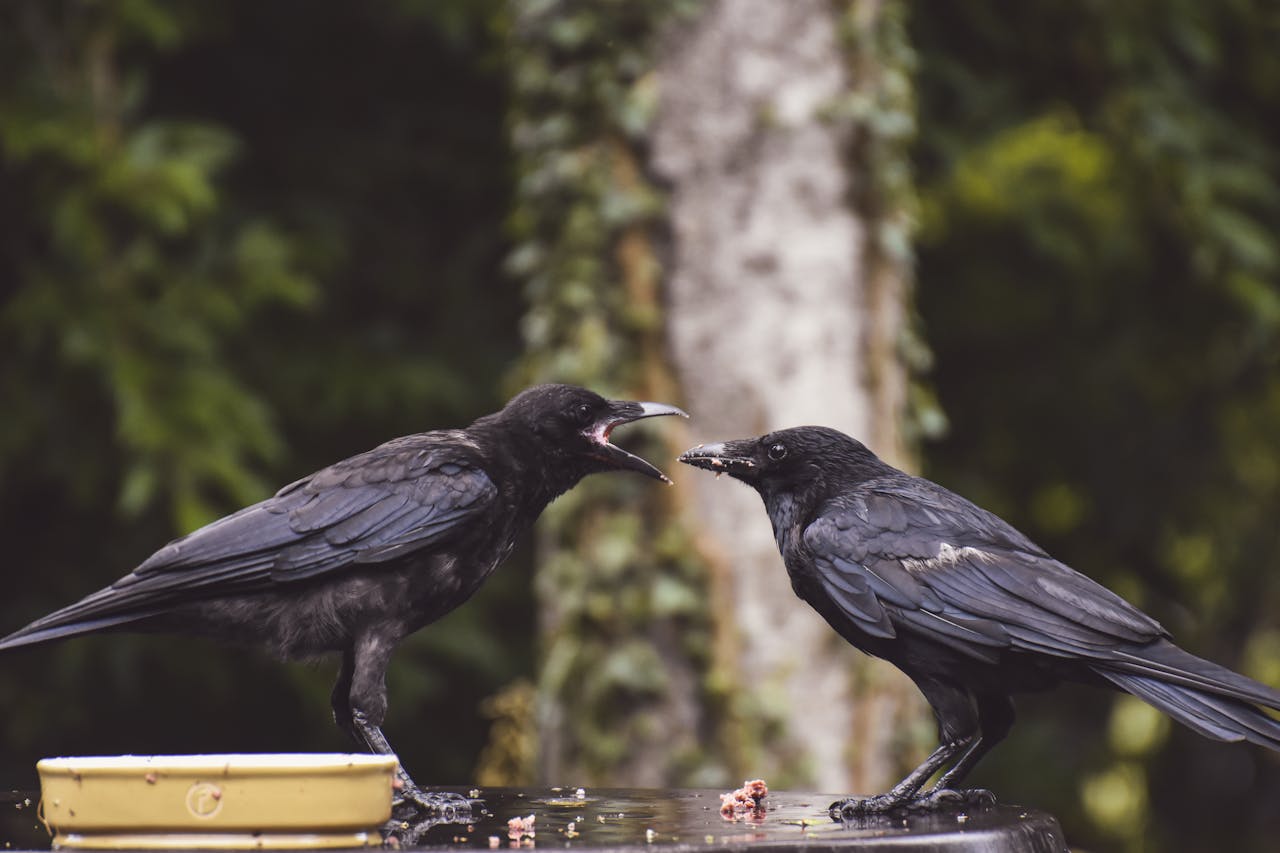
Imagine walking through your city on a quiet morning and noticing something unusual. Not a new machine, not a new policy, but a bird with black feathers and sharp attentive eyes picking up a cigarette butt and dropping it into a small machine. A moment later the machine releases a bit of food as a reward.
It sounds like something from science fiction. Yet for a brief moment in Södertälje, Sweden, this idea was very real. A startup called Corvid Cleaning launched an experiment that trained wild crows to collect cigarette butts from city streets. The goal was bold. Reduce litter, cut municipal cleaning costs, and rethink how humans and wildlife might cooperate in urban environments.

Early estimates suggested the approach could reduce cleaning costs by as much as 75 percent. But like many ambitious ideas the project raised a deeper question. Just because something works, does that mean we should do it?
This crow experiment did more than test an innovative cleaning method. It forced urban planners, environmentalists, and ordinary citizens to reconsider how intelligence in the natural world might intersect with the future of our cities.
The Problem Hiding in Plain Sight
Before we talk about crows we need to look carefully at the scale of the problem that pushed city officials to experiment in the first place. Cigarette butts are the most frequently discarded piece of waste on Earth. Trillions are thrown away every year and a large share of them end up scattered across sidewalks, streets, beaches, and public spaces. Because of their small size they are easy to overlook, yet their sheer volume turns them into one of the most persistent forms of urban litter. Environmental groups estimate that several trillion cigarette filters enter the environment annually, making them the most common item collected in global coastal cleanups.
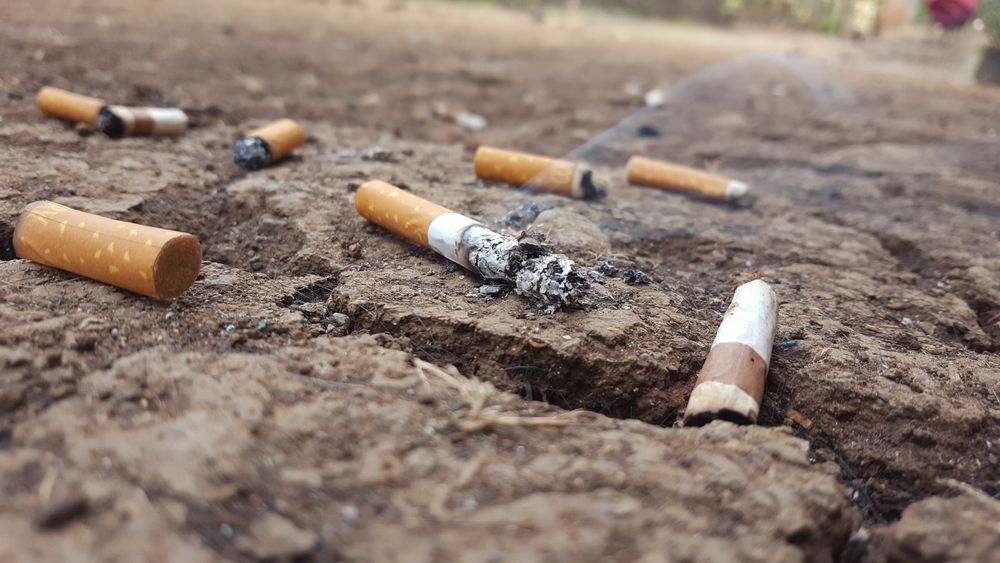
The impact is not only environmental but also economic. Cities invest large portions of their sanitation budgets removing small items of litter that accumulate faster than crews can collect them. Street sweeping vehicles, manual cleaning teams, and specialized waste programs all carry operational costs. When multiplied across thousands of streets and public areas the price of maintaining clean urban spaces becomes significant for municipal governments. Studies examining litter management have shown that cigarette waste alone can represent a notable share of cleanup costs because it spreads widely and requires repeated collection efforts.
What makes the problem particularly challenging is its persistence. Unlike larger pieces of trash that are easier to notice and remove, cigarette filters blend into the background of city life. They slip between pavement cracks, gather near curbs, and accumulate in places where routine cleaning may not immediately reach them. Over time this creates a cycle where small pieces of waste quietly multiply until they demand continuous labor to manage. For city planners searching for innovative solutions the question was not only how to clean streets more efficiently but how to address a type of litter that is both everywhere and constantly returning.
Why Crows? The Surprising Intelligence of Corvids
Crows belong to the corvid family, a group of birds that has drawn serious attention from neuroscientists and behavioral researchers. One reason is the structure of their brains. Although birds do not have a neocortex like humans and other mammals, studies have shown that the avian brain contains densely packed neurons that support advanced cognition. Research examining bird intelligence has found that some corvid species possess neuron counts in the forebrain comparable to certain primates, which helps explain their capacity for complex reasoning and flexible learning.
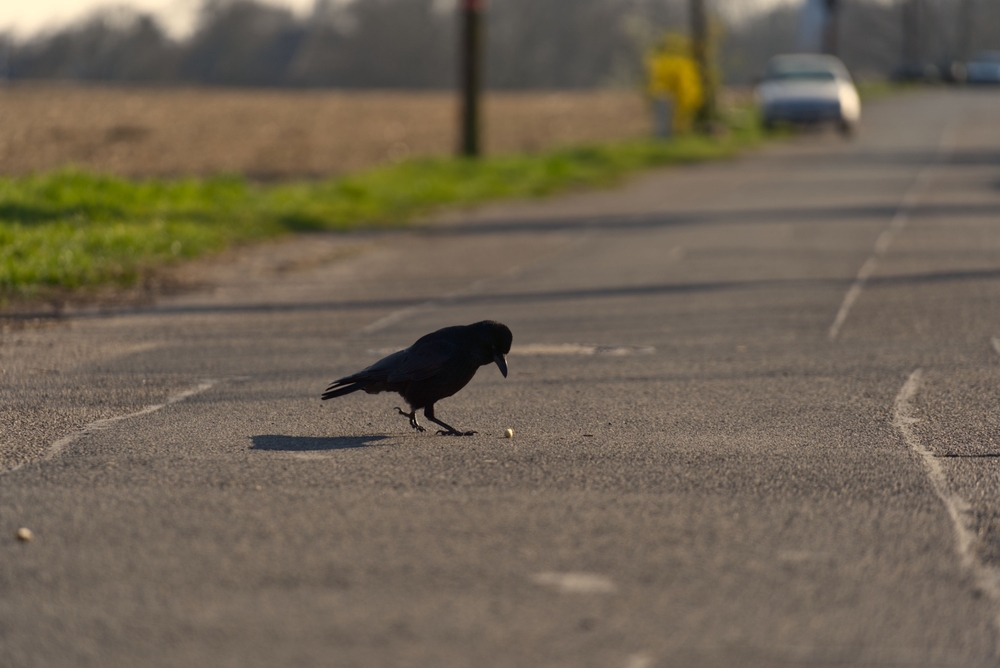
Another ability that makes crows stand out is their capacity for future oriented thinking and memory. Experimental studies have demonstrated that some corvids can store food and later recover it while remembering who might have been watching them at the time. This indicates a form of episodic like memory that allows the birds to recall past experiences and adjust their behavior accordingly. Scientists studying these behaviors have noted that corvids can plan actions that benefit them later rather than only reacting to immediate stimuli. Research exploring this capacity for planning and memory in corvids is supported by a peer reviewed study published in Current Biology, which found that New Caledonian crows can plan for specific future tool use.
Corvid intelligence also extends to social learning. Crows observe one another closely and can adopt behaviors demonstrated by other members of their group. This form of cultural transmission allows knowledge to spread through a population without each individual needing to learn entirely from scratch. Field observations have shown that once one crow discovers an effective strategy for obtaining food or navigating a challenge, others may imitate and refine the behavior. Scientists studying animal culture have documented this phenomenon in corvid populations, highlighting how information can move through bird communities in ways that resemble learning traditions.
Together these abilities reveal why researchers view corvids as one of the most cognitively sophisticated groups of animals in the natural world. Their capacity for learning, memory, and shared knowledge makes them unusually responsive to new challenges in their environment, which is why they have become such a frequent subject of scientific curiosity and experimentation.
The Machine That Turned Litter Into Rewards
At the center of the experiment was a specially designed device that functioned as both a sensor and a reward system. The machine was engineered to recognize a very specific input and then trigger a small food release when that input was detected. In practical terms this meant the device had to distinguish cigarette filters from other debris while remaining durable enough to operate outdoors. Systems like this rely on simple object detection sensors combined with automated dispensing mechanisms that are commonly used in wildlife research and controlled feeding experiments. A technical overview of automated wildlife feeding and behavioral testing systems can be explored through research on automated operant conditioning tools used in animal cognition experiments. These systems allow animals to interact with devices that detect inputs and deliver food rewards without direct human supervision.

The design followed a principle widely used in behavioral science known as operant conditioning. In this framework an animal performs an action and receives a reward that strengthens the likelihood of repeating that behavior. Automated reward systems allow researchers to deliver consistent reinforcement without direct human involvement, which reduces disturbance and allows animals to interact with the system at their own pace. This approach has been used in many cognition experiments where animals interact with devices that provide food after completing a specific task
What made the Södertälje trial particularly interesting from an engineering perspective was the combination of environmental design and behavioral response. Instead of requiring constant supervision the device acted as a self contained learning station that animals could approach independently. The machine therefore became an interface between urban waste and animal behavior. Once the association between the deposited object and the food reward was recognized the device itself maintained the cycle without ongoing human instruction. This type of automated interaction system has increasingly appeared in wildlife research where animals voluntarily engage with experimental devices placed in their natural surroundings, allowing scientists to observe learning and adaptation in real world environments.
Lessons for the Cities of Tomorrow
Even though the crow powered cleaning program did not continue its legacy remains valuable.
It challenged the way people think about urban sustainability. Instead of viewing wildlife as separate from city life the experiment suggested a different perspective. Cities are ecosystems and humans are only one part of them.
Several lessons emerge from the story.

- Nature is more intelligent than we often assume. Animals like crows demonstrate complex learning and problem solving abilities that science is only beginning to fully understand.
- Creative solutions often come from unexpected places. Urban innovation does not always require bigger machines or more technology. Sometimes it begins with observing the natural world.
- Ethics must guide innovation. A solution that reduces costs or improves efficiency must still protect the well being of living creatures and ecosystems.
- Sustainability requires humility. Human progress should not come at the expense of other species that share our environment.
In many ways the experiment served as a mirror. It asked society to reflect on how we approach environmental challenges and how we value the intelligence that exists beyond our own species.
What the Crows Reveal About Us
Take a moment and picture that scene again. A crow lifting a cigarette butt from the pavement. The image feels almost poetic. A wild animal moving through a human environment, interacting with a system designed by people, responding to a problem created by people. Yet the deeper meaning of the moment is not about the bird or the machine. It is about the quiet relationship between human behavior and the world around us. Cities often feel like places that belong only to us, built by our plans and maintained by our systems. But moments like this remind us that every street, every park, and every sidewalk exists inside a larger living environment where other species observe, adapt, and respond to the patterns we create.

The crow experiment reveals something subtle about human progress. Innovation often focuses on building smarter tools, faster systems, and more efficient solutions. Yet the presence of the crows forces a more reflective question. What kind of world are those solutions responding to in the first place. When wildlife becomes capable of participating in systems designed to manage our waste it exposes a deeper truth about the structure of modern urban life. Many of the challenges cities face are not technological limitations but behavioral ones. The choices people make every day shape the environment far more than any single invention.
That realization is what gives this story its lasting impact. The experiment may have ended, but the reflection it sparked continues. A city that learns from this moment might invest not only in creative technologies but also in a culture of awareness and responsibility. Cleaner streets begin long before any machine or cleaning crew appears. They begin with individual decisions made in ordinary moments. In that sense the crows offered more than an experiment in urban design. They offered a quiet reminder that the future of our cities will depend not only on how intelligently we innovate, but on how thoughtfully we live.
Featured Image from Pexels