

Why Japanese Football Fans Stayed Behind Long After Everyone Else Left
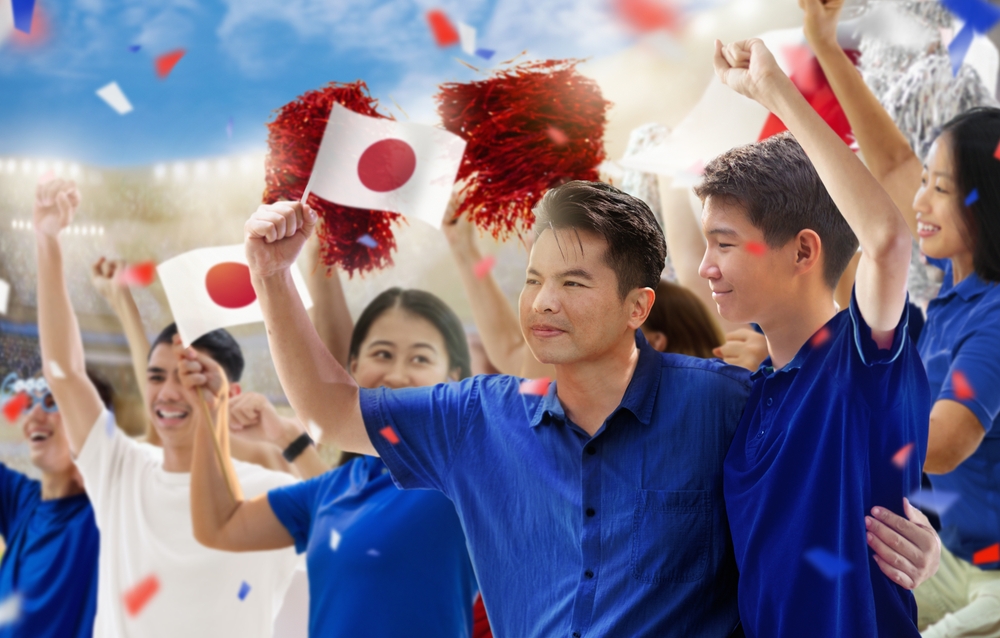
Most World Cup memories are built around goals, dramatic comebacks, and moments that leave entire nations holding their breath. Japan’s 2-2 draw against the Netherlands at AT&T Stadium in Arlington delivered plenty of that drama. Twice falling behind against one of the strongest teams in Group F, Japan fought back each time, eventually earning a point through Daichi Kamada’s late equalizer. The result kept the group wide open and gave supporters plenty to celebrate as they poured out of the stadium following the final whistle.
Yet one of the most talked-about moments of the evening had nothing to do with football. As thousands of spectators headed for the exits, groups of Japanese supporters remained in the stands carrying large plastic bags and quietly collecting litter left behind throughout the match. The scene has become familiar at major international tournaments, but its impact has not diminished. Years after the practice first attracted global attention, it continues to prompt the same reaction from people witnessing it for the first time: admiration for a gesture that appears simple on the surface but reflects values that run much deeper.
The Match Delivered Everything Fans Expected
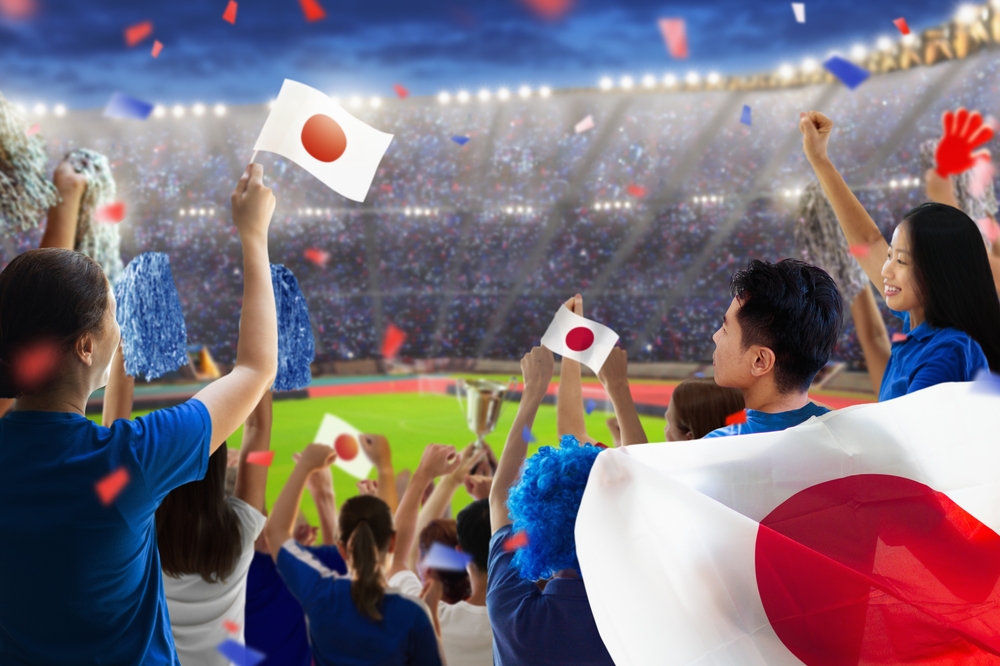
The contest between Japan and the Netherlands was widely viewed as one of the most important fixtures in Group F. Both sides entered the tournament with high expectations, and the ninety minutes that followed reflected the quality and determination of two teams determined to establish themselves as contenders.
The Netherlands posed problems throughout the match with their physical presence and ability to control key moments. Japan repeatedly found itself chasing the game, forced to respond whenever the Dutch side gained an advantage. Rather than fading under pressure, the Japanese squad continued searching for opportunities and remained disciplined in difficult moments.
Their persistence paid off late in the match when Daichi Kamada reacted quickest after a Koki Ogawa header fell into his path, securing a dramatic equalizer. While the scoreboard showed a draw, many supporters viewed the result as a hard-earned achievement considering the circumstances of the match and the quality of the opposition standing across from them.
The REAL heroes of the World Cup: Classy Japan fans clean up after themselves following draw against the Netherlands https://t.co/WyWMxrUTpO
— Daily Mail (@DailyMail) June 14, 2026
A Tradition That Has Followed Japan Around The World
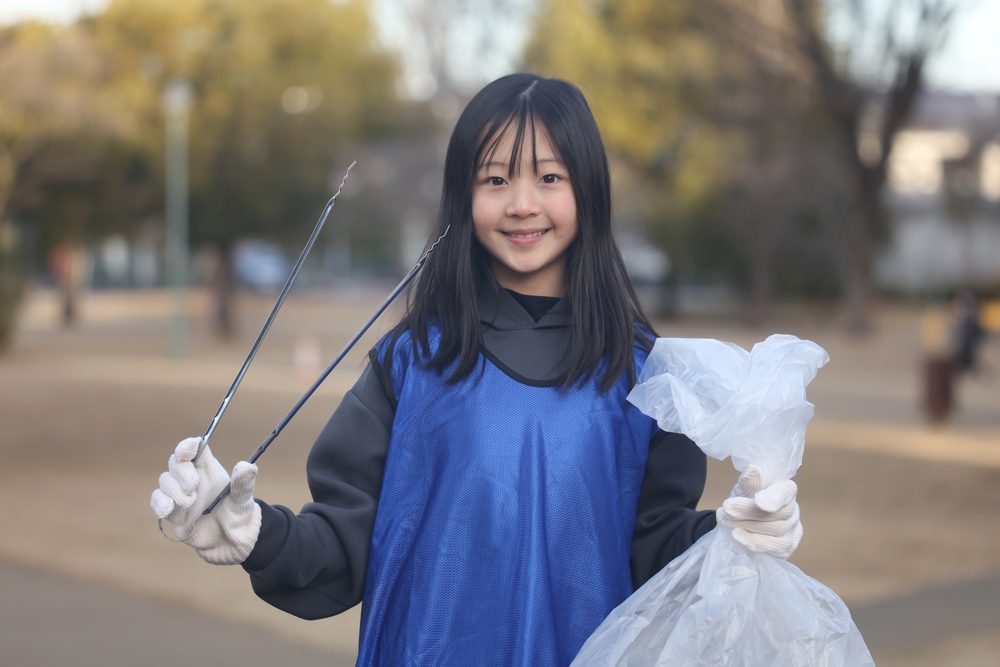
The images that emerged after the match were instantly recognizable to anyone who has followed recent World Cups. Japanese supporters moving through rows of seats with garbage bags have become a familiar sight at football’s biggest tournaments.
The tradition first captured widespread international attention during the 2018 World Cup in Russia. What surprised many observers was that fans continued cleaning stadium sections regardless of the result. Even after painful defeats, supporters remained behind to collect trash before leaving the venue.
The same scenes appeared again in Qatar during the 2022 World Cup. Japan produced memorable victories over Germany and Spain on its way to winning Group E, but the team’s performances on the pitch were not the only moments attracting praise. Supporters once again demonstrated the same commitment to leaving stadiums cleaner than they found them.
Japanes fans clean up after their World Cup match in Dallas vs. NY Knicks fans celebrating the NBA Championship.
— TaraBull (@TaraBull) June 17, 2026
What do you notice? pic.twitter.com/eMTnES5xbR
A Lesson Learned Long Before The Stadium
For many people watching from abroad, the behavior can appear unusual because stadium cleanup is often viewed as the responsibility of event staff. Within Japanese culture, however, the practice is connected to broader ideas about responsibility and respect for shared spaces.
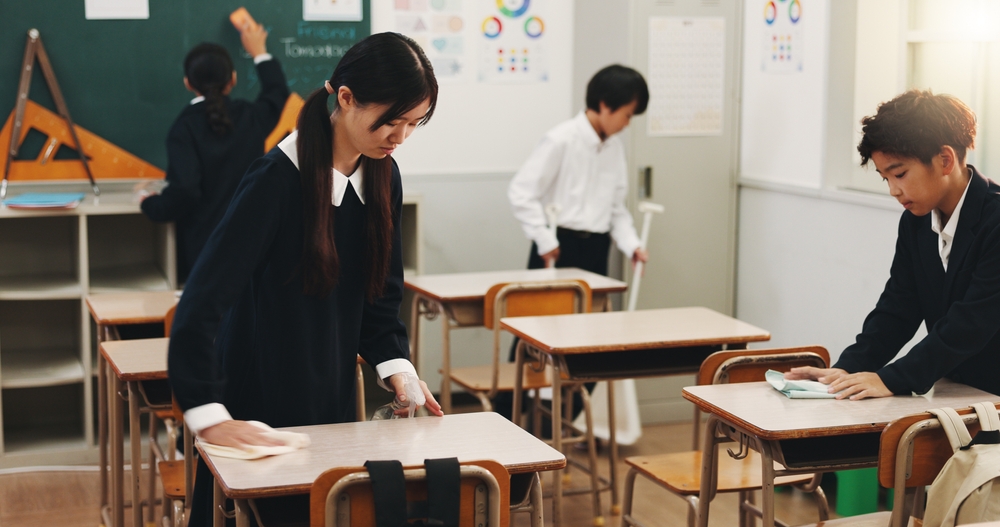
Children in Japan commonly participate in cleaning classrooms and school facilities from an early age. The goal is not simply cleanliness. The practice encourages an understanding that public environments belong to everyone and therefore require everyone’s care.
Japan head coach Hajime Moriyasu once offered a simple explanation for the mindset behind the behavior. He said, “When you leave a place, you have to leave it cleaner than it was before.”
The statement contains no grand philosophy or complicated message. Its power comes from its simplicity. A small action performed consistently by millions of people can shape how communities function and how visitors are remembered long after they leave.

Why The Gesture Continues To Resonate
Part of the reason these moments attract so much attention is that they happen without any expectation of recognition. The supporters are not participating in an official campaign, and there is no reward waiting for them after the work is finished.
Many public conversations focus on what people deserve from society. This tradition quietly shifts the focus toward what individuals can contribute to the places they temporarily occupy. Whether it is a school, a park, a train station, or a football stadium, the principle remains the same.
Observers often describe the cleanup effort as an act of discipline. While discipline certainly plays a role, there is also a strong sense of consideration involved. The fans collecting trash know they may never meet the workers responsible for maintaining the venue. Their actions acknowledge those workers anyway.
Football’s Greatest Strength Has Always Been Connection
The World Cup brings together people from different languages, religions, cultures, and political systems. For a few weeks, individuals who might otherwise never cross paths find themselves sharing the same emotions inside a stadium.
That atmosphere was visible throughout the day in Arlington. Supporters from multiple countries gathered outside the venue, exchanging chants, stories, and traditions. Among them was NFL quarterback Jameis Winston, who joined Dutch fans before the match while working as a correspondent.
Moments like these reveal why international sport continues to matter. The tournament is about competition, but it is also about encounters between people who discover common ground despite their differences. The cleanup tradition has become one of the clearest examples of how a small cultural practice can earn respect far beyond national borders.
The scoreboard recorded a draw between Japan and the Netherlands. Long after the result fades from memory, many people will remember another image from that evening: supporters quietly filling garbage bags in nearly empty stands, treating a borrowed space with the same care they would show their own.