

Decluttering has never exactly been considered thrilling. For most people, it falls somewhere between doing taxes and scheduling a dentist appointment. It is necessary. It is responsible. It promises relief. But it is rarely something anyone looks forward to.
That is, until one woman decided to turn it into a quiet social experiment.
When Stephanie Patrick posted a short Instagram clip of herself casually leaving small household items in her friends’ homes, she probably did not expect to spark a debate about consumer culture, personal responsibility, and the psychology of stuff. Yet within days, more than 25 million people had watched her place a tiny bar of soap on a bathroom counter, a small creamer pitcher in a kitchen, and a vintage glass tealight holder on a shelf as if those objects had always belonged there. Her caption read simply: “Sometimes you gotta do what you gotta do.”
The internet could not get enough.
The Reverse Burglary That Captivated Millions
Commenters rushed in with nicknames for the stunt. Some called it a reverse burglary. Others labeled it an unheist. Many described Patrick as a clever menace. Thousands admitted they had never felt so inspired.
The humor was immediate because the act was so unexpected. Instead of agonizing over what to do with small, harmless items that felt too useful to throw away yet too insignificant to justify keeping, Patrick quietly relocated them. She did not donate them. She did not sell them. She simply redistributed them into the homes of people she knew.
There was something undeniably funny about imagining friends standing in their kitchens, staring at a mysterious creamer pitcher and asking one another where it came from. Did we buy this? Has this always been here? Why does this look familiar but not quite?
The items themselves were intentionally trivial. A tealight holder is decorative but not disruptive. A mini soap bar blends easily into a bathroom. These are the kinds of objects that accumulate silently in drawers and cupboards. They rarely cause chaos, yet they slowly fill space.
In that subtle accumulation lies the reason so many viewers connected with the video. The joke landed because it reflected a universal truth. Most of us are surrounded by small, nonessential things that linger in limbo.
Why So Many Homes Feel Overwhelming
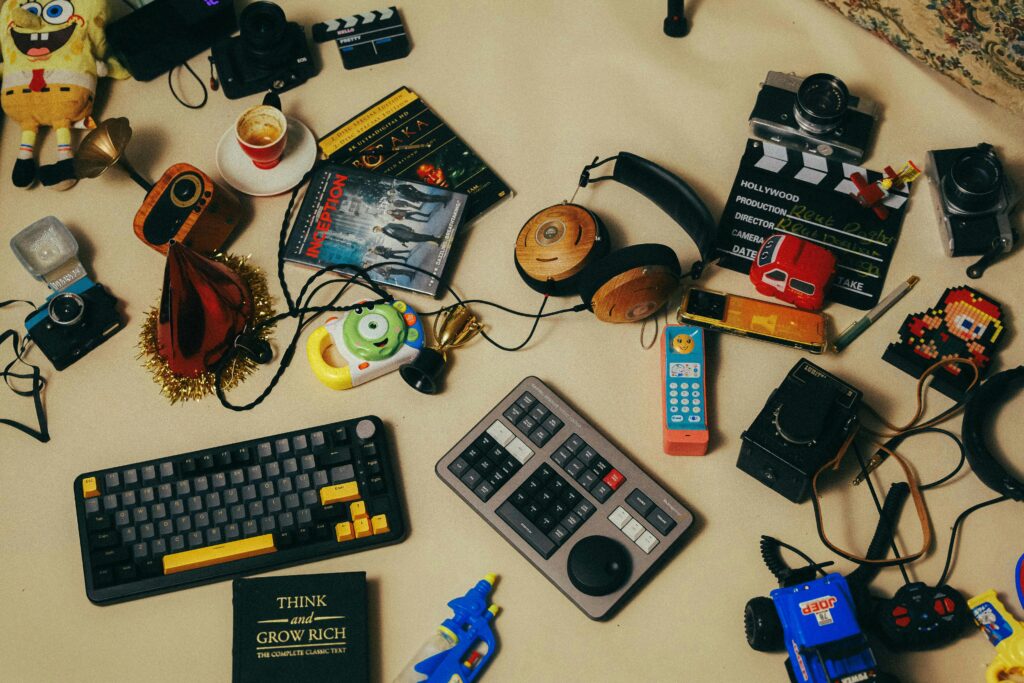
Behind the laughter sits a more serious reality. Decluttering is not simply about cleaning a shelf. It is about confronting decisions we have postponed for years.
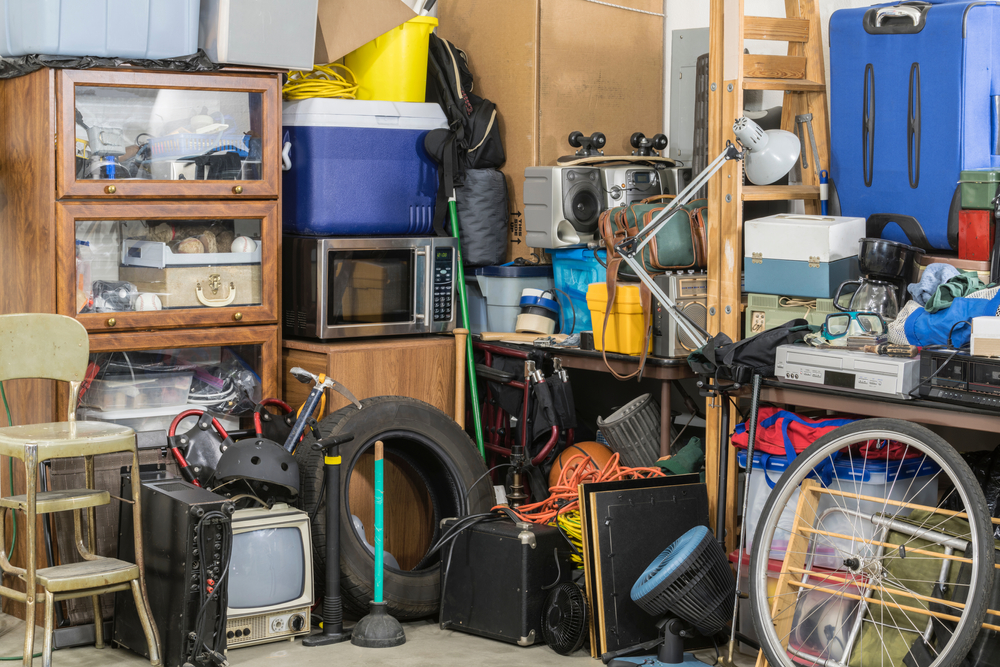
Clutter builds quietly. A souvenir from a holiday here. An extra serving dish there. A stack of books that represent aspirations we once had. Individually, none of these items seem problematic. Collectively, they create visual and mental noise.
Many people hold onto objects because they symbolize possibility. A ceramic platter might not be used daily, but it could come in handy if guests visit. Extra candles might feel wasteful to discard. That stack of magazines might contain one article worth revisiting someday.
Over time, these maybes become mountains.
Professional organizers often say that by the time clients reach out for help, they are not just dealing with messy cupboards. They are experiencing decision fatigue. Every drawer represents another series of choices. Keep it. Toss it. Donate it. Store it. Sell it. The mental load alone can feel paralyzing.
Life changes can amplify this tension. A new baby, a move to a smaller home, or a demanding job can shift the emotional weight of clutter. What once felt cozy can begin to feel suffocating. Surfaces become crowded. Storage overflows. Rooms lose their intended function.
In that context, Patrick’s playful stunt resonates as more than mischief. It represents the fantasy of escape from indecision. Instead of sitting with each object and negotiating its fate, she sidestepped the process entirely.
The Psychology Behind Our Attachment to Stuff
The reason her video struck a nerve is deeply psychological. People do not keep things only because they need them. They keep them because objects carry stories.
Guilt plays a powerful role. Throwing something away can feel irresponsible, especially if it was expensive or gifted. There is also the fear of future need. What if I get rid of this and regret it later? What if this obscure tool becomes essential next month?
Sentimental attachment is another strong force. A baby’s first outfit, a handwritten note, a souvenir from a turning point in life. Letting go can feel like erasing memory, even though the memory exists independently of the object.
Financial reasoning complicates matters further. Many households operate under tight budgets. When people think about the money spent on an item, discarding it can feel like admitting failure. The object becomes a physical reminder of effort and investment.
Since the rise of minimalism in popular culture, particularly after Marie Kondo’s book The Life Changing Magic of Tidying Up gained global attention in 2011, decluttering has been framed not just as cleaning but as transformation. The idea of keeping only what sparks joy appeals emotionally, yet the execution can still feel daunting.
Research into consumer behavior consistently shows that modern lifestyles encourage accumulation. Sales cycles are constant. Online shopping is effortless. Trends evolve rapidly. The result is a steady stream of new items entering homes, often faster than old ones leave.
In that environment, Patrick’s method felt rebellious. It mocked the struggle. It exposed how absurd our attachment to small objects can be.
When Playfulness Meets Responsibility
Patrick’s viral moment did not end with her friends’ countertops. In another clip, she appeared to place random items along the aisles of Hobby Lobby, retail stickers still attached. She later clarified that she only pretended to leave them.
That clarification mattered.
While secretly gifting clutter to friends might be funny in theory, shifting responsibility onto retail workers or strangers crosses into inconsiderate territory. Decluttering is ultimately a personal responsibility. Humor does not erase that.
Still, most viewers interpreted the stunt as satire rather than instruction. The exaggerated nature of it highlighted a genuine frustration: people often feel stuck between keeping items and discarding them.
Donation requires effort. Selling online takes time. Recycling rules can be confusing. Even listing an item for free involves coordinating schedules. The path of least resistance is often to let the object sit.
Patrick’s video gave people permission to laugh at that indecision. In doing so, it opened a broader conversation about why letting go feels so complicated.
The Rise of Gamified Decluttering
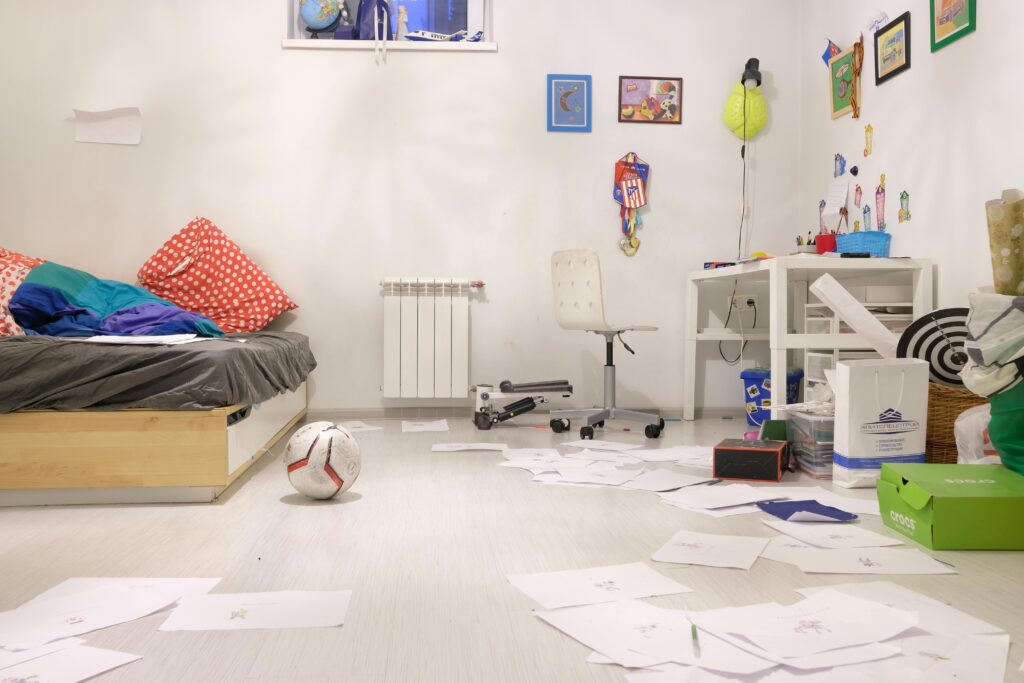
If there is one lesson to take from the viral clip, it is that reframing a chore can make it less intimidating.
Over the past decade, numerous decluttering methods have emerged to inject structure or even fun into the process. The Minimalism Game, created by Joshua Fields Millburn and Ryan Nicodemus of The Minimalists, turns decluttering into a numbers challenge. Participants remove one item on the first day of the month, two on the second, and so on. By the end of a 31 day month, that totals 465 items.
The Packing Party method takes a more extreme approach. It involves boxing up nearly everything as if preparing for a move, then only unpacking what is genuinely needed over several weeks. What remains in boxes becomes easier to release.
Swedish Death Cleaning, introduced by Margareta Magnusson, encourages people to thoughtfully reduce belongings to ease the burden on loved ones later in life. Despite its somber name, it centers on intentional living and consideration.
Even simpler approaches, like the four box method of sorting items into keep, donate, sell, and discard categories, can transform a vague goal into a manageable task.
What these strategies share is structure. They replace open ended overwhelm with a defined pathway. Patrick’s stunt, while comedic, also reframed decluttering as a game. That shift in mindset may be why it resonated so strongly.
The Emotional Weight of Letting Go

Humor aside, decluttering often carries an emotional undertone that goes unspoken.
Letting go of objects can trigger grief. A stack of old birthday cards might represent friendships that have faded. A collection of hobby supplies might reflect a version of yourself you no longer have time to be. Discarding them can feel like closing a chapter.
Experts often advise saving sentimental categories for last. Building confidence through easier decisions helps strengthen emotional resilience for tougher ones. Clothes that no longer fit or duplicate kitchen gadgets may be simpler starting points than memory boxes.
It also helps to reframe the purpose of objects. Items are tools. They serve a function or bring enjoyment. When they sit buried in storage, they are not fulfilling that purpose. Donating can extend their usefulness. Selling can offset past spending. Recycling can minimize environmental impact.
Intentional decluttering is not about ruthless minimalism. It is about alignment. Does this item support the life I live today?
Patrick’s prank may have sidestepped that question, but the conversation it sparked invites it.
Consumer Culture and the Illusion of Scarcity

The viral response also reflects a broader cultural tension.
Modern consumer culture thrives on urgency. Limited time sales, seasonal trends, and influencer recommendations create a sense of scarcity. Buy it now. You might not find it later.
At the same time, storage solutions are marketed as the answer to excess. Bins, baskets, and organizers promise order without necessarily reducing volume. As a result, people often organize clutter instead of eliminating it.
Financial surveys consistently show that many households carry credit card debt or live paycheck to paycheck. While clutter itself is not the sole cause, impulsive spending and accumulation contribute to financial stress. Buying less reduces what enters the home. Owning fewer items reduces what must be maintained.
The connection between physical space and mental clarity is increasingly supported by research in environmental psychology. Visual clutter competes for attention. It can subtly elevate stress levels and reduce focus. Clearing surfaces does more than improve aesthetics. It can create cognitive breathing room.
Patrick’s lighthearted redistribution of objects may have been playful, but it pointed toward a collective craving for that breathing room.
Practical Steps Toward a Lighter Home
For viewers who laughed at the viral clip while glancing at overstuffed drawers, the next step is more grounded than sneaking tealight holders into a friend’s kitchen.
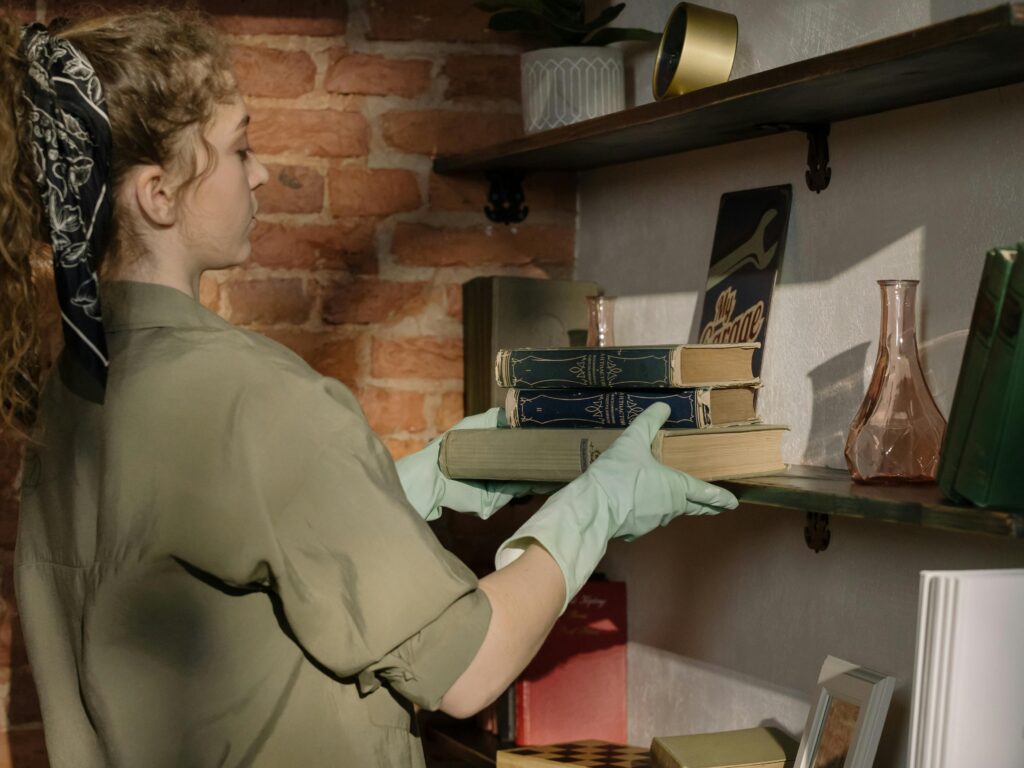
Starting small is crucial. Tackling an entire house in one weekend often leads to burnout. Choosing a single category or a single surface builds momentum. A five minute timer can lower resistance and make progress feel achievable.
The hanger reversal technique offers a simple visual system for wardrobes. Turning hangers backward and flipping them only after wearing an item reveals, over time, which clothes are actually used.
The one in, one out rule helps prevent future buildup. For every new purchase, a similar item leaves the home. This maintains equilibrium and encourages mindful buying.
Taking before and after photos of a small area can provide tangible proof of progress. Visual transformation reinforces motivation.
Most importantly, decluttering should precede organizing. Buying storage solutions before reducing volume often masks the underlying issue.
These approaches lack the mischievous flair of Patrick’s video, but they offer sustainable results.
Why the Story Struck Such a Chord
Viral stories often succeed because they tap into shared frustrations.
Millions did not watch Patrick’s clip because they planned to copy it exactly. They watched because they recognized themselves in the quiet accumulation of small things. They saw the absurdity of arguing internally over a creamer pitcher. They felt the tension between wastefulness and overwhelm.
The story also offered relief. Laughter can soften shame. Many people feel embarrassed about clutter, interpreting it as laziness or lack of discipline. Seeing someone transform that struggle into humor reframes it as a common human experience.
At its core, the viral moment was less about sneaking objects and more about permission. Permission to admit that letting go is hard. Permission to acknowledge that modern life makes accumulation easy. Permission to approach change with creativity rather than punishment.
A Lighter Home, A Clearer Mind
In the end, Patrick’s so called reverse burglary is unlikely to become a mainstream decluttering strategy. Most friendships function best without mysterious objects appearing overnight.
But beneath the joke lies a reminder worth keeping.
Decluttering does not have to be a dramatic purge. It can be gradual. Intentional. Even playful in spirit. The goal is not an empty house. It is a supportive environment that reflects who you are now.
Homes evolve as lives evolve. What once felt essential may no longer serve a purpose. Letting go is not an admission of failure. It is an act of adjustment.
For anyone feeling weighed down by excess, the viral clip offers an unexpected starting point. Notice the small items. Acknowledge the hesitation. Choose one surface. Make one decision.
You may not need to redecorate your friends’ countertops to feel lighter. Sometimes, doing what you gotta do simply means opening your own drawer and beginning there.