

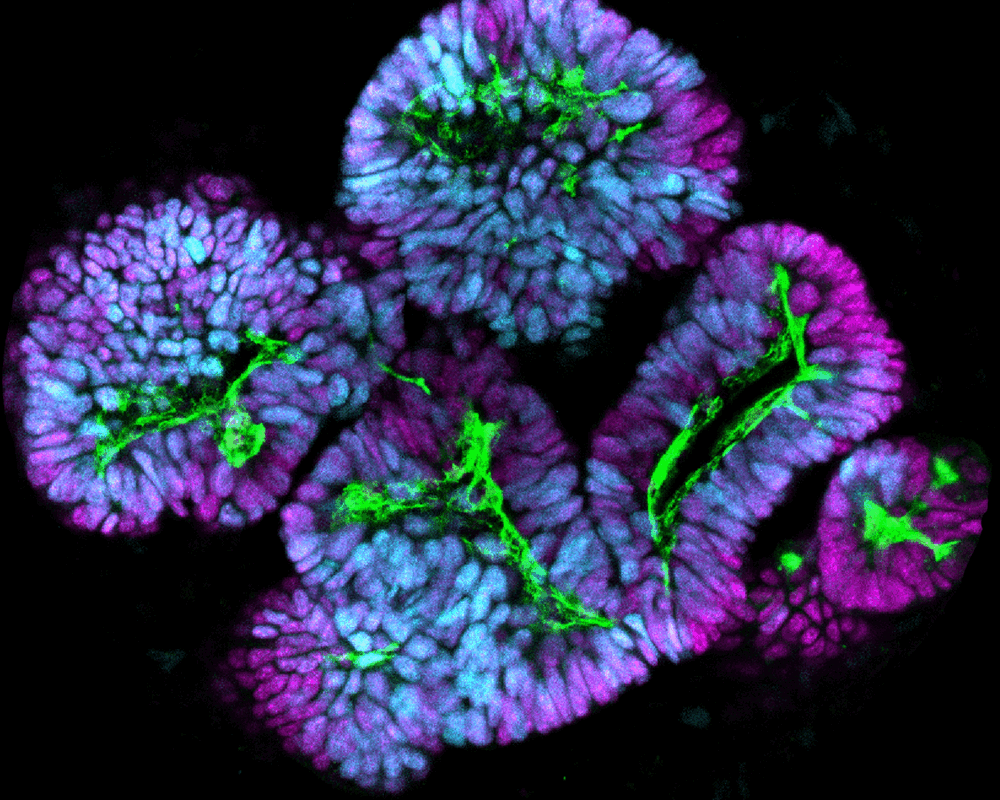
The Slow Science Behind Today’s Most Realistic Kidney Replicas
Scientific progress does not always arrive with fireworks or sudden transformations. In many cases it unfolds slowly through years of careful experiments that quietly push boundaries. Research into lab grown kidney tissue is one such example. While recent headlines have occasionally framed these developments as revolutionary breakthroughs the reality is more nuanced and arguably more valuable. These studies offer insight into how human organs develop and how disease might be studied rather than instant solutions for transplantation. This slower pace of discovery is often how the most reliable medical knowledge is built. It reflects persistence patience and a willingness to refine ideas over time.
Organoids are miniature versions of organs grown from stem cells. These structures mimic certain aspects of real kidneys but remain far from complete or functional replacements. Understanding this distinction is critical for public trust in science. Overselling progress can lead to disappointment and confusion while underselling it ignores the meaningful strides being made. Clear communication helps audiences understand both promise and limitation. It also reinforces why careful language matters in scientific reporting.
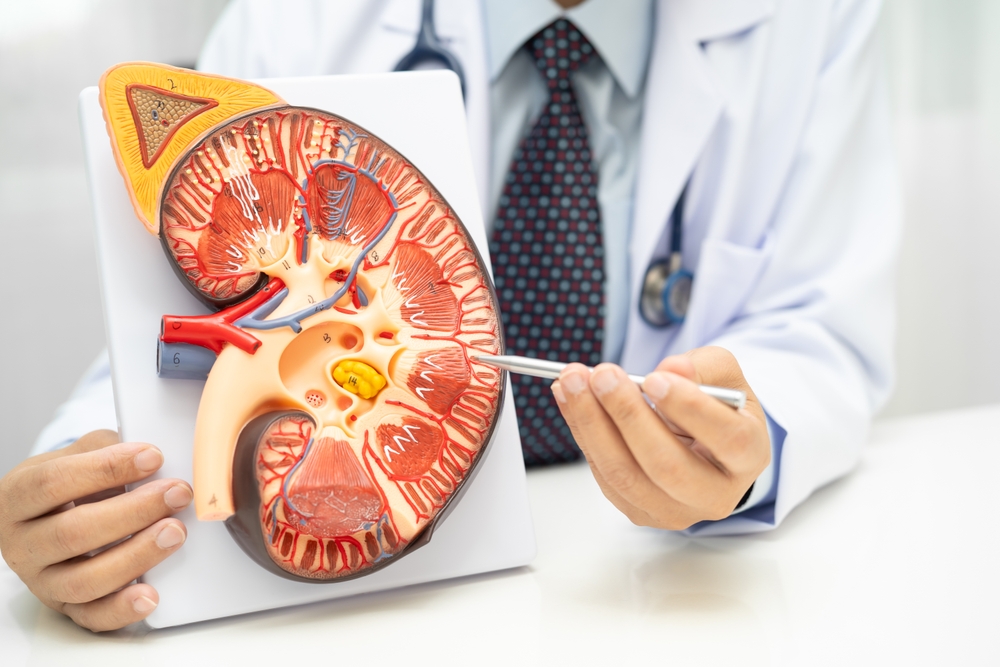
What makes this research noteworthy is not that it suddenly solves kidney failure. Instead it provides researchers with increasingly accurate models to study development disease and drug responses. This is especially important for kidneys which are complex organs with multiple specialized cell types working together in precise ways. Even small improvements in accuracy can significantly improve research outcomes. Over time these refinements add up to deeper understanding.
Seen through this lens the research becomes less about hype and more about insight. It offers a clearer map of what is possible what remains difficult and how future advances might be responsibly built on today’s findings. This framing allows readers to appreciate progress without unrealistic expectations. It also encourages long term support for scientific inquiry.
Understanding What Kidney Organoids Really Are
Kidney organoids are clusters of cells derived from human stem cells that self organize into structures resembling parts of a kidney. These replicas include multiple cell types arranged in patterns that closely resemble early stage human kidneys. This authenticity is why researchers have paid attention even though the organoids remain small and incomplete. Their structure allows scientists to observe interactions that were previously impossible to study directly. This represents a major methodological advance in laboratory research.
Importantly these structures do not function like real kidneys. They do not filter blood regulate electrolytes or produce urine in a living body. Instead they represent a snapshot of development showing how kidney cells differentiate and interact. This makes them powerful tools for observation rather than treatment. Their value lies in what they reveal not what they can replace. Understanding this prevents confusion about their intended use.
The USC Keck School of Medicine explains that scientists had to unlock a precise developmental blueprint to coax stem cells into forming kidney like tissue. This involved carefully timing chemical signals that mirror those present in embryonic development. The success of this approach highlights how much modern stem cell research depends on understanding natural biological processes. It also shows how developmental biology and engineering intersect. Such interdisciplinary work is increasingly common in medical research.
By appreciating what organoids are and what they are not readers can better understand why this research matters. It is not a shortcut to organ replacement but a window into biology that was previously closed. This perspective helps ground expectations in reality. It also highlights why incremental advances deserve attention.
Why This Research Is Not a Sudden Breakthrough
Calling this work a breakthrough risks misunderstanding its place in scientific progress. As the BBC previously reported research into growing kidney tissue has been ongoing for more than a decade. Earlier studies demonstrated basic kidney structures but lacked the complexity seen in more recent organoids. Each generation of research builds upon earlier lessons. This continuity is central to how science advances.
Each new study builds incrementally on previous findings. Improvements in cell diversity structure and organization reflect better techniques rather than sudden leaps. This gradual refinement is how most biomedical advances occur even if headlines suggest otherwise. Incremental change may seem less exciting but it is often more reliable. It reduces the risk of false hope and exaggerated claims.
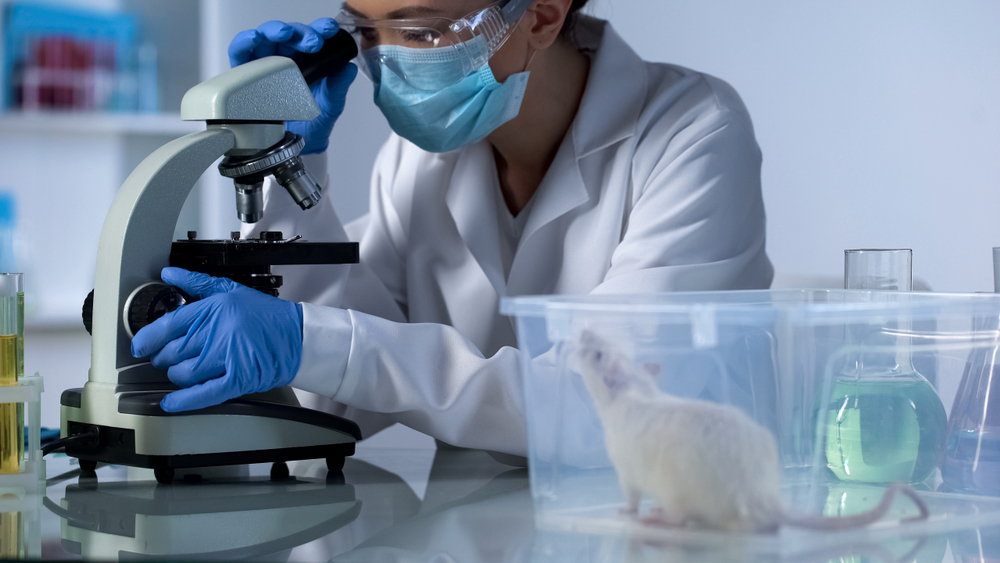
Another reason it is not a breakthrough is that major hurdles remain. Organoids lack blood vessels immune system interactions and the scale required for transplantation. These challenges are well known and researchers openly acknowledge them. Transparency about limitations is a strength not a weakness. It allows realistic planning for future research directions. It also reinforces scientific integrity.
Framing the research as valuable insight rather than a miracle cure respects both the science and the audience. It sets realistic expectations and encourages informed interest rather than fleeting excitement. Readers are better served by understanding process rather than promises. This approach builds lasting trust.
What Scientists Are Really Learning From These Replicas
One of the most significant benefits of kidney organoids is their ability to model human disease. Researchers can introduce genetic mutations associated with kidney disorders and observe how these changes affect development. This is far more accurate than relying solely on animal models. Human specific insights are especially valuable for complex diseases. They help bridge gaps between laboratory research and clinical reality.
The Science article notes that these replicas closely resemble kidneys at specific stages of fetal development. This allows scientists to study congenital kidney diseases that originate before birth. Understanding these early processes could eventually inform prevention or early intervention strategies. Such knowledge is difficult to obtain through other methods. Organoids offer a rare glimpse into early human development.
Drug testing is another area of promise. Kidney toxicity is a common reason medications fail during development. Organoids offer a way to test drug effects on human kidney tissue in a controlled environment reducing reliance on animal testing and improving safety predictions. This can save time resources and reduce patient risk. It also aligns with broader efforts to improve ethical research practices.
These insights do not grab headlines like transplant success stories but they have lasting value. They quietly improve the foundation on which future therapies may be built. Over time these foundational gains can translate into meaningful clinical advances. Their impact is cumulative rather than immediate.
Ethical and Practical Reflections on Lab Grown Organs
The idea of growing organs in laboratories raises ethical questions that deserve attention. Although kidney organoids are not sentient or functional organs their increasing complexity prompts discussion about how such research should be regulated. Ethical debate often evolves alongside scientific capability. Addressing concerns early helps avoid future controversy.
Using human stem cells also requires careful oversight. Ethical frameworks have evolved alongside the science ensuring informed consent responsible sourcing and transparency. These considerations are part of why progress can appear slow but they are essential for maintaining public trust. Responsible research depends on these safeguards. Without them scientific advances could lose legitimacy.
Practically there is also the issue of access. Even if organoid based therapies become viable in the future ensuring equitable availability will be a challenge. Lessons from other medical technologies suggest that early planning is crucial. Cost infrastructure and policy all influence accessibility. Ignoring these factors can widen health disparities.
By addressing ethical and practical questions alongside scientific ones researchers demonstrate a holistic approach. This reinforces the idea that insight driven research can be as important as immediate application. It also shows respect for societal impact. Science does not exist in isolation from the public.
How This Research Fits Into the Bigger Picture of Kidney Health
Kidney disease affects millions worldwide and the shortage of donor organs remains a serious problem. While organoids will not solve this crisis anytime soon they contribute to a broader strategy of understanding and managing kidney health. Knowledge gained from research informs prevention and treatment alike. Even indirect benefits can have wide reach.
Better disease models can lead to improved treatments that slow progression or prevent failure altogether. Even small improvements in early diagnosis or drug safety could have widespread impact given the prevalence of kidney disorders. These gains can improve quality of life for many patients. They also reduce long term healthcare costs.
The BBC has previously highlighted how early kidney research laid groundwork for later advances. Seen in this context today’s organoid studies are part of a long continuum rather than isolated events. Each study adds a piece to a larger puzzle. Progress becomes clearer when viewed over decades.
This perspective encourages patience and sustained investment. It reminds readers that meaningful medical progress often comes from cumulative insight rather than dramatic moments. Long term commitment is essential. Short term expectations can obscure real progress.
Reflecting on What Readers Can Take Away
For readers encountering these stories it is helpful to approach them with curiosity rather than expectation. The real value lies in understanding how science works and how knowledge grows over time. This mindset encourages learning rather than disappointment. It also fosters respect for the research process.
Recognizing that not every headline signals an imminent cure can prevent frustration and cynicism. Instead it fosters appreciation for the careful work that underpins future breakthroughs. This perspective supports informed public discourse. It also reduces susceptibility to misinformation.
This research into kidney organoids offers a lesson in scientific humility. It shows how far researchers have come and how far they still have to go without promising more than evidence supports. Honest assessment strengthens credibility. It also guides responsible optimism.
In a world hungry for quick solutions these quiet insights may be exactly what medicine needs most. They remind us that progress is often steady rather than spectacular. Over time such progress can change lives in profound ways.
Featured Image Credit: Image by MaryAnne Achieng/Lindström Lab/USC Stem Cell