

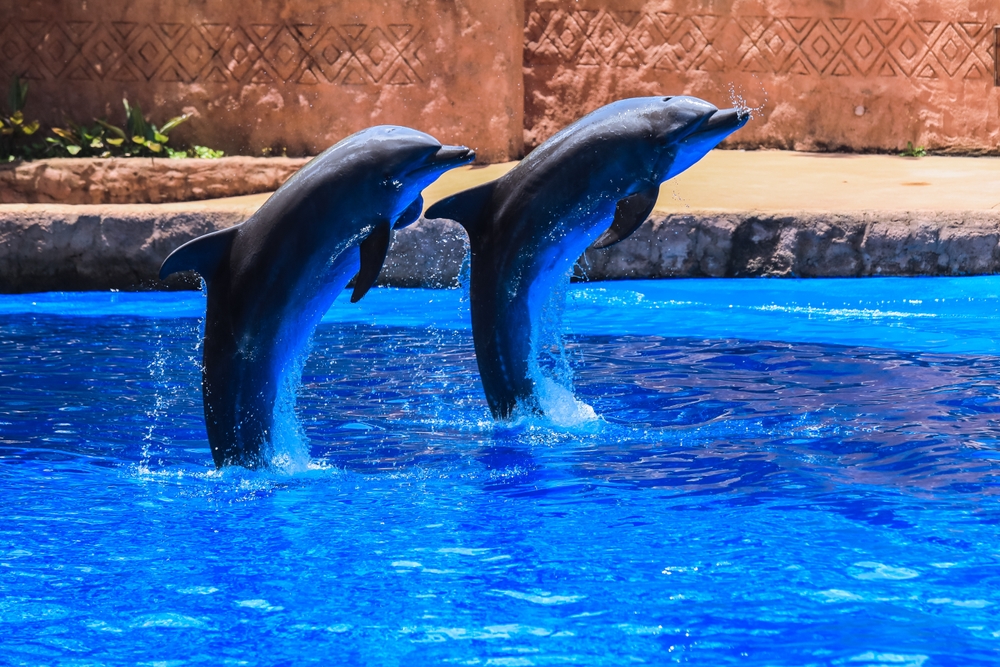
For decades, dolphin shows were sold to the public as harmless family entertainment, carefully packaged as educational experiences that celebrated intelligence, connection, and joy. Visitors were encouraged to believe that dolphins thrived in captivity, that their playful behavior and constant “smiles” were signs of happiness rather than training or stress responses. Tourism campaigns reinforced the idea that swimming with dolphins or watching choreographed performances was not only acceptable, but beneficial for the animals themselves. Over time, this narrative became so normalized that few people questioned what life actually looked like for dolphins behind the glass walls and concrete pools.
That illusion has now been forcefully challenged. In a decision that marks a turning point for animal welfare policy in the region, Mexico has officially banned marine animal shows involving dolphins after a historic legislative vote. The move follows years of mounting pressure from scientists, advocacy groups, and members of the public who argued that the entertainment industry had long ignored overwhelming evidence of harm. For many campaigners, this vote is not simply about ending performances. It represents a broader reckoning with how society justifies the confinement of intelligent, emotionally complex animals for profit.
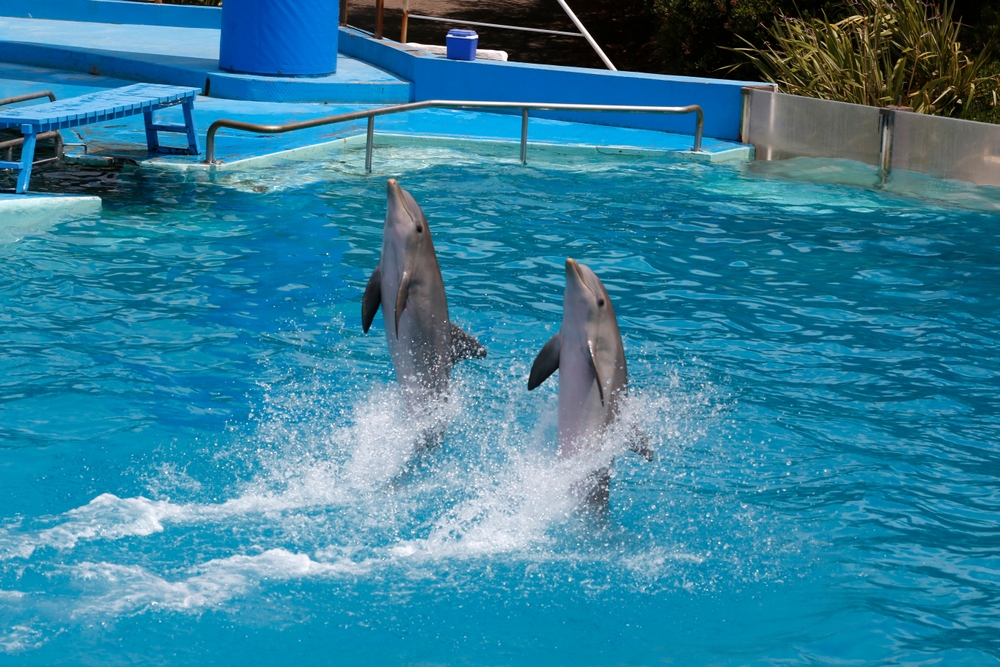
Image Credit: Shutterstock
A Legislative Vote That Redefined Entertainment
Mexico’s Senate and Chamber of Deputies, the country’s two main lawmaking bodies, voted to ban the use of dolphins in entertainment across the nation. Under the new law, dolphin shows, interactive tourist experiences, therapy programs, and research involving dolphins are no longer permitted unless they are directly related to species conservation. Perhaps most significantly, the legislation also bans the breeding of dolphins in captivity altogether, ensuring that no new generations will be born into marine parks.
This decision was the result of sustained debate rather than a sudden political shift. Lawmakers reviewed years of scientific research documenting the physical and psychological toll of captivity, as well as reports from animal welfare organizations that had investigated conditions inside dolphinariums. Public testimony and media scrutiny played a growing role, especially as videos and firsthand accounts from former trainers and visitors circulated widely online.
By approving the ban, Mexico formally acknowledged that entertainment alone can no longer justify the confinement of dolphins. The vote signals a redefinition of acceptable tourism and leisure in a society increasingly guided by evidence rather than tradition or spectacle.
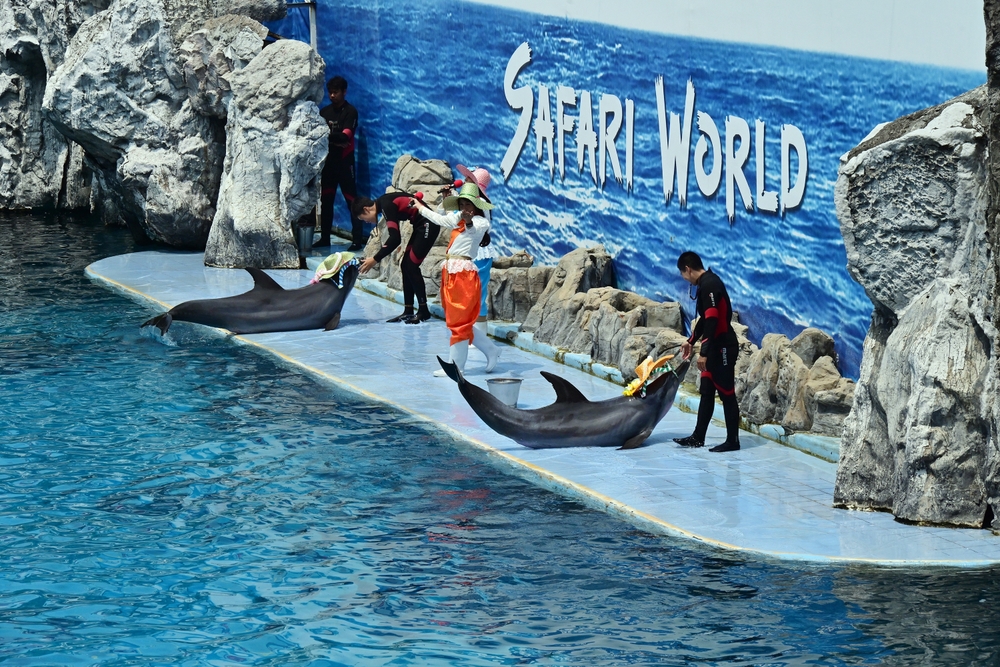
Image Credit: Shutterstock
What Happens to Dolphins Already in Captivity
One of the most immediate questions raised by the ban concerned the fate of dolphins currently living in marine parks across Mexico. Contrary to some assumptions, the law does not require these animals to be released into the wild. Instead, dolphins already in captivity will remain in their existing facilities, but under far stricter welfare requirements that apply for the rest of their lives.
Marine biologists have long cautioned that dolphins born or raised in captivity often lack the skills needed to survive independently in the ocean. Hunting live prey, navigating vast territories, and reintegrating into wild social groups are challenges that can prove fatal for animals accustomed to human controlled environments. Abrupt release, experts warn, could result in starvation, illness, or death.
As a result, the law places full responsibility on marine facilities to provide care that meets dolphins’ natural physical and behavioral needs. While the shows are ending, the obligation to ensure humane conditions does not disappear. Instead, it becomes a permanent legal duty.
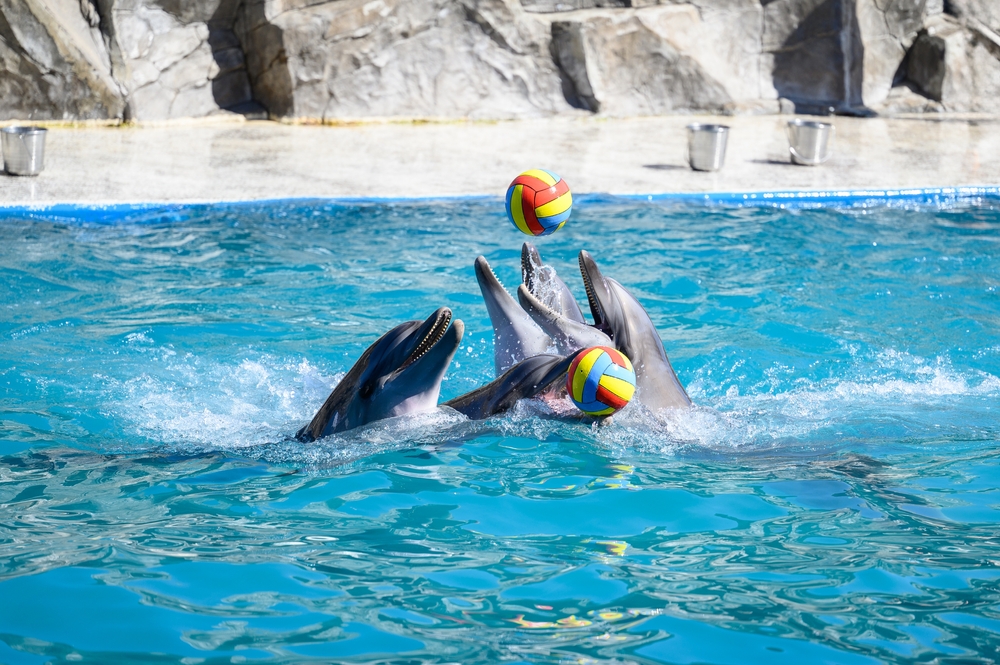
Image Credit: Shutterstock
Why Mexico Took This Step Now
Mexico’s decision follows years of pressure from scientists, animal rights groups, and concerned members of the public who increasingly questioned the ethics of dolphin entertainment. Momentum intensified after a well known dolphinarium in Riviera Maya was forced to shut down its shows following widespread backlash over animal welfare concerns. That closure became a flashpoint, drawing national attention to practices that had long escaped serious scrutiny.
Investigations conducted by organizations such as World Animal Protection revealed troubling realities behind the scenes. Over the past few decades, more than 300 dolphins have been used in Mexico’s entertainment industry, many of them born in tanks and never experiencing the open ocean. Reports documented dolphins exhibiting chronic stress, abnormal behaviors, and illnesses directly linked to confinement and forced performances.
As these findings reached a wider audience, public perception began to shift. What once appeared to be playful cooperation increasingly came to be understood as conditioned behavior shaped by control, dependency, and stress. The legislative vote reflects the moment when accumulated evidence finally outweighed economic and cultural inertia.
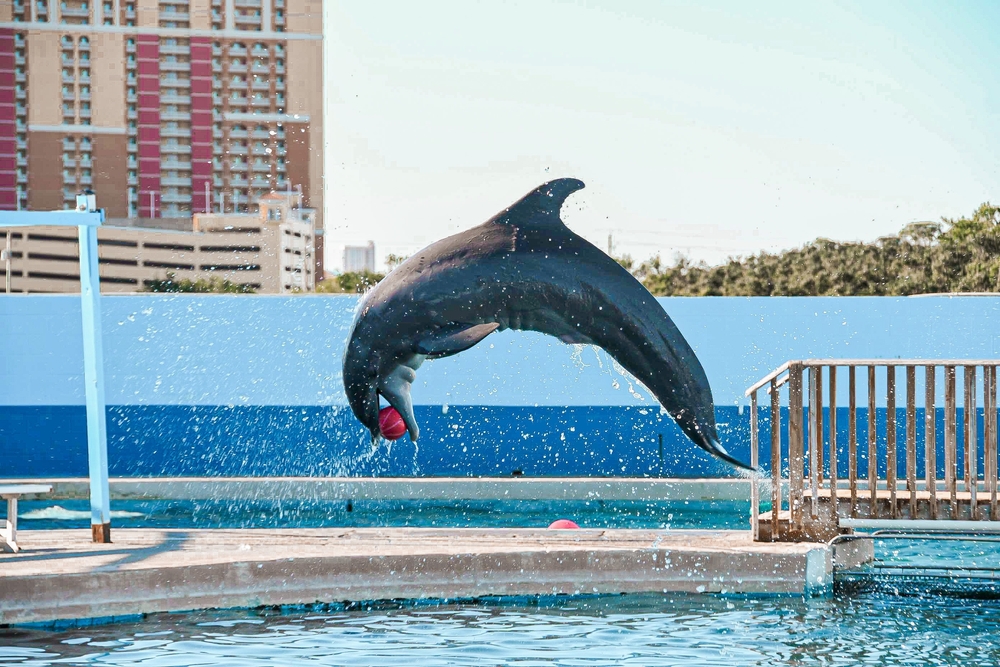
Image Credit: Shutterstock
The Dark Side of Dolphin Shows
Behind the polished image presented to tourists, campaigners argue that the reality of dolphin captivity has long been deeply troubling. Dolphins are wide ranging, highly social animals that can travel vast distances and maintain complex social bonds in the wild. In captivity, they are often restricted to small enclosures that limit movement, choice, and stimulation.
Numerous studies have linked captivity to repetitive swimming patterns, heightened aggression, and other behaviors recognized by scientists as indicators of compromised welfare. Physical health issues, including weakened immune systems and shortened lifespans, have also been documented at higher rates among captive populations compared to their wild counterparts.
As activists have repeatedly emphasized, dolphins may look happy performing tricks, but science shows they are often anything but. This growing understanding has played a central role in dismantling the long standing myth that performance is evidence of wellbeing.
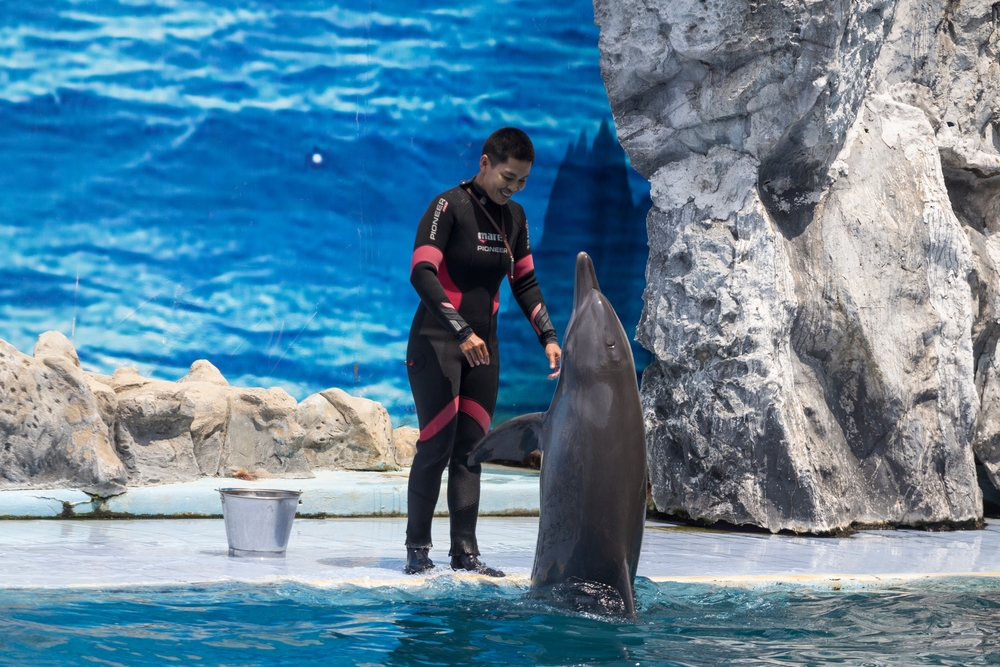
Image Credit: Shutterstock
“A Major Milestone,” Say Activists
Animal welfare advocates have welcomed the ban as a turning point. Eugenia Mora, a campaigner for World Animal Protection, described the new law as a “historic milestone” and urged other countries to follow Mexico’s lead. She stressed that the suffering documented in dolphinariums is not unique to one nation, but is a global issue observed from Spain to other parts of the world.
Support for the ban is firmly grounded in scientific consensus. In 2022, more than 100 scientists signed a public statement condemning dolphin captivity, warning of both physical and psychological harm caused by the tourism and entertainment industries. Their conclusions echoed decades of peer reviewed research on dolphin cognition, social complexity, and stress responses.
For campaigners, the alignment of science, public opinion, and political action represents a rare opportunity to create lasting change rather than symbolic reform.
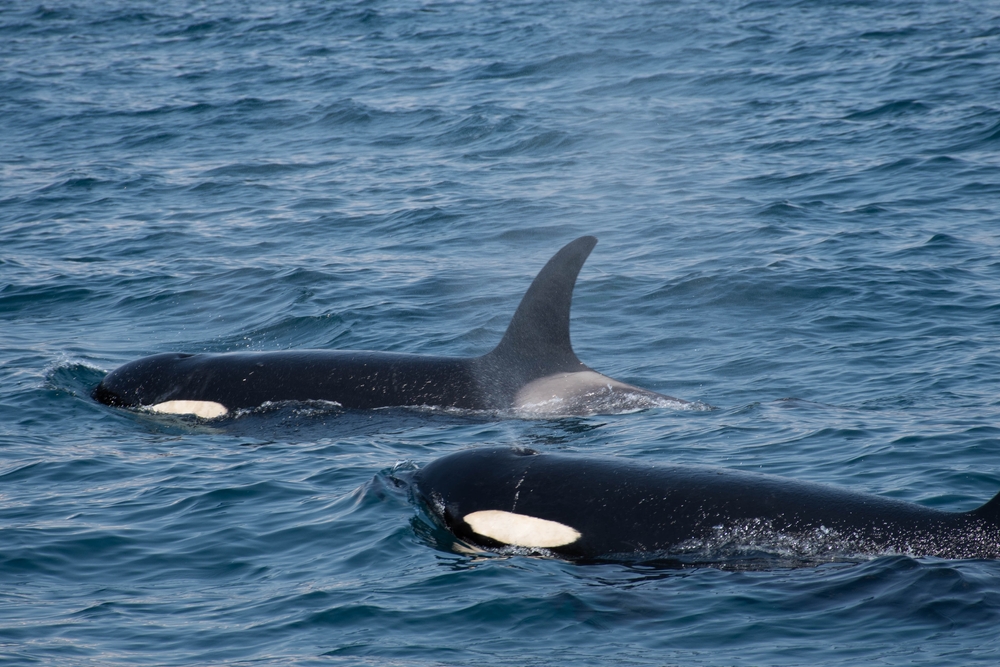
Image Credit: Shutterstock
How Mexico Compares to Other Countries
With this legislation, Mexico joins Costa Rica and Chile as one of only three Latin American countries to completely outlaw dolphin shows and captive breeding. These nations stand out in a region where marine tourism plays a significant economic role and regulatory reform can be politically challenging.
Elsewhere, progress has been uneven. Spain has banned wild animals in circuses, yet dolphinariums continue to operate. France has restricted the breeding of dolphins and orcas while allowing existing facilities to remain open. Each approach reflects different compromises between ethical considerations and economic interests.
Mexico’s decision strengthens a growing international movement that increasingly views dolphin shows as outdated practices rooted in an earlier era of animal exploitation.
Learning From Canada’s “Free Willy” Law
Mexico’s ban closely parallels Canada’s 2019 legislation known as the “Free Willy” law, officially titled Bill S 203, The Ending the Captivity of Whales and Dolphins Act. That law made it illegal to keep whales and dolphins in captivity for entertainment, breed them, or acquire new animals through capture or trade.
Like Mexico, Canada allowed animals already in captivity to remain under strict welfare standards rather than attempting release. The legislation followed years of public pressure, protests, and scientific reporting that reshaped how Canadians viewed marine mammal entertainment.
Advocates see these parallel decisions as evidence of a broader global shift, with societies increasingly unwilling to accept confinement as a form of amusement.
There Is a Better Way to See Wildlife
Ending dolphin shows does not mean abandoning meaningful encounters with marine life. Conservationists emphasize that responsible wildlife tourism offers ways to experience dolphins without forcing interaction or confinement. Observing animals in their natural habitats allows people to witness authentic behaviors while respecting the animals’ autonomy.
Ethical tours operate under guidelines designed to minimize disturbance and support conservation efforts, often benefiting local communities that depend on healthy marine ecosystems. These experiences can foster deeper appreciation than staged performances ever could.
Initiatives such as Whale Heritage Sites demonstrate that tourism and conservation can coexist when respect for wildlife comes first.
A Law That Reflects Changing Values
Mexico’s ban on marine animal shows reflects a broader transformation in how society understands intelligence, sentience, and responsibility. Dolphins are increasingly recognized not as attractions, but as complex beings with emotional lives, social bonds, and specific biological needs.
For decades, dolphins were trained to perform tricks in exchange for food, a system normalized through marketing and tradition. Today, that model is being challenged by evidence and ethics alike.
As more countries take similar steps, the hope expressed by advocates remains clear: a future where dolphins swim freely through open oceans rather than endlessly circling tanks, and where entertainment no longer comes at the cost of silent suffering.
Feature Image Credit: Shutterstock