


From Parasite to Tumor: How a Common Tapeworm Led to a Medical First
What doctors initially believed was an aggressive case of lung cancer in a 41 year old man in Colombia turned into one of the most extraordinary medical investigations in recent history. The patient had been experiencing fever, coughing, weight loss, and fatigue for months. Imaging scans revealed tumors spreading through his lungs and lymph nodes. On the surface, it appeared to be a devastating but familiar diagnosis. Yet when pathologists examined the biopsy samples more closely, they discovered something that did not align with any known form of human cancer. The cells multiplying inside his body did not behave quite like human cells, and that detail changed everything.
Researchers at the Centers for Disease Control and Prevention later confirmed that the tumors were made up of cancer cells that originated in a parasite known as Hymenolepis nana, commonly called the dwarf tapeworm. The findings were published in the Nov. 5 issue of the New England Journal of Medicine and marked the first documented case of a person becoming ill from cancer cells that developed inside a parasite and then spread into human tissue. What began as a puzzling cancer case became a discovery that has reshaped scientific understanding of how infection, immunity, and cancer biology can intersect in unexpected ways.
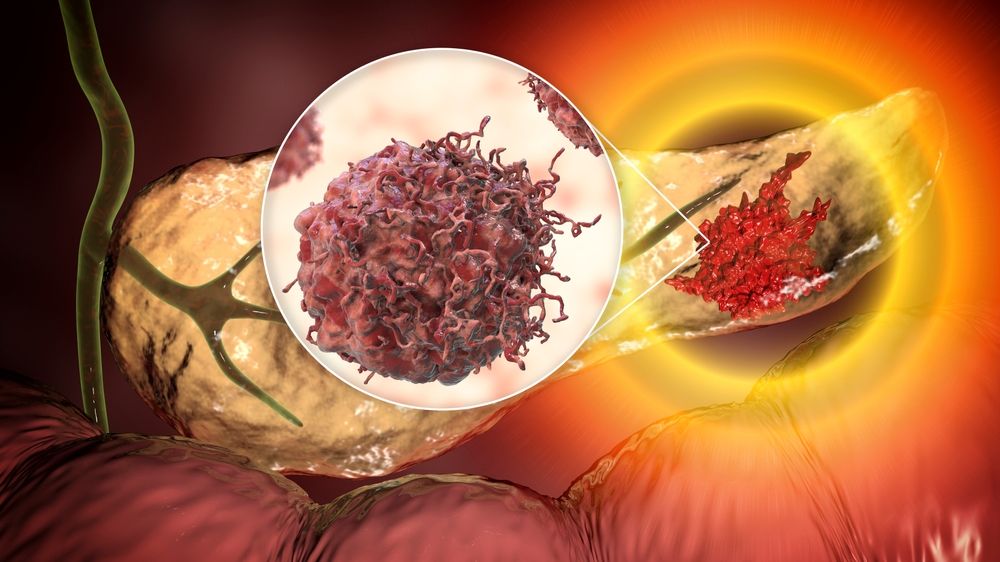
Image Credit: Shutterstock
A Case That Left Doctors Searching For Answers
The patient had been living with HIV for more than ten years but was not taking antiretroviral medication. As his symptoms worsened, doctors in Colombia conducted scans that showed multiple tumors. Biopsies were taken, and under the microscope the cells appeared malignant. They multiplied rapidly and crowded into tight spaces, features commonly associated with aggressive cancer. However, the cells were about ten times smaller than typical human cancer cells. That size difference immediately raised red flags among specialists.
The unusual characteristics did not stop there. Researchers observed that some of the cells were fusing together, which is rarely seen in human malignancies. The growth pattern was clearly cancer like, yet the biology did not fit established categories. Faced with a mystery, Colombian physicians contacted the CDC’s Infectious Diseases Pathology Branch, a unit dedicated to investigating unexplained illnesses and deaths. What followed was nearly three years of laboratory testing and analysis.
Dr. Atis Muehlenbachs, a staff pathologist at the CDC and lead author of the study, described the moment they understood what they were dealing with. “We were amazed when we found this new type of disease – tapeworms growing inside a person essentially getting cancer that spreads to the person, causing tumors,” he said. His words captured the disbelief felt by researchers who had never before documented cancer cells crossing from a parasite into a human host.

Image Credit: Shutterstock
The Breakthrough Discovery
After performing dozens of tests, including genetic analysis, researchers detected DNA from Hymenolepis nana within the tumor tissue. That discovery confirmed that the rapidly dividing cells were not human at all. Instead, they originated from the tapeworm living inside the patient’s body. The case became the first known report of a person becoming sick from cancer cells that developed in a parasite.
The finding was surprising because the tumor cells did not resemble typical tapeworm tissue under a microscope. Further tests were conducted to eliminate the possibility of contamination or laboratory error. Each round of testing pointed to the same conclusion. The parasite’s cells had undergone mutations, become cancerous, and invaded the patient’s organs.
Tragically, the patient died just 72 hours after researchers determined the cause of his tumors. His death underscored how aggressive the disease had become. It also intensified concerns that similar cases could be misdiagnosed as conventional human cancers, particularly in countries where access to advanced diagnostic testing is limited.
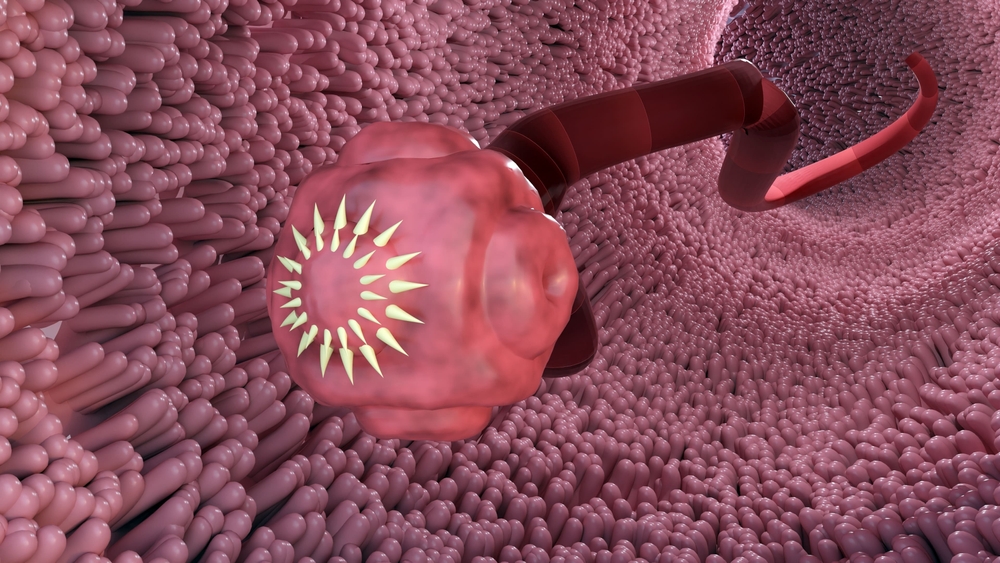
Image Credit: Shutterstock
The Role Of HIV And Immune Suppression
A critical factor in this case was the patient’s untreated HIV infection. HIV weakens the immune system by targeting cells responsible for identifying and eliminating infections. When immune defenses are compromised, the body struggles to control pathogens that would otherwise remain contained. In this environment, parasites can multiply more easily and abnormal cell growth may go unchecked.
Researchers believe the tapeworm was able to thrive because the immune system could not suppress it effectively. As the parasite reproduced inside the body, mutations likely developed within its own cells. Over time, those mutated cells became cancerous. Without a functioning immune response to detect and destroy them, the malignant parasite cells spread into the patient’s tissues.
Dr. Muehlenbachs warned that although this type of event is believed to be rare, it may not be isolated. “We think this type of event is rare. However, this tapeworm is found worldwide and millions of people globally suffer from conditions like HIV that weaken their immune system. So there may be more cases that are unrecognized. It’s definitely an area that deserves more study.” His statement highlights the overlap between widespread parasitic infections and global immune suppressing conditions.

Image Credit: Shutterstock
Understanding Hymenolepis nana
Hymenolepis nana is not a rare organism. It is considered the most common tapeworm infection in humans, affecting up to 75 million people worldwide at any given time. The parasite spreads through food contaminated with rodent droppings, ingestion of infected insects, or accidental consumption of material contaminated with feces from an infected individual. Children are particularly vulnerable in areas where sanitation and hygiene infrastructure are limited.
One of the unique features of Hymenolepis nana is its ability to complete its entire life cycle within a single human host. Unlike many other tapeworm species that require intermediate hosts, this parasite can reproduce entirely within the small intestine of one person. That capability allows large numbers of worms to accumulate, especially when immune defenses are weak.
Most infections cause no symptoms or only mild digestive discomfort. In healthy individuals, the immune system usually keeps the parasite under control. In people with weakened immunity, however, the worm can multiply extensively. Scientists believe the parasite’s ability to evade immune detection may also have allowed its cancerous cells to survive and proliferate in the Colombian patient.
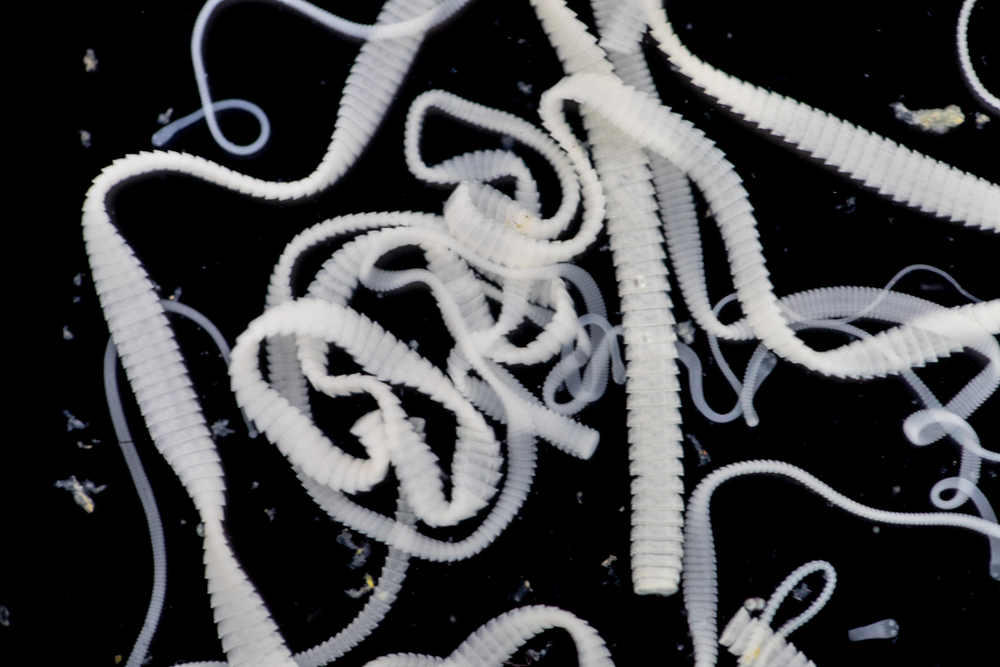
Image Credit: Shutterstock
Diagnostic Challenges And Global Concerns
One of the most troubling aspects of this case is how closely the tumors resembled human cancer. Without detailed genetic testing, the parasite derived cells could easily have been mistaken for an aggressive malignancy. In regions with limited laboratory resources, doctors may not have the tools to distinguish between human cancer cells and abnormal cells originating from parasites.
This raises concerns about potential misdiagnosis. In areas where HIV and Hymenolepis nana infections are common, patients with weakened immune systems who present with tumors might never receive an accurate explanation. Advanced molecular testing played a crucial role in solving this case, but such testing is not universally available.
The collaboration between CDC researchers and experts at the Natural History Museum in London also proved essential. Genetic data from preserved tapeworm specimens helped scientists confirm their findings. The partnership demonstrates how public health institutions and natural history collections can work together to solve complex medical mysteries.
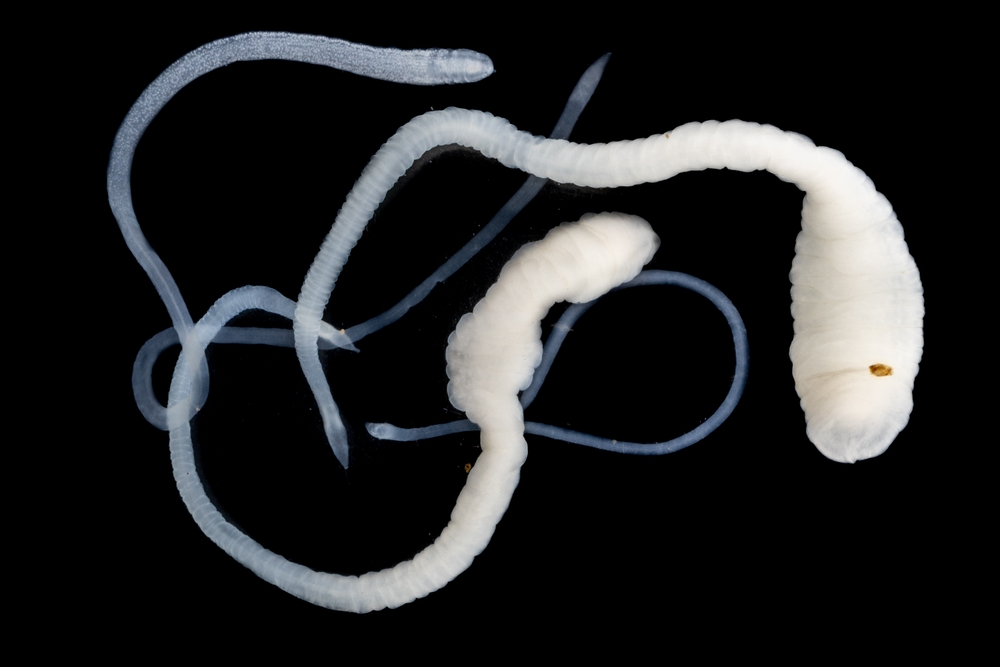
Image Credit: Shutterstock
Treatment Uncertainty
The discovery also presents a major treatment dilemma. Standard medications used to treat tapeworm infections target the parasite itself. However, once parasite cells become cancerous and invade human tissue, it is unclear whether antiparasitic drugs would be effective. The cancerous cells may behave differently from normal parasite cells.
On the other hand, conventional cancer treatments such as chemotherapy are designed to target rapidly dividing human cells. Whether those therapies would successfully attack parasite derived tumor cells remains uncertain. Researchers suggested that human cancer treatments might be beneficial, but there is currently no established protocol for cases like this.
The lack of clear treatment options makes awareness even more important. Early detection could potentially improve outcomes, but that requires clinicians to consider the possibility of parasite origin when encountering unusual tumors in immunocompromised patients.
Prevention And Public Health Measures
Although the cancer case itself appears rare, Hymenolepis nana infection is widespread. Public health officials emphasize the importance of sanitation and hygiene to reduce transmission. Washing hands thoroughly with soap and warm water, especially before preparing or eating food, can significantly lower the risk of infection.
Food safety is equally critical. Raw fruits and vegetables should be washed with safe water, peeled when possible, or cooked thoroughly. Avoiding exposure to food contaminated by rodents or insects is also important. These measures are particularly vital in areas where infrastructure challenges make sanitation difficult.
For individuals living with HIV or other immune suppressing conditions, adherence to prescribed medication is essential. Antiretroviral therapy strengthens the immune system and reduces the risk of opportunistic infections. Maintaining immune health not only prevents common infections but may also reduce the likelihood of rare complications such as those seen in this case.
A Case That Redefines Boundaries
This discovery forces scientists to reconsider assumptions about cancer biology. Cancer has long been understood as a disease that originates from mutations in a person’s own cells. The Colombian case demonstrates that under certain conditions, malignant cells from another organism can invade and grow within human tissue. It represents a rare crossing of biological boundaries.
The case also illustrates the complexity of global health challenges. Millions of people live with HIV. Tens of millions are infected with Hymenolepis nana. In communities where both conditions overlap, healthcare systems must be prepared for unusual presentations of disease. Strengthening diagnostic capacity and supporting infectious disease research remain critical priorities.
Above all, the case stands as a reminder of the importance of scientific persistence. It took years of investigation, multiple rounds of testing, and collaboration across institutions to uncover the truth. What initially appeared to be routine cancer turned out to be something never before documented. The discovery not only honors the patient whose case revealed this phenomenon but also expands medical understanding in ways that may protect others in the future.
Featured Image Credit: Shutterstock