
For decades, retirement has been sold as the ultimate reward. Work hard, push through the deadlines, survive the commutes, and one day you will finally be free. Free from alarm clocks. Free from office politics. Free from responsibility.
But what happens when the freedom arrives and feels strangely empty?
Many people picture retirement as a permanent holiday. Yet after the initial excitement fades, something quieter begins to surface. The structure that once shaped each day disappears. The title that defined identity is gone. The steady rhythm of meetings, conversations, and goals is suddenly replaced by open space. For some, that open space feels liberating. For others, it feels unsettling.
The truth is simple but powerful: you do not need to retire from something. You need to retire to something. And building that vision is one of the most important projects of your life.
The Shock No One Talks About
Several years ago, one professional found himself unexpectedly reorganized out of his corporate role at age fifty. He had never been unemployed. His sense of self worth and identity had quietly wrapped itself around his title, his responsibilities, and the respect attached to his position.
When that ended, it was not just a job loss. It was a loss of structure, confidence, and direction.
He later reflected that he had no exit strategy and no vision for the next phase of life. Like many people, he had defined himself by what he did rather than who he was becoming. The following two years were filled with uncertainty as he tried to redesign his future.
His experience is far from unique. Many retirees report that after the first few months of novelty, a sense of drift sets in. The routine that once provided purpose vanishes. The social circle shrinks. The feeling of usefulness becomes harder to access.
Research has linked the early phase of retirement to increased stress and even health risks. Some studies have suggested that individuals in their first year of retirement may face higher rates of heart attacks or strokes compared to those still working. While retirement can relieve workplace strain, it can also remove the mental stimulation and daily goals that keep the body and mind active.
This is not an argument against retirement. It is a reminder that it is a major life transition, not simply a vacation.
Old Retirement Versus New Retirement

The traditional model of retirement was built for a different era. Most people worked until sixty five, often without significant pension savings, and life expectancy was shorter. Retirement might last five or ten years. Rest was the primary objective.
Today the landscape looks very different. Many people retire earlier, and life expectancy in many countries now stretches well into the eighties. Retirement can easily last twenty or thirty years. That is nearly the length of a full career.
With that much time ahead, doing nothing is rarely satisfying.
In one company, a voluntary early retirement package was offered to two hundred employees. Leadership expected high uptake. Instead, very few accepted. When surveyed, employees revealed a common fear: they did not feel they had anything meaningful to retire to. Without alternatives, leaving felt risky and hollow.
This moment captures the core shift between the old and the new retirement.
The old retirement focused on escape. The new retirement requires design.
It is no longer enough to calculate whether savings will last. People must consider how they will build purpose, connection, and challenge into decades of life after full time work.
Why Purpose Matters More Than Ever

Work provides more than income. It delivers structure, routine, goals, and social interaction. It shapes identity. It answers the everyday question of what you are doing and why it matters.
When that structure disappears, people can feel unmoored.
Retirement depression is increasingly recognized as a real phenomenon. After the early relief of leaving work, some retirees experience sadness, anxiety, isolation, or a loss of confidence. They may struggle to relax because they are accustomed to productivity. Others may feel guilty about receiving pension income without actively working.
Common challenges include difficulty switching off from work mode, trouble filling the day with meaningful activity, and uncertainty about who they are without their professional label.
Purpose plays a protective role in both mental and physical health. Studies in psychology and aging consistently show that individuals with a strong sense of meaning experience lower rates of depression and cognitive decline. Purpose encourages activity, social interaction, and goal setting, all of which support resilience.
This does not mean retirement must be packed with constant busyness. It means there must be intention.
Seven Ways to Build a Vision for Your Golden Years

Creating a meaningful retirement begins long before your final day of work. It requires reflection and practical planning. The following approaches can help shape a future that feels energizing rather than empty.
- Design Your Time With Intention
Instead of imagining endless leisure, think about how your days will actually unfold. Work provides time management automatically. Retirement removes that framework.
Establishing a loose daily rhythm can restore balance. This may include regular exercise, social commitments, creative projects, or community involvement. A simple structure helps prevent the drift that can lead to isolation.
- Build on Existing Strengths
Rather than reinventing yourself completely, consider the parts of your current work and hobbies that you genuinely enjoy. Make a list of activities that energize you. Reflect on your favorite aspects of your job, your preferred hobbies, and the skills you have developed over decades.
A new life structure that leverages existing strengths is often more motivating than starting from scratch. Someone who loved mentoring colleagues might find fulfillment in coaching or volunteering. A professional who enjoyed organizing projects might bring that talent to a community initiative.
- Consider Gradual Transitions
Retirement does not have to be abrupt. Some individuals benefit from reducing hours, consulting part time, or taking extended leave before fully stepping away. This gradual approach eases the psychological shift and allows space to test new routines.
Part time work can also supplement income and preserve social interaction. It keeps the mind engaged without the intensity of a full time schedule.
- Invest in Social Connection
Many friendships are tied to the workplace. When retirement begins, those daily interactions disappear. Strengthening existing relationships and cultivating new ones becomes essential.
Joining clubs, community groups, or volunteer organizations can expand your network. Regular social contact reduces the risk of loneliness and reinforces a sense of belonging. Retirement transition programs and peer groups also provide shared understanding during this life phase.
- Commit to Lifelong Learning
The brain thrives on challenge. Learning a language, taking an art class, studying history, or mastering a musical instrument keeps cognitive pathways active. Education provides goals and measurable progress, both of which contribute to satisfaction.
Retirement offers the rare luxury of time. Channeling that time into learning prevents stagnation and reinforces identity beyond a past career.
- Protect Your Physical and Mental Health
A major life transition can strain both body and mind. Regular exercise, adequate sleep, and balanced nutrition become even more important after leaving work. Physical activity supports mood stability and cognitive health. Relaxation practices such as meditation or gentle yoga can reduce anxiety during the adjustment period.
At the same time, it is important not to eliminate all stress. Moderate challenges build resilience and keep the brain sharp. A life with no goals or expectations may seem appealing but can gradually erode vitality.
- Define What Success Looks Like Now
In a career, success is often measured by promotions, income, or recognition. In retirement, the metrics change.
Success might mean meaningful contribution, strong relationships, personal growth, or creative expression. Taking time to clarify your values allows you to align your activities with what truly matters in this stage of life.
This is not about filling every hour. It is about shaping a life that feels aligned and purposeful.
The Emotional Adjustment Is Real

Even with preparation, retirement can stir complex emotions. It is common to experience a mix of relief, grief, excitement, and uncertainty. Acknowledging these feelings without judgment is part of healthy adjustment.
Resilience becomes a central skill. Viewing retirement as a journey rather than a final destination allows room for experimentation. Plans may evolve. Interests may shift. The ability to adapt reduces pressure and opens new possibilities.
Talking with a partner, trusted friend, or coach can clarify thinking. Retirement affects not only the individual but also family dynamics. Couples who suddenly spend far more time together may need to renegotiate routines and personal space. Honest conversation helps prevent resentment and misalignment.
Gratitude can also reshape perspective. Recognizing the freedom, time, and accumulated wisdom that come with this phase reframes retirement as opportunity rather than loss.
Two Paths: Drifting or Engaged Living
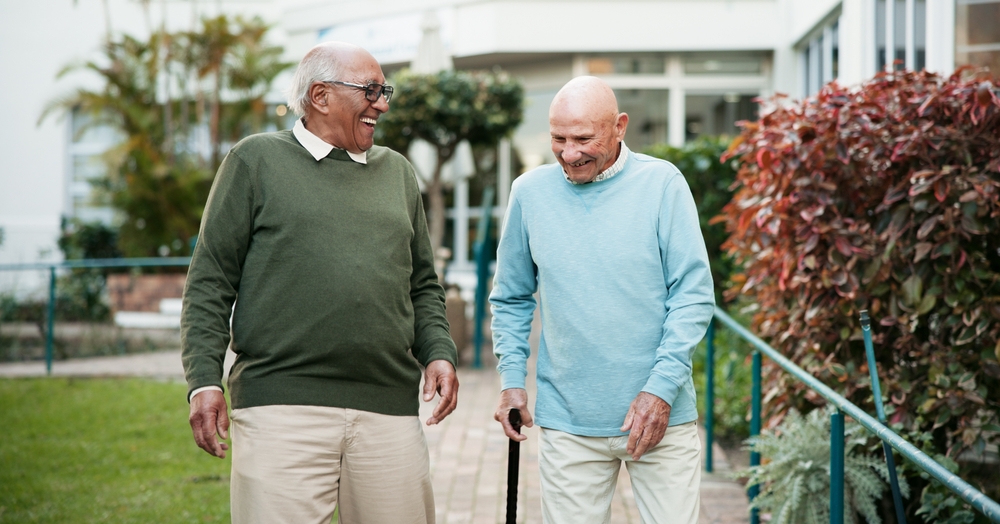
In many families, contrasting examples illustrate the stakes.
Some retirees drift. Their days revolve around television, errands, and occasional appointments. There may be comfort in simplicity, yet over time a subtle dissatisfaction can emerge. Without goals or engagement, days blur together.
Others embrace engaged living. They volunteer, mentor younger generations, pursue creative passions, stay physically active, and cultivate strong social networks. Their calendars may be full, but more importantly, their lives feel meaningful.
The difference is not wealth or status. It is intention.
Engaged living does not require grand achievements. It requires participation. Showing up to a community meeting, tending a garden with care, learning a new skill, or offering time to a local cause all contribute to a sense of usefulness.
With life expectancy stretching decades beyond traditional retirement age, the choice between drifting and engaged living becomes more significant. Twenty or thirty years of passivity can feel long. Twenty or thirty years of growth can feel expansive.
Retiring to Something Changes Everything

When people retire from something, they focus on what they are leaving behind. The demanding boss. The commute. The deadlines.
When people retire to something, their attention shifts toward possibility. Contribution. Creativity. Connection. Health. Learning.
That subtle shift transforms the narrative.
Retirement becomes less about withdrawal and more about redirection. It becomes a second act rather than an epilogue.
The corporate professional who lost his job at fifty eventually founded a company dedicated to lifestyle transition planning and retirement education. His personal crisis evolved into purpose. He discovered that thousands of people struggle silently with the same questions about identity and direction.
His lesson echoes widely: without a vision, retirement can feel like standing still. With a vision, it can feel like stepping into a new chapter deliberately designed.
A New Chapter Begins
Retirement is one of the few life stages where time expands rather than contracts. After years of responsibility, there is finally space to choose.
That space can feel intimidating. It can also feel liberating.
The difference lies in preparation and perspective.
Building a vision does not require dramatic reinvention. It requires thoughtful reflection on strengths, values, and interests. It requires nurturing relationships and protecting health. It requires the courage to set new goals even after a long career of achievement.
Most importantly, it requires understanding that purpose does not expire at sixty or seventy. It simply changes form.
You do not need to retire from something. You need to retire to something.
The golden years are not defined by rest alone. They are defined by meaning, connection, and continued growth. When approached with intention, retirement can become one of the most creative and fulfilling seasons of life.