

In a carefully temperature-controlled hatchery in southern England, a life no bigger than a human hand has just made history. Sea Life Weymouth has announced the birth of Henry, a fairy penguin chick belonging to the smallest penguin species on Earth. Born on 30 January, the tiny arrival represents far more than an adorable photo opportunity. His hatch marks the continuation of a highly specialised breeding programme that has taken years of expertise, planning, and refinement to establish. In a country far removed from the coastlines of Australia and New Zealand, the safe arrival of a little blue penguin is both rare and deeply significant.
For the animal care team who stood by during the crucial moments, the experience carried enormous emotional weight. The aquarium described the event as “absolutely magical,” a phrase that captures the blend of relief, pride, and wonder that follows a successful hatch. Every stage leading up to that moment involved constant monitoring, environmental adjustments, and contingency planning. Henry’s birth was not simply a lucky outcome. It was the result of six years of dedicated breeding work, careful species management, and a commitment to ensuring that Europe’s only colony of little penguins continues to grow steadily and sustainably.
A Fragile Start That Required Expertise
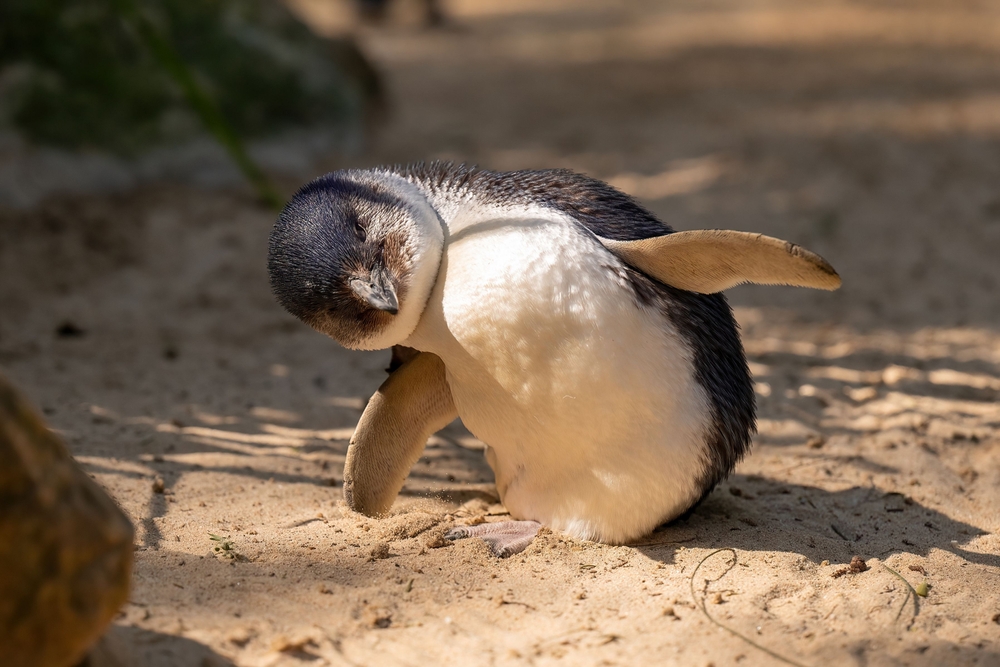
Henry belongs to the fairy penguin species, often referred to as little blue penguins because of their distinctive blue-grey feathers. As adults, they stand at just 30 to 40 centimetres tall, making them the smallest of all penguin species worldwide. At only days old, Henry is dramatically smaller than even that modest measurement, with soft down feathers covering his body and movements that are still tentative and uncoordinated. Photographs released by the aquarium show him nestled carefully in a gloved hand, offering a powerful visual reminder of how delicate life can be in its earliest stages.
His journey into the world was not without difficulty. According to the aquarium, the chick initially struggled to break free from his shell and needed some gentle assistance from an expert animal care team. Seb Webster, General Manager at Sea Life Weymouth, said: “Watching him break free from his shell, with a little helping hand from our animal care experts, was an incredibly special moment.” Intervening in a hatch requires a precise balance of timing and skill, as stepping in prematurely can cause harm, while waiting too long can increase the risk to the chick. In Henry’s case, that carefully measured support helped secure a safe outcome.
Henry is the second of two eggs laid by first-time breeding pair Tyrion and Dandy. For new pairs, the breeding season can involve a learning curve as they adjust to nesting behaviours and parental responsibilities. The Sea Life Centre described the successful hatch as “a significant milestone” and “especially exciting,” emphasising how meaningful this moment is for the facility. With Henry’s arrival, the colony now totals 42 little penguins, a figure that reflects steady growth over the past six years.
The Decision to Hand Rear Henry
Although Henry’s parents remain part of the colony, the aquarium has chosen to hand rear him to maximise his chances of thriving. The decision was made to give the chick the best possible chance of survival, while allowing Tyrion and Dandy to focus on raising one sibling naturally. In structured breeding programmes, this strategy helps balance parental workload and chick welfare, particularly when pairs are new to breeding.
Hand rearing involves an intensive daily routine. Henry is fed four times a day with specially prepared fish fillets designed to meet his nutritional needs at this stage of development. His weight is measured consistently, and his feeding responses are closely observed to ensure he is digesting properly and building strength. Keepers have reported that he has been “tucking into his fish fillets from day one,” an encouraging sign that he is adapting well and demonstrating healthy instincts.
The hatchery environment is designed to replicate the warmth and security of a natural nest while providing constant oversight. Temperature and humidity are carefully controlled, and hygiene protocols are maintained to minimise the risk of infection. Staff monitor his breathing patterns, posture, and energy levels throughout the day, ready to respond quickly to any change. These early weeks are critical, and each carefully managed feed contributes to building the resilience he will need for the next stages of life.
While he waits for other eggs still in incubation to hatch, Henry has been given a cuddly toy penguin for companionship. Images of the tiny chick resting beside the plush figure have resonated strongly with visitors, highlighting not only the vulnerability of the newborn but also the compassionate care surrounding him.
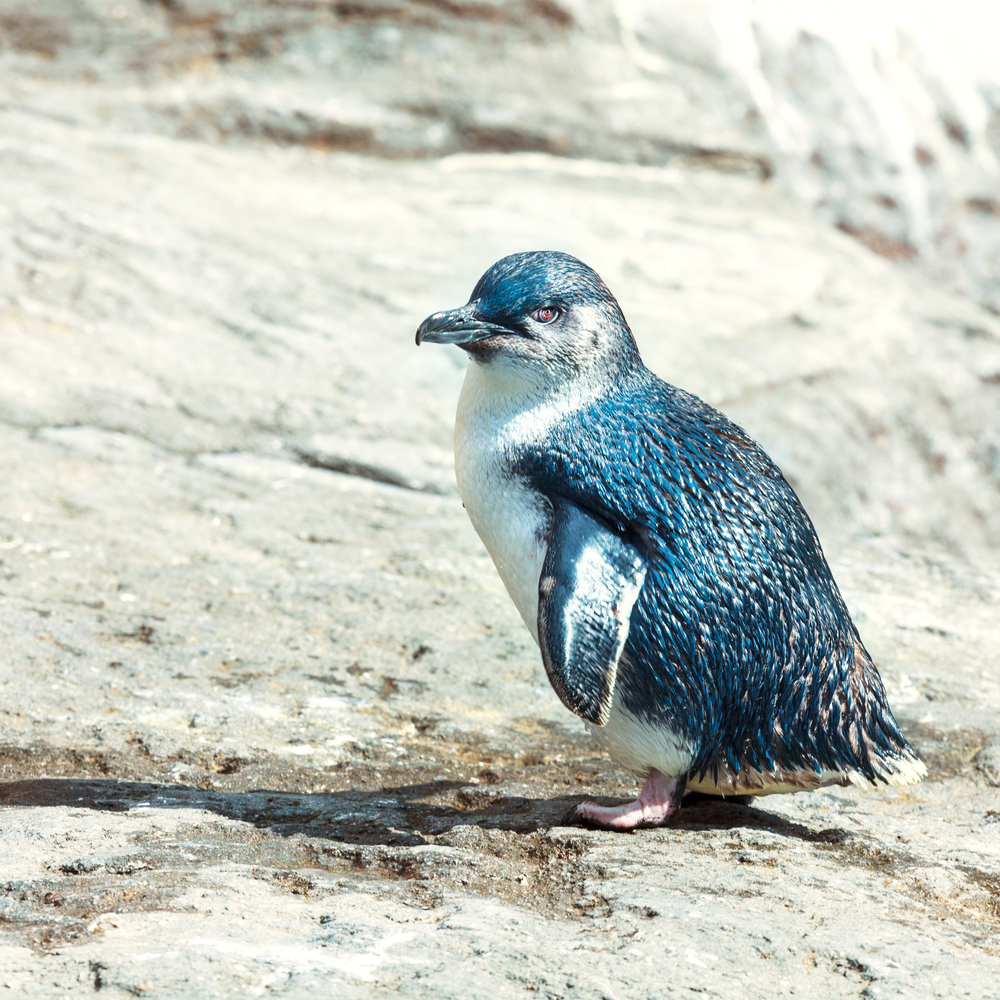
Image Credit: Shutterstock
The Challenges of Breeding Little Penguins in Europe
Fairy penguins originate from the coastal regions of southern Australia and New Zealand, where they dig burrows in sandy soil or shelter among rocks and vegetation. Their natural environment differs significantly from the British coastline, meaning that maintaining a healthy colony in the UK requires extensive environmental simulation and technical expertise. Light cycles, water quality, diet composition, and nesting materials must all be adjusted carefully to mirror aspects of their native habitat.
Despite their small size, little penguins are agile swimmers and spend much of their lives at sea hunting for fish. They typically return to land under the cover of darkness, reducing the risk of predation. These behavioural traits are considered when designing habitats in managed facilities, ensuring that birds retain natural rhythms and social interactions.
Sea Life Weymouth became the first facility in Europe to successfully breed this species and has continued refining its approach for six years. Webster stated: “Henry’s successful hatching is a wonderful testament to six years of dedicated breeding work here at Sea Life Weymouth.” Being home to Europe’s only colony places the aquarium in a unique position, with each successful hatch strengthening the stability and genetic diversity of the group.
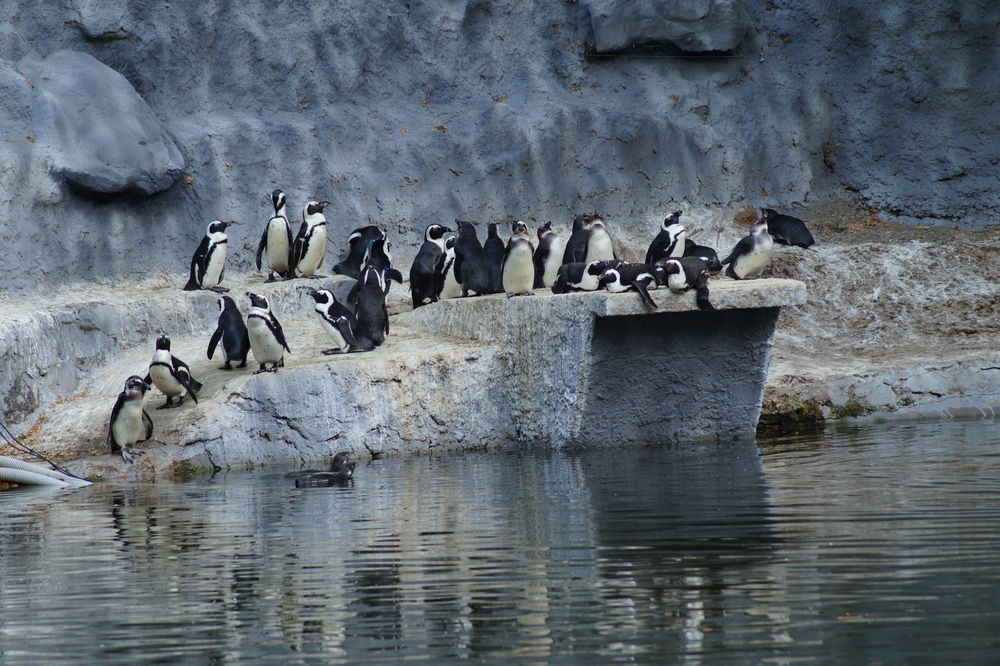
Image Credit: Shutterstock
What Comes Next for the Tiny Chick
For approximately 45 days, Henry will remain in the specialist hatchery where his growth will be closely monitored. During this period, he will transition from soft chick down to more structured juvenile feathers, a crucial step in preparing for life in water. Muscle strength, coordination, and immune development all progress rapidly during these early weeks, laying the foundation for his future independence.
Once he has grown stronger, Henry will be moved to a dedicated pen within the main penguin enclosure. This gradual transition allows him to acclimatise to new sounds, movement, and the presence of other penguins while still receiving supervised care. Social bonding is important in penguin colonies, and careful introduction helps maintain harmony within the group.
Before he can fully join the colony, Henry must complete his first moult and pass a swimming assessment to confirm that his feathers are completely waterproof. Waterproofing is essential for thermoregulation, as penguins rely on tightly packed, oil-coated feathers to trap warmth while submerged. Without this natural insulation, exposure to water could quickly compromise his health.
Visitors during the half term holidays may catch a glimpse of Henry during one of his four daily feeds on behind the scenes tours, although the aquarium has noted that this cannot be guaranteed. To celebrate his arrival, anyone named Henry can receive free entry between February 9 and February 15 with valid identification, adding a lighthearted community element to a scientifically significant event.
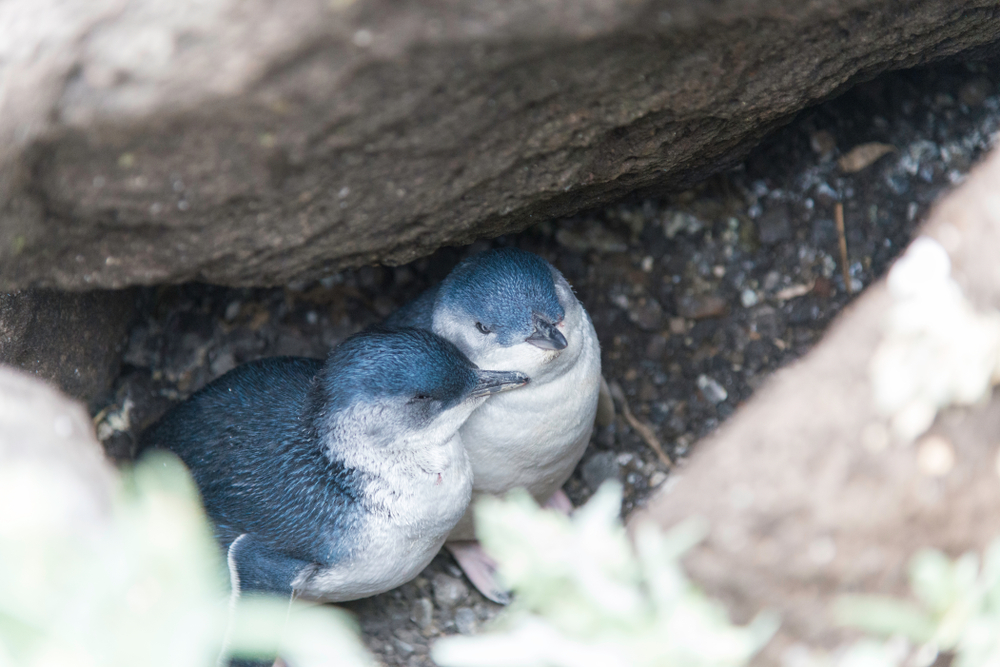
Image Credit: Shutterstock
Why Henry’s Arrival Carries Broader Meaning
At first glance, Henry’s story appears to be a heartwarming tale of a tiny penguin chick overcoming a difficult hatch. Yet beneath the surface lies a deeper message about the complexity and value of conservation work. Structured breeding programmes demand genetic management, environmental precision, nutritional planning, and veterinary oversight. Each successful chick represents the culmination of countless hours of preparation and expertise.
While little penguins are not currently categorised as globally endangered, their natural habitats face pressures from coastal development, climate change, marine pollution, and shifts in fish populations. Facilities like Sea Life Weymouth play a role in raising awareness, educating visitors, and maintaining stable populations under professional care. The phrase “a significant milestone” reflects not only Henry’s safe arrival but also the broader progress of the programme itself.
In a time when environmental news can often feel overwhelming, stories like Henry’s provide a different perspective. They demonstrate that meaningful progress often occurs quietly, through steady commitment rather than dramatic gestures. The careful decision to assist a struggling chick, the discipline of four daily feeds, and the patience required to monitor development all form part of a larger picture.
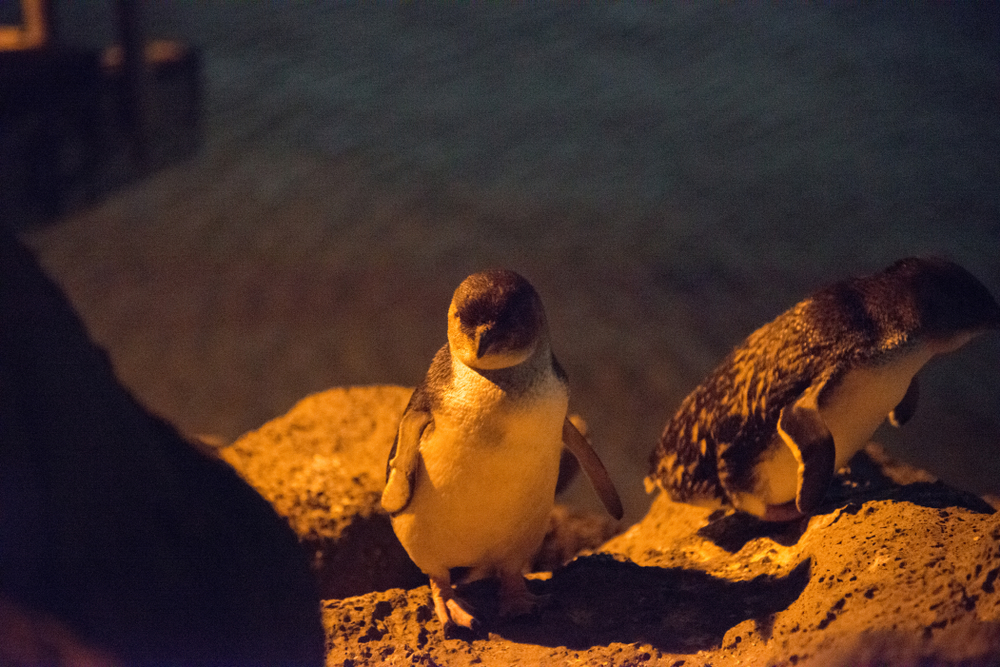
Image Credit: Shutterstock
A Tiny Beginning With Lasting Impact
Henry may weigh only a few grams, but his presence carries symbolic weight for the team that supported his hatch and the visitors who will follow his journey. For the staff who witnessed his first movements outside the shell, he represents validation of years of dedicated work. For families, he offers a tangible connection to wildlife that might otherwise feel distant or abstract.
As he grows, moults, learns to swim, and eventually integrates fully into the colony, each stage will reflect the careful attention invested from day one. His development will be gradual, measured, and supported, mirroring the long term philosophy behind the breeding programme itself.
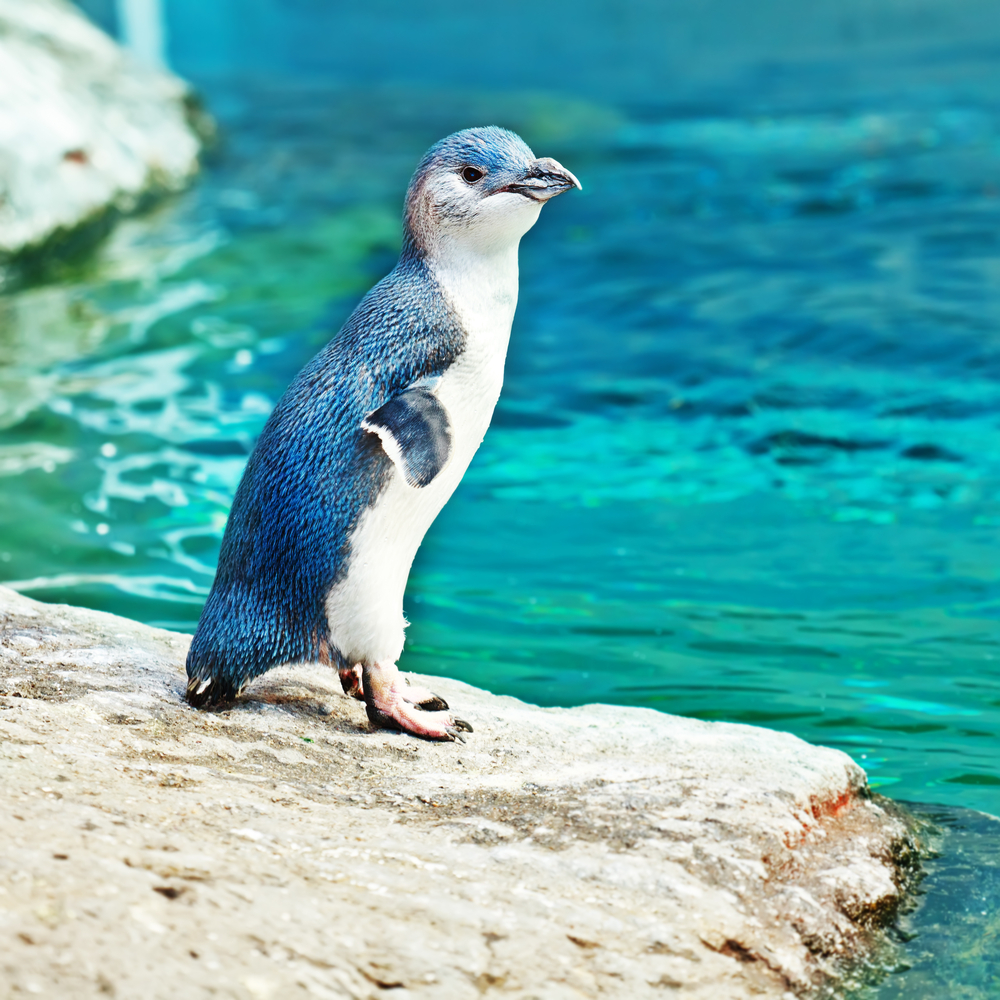
Image Credit: Shutterstock
Ultimately, Henry’s story is a reminder that conservation success is often built on incremental achievements. One healthy chick strengthens a colony, sustains a programme, and reinforces public engagement with marine life. Though he may be the world’s smallest penguin, his arrival carries a message that feels anything but small.
Featured Image Credit: Shutterstock