

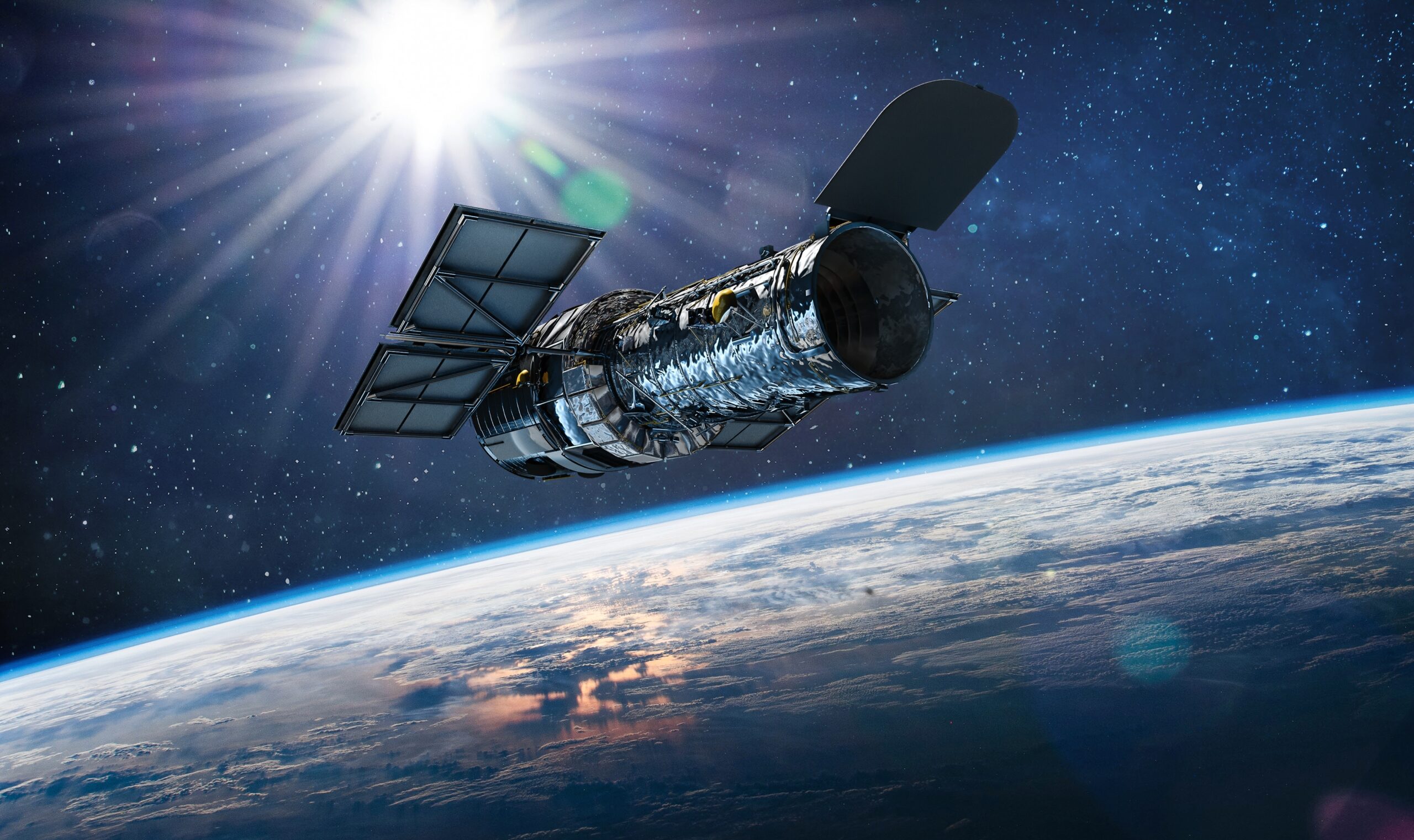
Why Earths Orbit Is Becoming A Satellite Graveyard
For thousands of years the night sky has been humanity’s greatest symbol of mystery and possibility. Ancient civilizations studied the stars to understand time, seasons, and the movement of the cosmos. Astrologers watched the heavens and believed the movements above reflected deeper patterns within human life. The sky represented harmony, a cosmic order where everything had its place.
In the modern era, however, humanity has begun leaving a different kind of imprint on the heavens. Thousands of satellites now orbit the Earth, supporting communication, navigation, weather forecasting, defense systems, and scientific research. While these technologies have transformed life on Earth, they have also created a growing and largely invisible problem: the accumulation of space debris.
Around our planet now exists a vast cloud of abandoned satellites, broken spacecraft parts, stray bolts, fragments of metal, and even tiny flecks of paint traveling at incredible speeds. Scientists estimate that tens of thousands of large pieces of debris and trillions of smaller particles circle the Earth at more than 28,000 kilometers per hour. Many of these objects are remnants of machines that once served humanity but now drift silently through space.
From a scientific perspective, this growing belt of debris poses serious risks to satellites, astronauts, and future missions. From a symbolic or astrological perspective, the phenomenon carries a striking metaphor. Earth’s orbit, once imagined as a pristine cosmic pathway, is slowly becoming a technological graveyard. The way humanity treats the space surrounding our planet may reflect deeper patterns in our relationship with nature, progress, and responsibility.
The Rise of the Satellite Age
The modern space age began on October 4, 1957 when the Soviet Union launched Sputnik, the first artificial satellite. It was a small metallic sphere with four antennas, yet its significance was enormous. For the first time in history, humans had successfully placed a machine in orbit around the Earth.
Sputnik opened the door to decades of technological advancement. Governments and later private companies launched satellites to monitor weather, map the planet, guide ships and aircraft, and connect people across continents. Satellites made GPS navigation possible. They enabled global television broadcasts and instant communication across the world.
Over time the number of objects in orbit multiplied rapidly. Today there are roughly nine thousand active satellites circling the Earth. In the coming decade that number could grow dramatically, with some estimates predicting more than sixty thousand satellites operating in low Earth orbit by 2030. These satellites form massive networks known as constellations, designed to provide global internet access and other services.
The growth of the satellite industry has been driven by both government space agencies and private companies. Space has become a frontier of commerce as much as exploration. Launches are more frequent than ever, and each rocket carries valuable instruments and infrastructure into orbit.
Yet every satellite has a limited lifespan. Just like machines on Earth, they eventually fail, run out of fuel, or become obsolete. When their missions end, they rarely return home.
The Silent Population of Dead Satellites
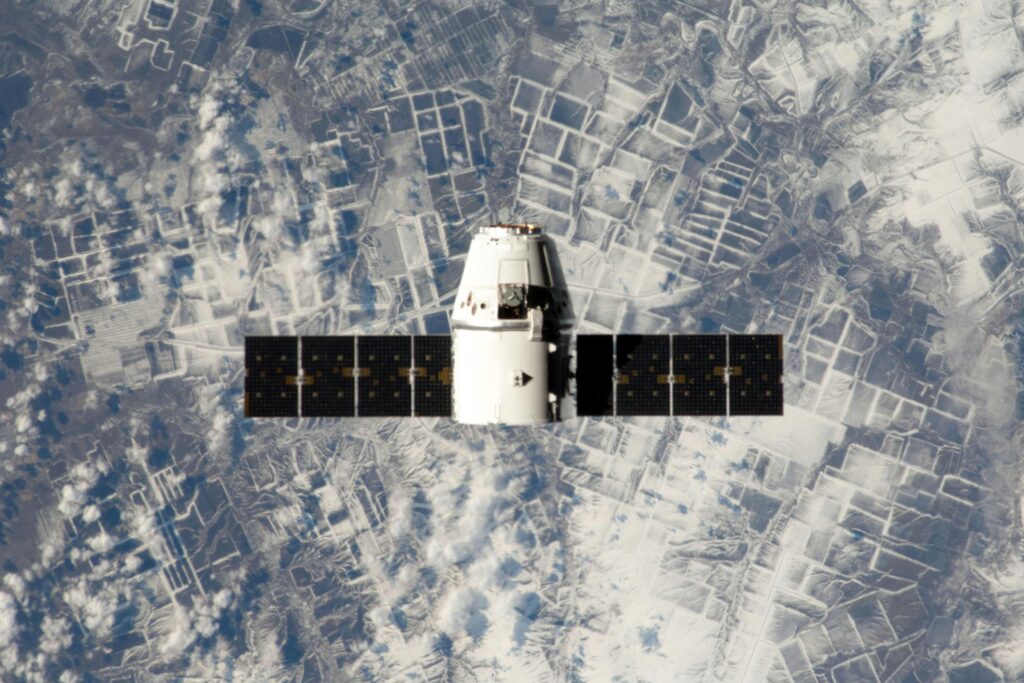
Satellites operate in some of the harshest conditions imaginable. They endure extreme temperature swings, constant radiation, and the relentless vacuum of space. Over time these conditions degrade electronics, weaken materials, and slowly push satellites toward the end of their operational lives.
When a satellite dies, engineers have only a few options. If the satellite is in a relatively low orbit, its final fuel reserves may be used to slow it down so that it falls back toward Earth. As it reenters the atmosphere, intense friction with the air causes the satellite to burn up. In many cases the process completely destroys the spacecraft before it reaches the ground.
For larger objects such as space stations or massive satellites, engineers carefully guide the debris toward remote regions of the ocean where any surviving fragments will fall harmlessly. One of these areas lies in the South Pacific and is often called the spacecraft cemetery. It is one of the most remote places on Earth, chosen precisely because almost no people live nearby.
But many satellites orbit far above the atmosphere where natural decay takes much longer. Bringing them back to Earth would require enormous amounts of fuel that the aging spacecraft no longer possess. Instead, engineers push them into a higher path known as a graveyard orbit.
A graveyard orbit sits roughly 36,000 kilometers above Earth, slightly beyond the altitude of most active geostationary satellites. Once a satellite is moved there, it remains drifting through space for decades or even centuries. These distant regions are filled with the quiet remains of technological missions long finished.
The name graveyard orbit captures the eerie reality. In a sense these satellites are the fossil record of humanity’s first steps into the cosmic environment.
The Growing Cloud of Space Debris
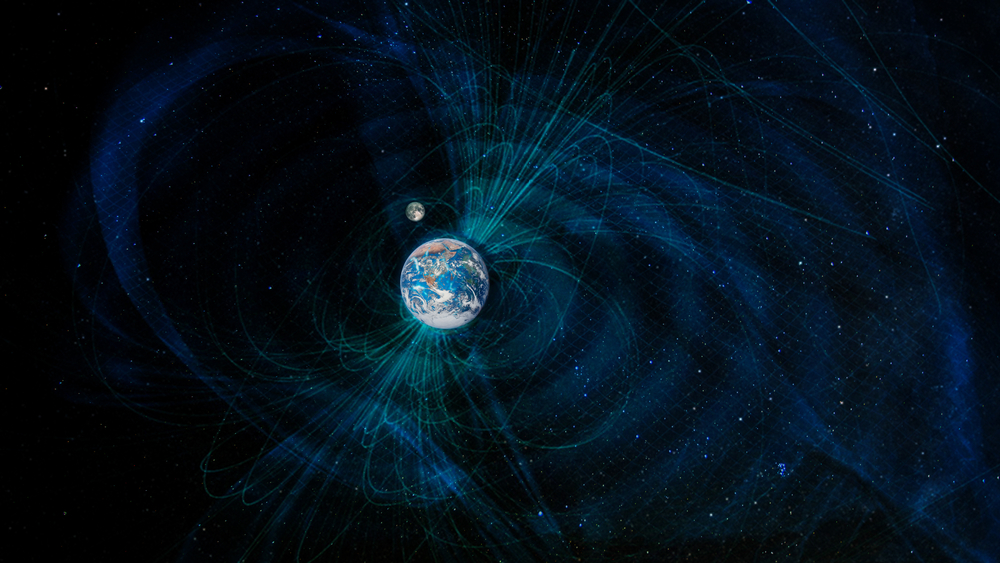
While some satellites are carefully moved or deorbited, many fragments are simply left where they are. Over time the number of objects in orbit has grown dramatically. Scientists estimate that the total number of human made objects and fragments in orbit may reach astonishing levels when counting even microscopic particles.
This debris ranges from large defunct satellites to fragments created by collisions or explosions. A single accident can produce thousands of new pieces of debris. Even something as small as a paint chip can be dangerous in orbit because of the incredible speeds involved.
At orbital velocity, tiny objects behave like bullets. A fragment only a few millimeters wide can puncture spacecraft surfaces or damage delicate instruments. Astronauts aboard the International Space Station have reported seeing small impact marks on the station’s exterior panels that resemble shotgun blasts.
Occasionally astronauts must retreat into their spacecraft and prepare for emergency evacuation if a swarm of debris passes dangerously close. The threat is real and growing.
Scientists worry about a phenomenon known as the Kessler Syndrome. This scenario describes a chain reaction in which collisions between objects create more debris, leading to more collisions, eventually filling entire orbital regions with dangerous fragments. If such a cascade were to occur, launching new satellites could become extremely difficult or even impossible.
In this sense, Earth’s orbit is slowly becoming cluttered with the relics of technological progress.
Echoes of Earth’s Environmental Challenges
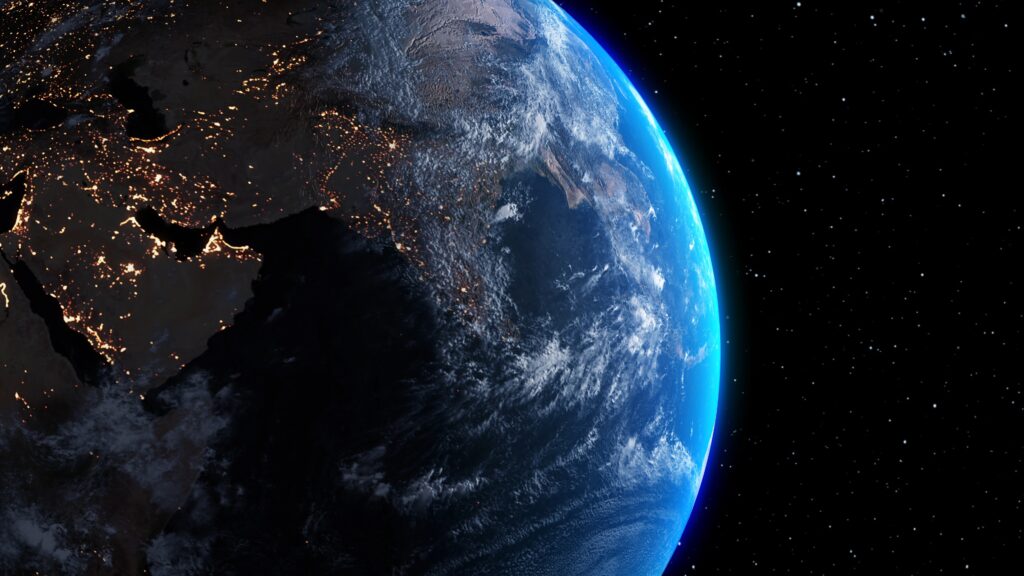
The problem of space debris has an uncanny resemblance to environmental issues closer to home. Researchers studying orbital debris have pointed out strong parallels with ocean pollution. Just as plastic waste accumulates in massive floating patches in the oceans, space debris is forming an artificial ring around our planet.
Marine biologists who have worked on plastic pollution have even joined space scientists in calling attention to the problem. They argue that humanity has already witnessed the consequences of neglecting environmental responsibility on Earth. Oceans filled with plastic waste show how quickly pollution can spiral out of control once it reaches critical levels.
Space may appear vast and empty, but the region immediately surrounding Earth is limited and valuable. Certain orbital paths are essential for communication satellites, weather monitoring systems, and scientific missions. If these zones become too crowded with debris, the risks could limit future exploration.
This comparison between ocean pollution and orbital debris carries an interesting symbolic resonance. Humanity has long believed the heavens were pure and untouched. Yet the same patterns of consumption and disposal that affect Earth are now extending into space.
A Call for a Circular Space Economy
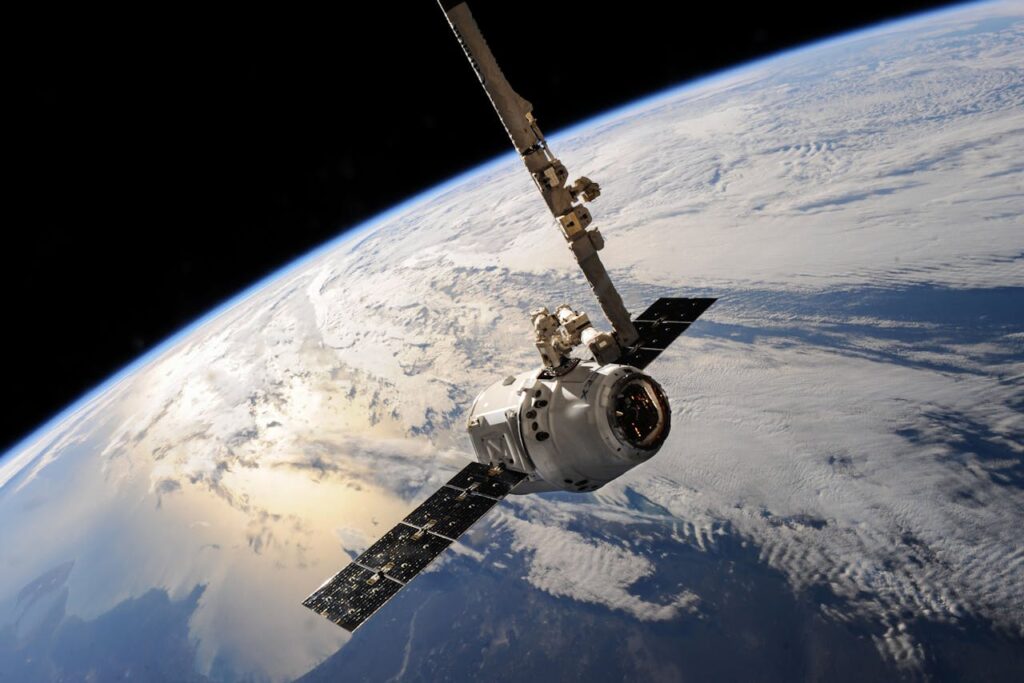
Recognizing the growing problem, scientists and engineers have begun exploring solutions. One promising concept is the creation of a circular space economy.
The idea borrows from sustainability models already used in industries on Earth. Instead of treating satellites and spacecraft as disposable tools, engineers would design them to be repaired, upgraded, reused, or recycled.
This approach follows the familiar principles of reducing waste, reusing materials, and recycling components whenever possible.
Future spacecraft might be built in modular sections that can be replaced or upgraded without discarding the entire structure. Satellites could dock with space stations that function as service hubs where refueling, repairs, or manufacturing take place.
Robotic systems might capture broken satellites and retrieve valuable materials from them. Nets, robotic arms, and other technologies are already being tested as potential debris collection tools.
Artificial intelligence may also play a role by helping spacecraft navigate safely through crowded orbital environments. By analyzing data from thousands of objects in orbit, AI systems could predict potential collisions and adjust trajectories in real time.
These innovations represent the beginning of a new philosophy about how humanity interacts with space.
The Astrological Symbolism of a Crowded Sky
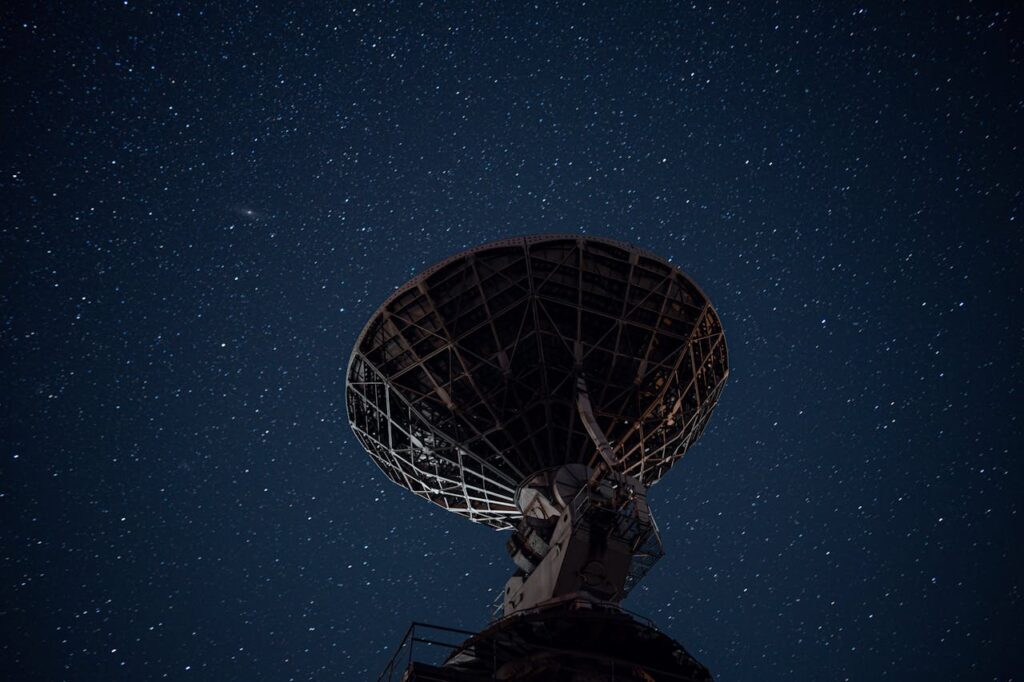
Beyond the engineering and scientific concerns, the phenomenon of orbital debris also carries symbolic significance. Astrology has always viewed the heavens as a mirror reflecting human behavior and collective evolution.
The sky above Earth once represented clarity and harmony. Planets moved through predictable patterns while stars formed the constellations that guided ancient travelers and inspired mythologies across cultures.
Today the near space environment around Earth contains the remnants of thousands of human creations. These machines are the physical manifestation of our technological ambitions, achievements, and sometimes our carelessness.
From a symbolic perspective, the growing cloud of space debris reflects a transitional moment in human civilization. Humanity has reached a stage where its technological influence extends beyond the planet itself. Our actions are beginning to shape the environment of space just as they have reshaped ecosystems on Earth.
Astrologically speaking, this period coincides with a broader cultural shift toward awareness and responsibility. Many astrologers associate the current era with themes of innovation, technological acceleration, and the need to harmonize progress with wisdom.
The sky is no longer only a spiritual symbol. It has become a working environment, an extension of human infrastructure. This shift challenges humanity to reconsider its relationship with the cosmos.
Humanity’s Expanding Cosmic Footprint
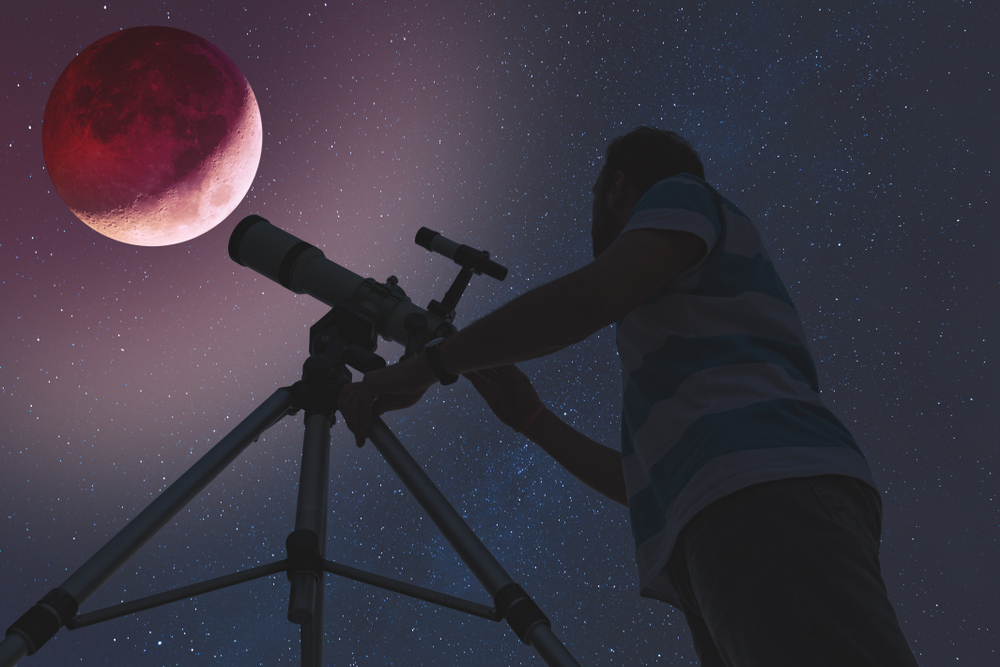
The presence of satellites and debris around Earth also marks the beginning of humanity’s long term expansion into space. Each piece of equipment launched into orbit represents a step in the species’ exploration beyond its home planet.
The satellites drifting silently above us are artifacts of a civilization learning how to operate in a new environment. Future generations may look back on this period as the earliest chapter in humanity’s cosmic story.
At the same time, the accumulation of space junk serves as a reminder that exploration carries responsibility. The same intelligence that allows humans to build advanced technology must also guide how that technology is used and maintained.
Scientists have already begun discussing international treaties to regulate satellite launches and debris management. Similar agreements have been successful in addressing other global environmental issues, including efforts to reduce plastic pollution in the oceans.
Cooperation between nations and private companies will likely play a crucial role in protecting Earth’s orbital environment.
Learning From the First Era of Space Exploration

In the early decades of the space race, engineers and policymakers focused primarily on achieving technological milestones. The excitement of exploration overshadowed concerns about long term sustainability.
Satellites were designed to accomplish specific missions, not necessarily to be recovered or reused. When their operational lives ended, they were simply left in orbit or moved aside.
Today the situation has changed. The rapid expansion of the space industry has made orbital sustainability a pressing issue. The number of launches continues to grow each year, and the risk of collisions increases as the orbital environment becomes more crowded.
Scientists now emphasize that future missions must be designed with their entire life cycle in mind. Satellites should include plans for safe disposal, controlled reentry, or relocation to graveyard orbits.
By learning from the early era of exploration, humanity has the opportunity to prevent the orbital environment from becoming permanently polluted.
A Mirror of Human Evolution
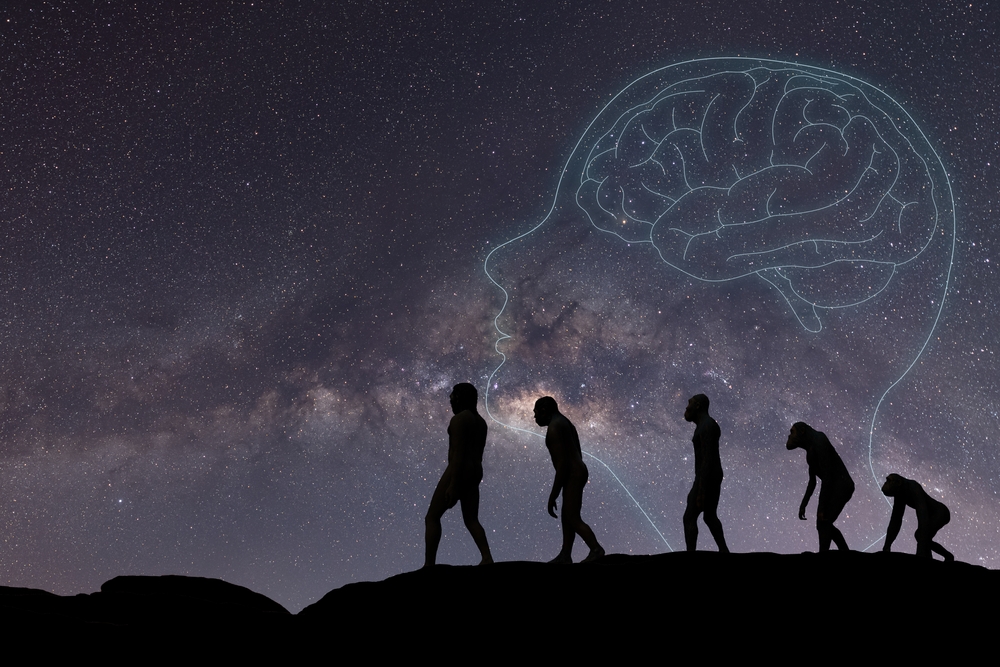
In a deeper sense, the story of space debris reflects the evolving consciousness of human civilization. The technologies orbiting Earth represent both our ingenuity and our challenges.
On one hand, satellites allow humanity to observe the planet, track climate change, monitor natural disasters, and connect billions of people through communication networks. They embody the remarkable creativity of the human mind.
On the other hand, the accumulation of debris reveals how easily progress can create unintended consequences.
Throughout history, every technological revolution has required societies to adapt their values and systems. The industrial revolution reshaped economies and ecosystems. The digital revolution transformed communication and information.
The expansion into space is the next chapter in that story.
The Future of Earth’s Orbital Environment
The future of Earth’s orbit will depend on choices made in the coming decades. If current trends continue without stronger regulations or technological solutions, the density of debris could increase significantly.
However, there is also growing awareness of the issue within the scientific community and the space industry. Engineers are developing spacecraft that can safely deorbit after their missions. Companies are experimenting with debris removal systems. International organizations are discussing new policies to manage orbital traffic.
These efforts suggest that humanity is beginning to recognize the importance of protecting the space environment.
Just as environmental movements on Earth emerged in response to pollution and ecological damage, a similar awareness is now forming in relation to space.
A New Relationship With the Sky
For most of human history, the sky was something we observed but could never influence. Today that relationship has fundamentally changed. Humanity has become an active participant in shaping the environment beyond the atmosphere.
The satellites orbiting Earth provide extraordinary benefits. They connect continents, guide travelers, monitor storms, and expand scientific understanding of the universe.
Yet the growing cloud of debris surrounding our planet reminds us that every technological advancement carries responsibility.
The concept of Earth’s orbit becoming a graveyard of old satellites may sound unsettling, but it also represents an opportunity. It highlights the need for a new phase of exploration that balances innovation with stewardship.
In the long arc of human evolution, this moment may mark the beginning of a deeper awareness about our role in the cosmos.
The same intelligence that allowed humanity to reach space will ultimately determine whether we treat the heavens as a dumping ground or as a shared environment worthy of care.
As humanity looks outward toward the Moon, Mars, and beyond, the lessons learned from managing Earth’s orbit will shape the ethics of our cosmic future.