

A Forgotten Pencil, A Moment That Refused To Disappear
Sometimes the most unforgettable moments begin in the quietest, most ordinary places, where nothing feels significant and everything blends into the rhythm of daily life, where a tool is set down for a second, a task is paused halfway through, and a small act of forgetfulness carries no weight at all, no sense of permanence, no hint that it will outlast the person who lived it or the day it belonged to, because in that moment it is just another passing second in a long sequence of similar seconds that seem destined to disappear without a trace, without leaving behind anything that would suggest it mattered.
Centuries later, that unnoticed moment is still waiting, unchanged in its simplicity yet completely transformed in meaning, not because it shaped history or altered the course of events, but because it remained while everything else moved forward, because time passed over it without erasing it, turning something once invisible into something impossible to ignore, giving weight to something that never asked for attention and never expected to be remembered.

A Simple Act In The 1600s
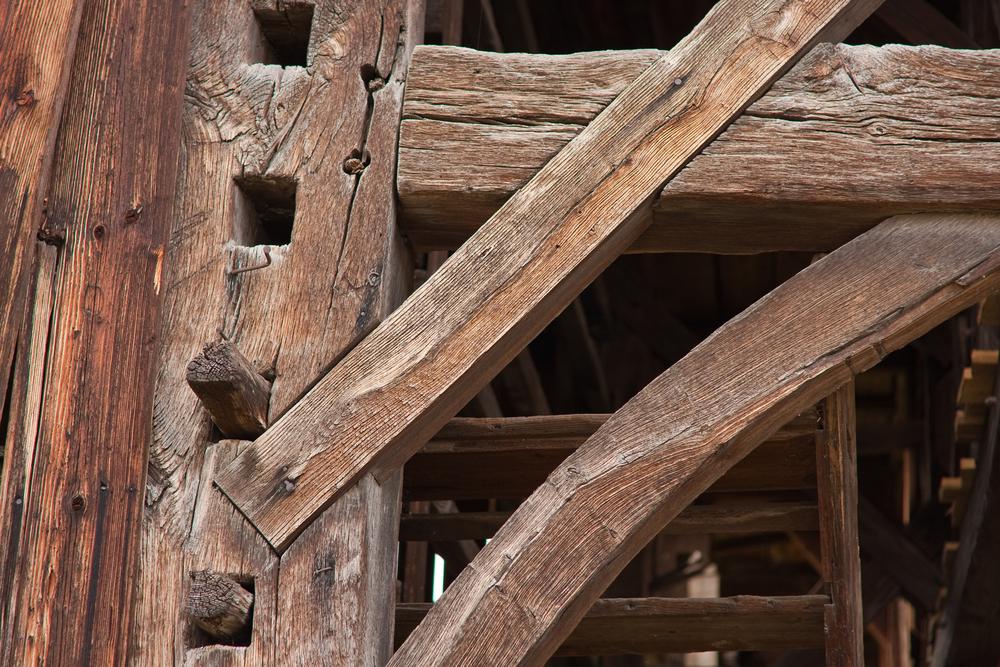
In the 1600s, a German carpenter was building a house, moving through the kind of day that would have felt entirely familiar, shaped by repetition, effort, and the steady rhythm of physical work, with no sense that anything unusual was happening and no awareness that one small action would quietly stretch far beyond his own lifetime, blending into the structure he was helping to create as though it belonged there all along, unnoticed and unremarkable in every possible way, the kind of moment that never asks to be remembered and never expects to be seen again, because it feels exactly like every other moment surrounding it.
“In the 1600s, a German carpenter was building a house.”
At some point during the job, he tucked his pencil into the rafters and forgot about it, a simple, practical decision made without thought, likely in the middle of a task when his hands were full or his attention shifted elsewhere, the kind of small action that happens countless times in a single day and is forgotten just as quickly as it occurs, leaving no impression on the person who made it and no expectation that it would matter at all beyond that fleeting moment, because nothing about it stood out as important or different.
“At some point during the job, he tucked his pencil into the rafters… and forgot about it.”
The House That Kept A Secret
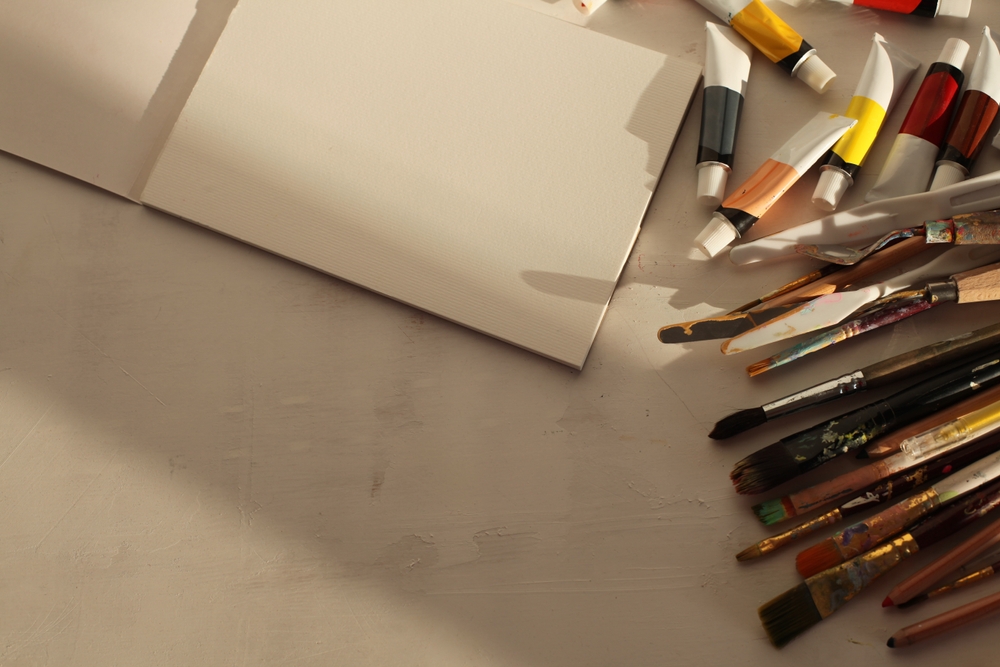
That house stood for centuries, holding its place as time unfolded around it, as generations came and went, bringing their lives, their routines, their struggles, and their quiet moments into the same space, all without ever knowing that above them, hidden within the rafters, there remained a small object from a completely different time, untouched and unseen, carried forward not by intention but by circumstance, protected by the very structure it had become part of, existing in silence while the world outside shifted in ways the carpenter could never have imagined, while entire lifetimes passed beneath it without ever brushing against its presence.
“That house stood for centuries.”
The pencil did not move, it did not announce itself, and it did not fade into nothingness as so many other objects do over time, instead remaining exactly where it had been left, held in place by wood and time, quietly outlasting the countless changes that occurred around it, from the passing of families to the evolution of entire societies, all while maintaining its simple, original form as though it were waiting for a moment that no one knew would come, as though it existed outside the urgency that defines most human experience.
Rediscovered After Hundreds Of Years
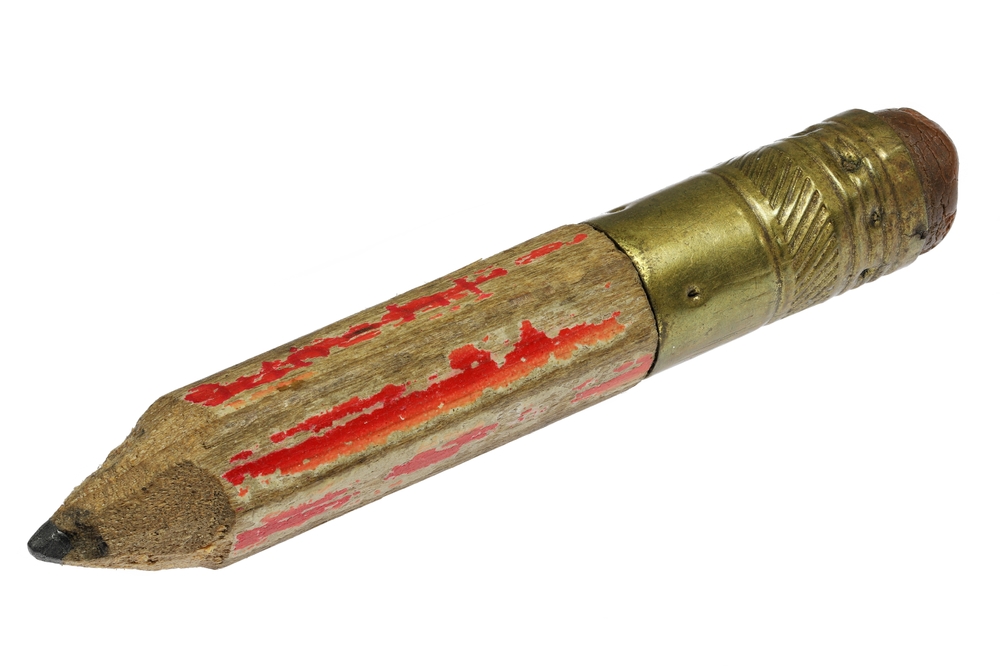
Hundreds of years later, during restoration, they found it still there, and in that single moment of discovery, two distant points in time were suddenly connected, the present reaching back into the past to uncover something that had never intended to be preserved, revealing not just an object but a fragment of a day that had once felt ordinary and forgettable, now carrying a quiet sense of wonder simply because it had endured, because it had survived everything that should have erased it.
“Hundreds of years later, during restoration, they found it still there.”
That forgotten pencil is now the oldest surviving pencil in the world, not because it was crafted to last or designed to be special, but because it remained undisturbed, because it stayed where it was placed long enough for time to reshape its meaning, turning a simple tool into something that now feels rare and significant in a way its owner could never have anticipated, transforming a forgotten object into something that now carries historical weight without ever intending to do so.
“That forgotten pencil is now the oldest surviving pencil in the world.”

From Tool To Time Capsule
The pencil itself did not change in any physical sense, it remained the same object with the same purpose it had always had, yet time transformed how it is seen, turning it into something that carries a connection to a person, a moment, and a life that existed centuries ago, allowing us to glimpse a small piece of that world through something so simple that it almost feels surprising that it survived at all, and in doing so, it becomes more than an object, it becomes a quiet bridge between then and now, holding a story that was never meant to be told.
“Think about that.”
What Turns Ordinary Into Meaningful
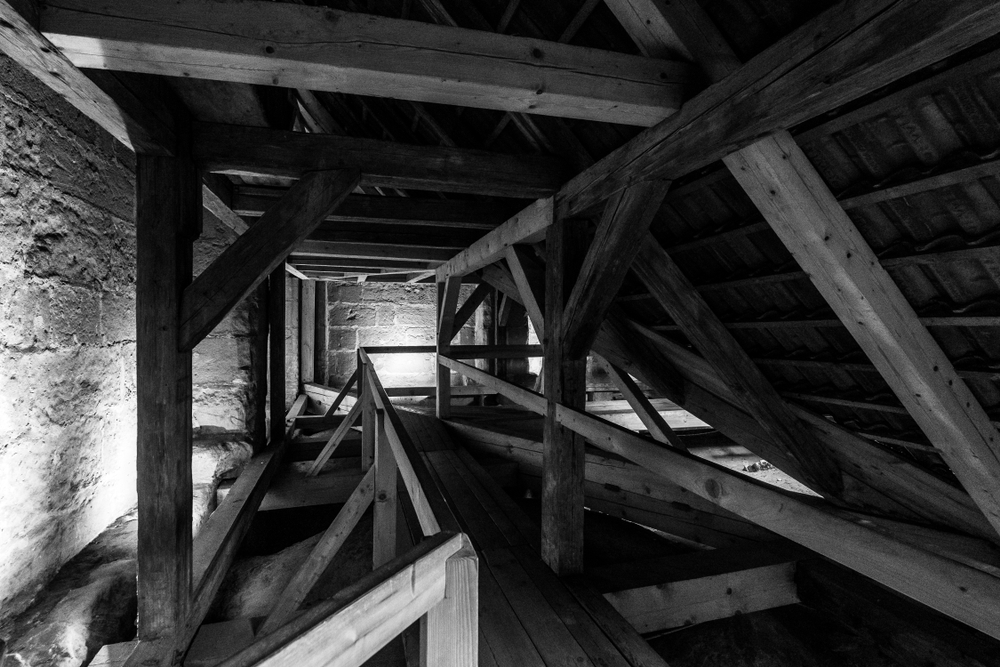
Meaning does not always exist in the moment something happens, and often it is created later, shaped by distance and perspective rather than intention, as seen in this story where a small mistake, something that felt insignificant at the time, managed to endure far longer than anything the carpenter may have planned or created deliberately, showing how time can elevate the ordinary into something that feels meaningful simply because it refused to disappear, simply because it stayed when everything else moved on.
“No grand intention. No idea anyone would ever see it again.”
“Just a normal day, a small mistake, a moment that didn’t matter.”
The Quiet Power Of Unnoticed Moments
We like to imagine history as something built from large, defining events that demand attention and recognition, moments that reshape the world in obvious ways and leave clear marks behind, yet alongside those events exist quieter moments that slip through unnoticed, moments that do not announce themselves and do not feel important at the time, yet sometimes last in ways that feel just as powerful, offering a different perspective on what it means for something to endure, suggesting that permanence is not always tied to importance or intention.
“We like to think history is made of big, important events.”
“Sometimes it’s just a guy who forgot his pencil.”
Everyday Moments We Overlook
There is something deeply familiar in this story because it reflects how most of life unfolds, through small, passing actions that seem to disappear almost as soon as they happen, moments that feel temporary and unimportant yet carry a quiet permanence we do not recognize at the time, such as a tool set down during a busy afternoon with the intention of picking it up again, a message left unfinished and never returned to, a conversation paused with the assumption it will continue later, or a place visited for what turns out to be the last time without any awareness of its finality, all of which pass without ceremony yet linger in ways we cannot predict, shaped by forces we do not control.
Living Without Knowing What Lasts
The carpenter had no idea anyone would ever see that pencil again, and he was not trying to create meaning or leave something behind, he was simply living his day, focused on the work in front of him and moving through tasks without considering how they might be remembered, which reflects a deeper truth about life, that we do not control what lasts and what fades, and that time preserves certain moments not because they were important, but because they happened to remain in the right place at the right time, untouched and undisturbed long enough to survive, quietly slipping beyond the reach of disappearance without ever intending to.
There is something quietly humbling in that idea, because it challenges the belief that permanence is something we can design or direct, showing instead that so much of what endures is shaped by chance, by placement, by circumstance, by things that sit outside of our awareness, meaning that even the most ordinary actions, the ones we barely notice, can stretch far beyond their moment without ever signaling that they will do so, without ever asking to be remembered.
It suggests that life is filled with moments that feel temporary yet carry the potential to remain, not because we designed them to last, but because they slipped into a place where time could not easily reach them, where they could sit quietly while everything else moved forward, unnoticed and unchanged, existing in a kind of stillness that most moments never experience.
And in that, there is a subtle shift in perspective, where the focus moves away from trying to control what lasts and toward recognizing that much of what endures does so without permission, without intention, without awareness, simply because it happened to remain when everything else moved on.
A Different Way To Look At Time
Time does not treat every moment equally, as some disappear quickly while others remain, held in place by circumstance rather than intention, and the pencil survived not because it mattered, but because it stayed where it was, protected and undisturbed for centuries, suggesting that endurance is not always tied to significance, and that sometimes what lasts is simply what was left behind and forgotten, quietly resisting disappearance without ever trying to, without ever needing to be seen.
This shifts how we understand permanence, because it shows that what remains is not always what was important, but often what was still, what was hidden, what was left alone long enough to become part of something that outlasted everything around it, which gives a different kind of weight to stillness and to absence, to the idea that not being disturbed can sometimes be more powerful than being noticed.
There is a quiet randomness in what survives, a reminder that time does not select based on meaning or value, but on circumstance, on position, on whether something happened to be shielded from change long enough to endure, and that what stays is not always what we would choose to preserve, but what happened to remain untouched, unbothered, and unnoticed.
This perspective softens the way we think about time, not as something that rewards importance, but as something that allows certain moments to linger simply because they were left in the right place, at the right moment, without interference, without interruption, without anyone realizing what was being carried forward.
The Unexpected Weight Of A Pencil
A German carpenter once forgot his pencil while building a house, and that simple action, which carried no meaning at the time, ended up lasting longer than anyone could have imagined, quietly existing through centuries of change while the world transformed around it, and somewhere right now, moments just as ordinary are unfolding, unnoticed and unremarkable, yet one of them may remain long after everything else has passed, waiting in silence just as that pencil once did, carrying forward a piece of a life that never intended to be remembered.
What gives this story its weight is not the object itself, but the realization that something so small can outlast so much, that a moment without intention can stretch across generations, quietly connecting lives that will never meet, and doing so without effort, without awareness, without purpose, existing simply because it remained when everything else changed.
It creates a different kind of awareness, one that does not focus on what we try to leave behind, but on what might remain without our knowledge, what unnoticed fragment of an ordinary day might still be here long after everything else has faded, quietly holding its place in a world that has completely transformed.
And in that quiet possibility, there is a shift in how we see the present, where even the smallest actions feel less disposable, not because they are meant to last, but because one of them, without warning, without intention, might.