

The Giant Dinosaur Looking For A Home Is Really A Story About What We Choose To Preserve
A town can lose a building and still remain a town. But when it loses the strange, beloved thing people point to and say, “That is us,” something deeper begins to shift.
That is what makes the story of Tyra, the 145,000-pound T. rex statue in Drumheller, Alberta, feel bigger than fiberglass and steel. She is a roadside attraction, yes. She is also memory made visible.

The World’s Largest T. Rex Has A Very Human Problem
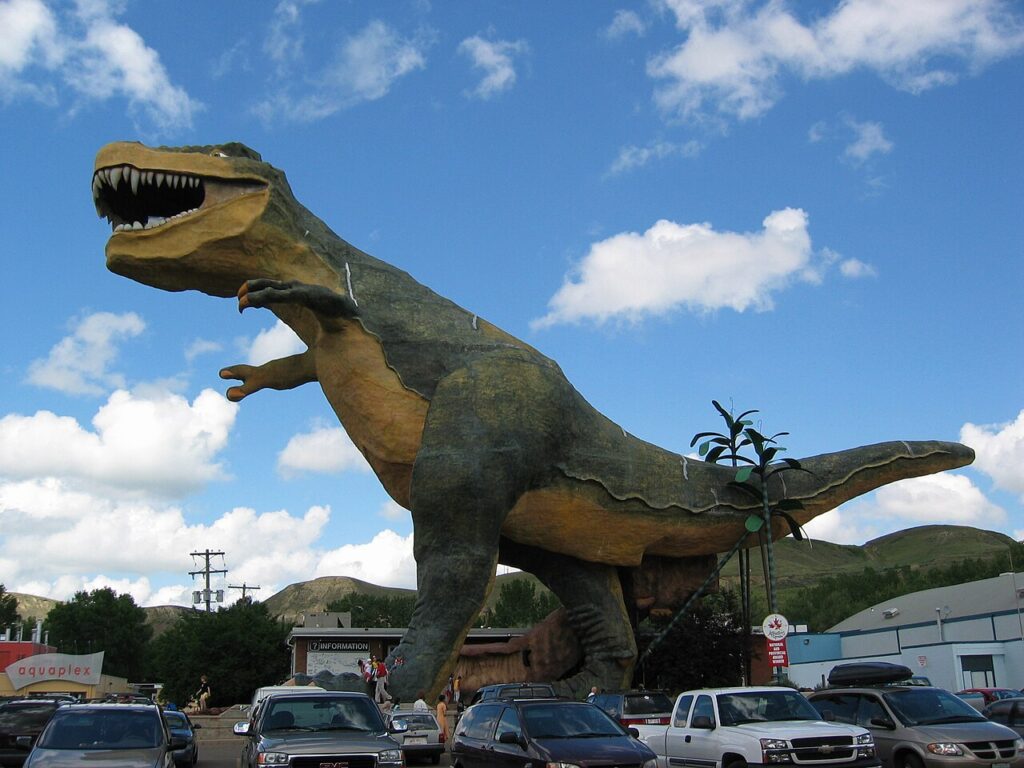
“The world’s largest Tyrannosaurus rex statue needs a new home.” That single line captures the strange and tender situation facing Tyra, the towering dinosaur that has watched over Drumheller since 2000.
The official World’s Largest Dinosaur site lists Tyra at 86 feet tall, 151 feet long, and 65 tonnes in weight, equal to about 145,000 pounds. Visitors climb 106 stairs inside the dinosaur and reach a viewing platform in her mouth, where up to 12 people can fit at once.
The threat facing Tyra is not dramatic in the way people might expect. It is not a meteor, a storm, or a sudden collapse. Her “lease is set to expire,” and under the current terms, the structure could reportedly be dismantled in 2029.
That is what makes this story feel so human. A giant dinosaur can survive Canadian winters, thousands of visitors, and decades of weather. Yet a piece of paperwork may decide whether she keeps standing.
Why A Roadside Dinosaur Can Mean So Much
It is easy to laugh at a giant T. rex with a staircase inside it. That laughter is part of the point. Places like this survive because they let adults feel childlike for a moment, and they give children a memory large enough to carry into adulthood.
A landmark does not need to be ancient to become meaningful. Sometimes meaning comes from repetition. A family stops there every summer. A child gets a photo in the dinosaur’s mouth. A couple remembers the first road trip they took together. A local business owner watches tourists arrive because something ridiculous and wonderful is towering nearby.
A Landmark Becomes Part Of Personal Identity
Researchers have studied how landmarks shape the way people connect to place. In a 2024 study published in Sustainability, researchers examined urban landmark landscapes and found that landmark perception was connected to place identity, especially through emotional attachment and familiarity.
That matters here because Tyra is more than a tourist object. For Drumheller, she is part of the town’s emotional map. When people think of Drumheller, they often think of dinosaurs. When they think of dinosaurs in Drumheller, Tyra is one of the easiest images to summon.
The Strange Things Often Hold The Strongest Memories
There is a reason roadside attractions stay with us. They interrupt the ordinary. They tell us that travel does not have to be efficient to be meaningful. They remind us that a place can be practical and playful at the same time.
Tyra may be kitschy. She may be oversized. She may be impossible to ignore. That is exactly why people remember her.
The Practical Problem Is Massive
On paper, Tyra is a structure with maintenance costs, safety concerns, lease terms, and relocation questions. Those details matter because public landmarks need responsible planning. Love alone does not move 145,000 pounds of steel and fiberglass.
Local officials reportedly invested more than $300,000 into repairs and restoration after a structural assessment. That means the town has already treated Tyra as something worth preserving, at least enough to make sure she remains safe and stable.
Still, relocation is not simple. Moving a giant dinosaur is not like moving a statue from one corner of a park to another. It involves engineering, permits, land, money, risk, and a clear plan for what happens once the dinosaur reaches its next home.
Here is what makes Tyra’s future so complicated:
- Size: At 86 feet tall and 151 feet long, she is larger than many buildings around her.
- Weight: At about 145,000 pounds, relocation would require serious engineering support.
- Public Safety: Any move or rebuild would need structural review and careful planning.
- Tourism Value: Tyra is not only an object. She is part of Drumheller’s visitor economy.
- Community Identity: Removing her could change how locals and visitors experience the town.
When something is both emotional and expensive, communities are forced into difficult honesty. They must ask whether preservation is sentiment, strategy, or both.
Tourism Is Built On Memory As Much As Money
There is a deeper reason people fight to protect local symbols. We do not attach ourselves only to people. We attach ourselves to places, routines, roads, signs, buildings, views, and odd little landmarks that become part of our personal history.
A study published in Sustainability in 2019 examined tourism involvement, place attachment, and residents’ support for tourism. The researchers found that place attachment plays an important role in how people perceive tourism impacts and whether they support tourism development.

That finding gives language to something many people already feel. When a landmark brings visitors, money, attention, and pride, locals may see it as part of the community’s living story. When it is threatened, the response can feel personal.
A tourist may only spend a few hours in a town, but memory can make that brief visit last for years. A family photo under Tyra’s shadow may become part of a child’s idea of adventure. A stop in Drumheller may become the story someone tells whenever Alberta comes up in conversation.
For locals, the attachment runs differently. A landmark can become background music. You may not notice it every day, but you feel the silence when it is gone.
Nostalgia Can Be A Form Of Cultural Wisdom
Some people hear the word nostalgia and think it means refusing to move forward. But nostalgia can also help people understand who they are, where they have been, and why certain places still matter.
A 2021 study examined nostalgia, authenticity perception, and satisfaction in heritage tourism. The research found that heritage nostalgia can influence perceived authenticity and satisfaction, showing how memory and emotion shape tourism experiences.
That does not mean every old or beloved thing must remain forever. Communities change. Budgets change. Land agreements change. But emotional attachment deserves to be treated as real data, not childish resistance.
When people care about a landmark, they are often expressing something larger than preference. They are saying, “This helped us recognize ourselves.” They are saying, “This gave our town a story.” They are saying, “This made strangers stop here.”
Those are not small things. In an age when many places are becoming visually interchangeable, local weirdness can be a kind of cultural wealth.
The Real Question Is What Makes A Place Worth Remembering
Tyra’s future may come down to money, lease terms, engineering, and political will. Those are real constraints. It would be unfair to pretend that love can solve them without planning.
But the practical question is not the only question. The deeper question is whether communities know how to measure the value of what makes them distinct.
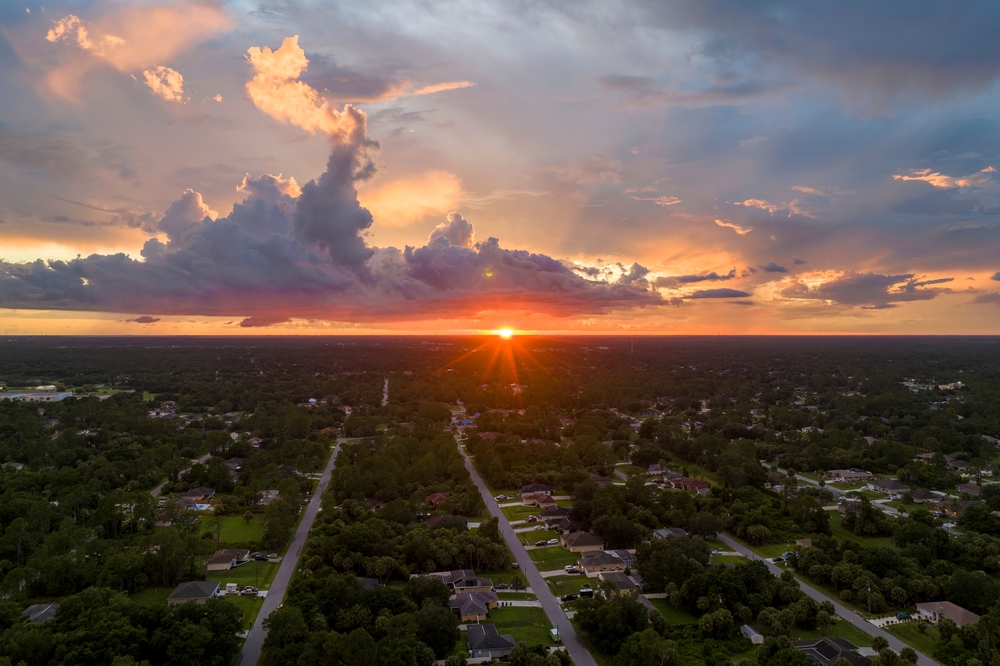
A spreadsheet can count repairs. It can estimate moving costs. It can compare land-use options. What it cannot fully capture is the child who looked out a car window and saw a dinosaur rising above a town, then remembered that moment for the rest of their life.
Every community has its own version of Tyra. Maybe it is not a dinosaur. Maybe it is a theater, a tree, a corner store, a family-run restaurant, a historic school, or a public artwork that never made national news.
Preservation Begins Before Something Disappears
The lesson is not that every beloved thing must be saved at any cost. The lesson is that communities should be careful before they let practical pressure erase emotional inheritance.
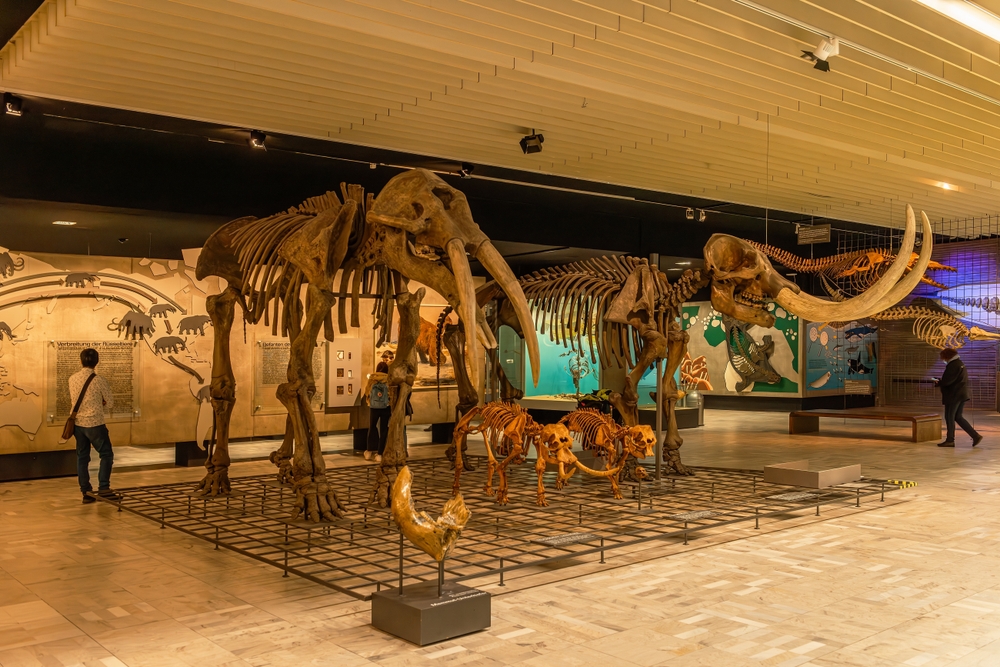
Preservation begins with attention. Before something is demolished, moved, sold, or forgotten, people deserve a chance to ask what it has meant, who it has served, and what kind of emptiness it may leave behind.
Tyra is a giant dinosaur looking for a future. Drumheller is a town being asked to decide what memory is worth when it becomes inconvenient to keep. That choice belongs to them, but the question belongs to all of us: when the things that gave us wonder are threatened, do we notice before the skyline changes?