

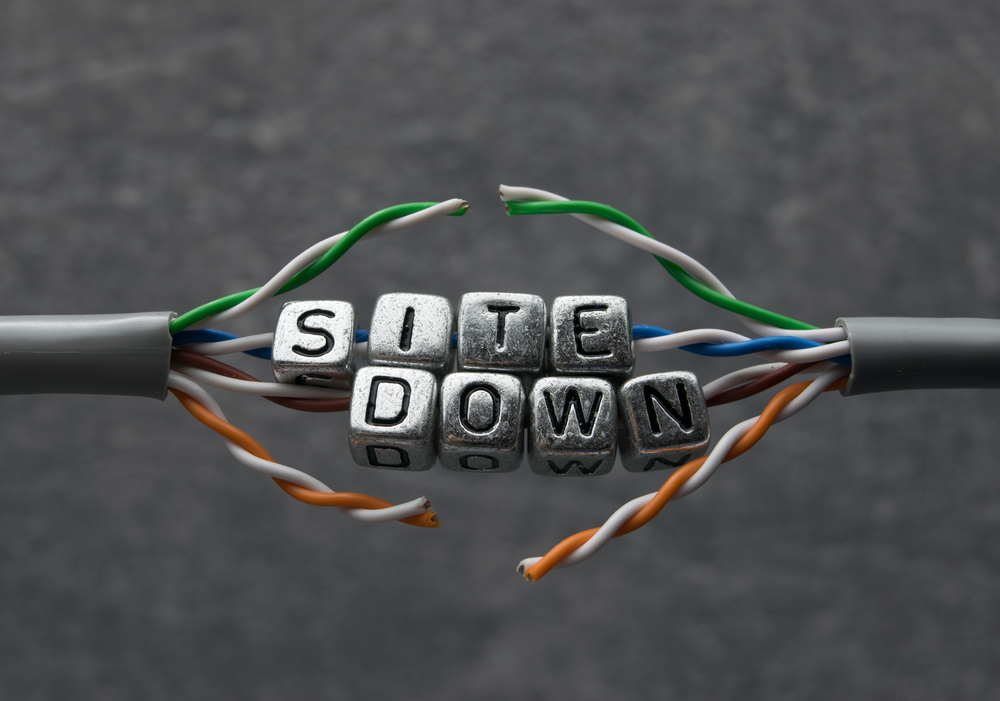
Woman Digging For Copper Accidentally Cuts Off Internet Across Armenia For Hours
In an age where cyberattacks, sophisticated hackers, and large scale digital disruptions often dominate headlines, one of the most surprising internet outages in recent memory came from a completely unexpected place. It did not involve a coordinated cyber operation, a criminal hacking group, or a complicated technological failure buried deep inside a data center. Instead, the story began with something far simpler and far more human: a person digging in the ground. What started as an ordinary search for scrap metal soon turned into an incident that temporarily disrupted internet connectivity for an entire nation and caught the attention of media outlets around the world.
The unlikely figure at the center of this story was a 75 year old Georgian woman who had been searching for copper she could sell as scrap. While digging near Georgia’s capital, Tbilisi, she accidentally struck a critical underground fibre optic cable that carried the majority of Armenia’s internet traffic. In an instant, a routine act of scavenging turned into a technological mishap with massive consequences. Millions of people across Armenia suddenly lost access to the internet, businesses struggled to continue operations, and journalists were left staring at blank screens while engineers raced to understand what had happened.
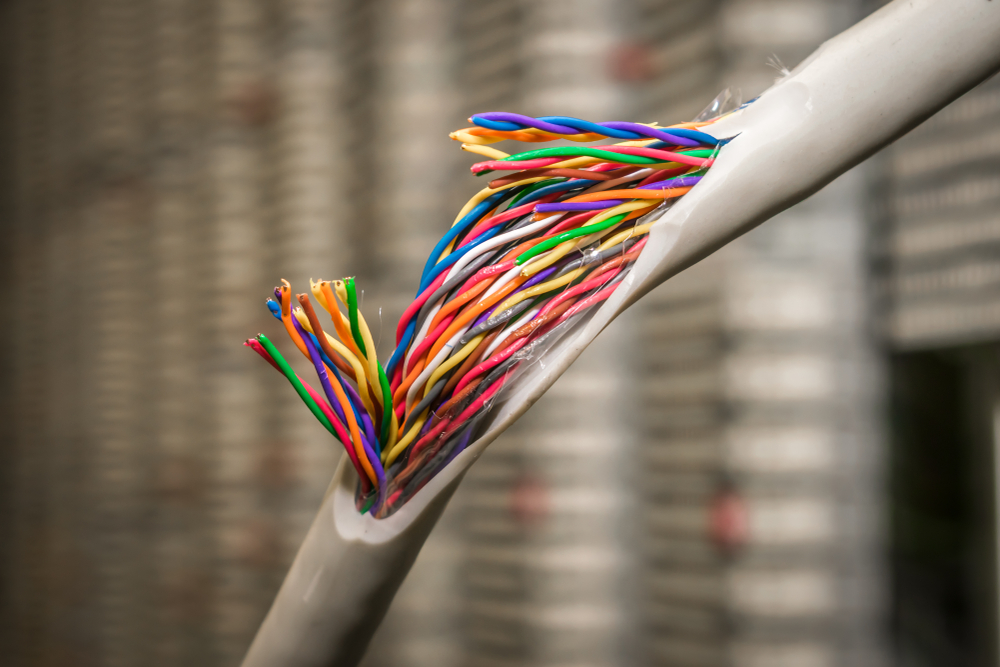
Image Credit: Shutterstock
A Routine Search For Copper Sparks A Major Outage
The incident took place on March 28 near the Georgian capital of Tbilisi, where the elderly woman had reportedly been digging for copper buried in the ground. In many parts of the region, searching for scrap metal is a common way for people to earn a small amount of money, especially for those who may not have stable employment or pensions that cover everyday living costs. Copper is particularly valuable in the scrap market because it can be recycled and reused in a wide range of industries, including electrical wiring and construction, which makes it a frequent target for scavengers hoping to make a modest profit.
While digging with her spade, the woman unknowingly hit an underground fibre optic cable that formed part of a key communications link between Georgia and Armenia. These cables are designed to carry massive amounts of digital data across long distances, connecting national networks to the wider global internet. Because the cable was buried beneath the ground and not easily visible, the woman had no reason to believe that a single swing of her tool could interfere with such a crucial piece of infrastructure.
The moment the cable was damaged, internet traffic flowing through the connection was interrupted. Almost immediately, large parts of Armenia began experiencing widespread connectivity problems. Websites stopped loading, online services went offline, and companies that relied on internet communication suddenly found themselves unable to continue normal operations. What began as a quiet afternoon of digging in the soil had quickly escalated into a digital blackout that spread across an entire country.
Image Credit: Shutterstock
Armenia’s Heavy Dependence On Georgia’s Internet Infrastructure
One of the key reasons the outage had such dramatic consequences was Armenia’s heavy reliance on internet connections that passed through Georgia. At the time of the incident, roughly 90 percent of Armenia’s internet traffic was routed through Georgian telecommunications infrastructure before reaching international networks. This meant that a failure affecting even a single cable could have serious consequences for connectivity across the country, especially if there were limited alternative routes available to carry the data.
As the disruption unfolded, millions of Armenians suddenly found themselves unable to access the internet. Offices that depended on email and online systems struggled to communicate with clients and colleagues. Businesses that relied on digital platforms were forced to pause their work until connectivity could be restored. For many people who had come to depend on the internet for both professional and personal communication, the sudden loss of access created a frustrating and confusing situation.
Television footage from the Armenian capital of Yerevan showed reporters inside a news agency sitting in front of computer monitors that had suddenly gone blank. Without internet connectivity, journalists could not upload stories, communicate with editors, or gather information from online sources. The scenes captured just how deeply digital connectivity had become woven into everyday life and how disruptive it can be when that connection suddenly disappears.
Image Credit: Shutterstock
Authorities Discover The Unexpected Cause
The cable break was quickly detected by monitoring systems that track fibre optic links connecting Europe to the Caucasus region. Telecommunications networks constantly monitor the health of their infrastructure so that engineers can identify disruptions as quickly as possible. When the system detected an unusual interruption in the flow of data, technicians began investigating the problem to locate the exact point where the connection had been damaged.
A security team was soon dispatched to the location where the monitoring system indicated the cable had been severed. When investigators arrived, they discovered the elderly woman digging near the exposed section of cable. Authorities detained her while they examined the damage and tried to determine whether the incident had been intentional or the result of an accident.
Officials later clarified that there was no evidence of sabotage or malicious intent. A spokesman for Georgia’s interior ministry explained what had happened, saying, “It was a 75-year-old woman who was digging for copper in the ground so that she could sell it for scrap.” The statement confirmed that the outage had not been the result of a cyberattack or organized crime but rather an unfortunate accident caused by someone searching for scrap metal.
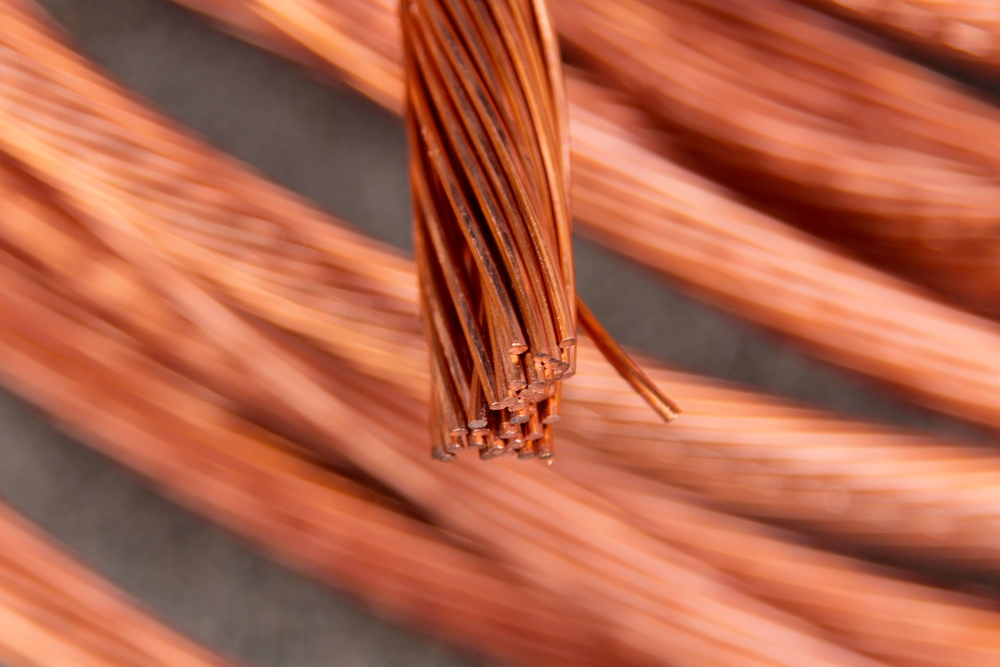
Image Credit: Shutterstock
The Woman Nicknamed “The Spade-Hacker”
As news of the incident began spreading across the region, local media outlets quickly picked up on the unusual circumstances behind the outage. The idea that a single person digging in the ground could accidentally disconnect an entire country from the internet captured public attention almost immediately. Journalists began referring to the woman with a nickname that blended humor with the language of cybersecurity.
She soon became known as “the spade-hacker,” a label that compared her accidental act to the work of a computer hacker who intentionally breaks into digital systems. The nickname reflected the strange irony of the situation. While cybercriminals often spend months developing sophisticated techniques to disrupt networks, this particular outage had been caused by a simple spade striking a cable buried underground.
Despite the lighthearted nickname circulating in the media, the situation carried real legal consequences. Georgian authorities began investigating the woman on suspicion of damaging property. Under Georgian law, damaging critical infrastructure can carry serious penalties, and officials noted that she could face up to three years in prison if she were formally charged and convicted.
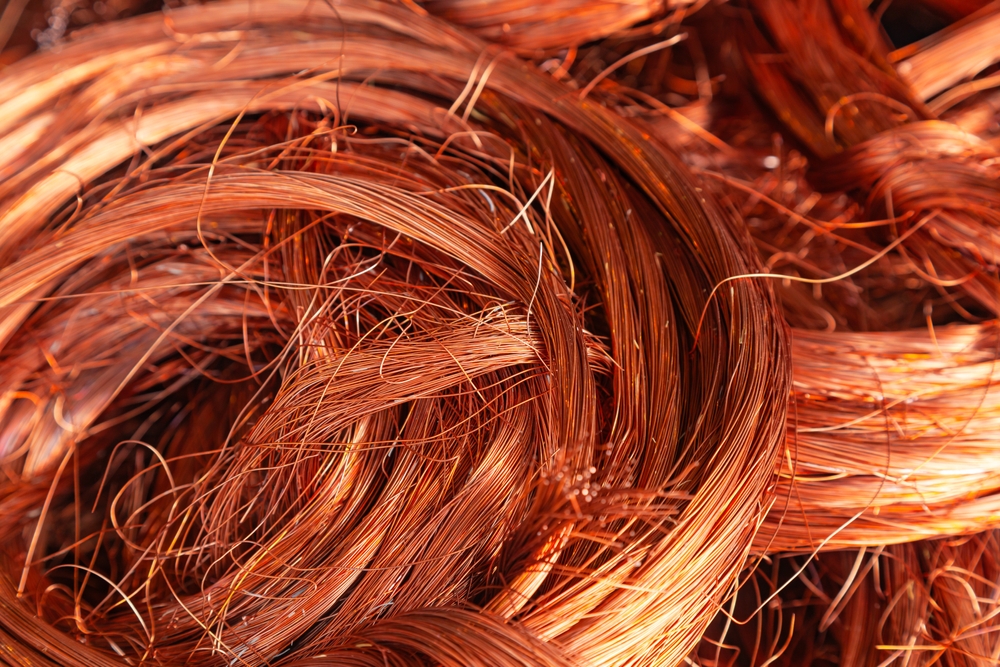
Image Credit: Shutterstock
Scrap Metal Scavenging In The Former Soviet Region
Although the story sounded unusual to many readers around the world, the activity that led to the incident is relatively common in parts of the former Soviet Union. In regions where economic conditions can be difficult and employment opportunities limited, collecting scrap metal has long served as a way for people to earn extra income. Individuals often search for discarded industrial materials, abandoned equipment, or buried metal cables that can be sold to recycling centers or scrap dealers.
Copper is especially valuable because it is widely used in electrical wiring, plumbing, and industrial manufacturing. Even small amounts of copper can generate a modest payment when sold as scrap, which makes it attractive for people who are trying to supplement their income. Unfortunately, removing copper cables from the ground can sometimes interfere with critical infrastructure such as power lines, railway systems, or telecommunications networks.
There have even been more extreme examples of scrap metal scavenging causing damage to infrastructure. At the former nuclear testing ground in Semipalatinsk in Kazakhstan, some entrepreneurs reportedly used tractors to pull hundreds of metres of metal cable from the ground in search of materials that could be sold. Incidents like these highlight the risks that can arise when valuable materials are embedded within systems that are essential for modern infrastructure.
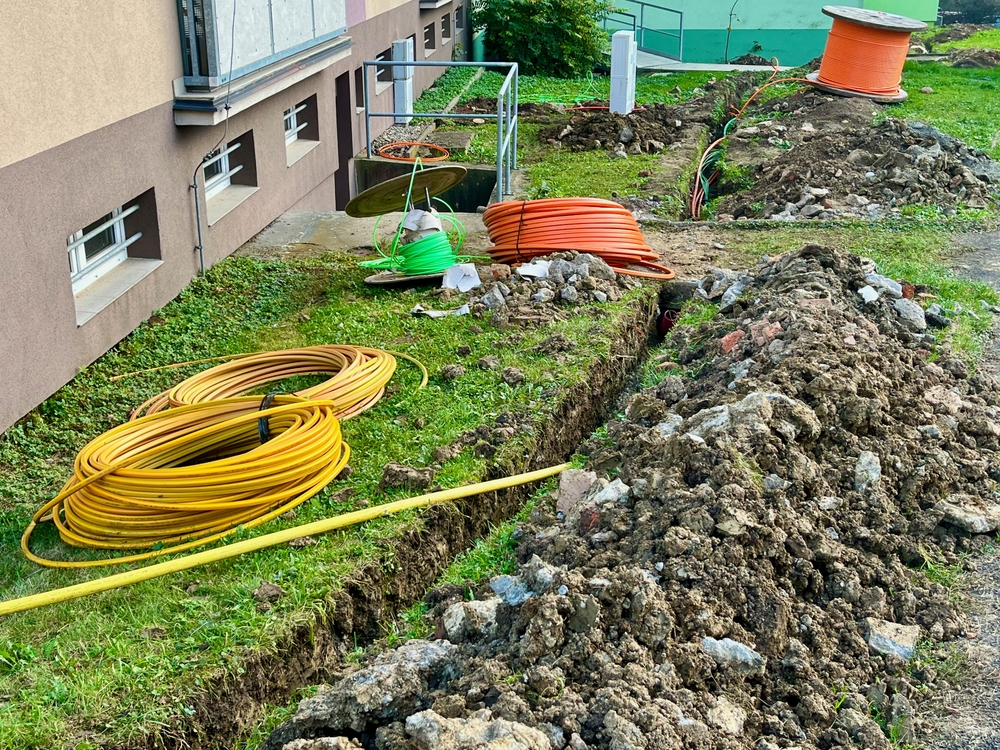
Image Credit: Shutterstock
A Powerful Reminder Of The Internet’s Hidden Infrastructure
For many people, the internet feels like an invisible and almost limitless resource. Messages are sent instantly, videos stream smoothly, and information travels around the world in seconds. Yet behind this seamless experience lies a complex physical network that stretches across continents and beneath oceans, connecting cities and countries through thousands of kilometres of fibre optic cables.
These cables carry enormous amounts of data every second, forming the backbone of the modern digital world. When one of these connections is damaged, even briefly, the effects can spread rapidly across entire regions. Construction accidents, natural disasters, and ship anchors dragging across undersea cables have all caused significant internet disruptions in the past.
The accidental cable cut in Georgia served as a striking reminder that the internet ultimately depends on very real and very fragile infrastructure. Beneath the ground, beneath roads, and across borders lies a network of cables that must remain intact for modern communication to function smoothly. Even a simple tool like a spade can interrupt that network if it strikes the wrong place.

Image Credit: Shutterstock
Reflection: A Small Action With Enormous Consequences
The story of the Georgian woman who accidentally cut Armenia’s internet connection remains one of the most unusual infrastructure incidents of the digital era. What began as a simple attempt to collect scrap metal ended up disrupting communication across a country of more than three million people and briefly cutting them off from the global online community that many rely on every day.
Technicians were eventually able to repair the damaged cable, restoring internet service after several hours of disruption. While the outage was temporary, the incident left a lasting impression because of the extraordinary contrast between its cause and its impact. A single moment of digging had revealed just how dependent modern societies have become on complex and delicate technological systems.
In the end, the event became both a cautionary tale and an unforgettable headline. It demonstrated how interconnected modern infrastructure has become and how even the smallest actions can have far reaching consequences. It also left the world with the unusual legend of “the spade-hacker,” a reminder that sometimes the biggest disruptions come from the most unexpected places.
Featured Image Credit: Shutterstock