

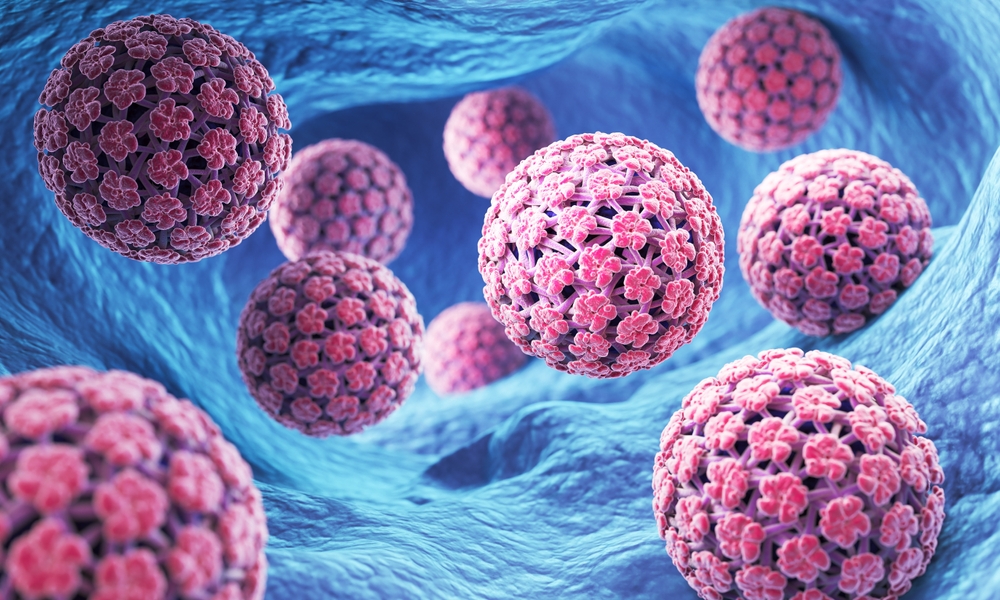
The Ancient Virus That Could End the Age of Superbugs
A clock ticks in the background of modern medicine, and most people never hear it. Every 15 minutes in the United States, someone dies from an infection that antibiotics can no longer treat. Across the globe, 700,000 people die each year from the same problem. And projections warn that the number could exceed 10 million by 2050 if nothing changes.
Antibiotics were supposed to be medicine’s greatest triumph. For decades, they were. But bacteria learned to fight back, and now the drugs that once saved millions of lives are losing ground. Doctors watch infections resist one medication after another, cycling through options until none remain.
Yet somewhere in the space between despair and discovery, scientists found an answer hiding in plain sight. Not a new drug. Not a stronger chemical compound. A virus. And it might rewrite the rules of how we fight infection.
How Antibiotics Went from Miracle Cure to Losing Battle
More than 50 years have passed since the Golden Age of antibiotic discovery ended. During that era, researchers found every major class of antibiotics we still rely on today. Since then, science has modified and tweaked existing compounds, but no fundamentally new weapon has entered the arsenal.
Meanwhile, humanity flooded the world with antibiotics. Doctors prescribed them for infections that didn’t need them. Farmers added them to animal feed. Agriculture soaked fields with them. All that exposure trained bacteria to survive.
Here’s how it works. When antibiotics flood a microbial environment, bacteria carrying resistance genes survive while others die. Over time, those resistance genes get passed between bacteria through horizontal gene transfer, jumping from species to species and ecosystem to ecosystem. Once resistance takes root in a bacterial population, it becomes almost impossible to eliminate, even when the antibiotics disappear.
A group of six bacterial species now sits at the top of medicine’s most-wanted list. Scientists call them the ESKAPE pathogens, an acronym for Enterococcus faecium, Staphylococcus aureus, Klebsiella pneumoniae, Acinetobacter baumannii, Pseudomonas aeruginosa, and Enterobacter species. Very few treatment options remain for infections caused by these organisms. Doctors are running out of moves, and the bacteria know it.
The Oldest Killers on Earth
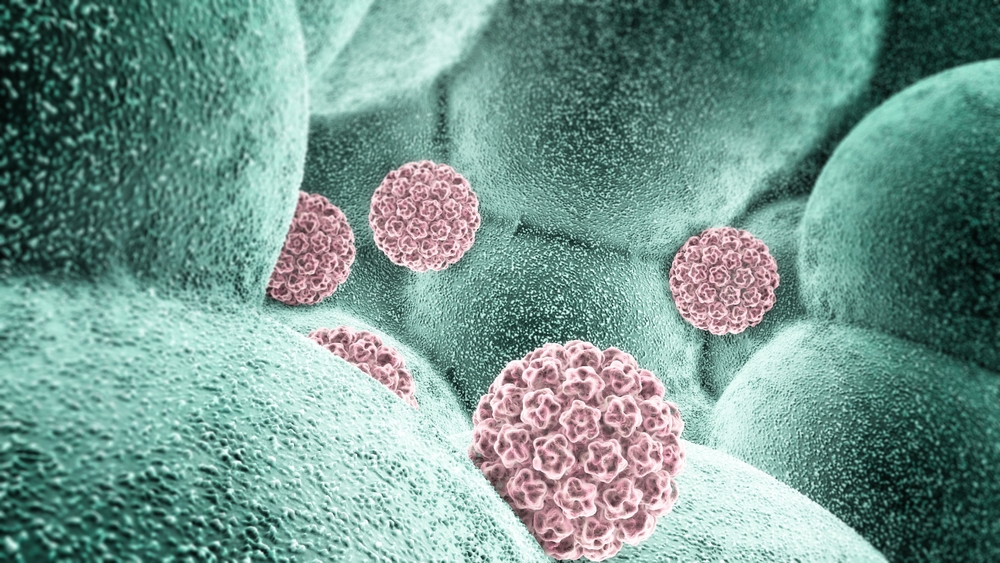
Long before humans invented antibiotics, nature had its own method for keeping bacteria in check. Bacteriophages, or phages for short, are viruses that have hunted and killed bacteria for billions of years. And they do it with surgical precision.
A phage attacks by latching onto a specific bacterium, injecting its genetic material inside, and hijacking the cell’s own machinery to make copies of itself. Once enough copies fill the bacterial cell, it bursts open, releasing a new army of phages ready to infect the next bacterium. It’s ruthless, efficient, and incredibly targeted.
Scientists first discovered phages in 1917, and doctors used them to treat infections as early as 1919. For a brief moment, phage therapy looked like the future of medicine. But then penicillin arrived, and antibiotics proved easier to mass-produce, standardize, and prescribe. Phage therapy faded from Western medicine almost overnight. Only a few countries, Georgia, Poland, and Russia, kept using it. Everywhere else, the world forgot about it. Now, with antibiotics failing, scientists are remembering.
Why Phages Fight Smarter Than Antibiotics

Antibiotics work as a bomb dropped on a city. They kill the enemy, but they also destroy everything around them. Beneficial gut bacteria, helpful microorganisms, and the body’s own microbial balance are all damaged. Patients who survive the infection often face secondary problems like gut dysbiosis and opportunistic infections caused by the antibiotic itself.
Phages operate more like a sniper. Each phage targets only one specific type of bacterium, leaving everything else untouched. Healthy gut flora, beneficial microbes, and the body’s natural balance remain intact.
Even better, phages multiply at the site of infection. While antibiotics lose concentration over time and need repeated doses, phages replicate where the problem lives, increasing their antibacterial effect exactly where it matters most. And so far, researchers have reported no severe side effects from phage therapy.
One more advantage deserves attention. Many dangerous bacteria protect themselves by forming biofilms, slimy protective layers that antibiotics struggle to penetrate. Phages can break through those biofilms. Some phages even target the specific genes bacteria use to produce the protective matrix, stripping away their defenses. When combined with traditional antibiotics, phage-antibiotic therapy outperforms either approach used alone.
The Biological Trick That Changes Everything
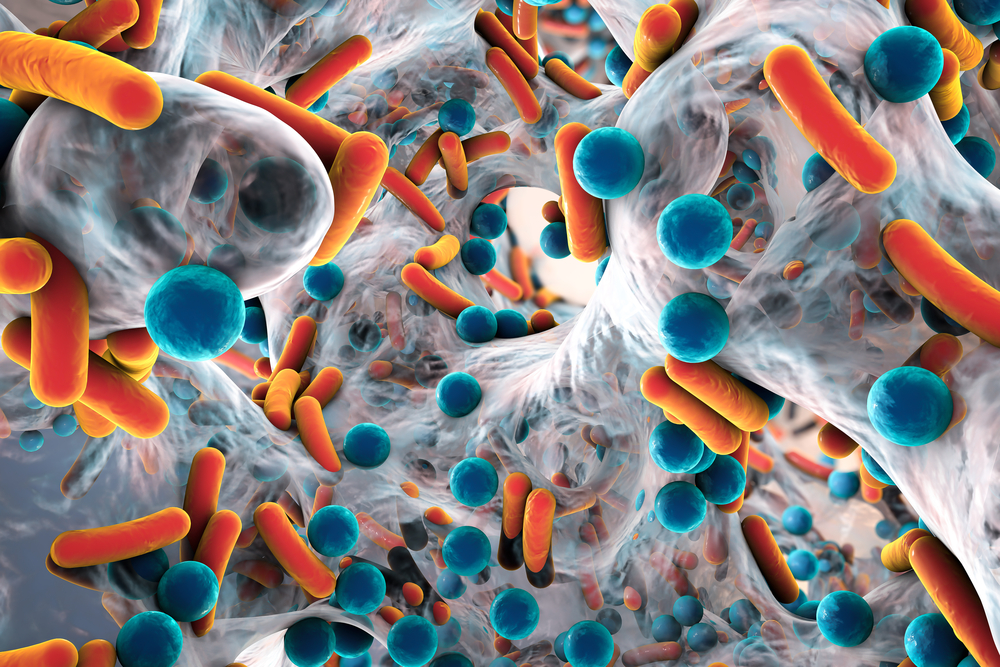
Here’s where the story gets clever. Evolutionary biologist Paul Turner at Yale built his research around a simple but powerful idea. When you attack bacteria with phages, most of the bacteria die. But survivors evolve resistance to the phage, just as they would with antibiotics. Except there’s a catch. According to researchers at Yale, phage therapy works because “these viruses infect the bacteria, killing most of them off, until they evolve in a way that makes them susceptible to conventional antibiotics.”
In other words, bacteria can build a wall against the phage, or they can build a wall against antibiotics, but they can’t build both at the same time. When they invest energy in resisting the phage, they lose their resistance to drugs. Doctors then step in with antibiotics that suddenly work again. It’s an evolutionary trap. And bacteria can’t escape it.
At Yale Medicine, research scientist Benjamin Chan has worked with doctors like Jonathan Koff to bring phage therapy out of the lab and into the clinic. Together, they’ve treated patients with cystic fibrosis and other conditions where antibiotic-resistant infections threaten lives. As Chan puts it, “It’s definitely the dream. It’s fantastic to go from doing basic research and then bringing it to a patient in the clinic.”
An Arms Race Billions of Years in the Making
Bacteria don’t surrender easily. Over billions of years, they’ve developed their own defenses against phages. Some alter their outer membranes so phages can’t latch on. Others produce proteins that block phage replication. Some species form slime layers that prevent phage attachment entirely.
In one case, Pseudomonas aeruginosa samples from a wastewater treatment facility evolved phage resistance by producing proteins that blocked phage activity. In another study, E. coli developed DNA mutations that changed the structure of phage target sites, preventing phages from binding.
But phages counter-evolve too. Every time bacteria develop a new defense, phages adapt a new method of attack. And every time bacteria spend energy on phage resistance, they sacrifice something else, often their ability to resist antibiotics. It’s a trade-off bacteria can’t avoid.
Scientists have mapped several categories of these trade-offs, from receptor-mediated resistance to CRISPR-Cas system adaptations. Each one tells the same story. Bacteria can shift their defenses, but they can’t cover every front at once.
From Lab Bench to Hospital Bed
Phage therapy today comes in several forms. Purified phages isolated from natural sources. Phage cocktails, which are mixtures of multiple phages designed to overwhelm bacterial defenses. Phage-encapsulated nanoparticles that deliver phages in a controlled way. Phage-derived enzymes are proteins produced during the phage replication cycle that can destroy bacterial cells on their own.
Depending on where the infection lives in the body, doctors can administer phages intravenously, orally, or directly onto the skin. Teams like Chan’s at Yale are building libraries of effective phage treatments matched to specific bacterial strains, so when a patient’s antibiotics fail, a phage option stands ready.
Why the World Hasn’t Adopted It Yet
If phage therapy works so well, why isn’t every hospital using it? Regulatory systems built for chemical drugs don’t know how to handle living organisms. Phages replicate, evolve, and interact with their environment in ways that a pill never does. Most pharmaceutical approval frameworks have no clear path for something like phage therapy.
Clinical trials have been rocky. Between 1996 and 2018, researchers reported 17 trials, but most suffered from poor design or failed to recruit enough patients. A recent report from the CDC confirms how serious antibiotic resistance has become, calling the problem responsible for “a death every 15 minutes here in the U.S.” Yet funding and regulatory support for alternatives like phage therapy remain frustratingly slow.
Consider the Phagoburn study, one of the most well-funded phage trials in recent history. It spent €3.85 million in public funds but enrolled only 27 of the 220 patients needed for valid results. Worse, the trial targeted E. coli infections in burn patients, even though burn wounds are predominantly infected by P. aeruginosa. A design flaw doomed the study before it produced any meaningful data.
More promising results have come from Georgia, where a randomized, double-blind clinical trial used a commercial Pyo-bacteriophage preparation to treat urinary tract infections caused by multiple resistant bacteria. Early findings from that trial may open the door to wider acceptance.
A Future Where We Outsmart the Bugs
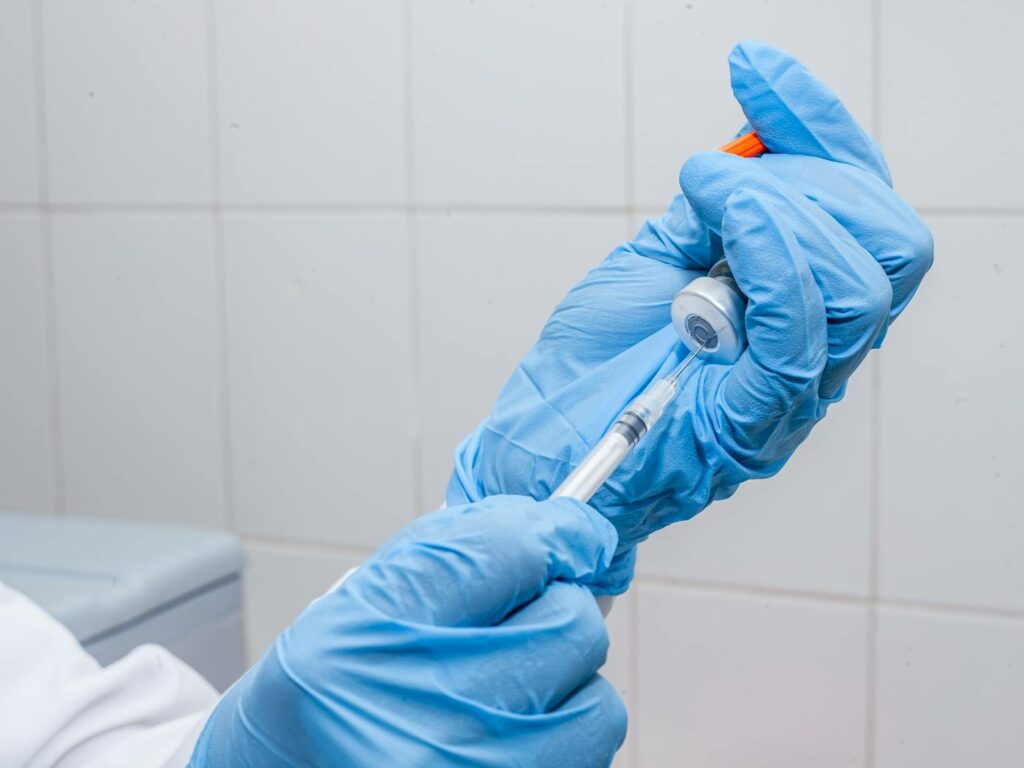
Biotechnology companies are betting on phage therapy’s future. Adaptive Phage Therapeutics offers customized treatments. Locus Biosciences engineers phage biotherapeutics. Intralytix develops phage-based products for food safety and healthcare. Each company works to solve the remaining obstacles and push phage therapy toward mainstream medicine.
Something bigger lives inside all of this. For decades, humanity chased bacteria with stronger and stronger drugs, and the bacteria kept adapting. Phage therapy flips the script. Instead of overpowering bacteria with brute chemical force, it uses evolution itself as a weapon, turning bacteria’s own survival instincts against them.
Every 15 minutes, someone in America loses that race against resistant infection. Phage therapy won’t solve everything overnight, and real obstacles remain. But for the first time in decades, scientists aren’t just running behind the bacteria. They’re setting traps ahead of them. And the bacteria are walking right in.