

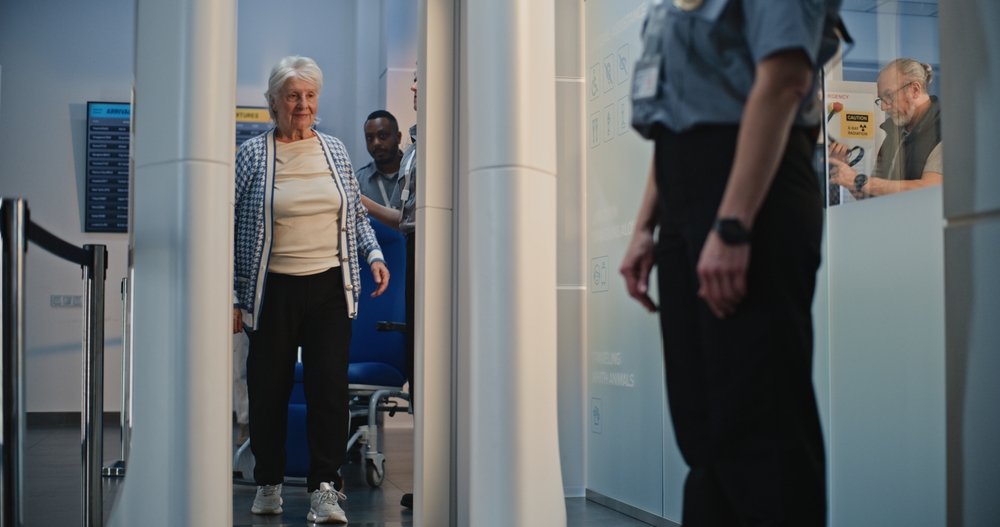
Turns Out Airport Security Scanners Used To Be Way More Invasive Than We Thought
Most people walk into airport security expecting a routine check that feels slightly inconvenient but ultimately harmless, a necessary step before a flight that involves placing belongings in trays, walking through scanners, and waiting for a signal that everything is fine. You might worry about forgetting keys in your pocket or leaving a bottle of water in your bag, but beyond that, the process feels predictable and controlled. The machines are assumed to detect obvious threats like metal objects, and most travelers trust that what happens behind the scenes is limited to that purpose alone. For years, this quiet assumption shaped how millions of people experienced airport security without ever questioning what the technology was actually capable of doing.
However, for a period in the early 2010s, that assumption was far from accurate, and the reality of what some scanners could reveal caught the public completely off guard when it eventually came to light. What began as a well-intentioned effort to strengthen aviation security gradually turned into a deeply uncomfortable revelation about privacy, boundaries, and the unseen consequences of rapid technological adoption. Without many passengers fully understanding it at the time, certain scanners were producing images detailed enough to expose the human body in ways that sparked widespread concern, earning the nickname “virtual strip teases” and forcing authorities to confront whether they had gone too far in their pursuit of safety.
The Security Panic That Led to Extreme Measures
To fully understand why such powerful and controversial scanners were introduced, it is important to step back and look at the climate of fear and urgency that shaped airport security decisions during that era, when aviation threats were evolving in ways that traditional systems struggled to address. The early 2000s had already exposed serious vulnerabilities, most notably in 2001 when Richard Reid attempted to detonate explosives hidden in his shoes during a transatlantic flight, an incident that led to immediate changes in how passengers were screened. Even years later, that event remained a reminder that threats could be cleverly concealed in ways that standard detection methods might miss.
The situation escalated further in 2009 when Umar Farouk Abdulmutallab attempted to detonate explosives hidden in his underwear on a Detroit-bound flight, an incident that shocked both authorities and the public due to how close it came to causing a catastrophic outcome. The device malfunctioned, resulting in him setting himself on fire before being subdued by passengers and crew, but the implications were clear and deeply concerning. This was not just another failed attempt; it exposed a critical weakness in existing security systems, particularly their inability to detect non-metallic items concealed directly on the body, which meant that traditional scanners were no longer sufficient.
Security consultant Will Geddes highlighted this gap in a way that captured the urgency of the situation, explaining: “The biggest problem that obviously the TSA had was if it’s body worn and you went through a traditional gate, it would just pick up anything metallic and there was no means of actually looking at the body intrinsically to find out if there was anything body worn.” This realization created intense pressure on authorities to act quickly, as the fear of another attempt pushed decision-makers into adopting new technologies at a rapid pace, even if those technologies had not been fully examined from every possible angle.
The Rapid Rollout of Rapiscan Technology
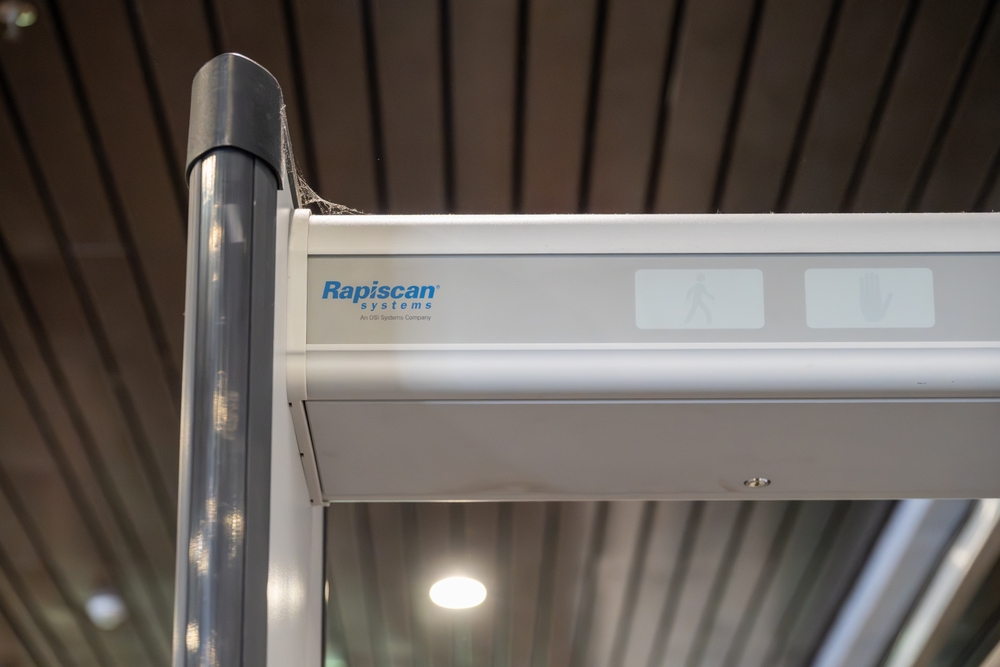
In response to these growing concerns and the clear need for more advanced detection methods, US airports began installing full-body scanners developed by Rapiscan Systems around 2010, marking a significant shift in how passengers were screened. These machines represented a major financial investment, costing approximately $180,000 each, and were introduced with the promise of addressing the very weaknesses that previous incidents had exposed. The goal was straightforward but ambitious: to detect threats that could be hidden on the body, regardless of whether they contained metal or not.
The speed at which these scanners were adopted reflected the urgency felt by authorities at the time, as there was little appetite for delay when it came to improving security measures. Will Geddes described this rapid decision-making process, stating: “Typically in the States, for federal agencies, the TSA especially, they just buy the first thing that they could possibly get.” This approach meant that the technology was deployed quickly across airports, often before the broader implications of its use had been fully understood or communicated to the public.
At first, the scanners were widely seen as a necessary and effective upgrade, offering capabilities that older systems simply did not have and giving security personnel a new level of insight into potential threats. They were designed to provide detailed imaging that could reveal hidden objects, making it much harder for dangerous items to pass through undetected. However, what many travelers did not realize at the time was just how detailed these images actually were, and how that level of detail would soon become the center of a growing controversy.
The Reality Behind ‘Virtual Strip Teases’
As more information about the scanners became public, it quickly became clear that their capabilities extended far beyond what most passengers had expected when stepping into them, leading to a wave of discomfort and concern that spread rapidly. The images produced were not vague outlines or abstract representations but highly detailed visualizations of the human body, showing contours and features in a way that many people found deeply unsettling. This level of detail meant that passengers were effectively being viewed in a state that closely resembled nudity, something that few had knowingly agreed to.
The nickname “virtual strip teases” captured the essence of this discomfort and became widely used as people began to understand what the scanners were actually doing behind the scenes. Security officers analyzing the scans could see far more than just potential threats, as the images revealed intimate details that raised serious questions about privacy and dignity. For many travelers, this realization felt like a breach of trust, as they had not been fully informed about the extent of the technology’s capabilities when it was introduced.
Will Geddes later described the machines as “very invasive,” a statement that aligned closely with the experiences and concerns of passengers who felt exposed by a system they had little control over. The idea that a routine security check could involve such a level of exposure was difficult for many to accept, and it became increasingly clear that the issue was not just technical but deeply human, touching on personal boundaries and expectations of privacy.
The Deadline That Changed the Industry
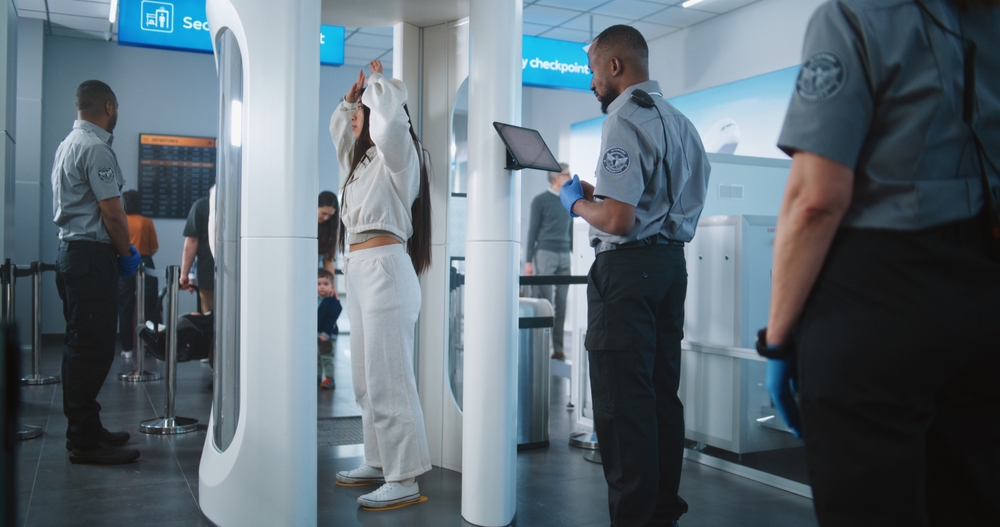
In response to mounting pressure and growing criticism, the Transportation Security Administration took action by setting a clear requirement for Rapiscan to modify its technology in a way that would address privacy concerns without compromising security effectiveness. The proposed solution was the development of Automated Target Recognition software, which would replace detailed body images with generic outlines that only highlighted areas requiring further inspection. This approach was intended to maintain the scanners’ ability to detect threats while removing the aspects that had caused public discomfort.
The TSA emphasized its expectations in a statement that underscored the importance of balancing security with privacy, saying: “TSA has strict requirements that all vendors must meet for security effectiveness and efficiency.” This made it clear that any technology used in airports needed to meet both criteria, rather than prioritizing one at the expense of the other. The introduction of this requirement signaled a shift in how security solutions would be evaluated moving forward.
However, despite the opportunity to adapt, Rapiscan was unable to meet the Congressionally mandated June 2013 deadline to implement the necessary changes, leaving authorities with little choice but to act. The TSA responded by stating: “Due to its inability to deploy non-imaging Automated Target Recognition (ATR) software by the Congressionally-mandated June 2013 deadline, TSA has terminated part of its contract with Rapiscan.” This decision marked a turning point, demonstrating that privacy concerns could not be ignored even in the context of national security.
The Shift to Less Invasive Scanners
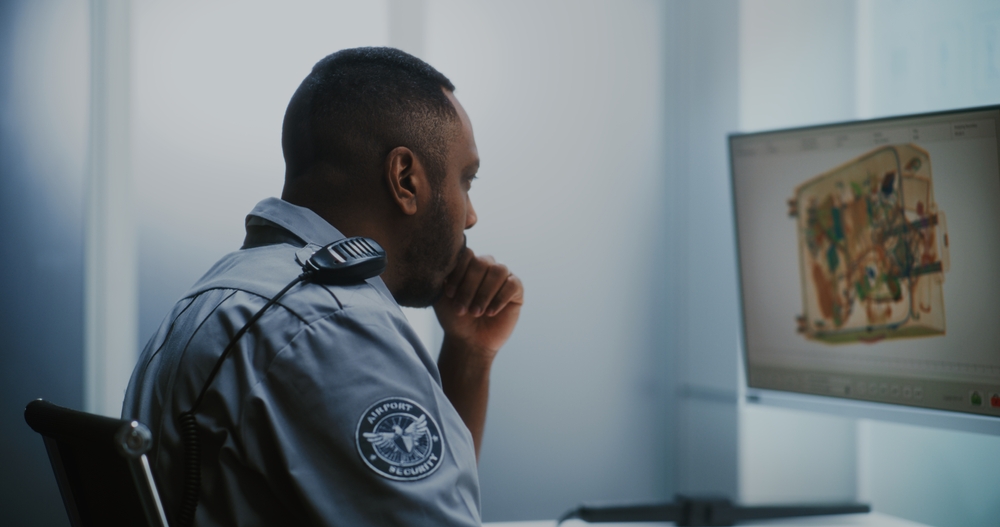
At the time of the decision, there were still 174 Rapiscan scanners in operation across US airports, meaning that the transition to new technology would take time and careful coordination. These machines were gradually phased out and replaced with scanners developed by L-3 Communications, which were designed with privacy considerations built into their functionality from the outset. The new systems represented a significant improvement in how passengers experienced security screening.
Unlike the previous scanners, the replacements did not generate detailed images of passengers’ bodies, instead displaying generic figures that highlighted potential areas of concern without revealing personal details. This approach allowed security personnel to focus on identifying threats while respecting the privacy of travelers, addressing the core issue that had led to the earlier backlash. The change also contributed to a smoother and more efficient screening process.
The TSA explained the benefits of the updated systems, stating: “By June 2013 travellers will only see machines which have ATR that allow for faster throughput. This means faster lanes for the traveller and enhanced security. As always, use of this technology is optional.” This shift demonstrated that it was possible to improve both security and the overall passenger experience at the same time, rather than treating them as competing priorities.
What This Means for Travelers Today
Today, airport security looks and feels very different from the period when these controversial scanners were in use, with most travelers passing through checkpoints without giving much thought to the technology involved. The process has become more streamlined and less intrusive, reflecting the lessons learned from past mistakes and the importance of maintaining public trust. Modern scanners are designed to detect threats effectively while minimizing the level of detail shown to security personnel.
This evolution has helped restore a sense of normalcy to air travel, as passengers no longer face the same level of discomfort or uncertainty about what the machines might reveal. The images produced are simplified and focused on identifying potential risks, ensuring that the emphasis remains on safety rather than unnecessary exposure. This balance has become a key goal in the development of new security technologies.
For many people, this change represents a reassurance that their privacy is being taken seriously, even in environments where strict security measures are necessary. It shows that systems can be improved not only to become more advanced but also to become more respectful of the individuals who interact with them, reinforcing the idea that progress should benefit both safety and personal dignity.
Featured Image Source: Shutterstock