

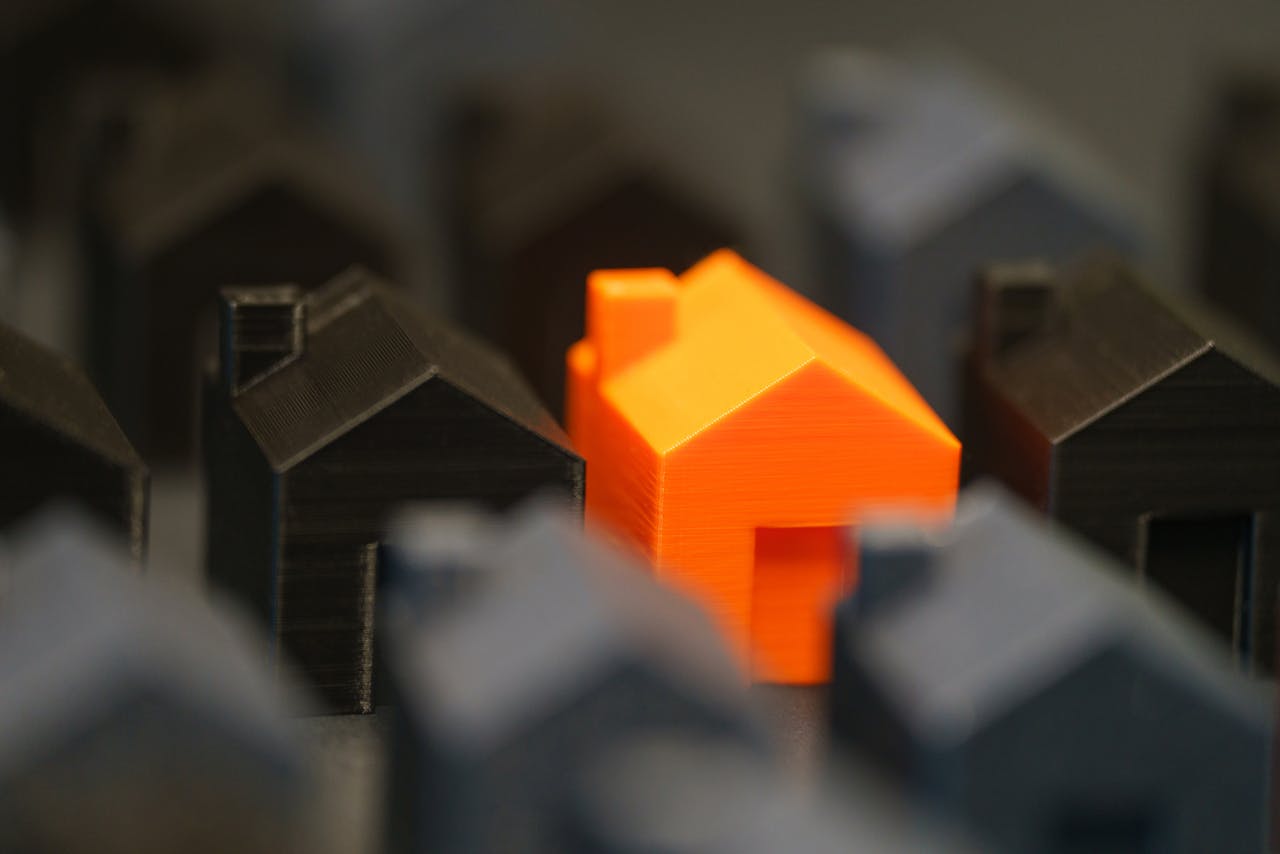
17-Year-Old Moves Into Prototype Shelter To Test Bold Housing Solution
A 17-year-old from Ontario has done something most adults only talk about. He didn’t just design a solution to homelessness. He chose to live inside it and put his own comfort on the line to prove it works.
While governments debate and cities struggle to keep up with rising housing demands, this teenager decided to test his idea the hardest way possible. He committed to living in his modular home for an entire year, turning a simple concept into a bold real-world experiment that people cannot ignore.
For him, this is not about a headline or a short burst of attention. It is about showing, day by day, that a small, thoughtfully designed space can offer stability where there was none before. By stepping into the role of both creator and occupant, he is forcing a simple question into the spotlight. What if solving a crisis starts with proving a single idea can actually hold up in real life?
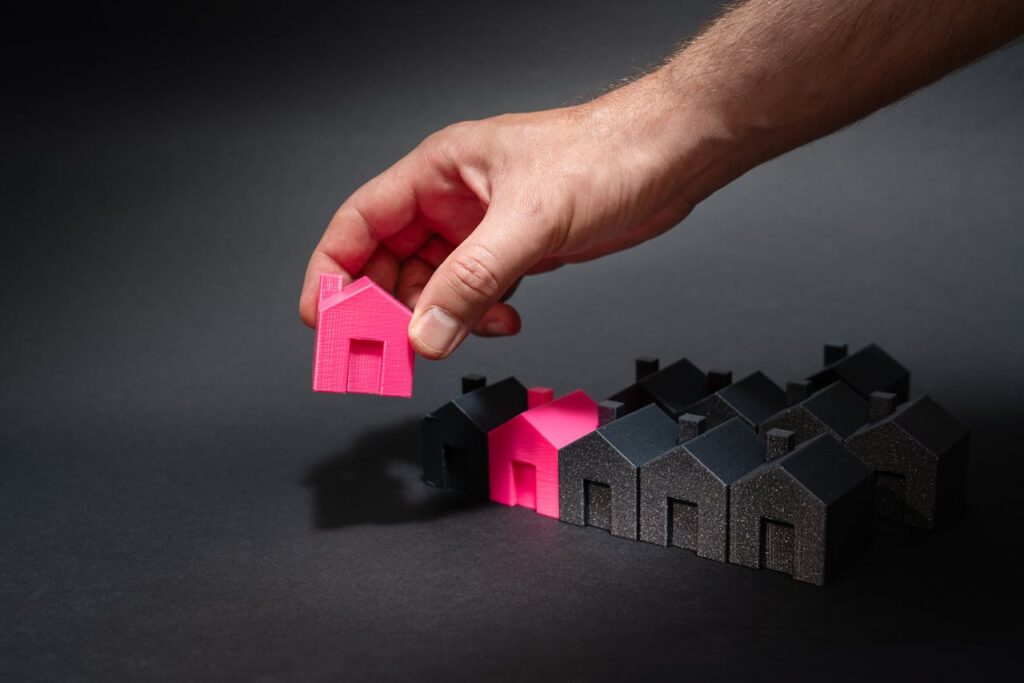
The Teen Who Decided Talking Wasn’t Enough
Most people his age are focused on school deadlines, friendships, and planning their next steps in life. This teen, however, found himself thinking about something far bigger than his immediate future. He kept returning to the same question again and again, wondering why homelessness continues to grow despite so many proposed solutions.
Instead of viewing homelessness as a distant social issue, he approached it as a practical problem that could be solved through design and engineering. That shift in perspective changed everything for him. He started sketching early ideas, researching materials, and studying how small spaces could be designed to feel livable rather than temporary or uncomfortable.
He was not interested in creating another short-term fix. His goal was to design something that could offer real dignity to the people living in it. That meant thinking about privacy, warmth, and safety, not just basic shelter. He wanted a structure that could withstand harsh weather while still feeling like a place someone could call their own.
What began as curiosity slowly evolved into a serious personal mission. He spent hours refining his design, learning from mistakes, and pushing the limits of what he could build. Over time, the project grew from a concept into a working prototype that had the potential to function in the real world.
Building A Modular Home From Scratch
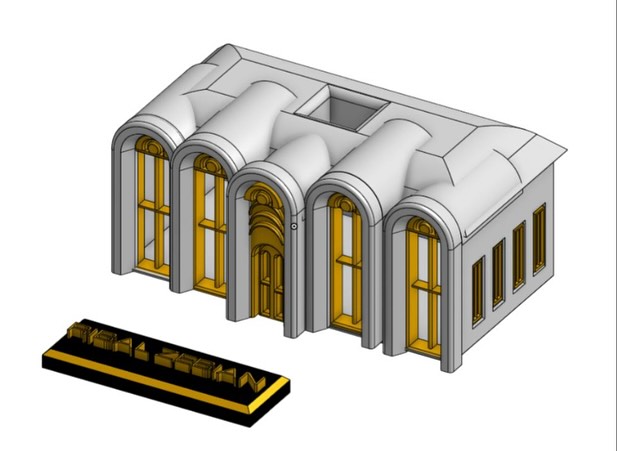
The idea behind the modular home was straightforward in theory but challenging in practice. He wanted to create a compact unit that could be built quickly, transported easily, and placed in a variety of urban spaces without requiring complex infrastructure. Every decision had to balance simplicity with functionality.
Keeping costs low became one of his biggest priorities. He understood that even the most well-designed housing solution would fail if it could not be produced affordably. This forced him to rethink materials, layout, and construction methods so the final product could remain realistic for large-scale use.
The structure itself was carefully designed to meet everyday needs. It included insulation to handle changing weather conditions, space for sleeping, and storage for personal belongings. The goal was not to create something impressive on paper but something that someone could realistically live in day after day.
He also paid attention to how the unit could be replicated and expanded. The modular aspect meant that multiple units could be connected or arranged in different ways depending on available space. This flexibility gave the design an advantage over traditional housing approaches that often require significant planning and resources.

Key Features Of The Prototype
The prototype reflects a balance between practicality and livability. It uses a compact footprint that allows it to fit into tight urban spaces where larger structures would not be possible. This makes it easier to place units in areas where land is limited or expensive.
It also includes insulated walls that help maintain a stable indoor temperature throughout the year. This is essential for ensuring that the space remains usable during both cold winters and warmer months, especially in regions with unpredictable weather conditions.
The modular design allows for easy transport and assembly. Units can be moved, adjusted, or expanded without requiring major construction efforts. This makes the concept adaptable to different cities and environments, which is critical for scaling the solution.
Basic living essentials are built directly into the structure, ensuring that it serves more than just a temporary function. The intention is to provide a space where someone can feel secure and begin rebuilding their life rather than simply passing through.
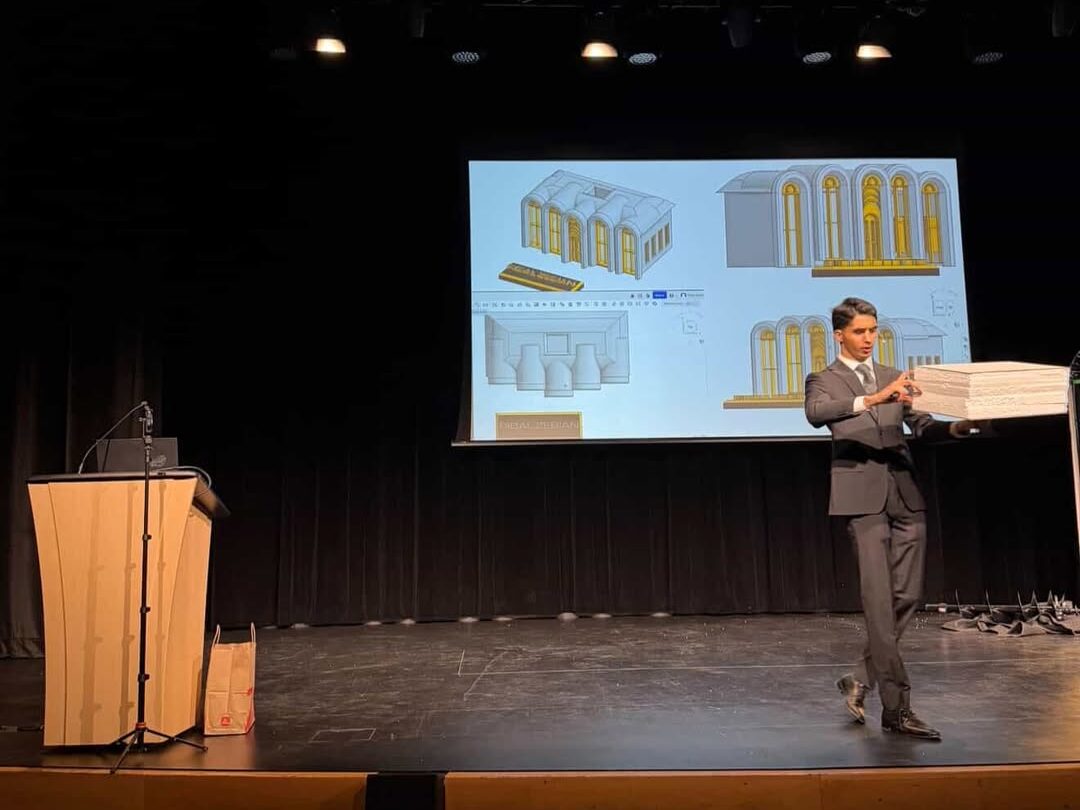
Living In The Prototype To Prove It Works
Designing a structure is one thing, but living inside it introduces a completely different level of reality. This is where the teen made his most striking decision. He chose to move into the modular home himself and experience every aspect of it firsthand.
By committing to live in the unit for a full year, he transformed the project into a genuine test rather than a theoretical concept. This decision forced him to confront the practical challenges that come with small-space living, from comfort to functionality and everything in between.
The experiment quickly changed how others perceived the project. It was no longer just a prototype sitting in a controlled environment. It became a lived experience, one that demonstrated both the strengths and the limitations of the design in real time.
Each day inside the unit provided new insights. Small inconveniences became opportunities to improve the design, while successful elements reinforced the core idea. This ongoing feedback loop helped refine the concept in a way that traditional testing never could.
What Makes His Strategy Different
His approach centers on direct testing rather than theoretical assumptions. Living in the space allows him to identify issues that might otherwise go unnoticed during the design phase. This creates a more realistic and reliable outcome.
He also places strong emphasis on dignity, ensuring that the space feels like a home rather than a temporary shelter. This focus changes how the design is perceived and experienced by those who might use it.
Scalability remains a core part of his thinking, with every decision tied to whether the concept could work on a larger scale. This prevents the design from becoming too complex or expensive to implement widely.
His willingness to adapt based on real experience ensures that the project continues to evolve. Instead of treating the prototype as a finished product, he views it as a starting point that can improve over time.
The Bigger Challenge Of Homelessness
Homelessness is shaped by a combination of economic pressures, housing shortages, and social challenges that are difficult to solve through a single approach. Rising living costs continue to push more people into unstable situations, making the problem increasingly visible in many communities.
Affordable housing remains one of the biggest barriers. As property prices and rent increase, many individuals find themselves unable to secure stable accommodation. This creates a cycle that is hard to break, especially for those already facing financial or personal difficulties.
Temporary shelters offer immediate relief, but they often lack the privacy and stability needed for long-term recovery. Without a sense of permanence, it becomes difficult for individuals to rebuild their lives and regain independence.
Innovations like modular housing aim to address this gap by providing a middle ground between emergency shelter and permanent housing. They offer a more stable solution while remaining flexible enough to adapt to different environments.
Can Modular Housing Actually Scale
One of the biggest questions surrounding modular housing is whether it can be expanded beyond a single prototype. Building one unit is an achievement, but creating thousands requires careful planning, funding, and coordination.
Cost remains a major factor in determining scalability. If production costs rise too high, the solution becomes inaccessible to the very people it is meant to help. This makes efficiency and material choice critical to the design process.
Logistical challenges also come into play. Cities need available land, supportive policies, and infrastructure that allows these units to be installed and maintained effectively. Without these elements, even the best designs can struggle to gain traction.
Despite these challenges, the flexibility of modular housing gives it a unique advantage. Units can be adapted, relocated, or expanded based on need, making the concept more dynamic than traditional housing solutions.
A One-Person Experiment With Bigger Implications
This story goes beyond the construction of a small modular home. It represents a willingness to test ideas in the real world rather than leaving them as concepts or proposals. That decision alone sets it apart from many other initiatives.
Living inside the prototype transforms the project into something tangible. It creates a connection between the idea and its real-world application, making it easier for others to understand its value and limitations.
The experiment also challenges assumptions about where meaningful solutions come from. It shows that innovation does not always require large institutions or extensive resources. Sometimes it begins with a single individual willing to act.
Whether modular housing becomes a widespread answer or not, this project has already achieved something significant. It has turned a conversation into action and demonstrated what happens when someone is willing to test their ideas in the real world.
Featured Image Credit: Photo by Jakub Zerdzicki | Pexels
References
- Statista. (2025, December 17). Global housing market – statistics & facts. https://www.statista.com/topics/5466/global-housing-market/?srsltid=AfmBOooZIVtfrvZsyfia9e7qZ6ED2n4xLinqLFtLxV3dkRLtWQlNoD-4#topicOverview
- Bastian Herre and Pablo Arriagada (2024) – “Homelessness” Published online at OurWorldinData.org. Retrieved from: ‘https://ourworldindata.org/homelessness’ [Online Resource]