

The Town That Gave Nature a Chance and Received Something Extraordinary
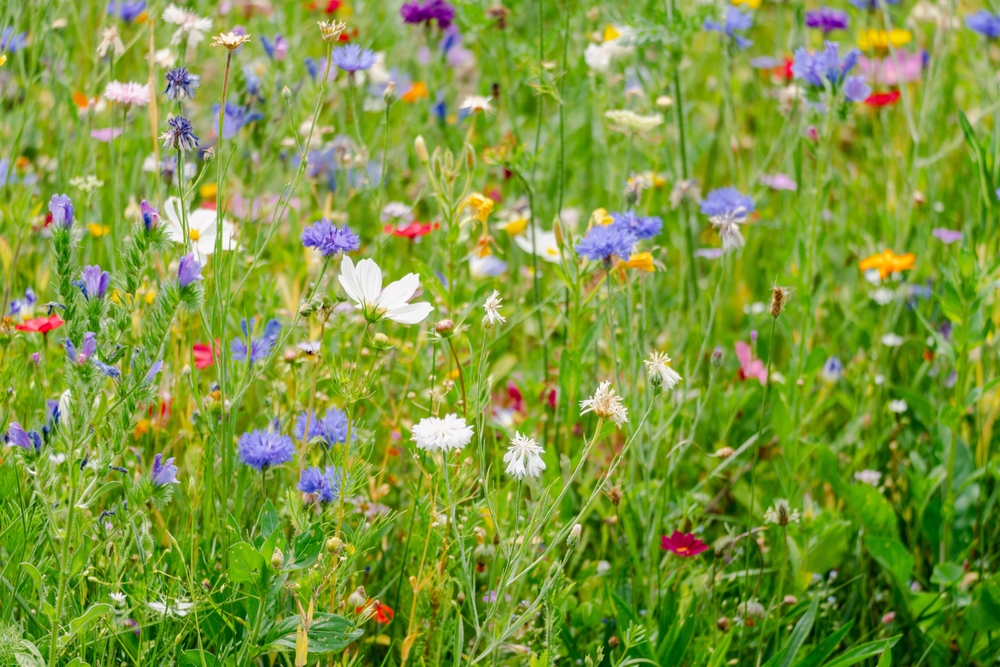
Sometimes the most meaningful transformation doesn’t begin with building something new. It begins with choosing not to interfere. In one English town, officials made what seemed like a modest change to the way public green spaces were maintained. Instead of mowing every stretch of roadside grass throughout the growing season, they allowed selected areas to bloom naturally.
The outcome surprised even those who supported the idea. Wildflowers spread across roadsides, pollinating insects returned in greater numbers, birds became more visible, and the town discovered it was spending significantly less on maintenance. What looked like a cost-cutting measure gradually became a lesson in how closely our own well-being is tied to the health of the natural world.
Before the project began, Rotherham, a town in South Yorkshire, England, maintained many of its roadside verges through regular mowing, much like countless communities across the country. In 2013, the local council launched an initiative known as the “River of Flowers,” allowing around eight miles of selected grass verges to grow into native wildflower meadows instead of being cut repeatedly throughout the season. The approach reduced annual maintenance costs by about £25,000 (roughly $33,000) while creating valuable habitat for bees, butterflies, birds, and other wildlife, turning a practical decision into an inspiring example of how working with nature can benefit both communities and the environment.
A Different Vision for Public Spaces
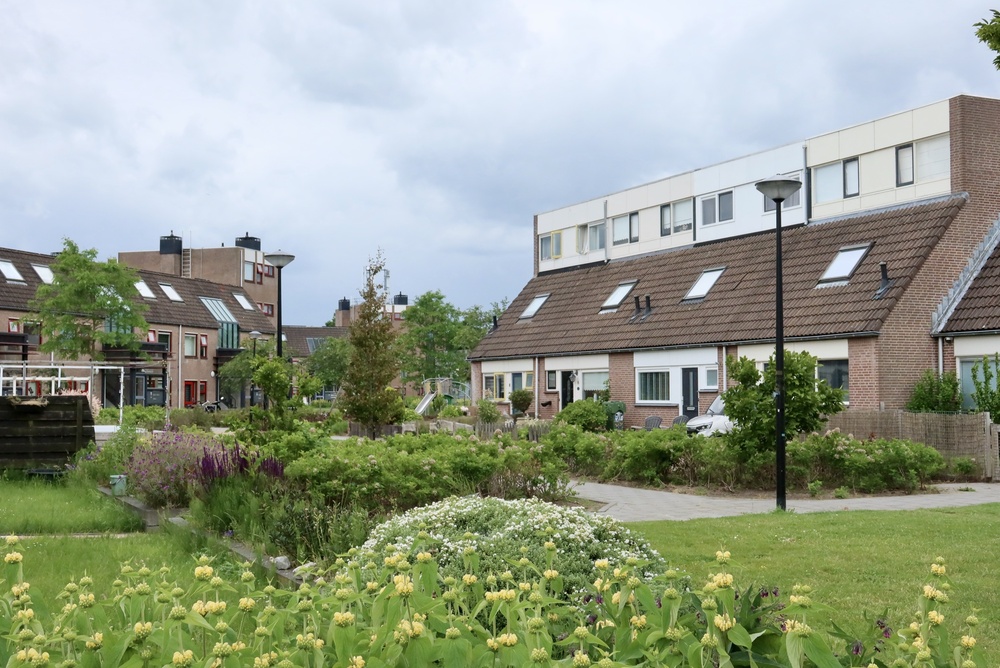
Across many towns and cities, neatly trimmed grass has long been treated as a sign of care and order. Parks, roadside verges, and public spaces are often mowed several times each year to create a uniform appearance. While these landscapes look tidy, they rarely provide much value for wildlife.
Local leaders decided to challenge that assumption. Rather than maintaining every patch of grass in the same way, they identified areas that could be managed more naturally. Native wildflowers were encouraged to grow, and mowing was reduced where it was safe and practical.
The change was simple, but its effects extended far beyond appearance.
Nature Responded Faster Than Anyone Expected
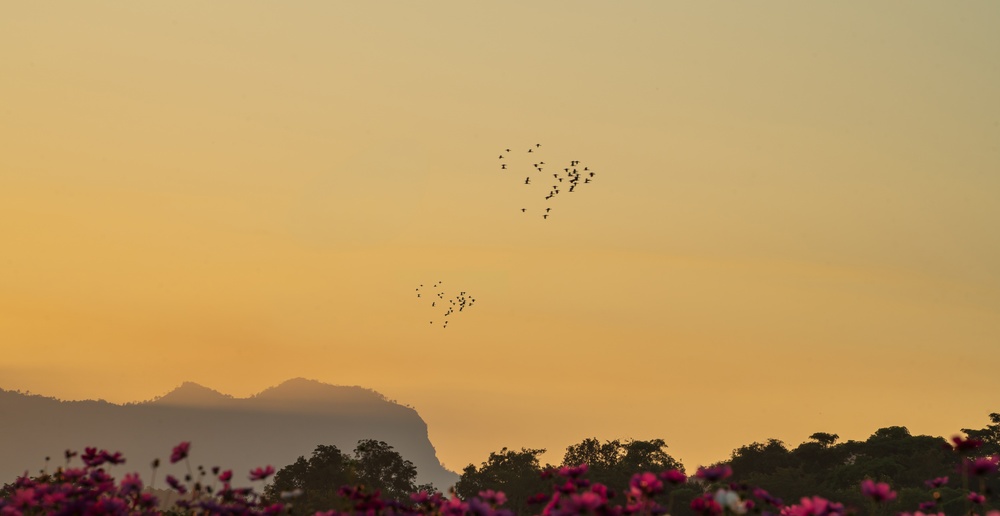
As mowing became less frequent, native flowering plants began completing their natural life cycles. Species that had struggled to survive under constant cutting suddenly had the opportunity to bloom, produce seeds, and spread naturally.
Roadsides that had once appeared almost identical throughout the year slowly transformed into colorful ribbons of seasonal flowers. The landscape became more varied, changing with the rhythm of spring and summer instead of remaining permanently trimmed.
Then Came the Pollinators
Flowers rarely exist in isolation. They form the foundation of an entire web of life.
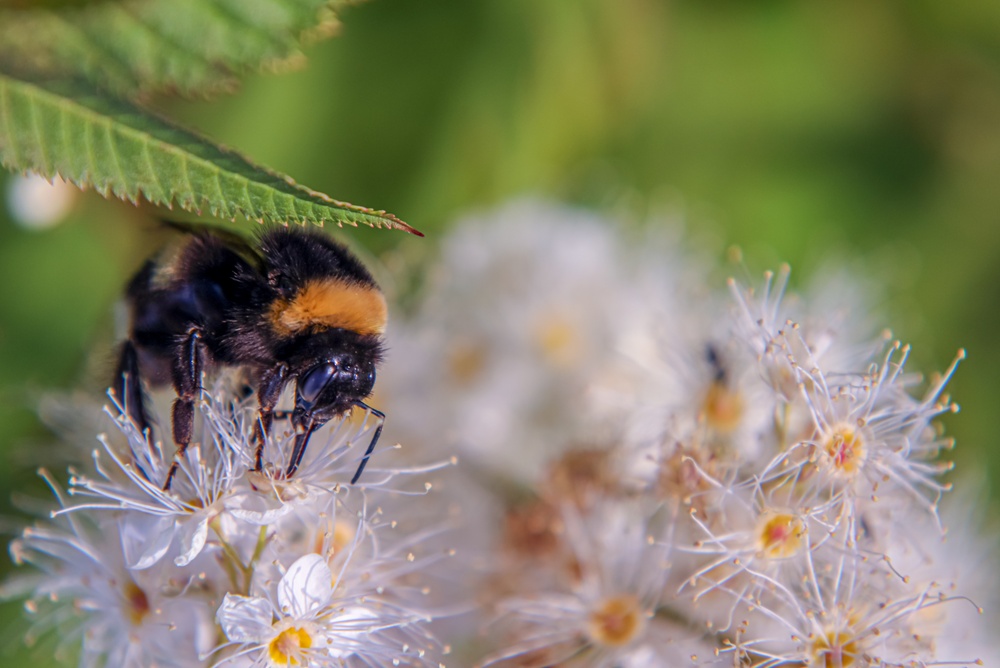
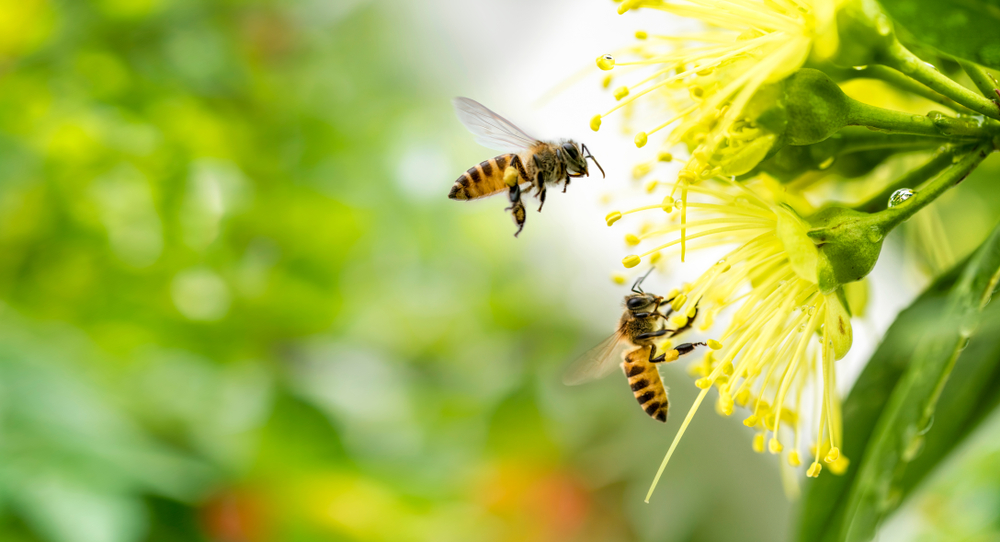
Bees were among the first visitors to return, drawn by the fresh supply of nectar and pollen. Butterflies followed, using the flowering plants both as food sources and as places to lay eggs. Countless other insects, many of them unnoticed by people, also found shelter among the taller grasses and wild vegetation.
These tiny creatures may seem insignificant on their own, yet together they support ecosystems that humans depend on every day.
More Than Just Saving Money
The environmental benefits quickly became clear, but another result surprised many observers. Maintaining fewer intensively mowed areas also reduced the town’s maintenance costs.
Lower fuel use, fewer mowing hours, reduced machinery wear, and less frequent maintenance combined to produce meaningful annual savings. Rather than forcing officials to choose between protecting nature and managing public budgets responsibly, the project demonstrated that both goals could support one another.
For many communities facing rising costs and environmental pressures, this offered an encouraging example. Sometimes the most sustainable solutions are also the most practical.
Why Pollinators Matter More Than We Often Realize
It is easy to overlook bees, butterflies, and other insects because they are small and often go unnoticed. Yet these species perform one of the most important jobs in nature. As they move from flower to flower collecting nectar, they transfer pollen that allows many plants to reproduce.
This process supports far more than colorful gardens. A significant share of the world’s flowering plants, along with many fruits, vegetables, and nuts, rely on pollinators to complete their life cycles. Healthy pollinator populations also sustain the habitats that countless birds and other wildlife depend upon.
Every Flower Supports a Larger Story
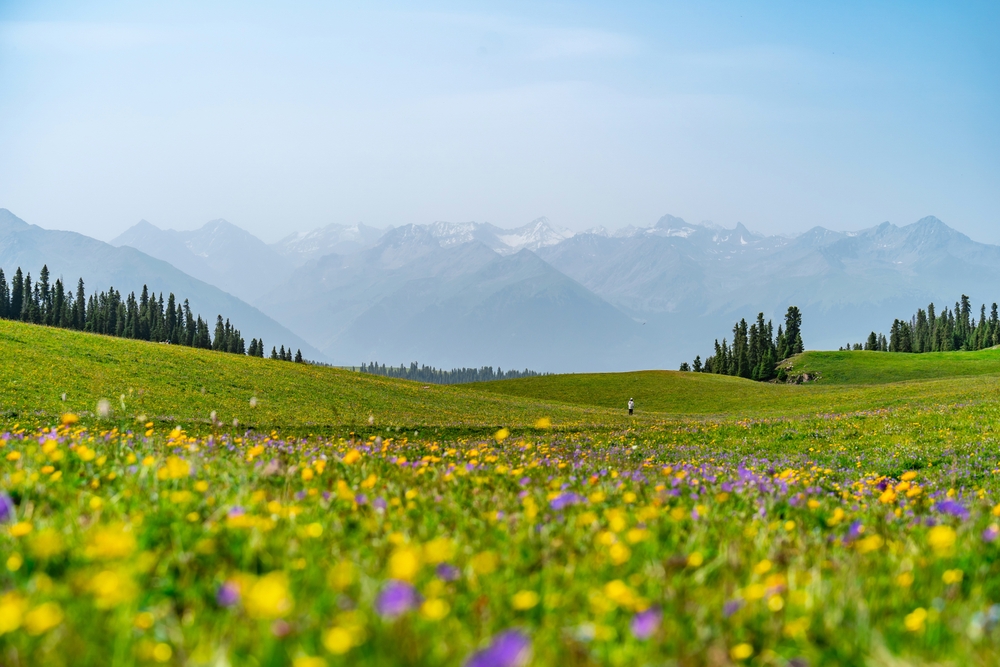
A wildflower meadow may appear beautifully unplanned, but beneath that natural beauty lies a network of relationships built over thousands of years.
Different flowers bloom at different times, ensuring that insects have food throughout the growing season. Some bees specialize in visiting only certain plants, while butterflies lay their eggs on species that their caterpillars need to survive. As insect populations thrive, they become food for birds, hedgehogs, amphibians, and many other animals.
When one part of that network disappears, the effects ripple outward. When it returns, life often rebounds with surprising speed.
Biodiversity Creates Stronger Communities
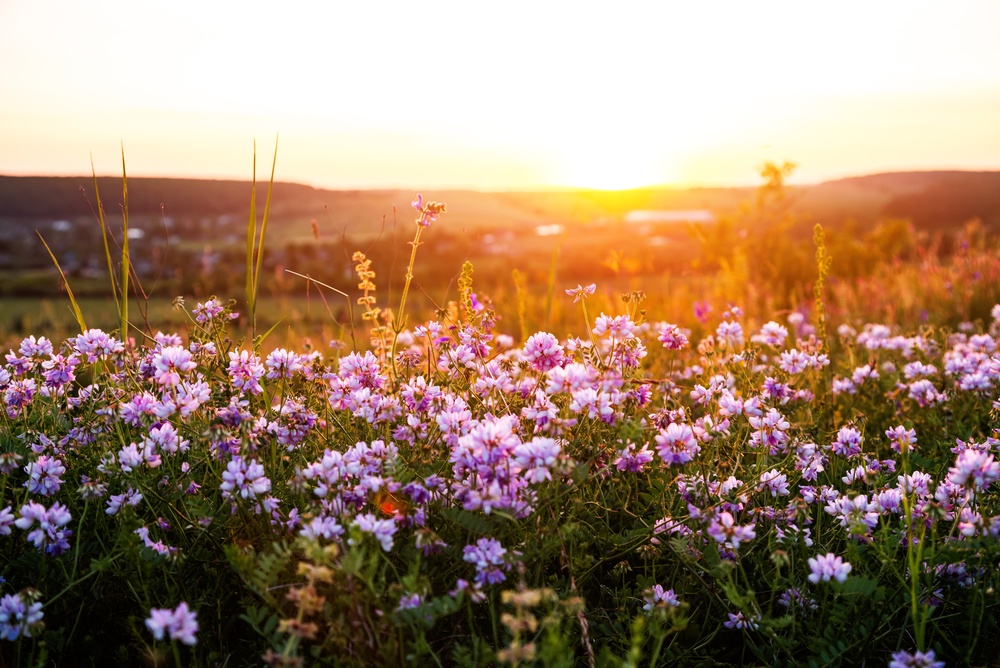
Biodiversity is more than a scientific term. It describes the variety of living organisms that share an environment and support one another. The greater that diversity, the more resilient an ecosystem becomes.
Natural landscapes filled with native plants help stabilize soil, improve water absorption after heavy rain, reduce erosion, and create cooler spaces during periods of extreme heat. These benefits are increasingly valuable as communities adapt to changing weather patterns and expanding urban development.
Instead of relying solely on expensive infrastructure, healthy ecosystems often provide services that nature has perfected over millions of years.
Rethinking What a Beautiful Landscape Looks Like
For generations, people have associated perfectly cut lawns with cleanliness, order, and civic pride. There is nothing inherently wrong with well-maintained green spaces, but they are only one way of caring for the environment.
Wildflower meadows invite us to expand our definition of beauty. Rather than celebrating uniformity, they embrace seasonal change, diversity, and the quiet rhythm of nature itself.
That shift can take time. At first glance, taller grass may appear untidy to those accustomed to closely trimmed landscapes. Yet once flowers begin blooming and butterflies drift through the air, many people begin to see these spaces differently.
Beauty, after all, is not measured only by symmetry. Sometimes it is found in the sound of bees moving between blossoms or the return of birdsong to places where it had grown quiet.
A Lesson About Working With Nature
Modern society often approaches environmental challenges by asking what new technology or large-scale project might solve them. Those innovations certainly have their place, but this story points toward another possibility.
Sometimes meaningful progress begins by stepping back.
Instead of constantly reshaping every corner of the landscape, communities can create conditions where natural systems rebuild themselves. The wildflowers did not need to be instructed where to grow. The bees did not need to be invited back. Once suitable habitat returned, life responded on its own.
That simple truth carries a quiet wisdom. Nature has an extraordinary capacity for renewal when given the opportunity.
Communities Around the World Are Reimagining Green Spaces
This town is far from alone. Across Europe, North America, and other parts of the world, cities are discovering that working with nature can deliver benefits that extend well beyond conservation.
Local governments have started reducing mowing schedules, planting native flowers, restoring wetlands, and replacing decorative lawns with landscapes that support wildlife. While each project reflects local conditions, many share a common goal: creating public spaces that serve both people and the ecosystems around them.
Several encouraging patterns have emerged:
- Lower maintenance costs: Reduced mowing means less fuel, fewer labor hours, and less wear on equipment.
- Healthier wildlife populations: Pollinators, birds, and beneficial insects often return once food and shelter become available.
- Improved climate resilience: Diverse plant communities absorb rainwater more effectively, reduce soil erosion, and help cool urban environments during heatwaves.
- Stronger community engagement: Wildflower projects frequently inspire schools, volunteers, and local organizations to participate in habitat restoration and environmental education.
- Greater appreciation for local nature: Residents begin noticing seasonal changes, native plants, and wildlife that had previously gone unseen.
Each initiative demonstrates that environmental progress does not always depend on large budgets or complex technology. Sometimes it begins with changing how we care for the spaces we already have.
What This Story Reveals About Our Relationship With Nature
Many people grow up believing that humans improve nature by controlling it. We trim, reshape, organize, and manage almost every landscape we touch. Yet stories like this gently challenge that assumption.
Nature has spent millions of years learning how to balance itself. Forests regenerate after disturbance. Rivers reshape their own paths. Meadows flourish through countless interactions between plants, insects, birds, and soil.
When those relationships are interrupted, ecosystems weaken. When the pressure is reduced, they often begin healing in ways that seem almost effortless.
This does not mean every landscape should be left untouched. Parks, gardens, and public spaces all require thoughtful stewardship. The lesson is subtler than that.
Perhaps true stewardship is not measured by how much control we exercise, but by how well we understand when to step back.
Small Decisions Can Echo for Generations
Environmental challenges often feel overwhelming because they are discussed on a global scale. Climate change, biodiversity loss, and habitat destruction can seem too large for any single community to influence.
Yet meaningful change rarely begins all at once.
It starts with one restored meadow, one school planting native flowers, one neighborhood protecting mature trees, or one town choosing a different approach to managing public land. Individually, these actions may appear modest. Together, they reshape landscapes and inspire others to ask what is possible in their own communities.
Progress spreads much like the wildflowers themselves. One patch becomes two. Two become many. Before long, an idea that once seemed unusual becomes an accepted part of how a community cares for the place it calls home.
The return of bees, butterflies, and birds is only one measure of success. Equally important is the reminder that humans are not separate from nature. We are participants in the same living system, and every thoughtful decision leaves a mark on the world we share.