

These High School Students Fixed Broken Cars And Gave Single Moms A Fresh Start
A classroom project in Virginia is proving that sometimes the most meaningful lessons happen far away from textbooks. Inside a high school garage, teenagers are taking donated vehicles that have been forgotten and turning them into something that can completely change a family’s daily life.
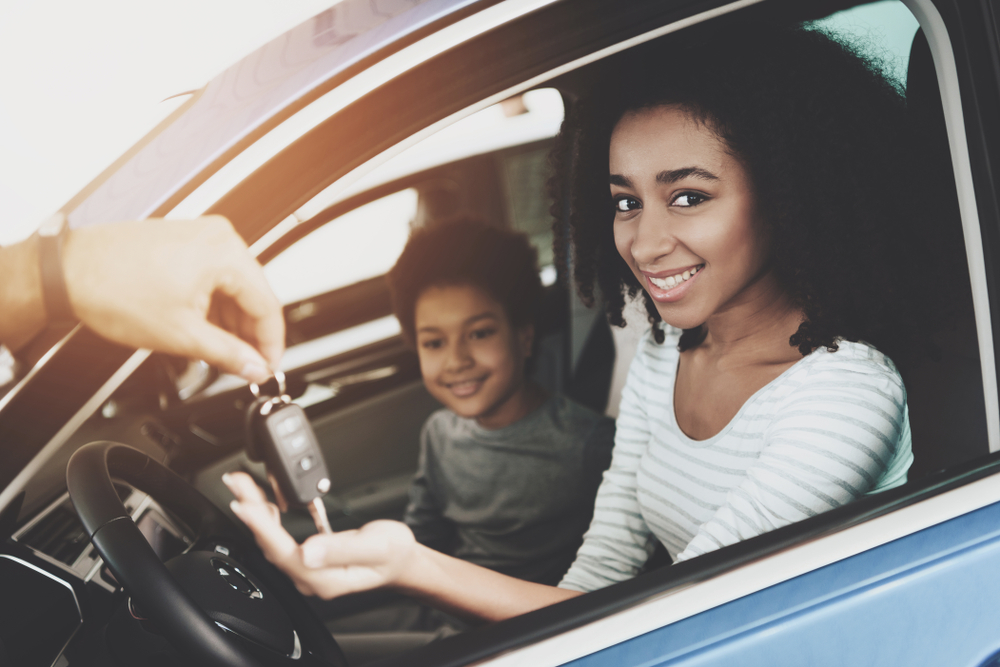
When the garage door opens, the moment feels bigger than a simple car giveaway. A restored vehicle appears with a red bow, applause fills the room, and a single mother receives something that can help her reach work, appointments, and everyday responsibilities with greater independence.
A School Garage Became A Place Of Transformation
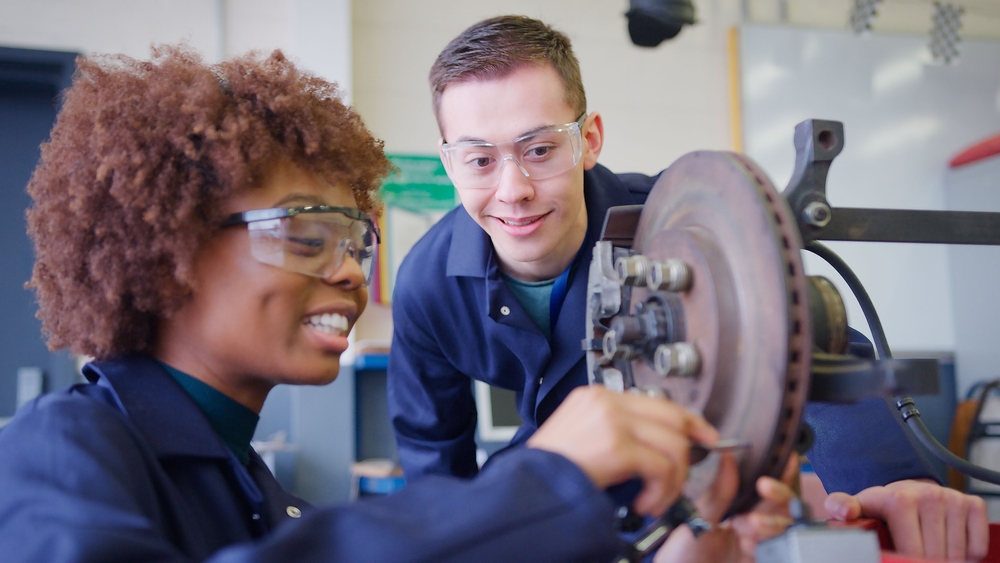
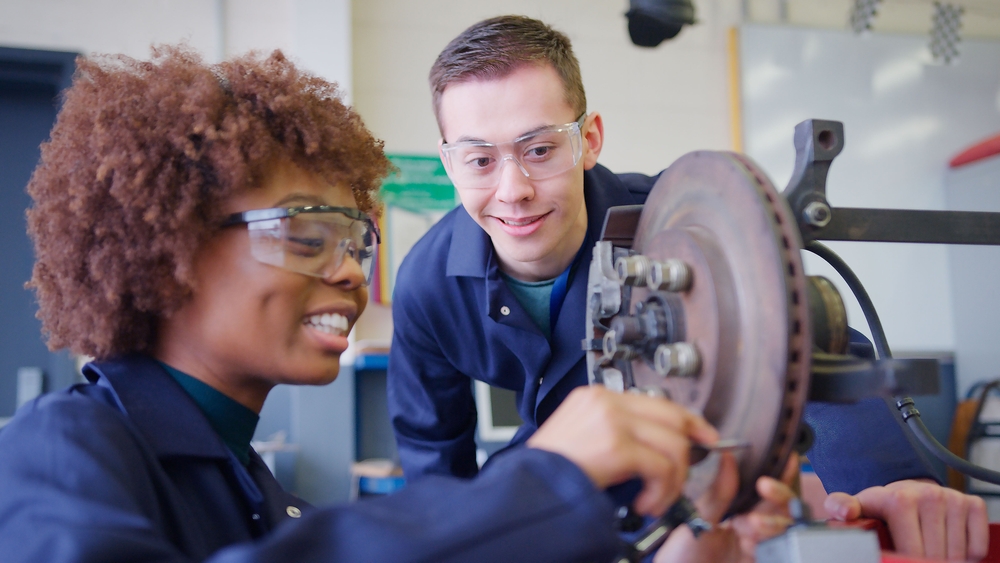
At Louisa County High School in Mineral, Virginia, automotive technology students spend their semesters learning how vehicles operate. Their lessons include repairing brakes, replacing tires, checking batteries, changing fluids, and maintaining heating and cooling systems.
But the cars they work on are not just practice projects. Each vehicle belongs to a real person who is waiting for a chance to move forward with reliable transportation.
For eight years, students have participated in a program that restores donated cars and gives them to single mothers who need support. Around 20 students take part each semester, gaining technical experience while seeing how their work affects people beyond the classroom.
Sixteen-year-old Holden Pekary remembers one giveaway that changed how he viewed the project. He noticed a baby being held by a mother receiving one of the vehicles and understood that the hours spent working on the car had a direct impact on a family.
“The whole class is very rewarding,” Pekary told The Washington Post.
Learning Skills Through Real People And Real Challenges
Teacher Shane Robertson guides students through the repair process, but the lessons extend beyond engines and mechanical systems.
Every vehicle brings a different challenge. Students must identify problems, work together, and make careful decisions to prepare each car for someone who depends on it.
Robertson explained that the purpose behind the work changes how students approach their assignments.
“They get the real-life grit behind why they are really doing a task,” Robertson said in an interview with ABC. “This is somebody’s real car and you’re really making a change in the world.”
The experience gives students a connection between their education and the community around them. A repaired brake system or functioning air conditioner becomes more than a technical achievement when they understand who will benefit from it.
The Partnership That Helped Build The Program
The vehicle restoration project grew through a partnership with Giving Words, a local nonprofit that supports single parents by providing free vehicles and repairs.
The organization was created by Eddie Brown and his wife after both experienced the difficulties that can come with raising children while facing transportation challenges.
Their personal experiences shaped a mission centered around helping families gain more stability. Since starting the program, Giving Words has provided more than 60 cars and repaired over 260 vehicles.
The nonprofit also works with vehicle owners and local repair shops to find additional cars and resources. The collaboration allows students, volunteers, and community members to contribute in different ways.
Why Reliable Transportation Can Change A Family’s Future
For many families, having a dependable vehicle affects nearly every part of everyday life. Transportation can influence employment opportunities, childcare responsibilities, medical appointments, and access to essential services.
A car does not solve every challenge, but it can remove one major obstacle that makes other goals harder to reach.
Jessica Rader experienced that difference after receiving a restored 2007 gold Toyota Prius from the program. Before the giveaway, she depended on friends and family for rides while caring for her three children.
The vehicle helped her move from part-time work into a full-time position because she could travel more consistently and manage her responsibilities more independently.
The Moment Students Realized Their Work Had Meaning
The students who restored Rader’s vehicle had never met her before the giveaway. They only knew that their work would eventually help someone in their community.
When the garage door opened and the finished Prius was revealed, the connection between the students and recipient became clear.
“It’s not just about the car, it’s about community,” Rader told The Washington Post. “Kids who never met me cared about me enough to put hard work into a vehicle to make sure myself and my kids were safe.”
The moment showed the students that their skills could create something lasting. The car represented transportation, but it also represented people choosing to support one another.
Young People Are Discovering The Power Of Service
The students at Louisa County High School are part of a growing number of young people using their skills to solve problems around them.
For many teenagers, community service can feel separate from everyday life. This program creates a different experience because the students can see the direct result of their effort. They do not simply complete an assignment and move on. They watch a person drive away in something they helped restore.
That connection can change how young people view their own abilities. A skill learned in school becomes something that can support another person’s goals, independence, and future.
The lessons inside the garage reach beyond automotive repair. Students learn patience, responsibility, and the importance of doing careful work when someone else is depending on them.
Small Acts Of Support Can Create Lasting Change
The car restoration program shows how community problems are often solved through people combining what they already have.
Some provide vehicles. Others donate repair services or resources. Students contribute their time and growing knowledge. Teachers provide guidance. Each part of the process adds another layer of support.
The program’s success comes from cooperation between people with different roles. A donated car alone cannot help a family if it remains unusable. Mechanical skills alone cannot create change without a vehicle waiting to be repaired.
Together, those pieces create opportunities that would not exist otherwise.
Programs like this also challenge the idea that meaningful change always requires large organizations or major resources. Sometimes a group of students, a classroom, and a willingness to help can create a moment that changes someone’s everyday life.
Other Students Are Turning Skills Into Community Help

Louisa County High School’s students are not the only young people finding creative ways to serve others.
Across different communities, teenagers have used their talents to support neighbors, improve local spaces, and respond to challenges around them.
Examples of student-led service projects include:
- Repair programs: Students with technical skills help fix items that families may struggle to replace.
- Food support efforts: Young volunteers organize collections and distributions for people facing difficult circumstances.
- Community improvement projects: Students restore public spaces, assist local organizations, or create helpful resources.
- Fundraising campaigns: School groups raise money for individuals, charities, and causes that matter to their communities.
These projects often begin with something simple: a student noticing a need and deciding they can contribute.
The Human Connection Behind The Car Keys
A restored vehicle may appear to be a practical gift, but the deeper impact comes from the relationship created through the process.
The students begin with a car that needs work. The recipient begins with a challenge that needs support. By the end, strangers become connected through an act of care.
That connection is one reason the program leaves such a lasting impression on everyone involved.
The students learn that their abilities have value beyond personal achievement. The recipients experience what it feels like when a community chooses to invest time and effort into helping them.
The exchange creates something that cannot be measured only by the price of a vehicle.
A Lesson That Extends Beyond The Garage
The most important part of the program may not be the cars that leave the school parking lot.
It is the understanding students gain while restoring them.
They discover that work can carry meaning when it serves someone else. They learn that knowledge becomes more powerful when it is shared. They see that kindness does not belong only to adults with years of experience.
A teenager holding a wrench can create a meaningful change in another person’s life.
The program also offers a different view of education. Skills learned in classrooms can become tools for strengthening communities. Learning becomes something active, something that reaches beyond grades and assignments.
The Next Generation Of Helpers Is Already Here
Every restored car represents hours of effort from students who chose to care about someone they had never met.
The final gift is not only a vehicle. It is proof that compassion can be built into everyday actions, including the work done in a high school garage.
When young people are given opportunities to use their talents for others, they discover a powerful truth: what they learn can become a way to serve.
A repaired engine may start a car moving, but a community built on care helps people move forward.