


What 700 High School Graduates Chose Instead Of College Says A Lot About Success Today
For generations, the transition from high school to adulthood seemed to follow a familiar script. Students graduated, packed their belongings, moved into dorm rooms, and began working toward a degree that promised future opportunity. It became such a deeply accepted part of modern life that many people stopped questioning whether it was the only path worth pursuing. Yet for hundreds of teenagers in Connecticut and Rhode Island this year, that script no longer felt like the right fit.
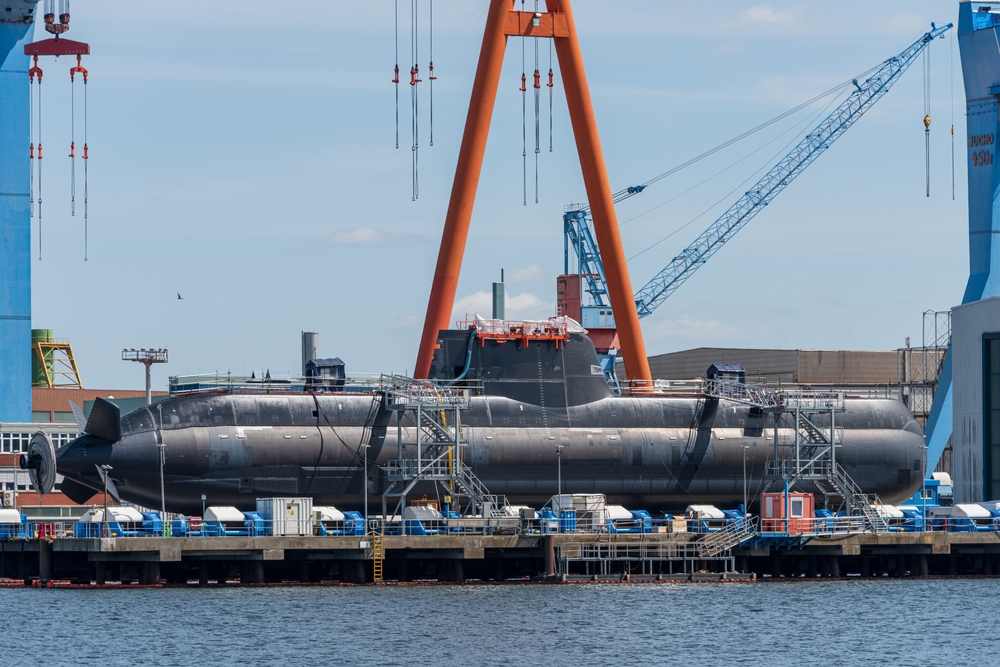
Nearly 700 graduating seniors recently chose a different direction. Rather than heading straight into lecture halls and student loan agreements, they accepted jobs with General Dynamics Electric Boat, the company responsible for building nuclear submarines for the United States Navy. Many of these young people will enter skilled trades such as welding, machining, metal fitting, carpentry, painting, and manufacturing. Their decision reflects a growing shift in how a new generation thinks about work, purpose, and what it means to build a meaningful future.

A Different Kind Of Graduation Season
For many students, senior year is filled with conversations about college applications, acceptance letters, and plans for campus life. Guidance counselors often focus on universities as the primary destination after graduation, while families celebrate admission into prestigious schools as major milestones.
This year, hundreds of students found themselves celebrating something different. Instead of preparing for freshman orientation, they prepared to enter the workforce. Their next chapter would begin on manufacturing floors, inside training programs, and alongside experienced tradespeople who have spent years mastering highly specialized skills.
The significance of that choice extends beyond one company or one hiring event. It highlights a growing recognition that valuable careers can begin in many different places. Success is increasingly being measured by fulfillment, stability, and opportunity rather than by following a single traditional route.
As industries across the country search for skilled workers, young people are discovering that practical training and hands-on experience can open doors that many previous generations rarely considered.

The Growing Appeal Of Skilled Trades
For years, skilled trades struggled with outdated stereotypes. Many people viewed these professions as second-tier options compared with four-year degrees, despite the fact that they play an essential role in keeping economies and communities functioning.
That perception has been changing. Skilled trades often provide strong earning potential, job security, and opportunities for advancement. Workers gain expertise that remains valuable across decades and can lead to leadership positions, specialized certifications, or even business ownership.
Many students are also taking a closer look at the financial realities of higher education. College remains a valuable path for millions of people, but rising tuition costs have encouraged some graduates to explore alternatives that allow them to begin earning immediately while continuing to develop professionally.
The appeal is not simply about money. There is also a growing appreciation for work that produces visible results. Building, repairing, manufacturing, and creating can provide a direct connection between effort and outcome that many people find deeply rewarding.
Building Something Larger Than Yourself
The young people joining Electric Boat are entering an industry that requires precision, discipline, and teamwork. Every project involves thousands of individual contributions working together toward a larger goal.
Many careers today involve digital products, remote communication, or services that exist primarily on screens. There is nothing wrong with those professions, yet there is something uniquely powerful about participating in the creation of a physical object that serves a clear purpose.
For these graduates, each day will involve learning skills that contribute to the construction of some of the most advanced submarines in the world. The work requires attention to detail, technical knowledge, and a commitment to quality.
That sense of contribution often creates a different relationship with work. Instead of viewing a job solely as a source of income, people begin to see themselves as part of something larger than their individual responsibilities. Purpose emerges when effort connects with a tangible outcome that affects others.
Why Young People Are Rethinking Success
The idea of success has changed dramatically over the past several decades. Previous generations often pursued stability through clearly defined milestones. Earn a degree, secure a career, buy a home, and continue advancing through a predictable system.
Today’s young adults face a different landscape. Economic pressures, changing industries, and evolving cultural values have encouraged many to question assumptions that once seemed unquestionable.
As a result, success is becoming more personal. Some people still pursue higher education immediately after high school. Others enter the workforce, start businesses, attend trade schools, or combine several paths throughout their lives.
A growing number of young people are asking different questions than previous generations. Instead of focusing exclusively on status or credentials, many are asking whether a career provides meaningful work, financial stability, opportunities for growth, and a sense of purpose.
That shift does not diminish the value of college. It simply expands the conversation about what a successful life can look like.
The Workforce America Needs
Across the United States, manufacturers and industrial employers have expressed concern about workforce shortages. Many experienced workers are approaching retirement, creating demand for a new generation prepared to learn specialized skills.
Industries that depend on welding, machining, fabrication, electrical work, and advanced manufacturing are investing heavily in training and recruitment. Companies understand that their future depends on developing talent today.
This challenge creates an unusual opportunity for young workers. Demand for skilled labor means many graduates can step directly into careers that offer long-term prospects and structured development programs.
The story of these 700 students is partly about one hiring initiative, but it is also about a broader transition taking place throughout the country. A renewed appreciation for craftsmanship, technical expertise, and hands-on work is reshaping how people think about professional success.
Choosing A Path That Feels Right
One of the most important lessons from this story is that adulthood rarely follows a single blueprint. Some graduates will thrive in universities. Others will flourish in apprenticeships, training programs, or skilled trades. Many will move between different paths throughout their lives.
What matters most is not whether a decision matches someone else’s expectations. What matters is whether it aligns with a person’s goals, talents, and vision for the future.
The nearly 700 seniors who accepted positions at Electric Boat chose a path that allows them to learn, earn, and contribute from the very beginning of their adult lives. Their decision reflects confidence in an alternative route that previous generations often overlooked.
Years from now, the submarines they help build may travel oceans around the world. The more lasting impact may be the conversation their choice has started about work, purpose, and the many different ways a meaningful life can begin.