

A Three Year Old Gave Everyday Workers the Birthday They Never Expected
Most birthdays follow a familiar script. Balloons fill the room, presents pile up in a corner, and the biggest decision of the day is often which slice of cake to eat first. Children dream about toys they have seen in store windows or characters they have fallen in love with on television. The excitement usually centers on what they hope to receive.
A little boy in Brazil had something entirely different in mind. His greatest birthday wish was not a new toy or a grand celebration. He simply wanted to share breakfast with the sanitation workers who visited his street each week. That quiet request became a story that traveled far beyond his neighborhood, touching millions of people because it revealed something many adults forget to see.
For his birthday, this little boy surprised the garbage collectors he admires with breakfast ❤️
by
in
BeAmazed
A Friendship That Began With an Ordinary Morning Routine
Every community has familiar faces who become part of daily life without anyone giving them much thought. Delivery drivers, crossing guards, postal workers, bus drivers, and sanitation crews often move through neighborhoods on schedules so reliable that their presence almost blends into the background.
For three-year-old Davi, the garbage collectors never faded into the background.
Each week he eagerly waited for the garbage truck to arrive, watching from outside with excitement that never seemed to fade. The workers knew him by name, greeted him warmly, and over time those brief encounters grew into something more meaningful than a simple wave from the curb. They became friends in the uncomplicated way children make friends, free from assumptions about status or occupation.
Children often notice things adults have trained themselves to overlook. They see the flashing lights of the truck, hear the powerful engine long before it reaches the street, and marvel at the teamwork involved in lifting heavy bins and keeping neighborhoods clean. To a young child, there is nothing ordinary about that work. It feels important because it clearly serves a purpose.
Many parents eventually discover that garbage trucks fascinate toddlers almost as much as fire engines or construction equipment. The workers become familiar faces connected to something exciting that happens every week.
Davi was no exception.
His admiration remained consistent over months, turning what could have been a passing childhood interest into genuine affection for the people behind the truck. Rather than seeing uniforms or job titles, he saw individuals who smiled back, acknowledged him, and brightened his mornings.
That simple exchange laid the foundation for one unforgettable birthday.
A Birthday Wish That Surprised Even His Family
As Davi’s third birthday approached, his mother, Rafaela Miranda, asked him the same question parents ask children around the world.
How did he want to celebrate?
The answer came immediately.
He wanted to have breakfast with “the garbage guys.”
There was no long list of presents. No elaborate requests for a themed party or expensive entertainment. His greatest wish centered entirely on spending time with the people he had grown to admire through those weekly encounters.
His family embraced the idea without hesitation.
Instead of steering him toward a more traditional celebration, they recognized the sincerity behind his request. They understood that children often express appreciation in its purest form, before social expectations begin shaping who deserves admiration and who does not.
On the morning of July 7 in Goiás, Brazil, they prepared a breakfast table outside.
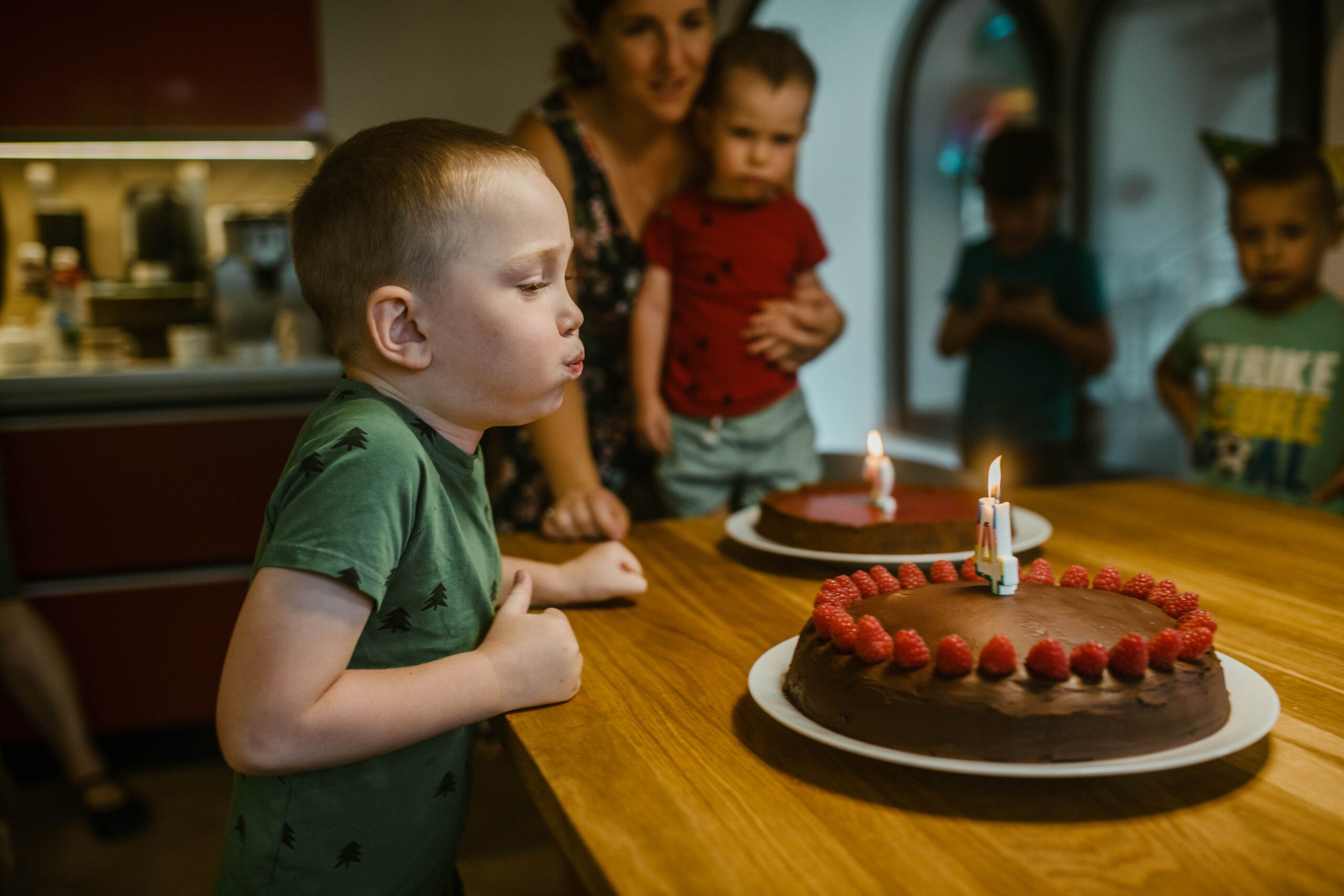
There was coffee and juice for the adults, bread and fruit to share, and a birthday cake decorated with a miniature garbage truck that reflected Davi’s favorite part of the week. Everything had been arranged with care, waiting for one special moment.
The family knew the truck would eventually turn onto their street.
Now all they could do was wait.
The Moment Everyone Had Been Waiting For
As the garbage truck finally appeared around the corner, anticipation quickly turned into emotion.
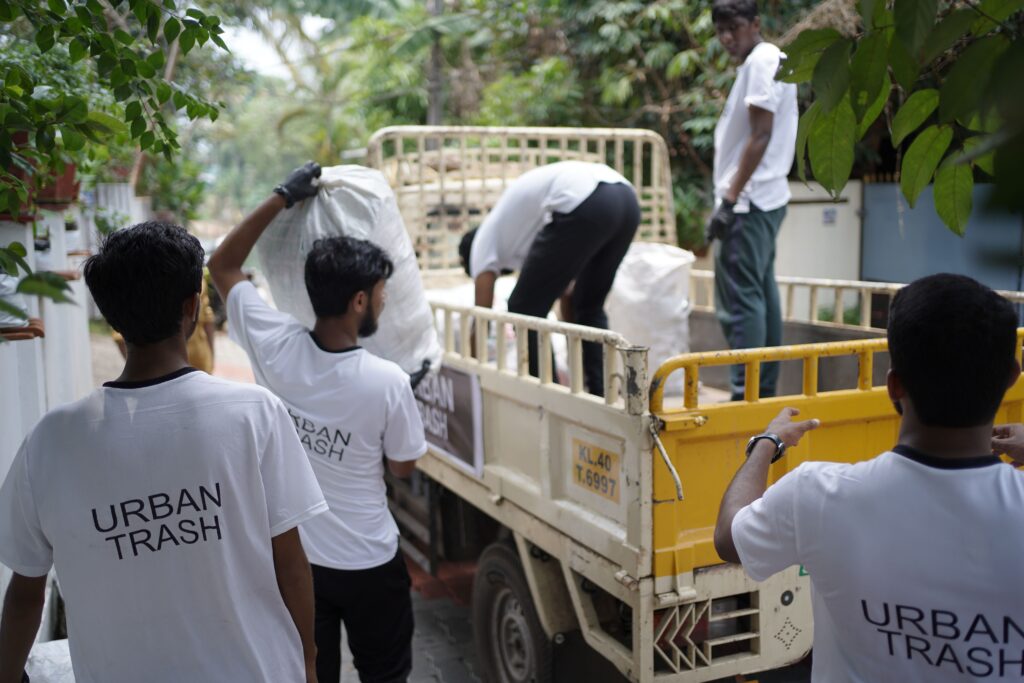
Davi spotted the familiar vehicle and watched as the sanitation workers climbed down to greet him. The excitement he had carried all morning suddenly gave way to shyness. Like many young children experiencing an overwhelming moment, he became quiet as his heroes walked toward him.
The workers immediately understood what the occasion meant.
They welcomed him with warm hugs, treating the little boy with genuine affection rather than polite obligation. What could have been a brief stop during a busy workday became something far more meaningful because everyone present understood that this invitation came directly from a child’s heart.
Davi’s mother later reflected on the experience in a message shared online.
“It’s his birthday, but the gift is ours.”
Her words captured something difficult to express. While the breakfast had been planned for her son’s happiness, everyone involved walked away feeling they had received something unexpected themselves.
Moments like these rarely require elaborate speeches.
The smiles exchanged across that breakfast table communicated more than words could.
The workers accepted the invitation with humility. The family offered hospitality without expecting anything in return. Davi simply enjoyed spending time with people he admired.
For a few minutes, job titles disappeared.
There were only human beings sharing breakfast together.
Why Children See Heroes Differently
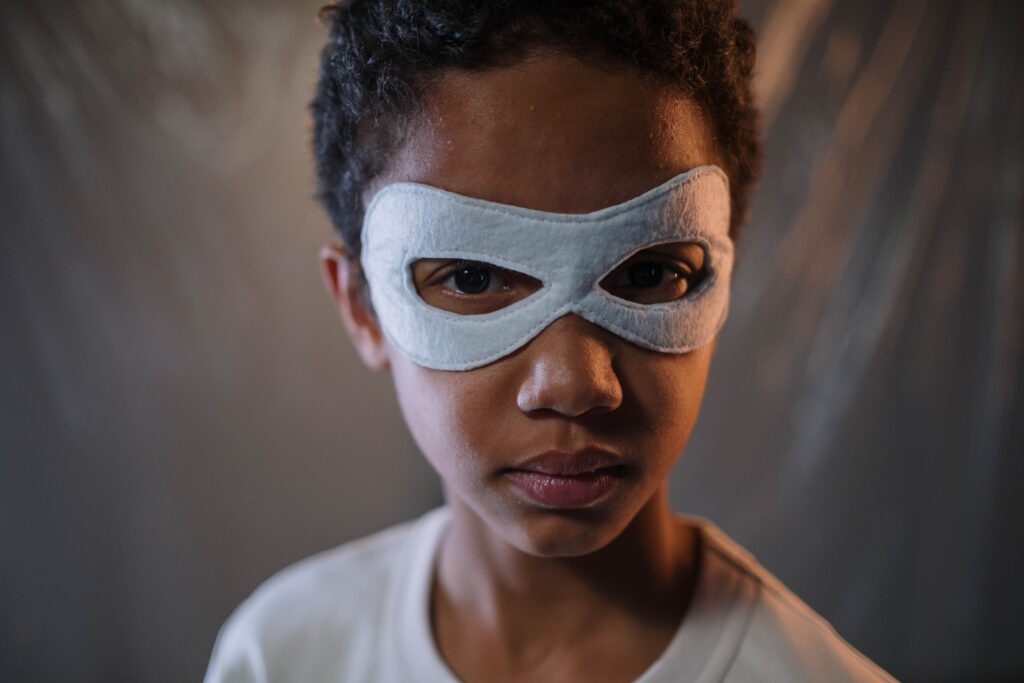
Adults often inherit complicated ideas about success.
Prestige, income, social influence, and professional recognition frequently become the standards by which occupations are judged. Without realizing it, many people begin assigning greater respect to careers that appear more glamorous while overlooking professions that quietly keep communities functioning every single day.
Children have not yet learned those invisible hierarchies.
Their understanding of value comes from observation rather than reputation.
If someone helps others, they matter.
If someone smiles, waves, and makes them feel safe, they matter.
If someone performs work that clearly improves the world around them, they matter.
To Davi, sanitation workers represented all of those qualities.
They arrived every week with consistency. They kept his neighborhood clean. They acknowledged him with kindness. In his eyes, they were every bit as worthy of admiration as firefighters, police officers, or astronauts.
There is something refreshing about that perspective because it strips away assumptions adults often carry without questioning.
Children rarely ask how much someone earns before deciding whether they deserve respect.
They rarely judge people based on educational background, clothing, or social standing.
Instead, they notice character expressed through everyday actions.
That ability may explain why stories like Davi’s resonate so deeply with people across cultures. Many readers recognized not only the sweetness of a birthday celebration but also a reflection of values that become increasingly difficult to preserve as people grow older.
The Invisible Work That Keeps Society Moving
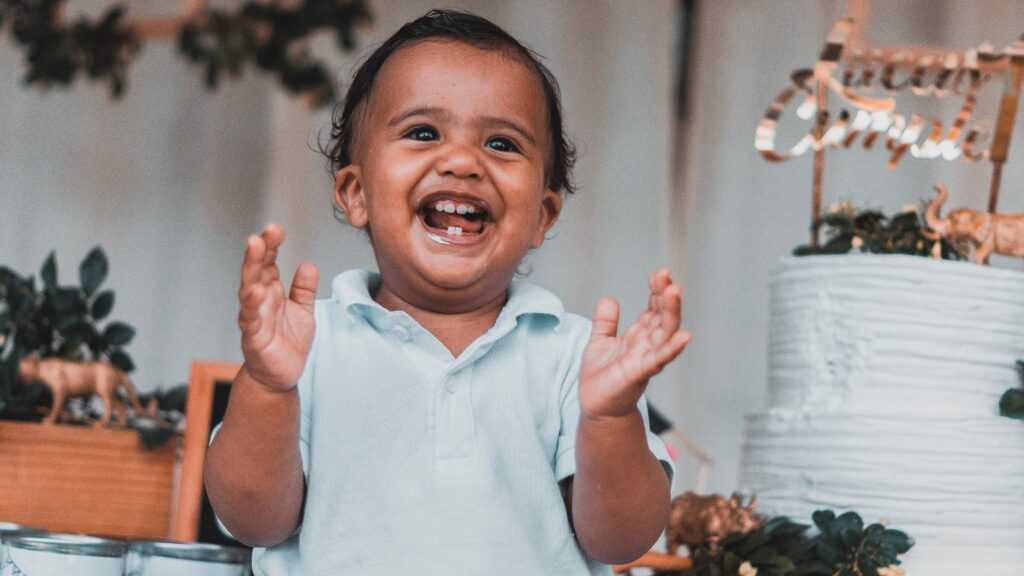
The story also shines a light on a profession that often receives attention only when something goes wrong.
Sanitation workers perform physically demanding labor in every season and under every kind of weather. Long before many neighborhoods begin their day, they are already working to remove waste, maintain public health, and keep communities functioning smoothly.
Without that work, cities would quickly face serious health and environmental challenges.
Clean streets reduce pests, limit disease risks, and create healthier environments for everyone. Yet because this work happens routinely, it is easy for many people to stop noticing the individuals who perform it.
Children often break that cycle of invisibility.
They wave enthusiastically.
They memorize collection schedules.
They celebrate the arrival of trucks with excitement that adults may find surprising.
Perhaps that enthusiasm exists because children naturally recognize effort when they see it. They watch workers lifting heavy bins, operating complex machinery, and completing difficult tasks with remarkable coordination.
To them, the job looks important because it clearly is.
That honest perspective invites adults to reconsider how they view the essential workers whose contributions quietly support everyday life.
When respect is measured by service instead of status, the world begins to look very different.
A Small Gesture With a Lasting Message

The breakfast itself lasted only a short time, yet the meaning behind it extended far beyond one family or one neighborhood.
After the gathering, Rafaela shared the experience on social media, expressing her gratitude to the sanitation workers who had always shown kindness to her son. Her caption reflected the emotion of the morning.
“It’s his birthday, but the gift is ours.”
That single sentence resonated with people around the world because it shifted the focus away from what Davi received and toward what everyone experienced together. It suggested that generosity does not always move in one direction. Sometimes the act of giving creates joy for every person involved.
As the video spread across social media, viewers were drawn to its sincerity. There was no elaborate production, dramatic music, or carefully planned performance. The moment felt authentic because it was rooted in an ordinary relationship that had quietly developed over months.
People recognized something familiar in the scene.
Many remembered the people who had become part of their own childhood routines. Some thought of the school crossing guard who greeted them every morning. Others remembered the mail carrier who always stopped to chat with neighborhood children or the bus driver who learned every student’s name.
These relationships are rarely headline news, yet they shape the way children experience the world.
Davi’s story reminded countless viewers that kindness often grows through consistency rather than grand gestures.
The Dignity Found in Everyday Work
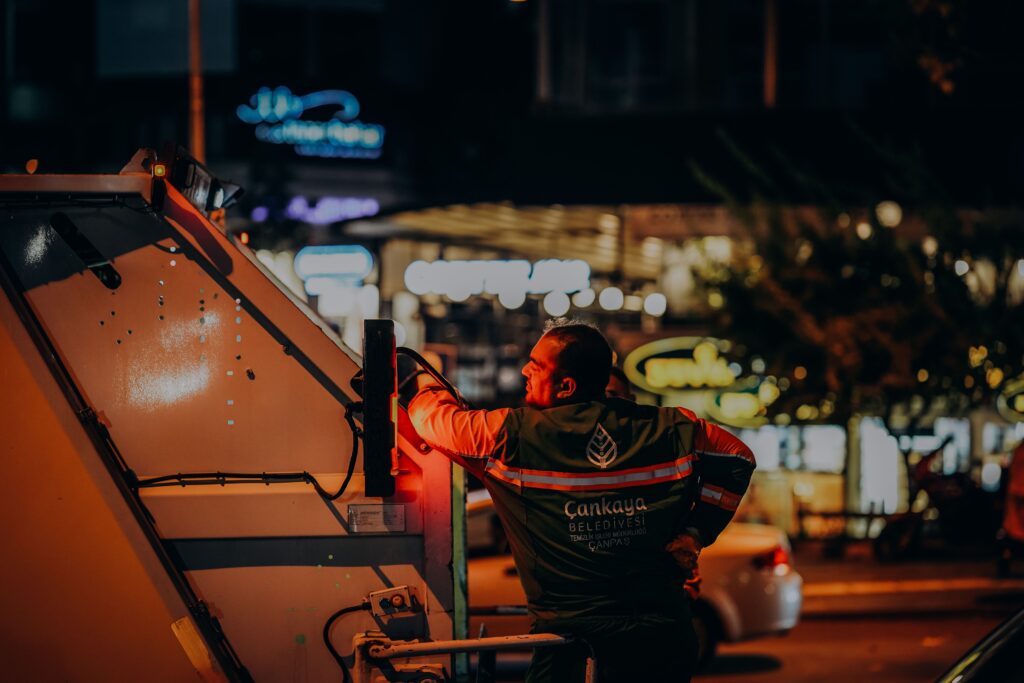
Modern society often celebrates extraordinary achievements.
Awards, promotions, championships, and financial success tend to dominate public conversations about accomplishment. Essential jobs that quietly support daily life receive far less attention, even though communities depend on them every single day.
Sanitation work is one of those professions.
The workers who collect household waste begin their routes before many people wake up. They perform physically demanding labor in changing weather conditions while helping maintain public health and environmental cleanliness.
Their work affects everyone.
Yet because they appear so regularly, many people stop noticing them altogether.
Davi never reached that point.
For him, every visit from the garbage truck remained exciting. Every greeting mattered. Every wave strengthened a friendship.
His perspective offers an interesting contrast to the way adults sometimes evaluate professions.
Children naturally connect respect with contribution.
If someone helps others, they deserve appreciation.
If someone works hard, they deserve recognition.
Those conclusions arrive without influence from salary figures, social status, or public recognition.
Perhaps that explains why young children often admire occupations adults rarely celebrate. They focus less on prestige and more on purpose.
The sanitation workers who visited Davi’s street may not have considered themselves heroes.
To one little boy, however, they absolutely were.
The Lessons Children Teach Without Realizing It
Stories involving young children often become popular because they reveal qualities adults hope never to lose.
Curiosity.
Empathy.
Gratitude.
The ability to see people without attaching labels to them.
These qualities are not presented as lessons in a classroom. They emerge naturally through observation.
Davi never announced that he wanted to make a statement about dignity or respect. He simply wanted to spend time with people who made him happy.
That simplicity became the story’s greatest strength.
Adults frequently complicate relationships by considering status, expectations, or social conventions before expressing appreciation.
Children tend to skip those calculations.
When they feel grateful, they show it.
When they admire someone, they say so.
When they enjoy another person’s company, they invite them to share breakfast.
There is something profoundly honest about that approach.
It reminds us that respect begins long before conversations about equality or social responsibility. It begins with noticing another human being and recognizing the value of what they contribute.
Parents also played an important role in this story.
Rather than dismissing Davi’s unusual birthday request, they embraced it completely. They arranged the breakfast, prepared the food, decorated the cake with a miniature garbage truck, and welcomed the workers with genuine warmth. Their support transformed a child’s wish into a memory that everyone present is likely to carry for years.
In many ways, the celebration reflected values being passed from one generation to the next.
Children learn gratitude by watching adults practice it.
They learn respect when they see it demonstrated consistently at home.
The breakfast became more than a birthday party because it reflected those lessons in action rather than words.

A Story That Crossed Borders
Although the celebration took place in Goiás, Brazil, the emotions it inspired proved remarkably universal.
People from different countries, cultures, and backgrounds recognized themselves somewhere within the story.
Some related to Davi’s fascination with garbage trucks during childhood.
Others identified with the sanitation workers, remembering careers that often went unnoticed despite their importance.
Parents saw a reminder of how carefully children observe the adults around them.
The story also sparked conversations about gratitude for workers whose contributions are frequently taken for granted.
Reference accounts noted that countless children share Davi’s fascination with sanitation crews. Similar stories have appeared in different communities where young children eagerly wait for garbage trucks each week, greeting the crews with excitement that often becomes mutual.
One referenced account described another three-year-old who also admired sanitation workers, highlighting how common this childhood fascination can be. Rather than treating these workers as invisible, many young children see them as skilled professionals performing an exciting and meaningful job.
The comments shared alongside Davi’s story reflected those same feelings.
One person wrote, “This is why the scriptures tell us to be like little children. So pure, so unsullied by the hate and selfishness that is so commonplace in our lives today.”
Another commented, “These guys are heroes to this boy. He’s three and that truck is the coolest thing in his world. Yay for the parents for supporting his excitement.”
These reactions were not simply responses to a touching video.
They reflected a shared recognition that genuine appreciation often arrives without fanfare.
Looking at Our Communities Through Different Eyes
Communities function because thousands of people perform essential work every day, often without expecting recognition.
Teachers prepare lessons before students arrive.
Nurses begin shifts while cities are still asleep.
Maintenance crews repair roads that millions travel without noticing.
Sanitation workers keep neighborhoods healthy through work that rarely receives applause.
Most of these contributions become visible only when they stop.
Davi’s birthday celebration quietly reversed that pattern.
Instead of waiting for a problem to reveal someone’s importance, he celebrated people simply because he appreciated them.
That choice feels surprisingly uncommon.
It invites a different way of looking at the people whose work shapes everyday life.
Perhaps gratitude does not always require grand occasions.
Perhaps it begins with learning someone’s name.
Offering a smile.
Saying thank you.
Acknowledging effort that often passes unnoticed.
These actions may seem small, yet they have a remarkable ability to strengthen communities.
People who feel seen are more likely to extend kindness to others.
Respect has a way of creating more respect.
One thoughtful gesture often encourages another.
That chain reaction may explain why a birthday breakfast in one Brazilian neighborhood resonated so deeply with people who lived thousands of miles away.
The details belonged to one family.
The message belonged to everyone.
Long after the cake was gone and the garbage truck continued its route, the celebration remained meaningful for a simple reason.
A three-year-old reminded millions that the measure of a person’s worth is not found in the attention they receive, but in the difference they quietly make in the lives of others. And sometimes, it takes the clear eyes of a child to help the rest of us notice what has been there all along.