

How 18 Donkeys Quietly Protected a Spanish National Park for More Than a Decade
Every wildfire begins with something small. A patch of dry grass. A brittle shrub. A spark carried by the wind. As rising global temperatures lengthen fire seasons and make forests more vulnerable, countries have invested billions in aircraft, satellites, drones, and emergency response systems. Most of these efforts focus on stopping fires after they ignite. But in one corner of southern Spain, conservationists have spent the last decade asking a different question: What if the most effective way to fight a wildfire is to make sure it never starts?
The answer they found was neither futuristic nor expensive. It came with four legs, long ears, and an appetite that rarely quits. Since 2014, a small herd of donkeys has quietly protected one of Europe’s most treasured natural landscapes by grazing on the dry vegetation that fuels wildfires. Their daily routine has become an inspiring reminder that some of nature’s greatest solutions are not inventions waiting to be discovered, but relationships waiting to be restored.
A National Park Chose an Unconventional Firefighting Team
Doñana National Park, located in southwestern Spain, is one of Europe’s most important ecological reserves. Its wetlands, forests, dunes, and grasslands provide shelter for hundreds of plant and animal species, including endangered wildlife found nowhere else on Earth. Yet the park also faces an increasingly familiar threat. Long periods of drought, rising temperatures, and dense layers of dry vegetation have made wildfires a growing concern across the region.
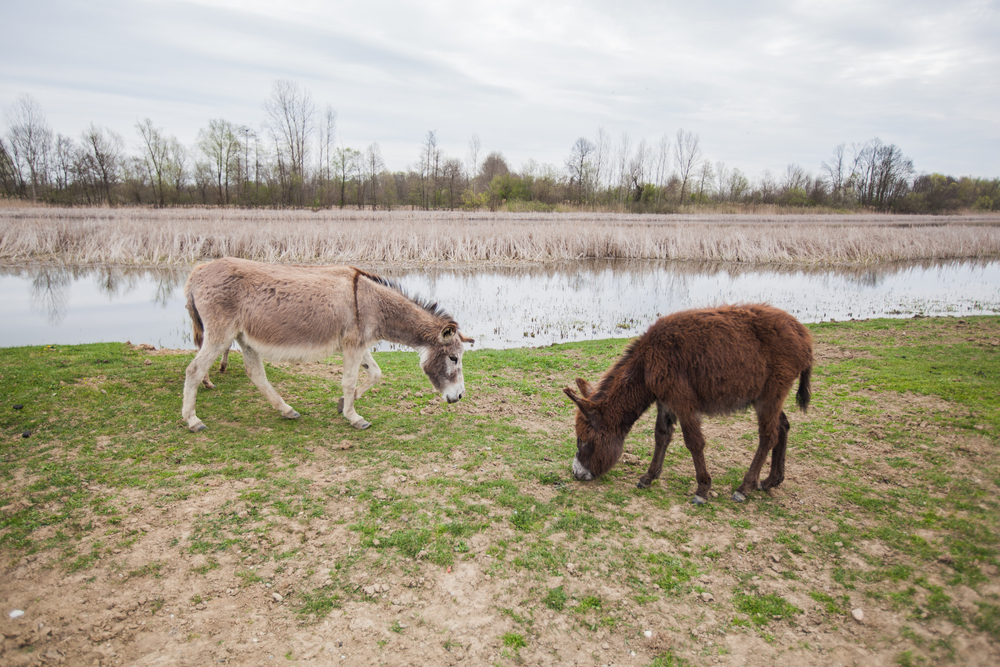
In 2014, park managers introduced what became known as the Firefighting Donkey Battalion. Rather than relying solely on machinery or seasonal crews to remove flammable brush, they enlisted 18 donkeys to carry out the work naturally. Their task was simple but remarkably effective. Every day, the animals spent up to seven hours grazing on dry grasses, shrubs, and scrub that would otherwise accumulate across the landscape. Each day of feeding removed another layer of potential fuel before it could become dangerous.
The scale of their work is more significant than it first appears. Collectively, the donkeys clear an area measuring roughly 130 by 50 feet each day. While that may seem modest compared with heavy machinery, the process never stops. The animals return day after day, season after season, gradually maintaining the landscape in a way that mechanical clearing often cannot. Their work is steady rather than dramatic, yet consistency has proven to be one of its greatest strengths.
What makes this story remarkable is not simply that donkeys are eating grass. It is that an ancient farming practice has become part of a modern climate adaptation strategy. As many regions search for increasingly complex technologies to cope with worsening wildfire seasons, Doñana’s experience suggests that resilience sometimes grows from understanding natural systems instead of overpowering them.
Why Donkeys Are Perfectly Designed for the Job
Unlike tractors or brush-cutting equipment, donkeys move comfortably across steep slopes, narrow trails, and environmentally sensitive areas where vehicles either cannot reach or would risk damaging fragile ecosystems. They require no fuel, produce virtually no noise pollution, and work without disturbing much of the wildlife that shares the park with them.
Their quiet presence also allows conservation work to continue throughout the landscape without dramatically altering the environment they are trying to protect. Instead of arriving as outside machinery, the animals become part of the ecosystem itself. They feed, rest, and move through the park much as grazing animals have done for thousands of years.
Nature’s Own Vegetation Managers
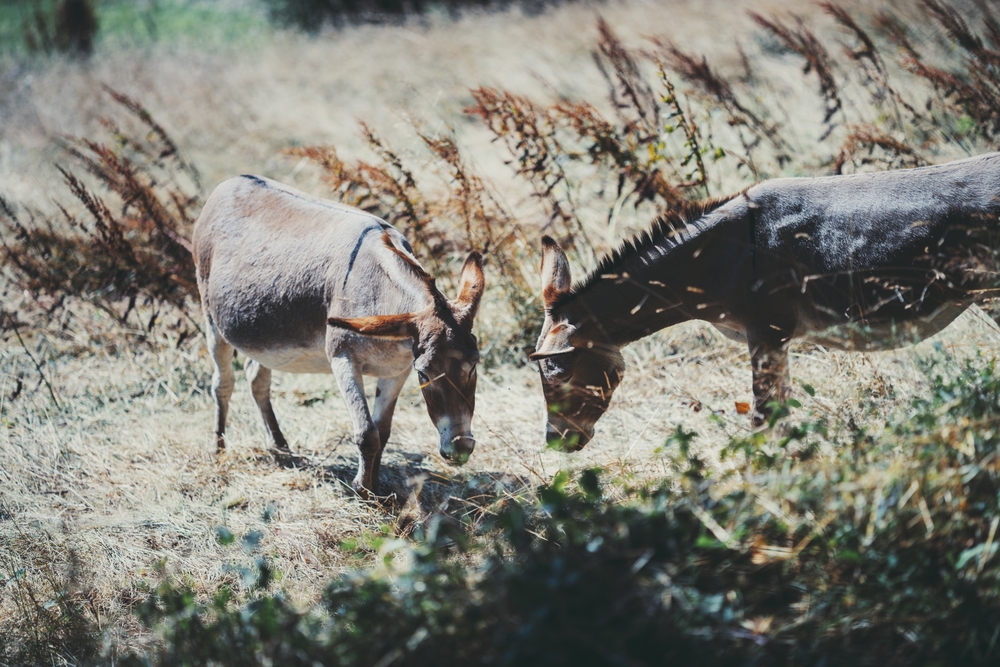
Donkeys possess digestive systems uniquely suited to consuming rough, dry vegetation that many other animals would struggle to process. Coarse grasses, woody shrubs, and dried plants form a normal part of their diet, allowing them to repeatedly graze the very material that often becomes wildfire fuel during hot summers.
The process also solves another challenge. When humans manually remove dry vegetation, it still has to be collected, transported, or disposed of somewhere else. The donkeys eliminate that extra step naturally. What begins as dangerous fire fuel simply becomes nourishment. In return, the animals receive fresh water, regular rest, and a protected environment where they can continue doing what comes naturally.
Rediscovering an Older Partnership With Nature
Long before modern machinery transformed agriculture, grazing animals played an essential role in maintaining healthy landscapes. Donkeys, sheep, goats, and cattle regularly wandered through fields and forests, consuming grasses before they became dense layers of dry vegetation. Their movement naturally reduced combustible material while also helping maintain diverse habitats for countless other species.
As farming became increasingly mechanized and rural communities declined, many of these grazing traditions gradually disappeared. Fewer animals remained on the land, allowing vegetation to grow unchecked across many regions. During periods of prolonged drought, those overgrown landscapes can quickly become ideal conditions for fast-moving wildfires.
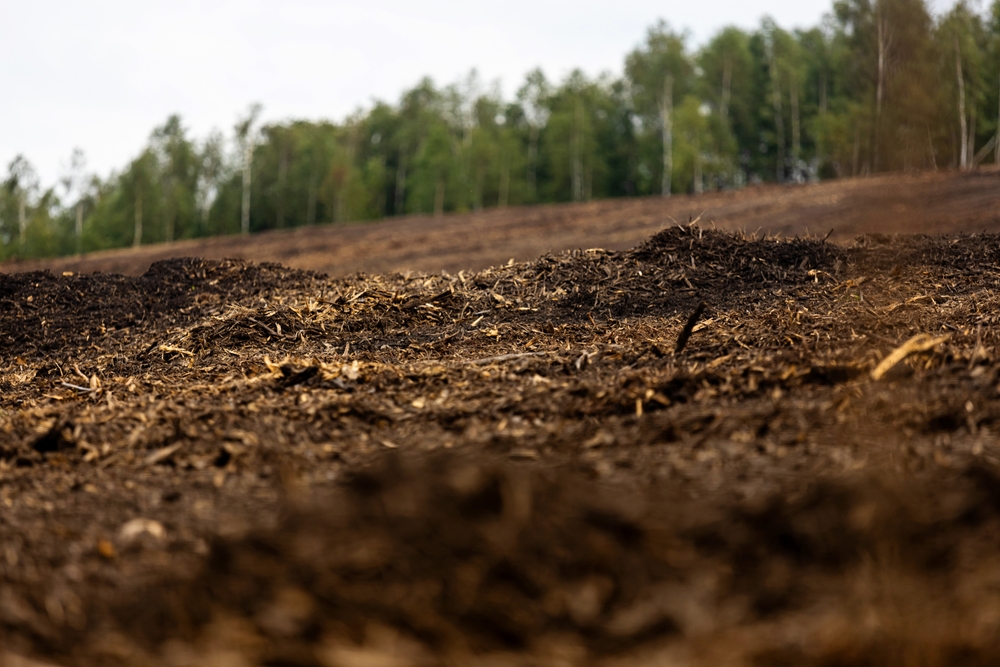
Environmental experts have increasingly pointed to this shift as one factor contributing to changing fire behavior. While climate change creates hotter and drier conditions, decades of vegetation buildup have provided fires with more fuel than many ecosystems historically carried. Projects like the one in Doñana suggest that restoring carefully managed grazing can become one valuable piece of a much broader strategy for living alongside changing environmental conditions.
A Simple Solution Begins to Spread
The success of the Firefighting Donkey Battalion has not gone unnoticed. What started as a local conservation effort in Doñana has inspired communities across Spain to rethink how they manage landscapes threatened by increasingly severe fire seasons. Instead of treating the project as an unusual experiment, other regions have begun adapting the same principle to fit their own environments, proving that one successful idea can grow through observation rather than imitation.
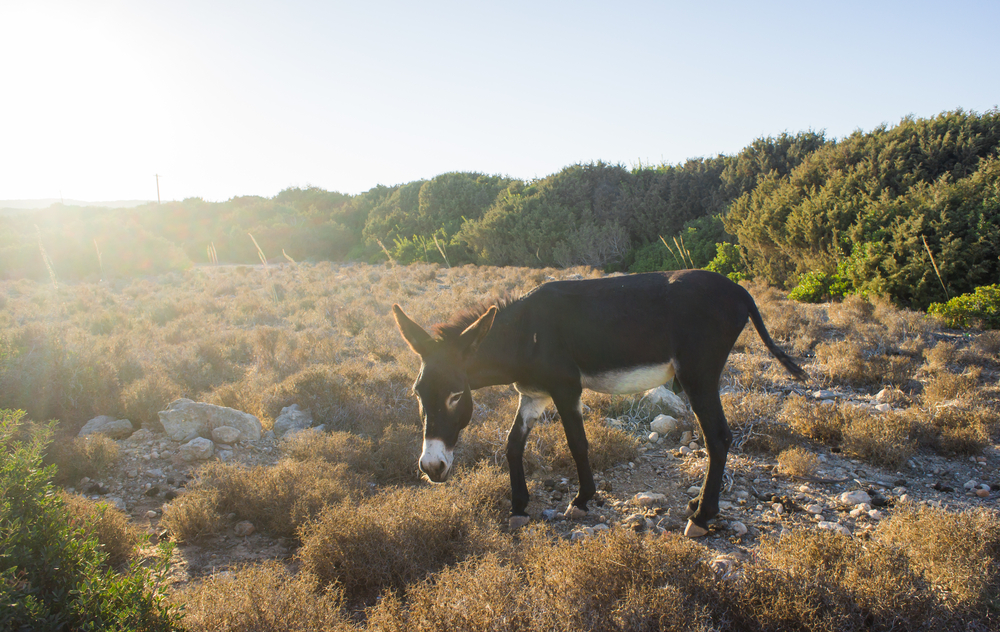
In 2020, the municipality of Tivissa launched the Burros Bomberos project with just three donkeys. The early results exceeded expectations. As the animals steadily cleared dry vegetation, the initiative expanded until the herd reached around 40 donkeys, now maintaining nearly 400 hectares of land. The project demonstrated that natural grazing could become a reliable component of wildfire prevention instead of serving as a temporary solution during emergencies.
Elsewhere, the Andrea Association in Allariz has taken the concept even further. Its herd manages close to 1,000 hectares within a protected biosphere reserve. Conservation teams monitor the donkeys using GPS technology, allowing them to study grazing patterns while ensuring the animals cover key areas. On average, the donkeys travel nearly 19 kilometers each day as they feed, blending traditional land stewardship with modern conservation tools. Similar initiatives have since appeared in Catalonia, Galicia, and the Basque Country, showing that the approach can adapt to different landscapes while remaining rooted in the same simple principle.
Spain Is Not Alone in Learning From Grazing Animals
Spain’s experience reflects a growing understanding that carefully managed grazing can complement broader wildfire prevention efforts. Across the Atlantic, parts of California have embraced a similar strategy by deploying hundreds of goats to consume dense vegetation before the height of fire season. Their work focuses on reducing fuel loads in areas where dry brush has accumulated over many years.
Organizations such as Fire Grazers Inc. transport large herds into fire-prone communities, where the goats clear grasses, shrubs, and invasive plants that are difficult for people to remove manually. They even consume thorny species such as star thistle, which often discourage traditional maintenance crews. Like the donkeys in Spain, the goats quietly transform vegetation that could feed a wildfire into part of their everyday diet.
Neither project suggests that animals alone can eliminate wildfire risk. Conservation experts consistently emphasize that successful fire prevention also depends on responsible forest planning, reducing highly flammable vegetation where appropriate, restoring healthier ecosystems, and preparing communities before fire seasons begin. Grazing animals work best as one part of a wider strategy, reminding us that lasting solutions often emerge when natural processes and thoughtful human planning support one another.
What These Donkeys Teach Us About Living With Nature
Climate change has encouraged societies to search for larger machines, smarter technologies, and faster emergency responses. Those innovations remain essential, but stories like this invite another perspective. They suggest that resilience does not always begin with building something new. Sometimes it begins by remembering practices that quietly worked for generations before they were forgotten.
The donkeys of Doñana National Park are not symbols of nostalgia or resistance to progress. They represent something far more practical: the possibility that the natural world still holds answers when we are willing to pay attention. Their daily work reminds us that protecting the future may depend as much on restoring our relationship with nature as it does on advancing our technology. In an age defined by increasingly complex environmental challenges, that may be one of the most hopeful lessons of all.