


The Internet Is Slowly Losing Its Human Voice. Here’s Why It Matters
The internet was never just a network of computers. At its best, it became one of humanity’s greatest meeting places, where strangers separated by oceans could exchange ideas, challenge one another’s beliefs, and build communities around shared passions. Every blog, forum, and personal website reflected a real person sitting behind a keyboard, offering a unique perspective shaped by lived experience. The beauty of those early digital spaces wasn’t their perfection. It was their authenticity. Every typo, late-night thought, and passionate debate carried something unmistakably human, reminding us that behind every screen was another individual searching for connection.
Today, that familiar landscape is changing in ways few people imagined. New reports suggest that nearly one-third of all internet traffic is generated by bots, while some cybersecurity researchers believe the figure may already be much higher. As artificial intelligence becomes woven into search engines, social media platforms, and content creation tools, a quiet transformation is taking place. The question is no longer whether machines are becoming part of our digital lives. It is whether the internet, once built to amplify human voices, is slowly becoming a place where people struggle to hear one another beneath an ever-growing chorus of algorithms.

The Internet Was Built on Human Curiosity
Long before artificial intelligence entered everyday conversation, the internet flourished because it rewarded curiosity. A single search could lead someone down an endless path of independent blogs, hobbyist forums, personal journals, and niche communities created simply because people wanted to share what fascinated them. There was no guarantee of financial success or viral fame. Many creators published because they believed their experiences, however ordinary, might help someone else halfway around the world.
That openness created something remarkable. Instead of receiving one carefully packaged answer, people encountered many perspectives. One article often led to another, followed by spirited discussions in comment sections where disagreements sometimes became opportunities for learning rather than division. Readers discovered voices they had never expected to find, and creators slowly built communities through trust rather than algorithms alone.
The relationship between creators and search engines reflected that same spirit of exchange. Websites allowed search engines to index their content because those search engines returned visitors to the original source. Writers earned readers, readers discovered new ideas, and independent websites found ways to survive through that flow of attention. While far from perfect, the system encouraged originality because creating something meaningful increased the chance that someone else would eventually discover it.
That simple exchange helped shape the internet into a living archive of human thought. Every article, tutorial, photograph, or personal reflection became another thread woven into an enormous conversation spanning cultures and generations. It reminded us that knowledge grows through participation, with each person contributing something only they can offer.
When Machines Begin Talking to Machines
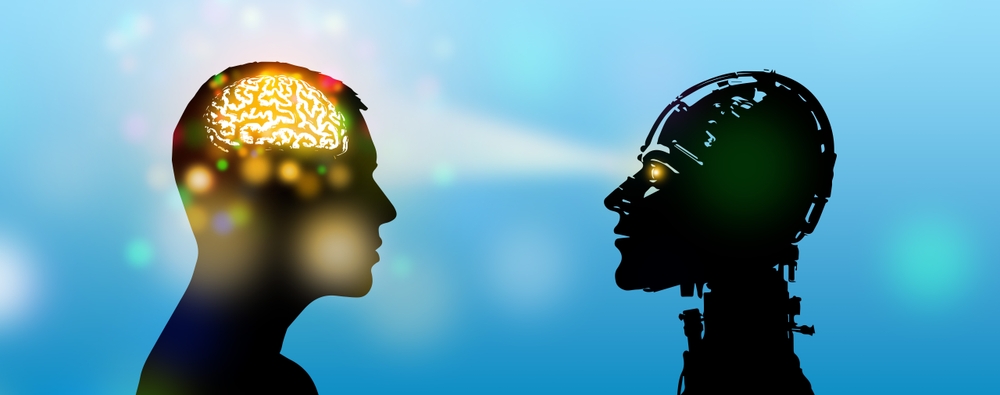
According to Cloudflare, bots now account for nearly one-third of internet traffic, much of it driven by companies developing increasingly powerful artificial intelligence systems. These automated programs continuously scan websites, collecting enormous volumes of information that help train language models capable of generating text, answering questions, and creating content within seconds.
For many people, these advancements offer undeniable convenience. Instead of opening multiple articles, users can ask an AI assistant a question and receive an immediate response. Tasks that once required lengthy research often take only moments. Productivity increases, and information feels more accessible than ever before.
Yet this convenience introduces a quieter shift that extends beyond technology itself. Instead of directing readers toward the people who originally researched, wrote, or created that information, AI-generated summaries increasingly become the destination. The creators remain present only as small citations or references, while the conversation happens somewhere else. The exchange that once supported independent voices begins to weaken.
Some corners of the internet already reflect this transformation. Social media feeds occasionally feel populated less by spontaneous human interaction than by carefully generated responses that mirror one another in tone and structure. Entire discussions can appear strangely repetitive, leaving people wondering whether they are engaging with another person or simply another automated system trained to sound convincing.
More Than a Technical Problem
Artificial intelligence learns by recognizing patterns across enormous collections of existing work. It can combine ideas, imitate styles, and produce remarkably coherent responses within seconds. Those abilities are impressive, yet they emerge from material that originated with human imagination. Every story, scientific discovery, poem, photograph, and opinion that teaches these systems began as someone’s lived experience.
Human creativity carries qualities that cannot easily be measured through efficiency alone. It grows from uncertainty, emotion, failure, memory, and personal transformation. Two people can witness the same event and tell completely different stories because each sees the world through a unique lens shaped by their own journey. Those differences give culture its richness and allow societies to keep evolving rather than repeating themselves.

The Cost of Losing Original Voices
When AI-generated content becomes increasingly common, another challenge quietly emerges. Future systems may learn not only from human work but also from material produced by earlier AI models. As copies generate more copies, subtle details that once reflected individual perspectives risk becoming increasingly diluted. Original thought can slowly disappear beneath countless polished variations of the same ideas.
For readers, this shift may feel almost invisible at first. Information remains available, answers still appear quickly, and conversations continue moving across digital platforms. Yet something essential becomes harder to find. The unexpected insight from an unknown writer, the deeply personal reflection that changes someone’s perspective, or the imperfect story carrying unmistakable signs of real life all become easier to overlook when surrounded by endless streams of machine-generated content.
The Dead Internet Theory Is No Longer Easy to Ignore
The idea that the internet is quietly filling up with bots has circulated for years under a name that sounds more like science fiction than reality: the Dead Internet Theory. At its core, the theory suggests that much of what people encounter online is no longer created by humans but by automated systems designed to imitate human activity. For a long time, it remained a fringe belief discussed mainly in obscure corners of the web. Recent developments in artificial intelligence, however, have prompted many people to revisit the conversation with fresh curiosity.
It is important to separate speculation from verified facts. There is no evidence that the internet has become entirely controlled by bots or that human users have disappeared. Millions of real people continue to create videos, write articles, share photographs, and engage in meaningful conversations every day. What has changed is the growing volume of automated content woven into those same spaces. Reports from companies like Cloudflare and Imperva show that bot traffic has reached levels that would have seemed unimaginable only a decade ago, lending some credibility to concerns that automation is becoming an increasingly dominant force online.

Perhaps the most unsettling aspect is not the presence of bots themselves but how difficult they have become to recognize. Artificial intelligence can now write convincing social media posts, generate realistic images, respond to comments, and even simulate emotional language with remarkable fluency. For the average user scrolling through a feed, distinguishing between genuine human expression and machine-generated content is becoming increasingly difficult. That uncertainty changes the way people experience digital spaces, introducing a subtle layer of doubt into interactions that once felt straightforward.
Trust has always been one of the internet’s most valuable currencies. Every time someone reads a personal story or joins an online discussion, there is an unspoken assumption that another person exists on the other side of the screen. As that assumption becomes less certain, the internet risks losing one of the qualities that made it transformative in the first place: the belief that technology could help people understand one another across cultures, languages, and borders.
Rediscovering the Value of Authentic Human Connection
Technology has always reshaped the way societies communicate. From the printing press to radio, television, and social media, every new innovation has changed how ideas spread. Artificial intelligence represents another chapter in that long history, bringing extraordinary opportunities alongside equally significant challenges. The question is not whether AI should exist, but how humanity chooses to coexist with it without sacrificing the qualities that make human communication meaningful.
One way forward begins with intentional choices. Supporting independent writers, artists, educators, and creators helps preserve the diversity of voices that algorithms alone cannot replace. Visiting original sources instead of relying solely on AI summaries, subscribing to thoughtful publications, and engaging in genuine conversations are small actions that collectively strengthen the digital communities many people still value. These choices remind technology companies that authenticity continues to matter, even in an age increasingly driven by automation.
Equally important is developing a healthier relationship with convenience. Instant answers often save time, but speed should not always replace exploration. Some of the internet’s most meaningful discoveries have never come from receiving the fastest response. They emerged from wandering through unexpected articles, stumbling upon unfamiliar perspectives, or finding communities built around shared curiosity rather than algorithmic recommendations. Those moments cannot be fully replicated by systems designed primarily to optimize efficiency.
The internet’s future has not yet been decided. Every article written by a passionate author, every thoughtful conversation between strangers, and every creative idea shared without expectation of reward adds another reminder that behind the technology remain billions of human beings searching for understanding. Artificial intelligence may become an increasingly powerful tool, but tools should amplify our humanity rather than quietly replace it.
Choosing the Future We Want to Build
The internet has always reflected the values of the people who shape it. If convenience becomes its only guiding principle, authentic voices may gradually fade into the background. But if creativity, curiosity, and meaningful connection remain priorities, technology can still serve as a bridge rather than a barrier between people.
Perhaps the greatest challenge of the AI era is not teaching machines to think more like humans. It is ensuring that humans never forget what makes their own voices impossible to replace.