

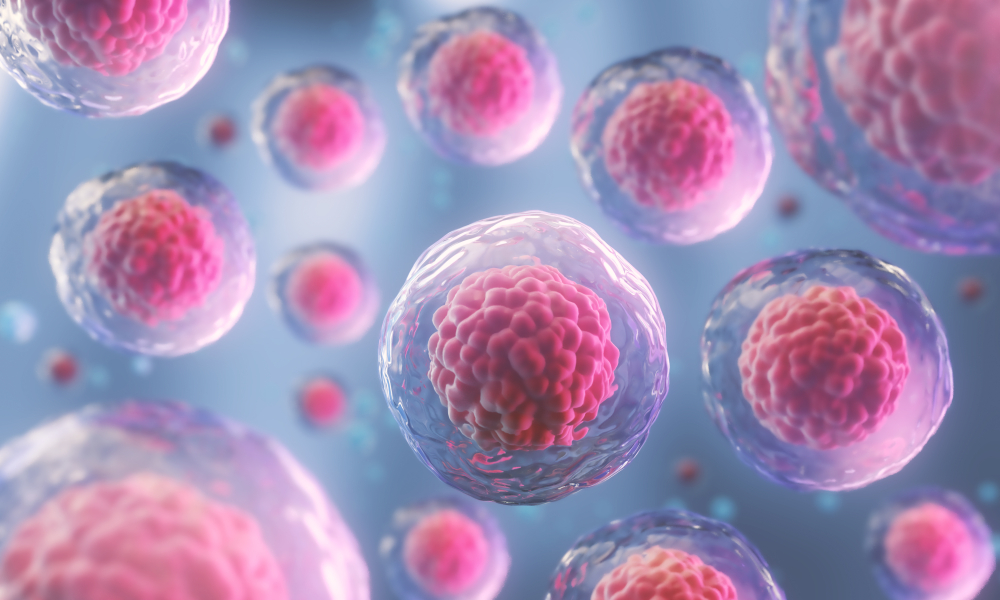
The Cellular Discovery That Could Change How We Understand Aging
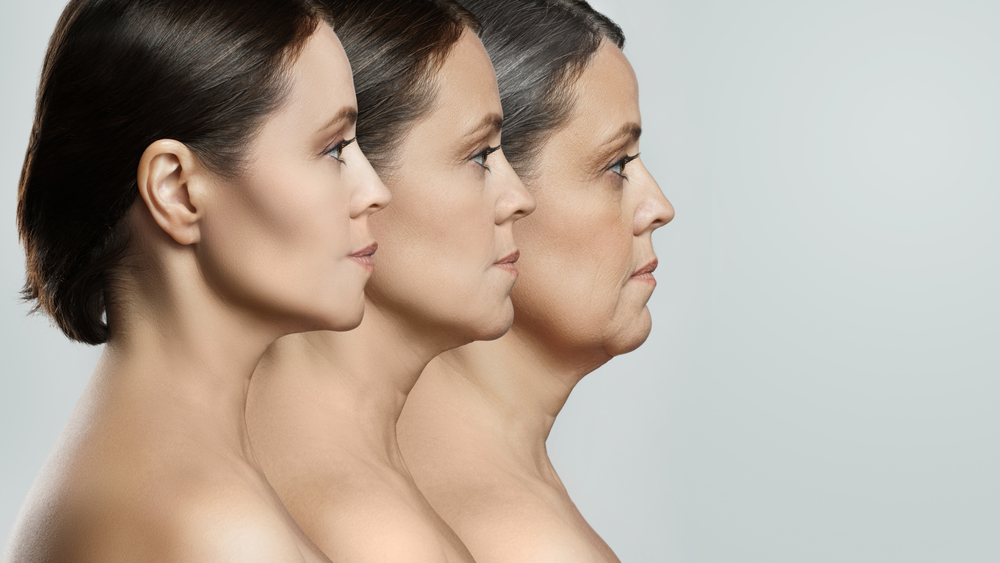
For most of human history, growing older has felt like a one way journey. We watch our faces change in the mirror, notice that our bodies take longer to recover, and eventually realize that we cannot do everything as effortlessly as we once could. Aging has often been accepted as something written into the rules of life. Time passes, cells accumulate damage, bodies change, and there is little we can do except try to slow the process down. But a growing area of scientific research is asking a question that would have sounded almost impossible not long ago: what if some parts of cellular aging are not as permanent as we once believed?
That does not mean scientists have discovered a magical switch that can make a 70 year old person wake up with the body of a 25 year old. The headlines can sometimes make it sound that simple, but the reality is far more complex. And perhaps more exciting. Researchers are discovering that aging cells may still hold more potential for change than previously imagined. Deep inside the body, scientists are studying whether some of the biological instructions that become disrupted with age can be refreshed, reorganized, or partially restored. The research is still in its early stages, and there are serious challenges ahead, but it is changing one of our oldest assumptions about life: that aging only moves in one direction.
Your Cells May Not Forget Everything
Every person begins life from a single cell that eventually gives rise to an astonishing variety of tissues. Somehow, cells carrying essentially the same DNA become skin, muscle, brain, blood, and countless other specialized parts of the body. What makes them different is not simply the genetic code they carry, but which parts of that code are being used.
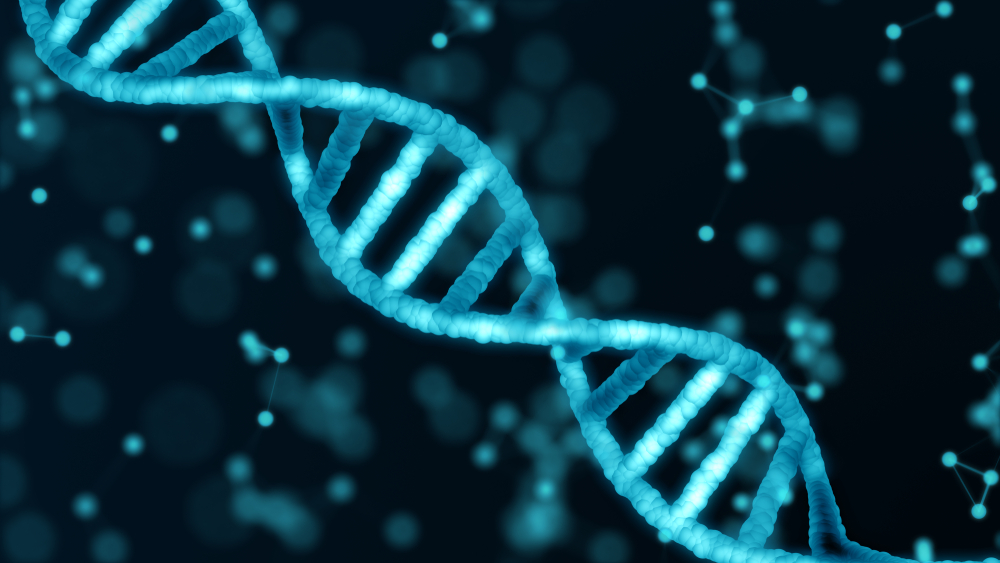
This is where the epigenome becomes important. You can think of DNA as an enormous library containing countless instructions. A skin cell and a liver cell may have access to the same library, but they are reading different books. The epigenome helps organize those instructions and influences which genes are switched on or off at different times. As we age, some of that organization can become disrupted.
Imagine an orchestra preparing to perform. Every musician may still have an instrument and know how to play it, but the music begins to fall apart when coordination is lost. Some instruments become too loud, others fall silent, and the timing no longer works as it once did. Scientists are increasingly interested in whether aging may involve something similar. The biological machinery inside our cells may not simply be wearing out. In some cases, parts of the system that coordinate cellular behavior may also be losing their precision.
That idea has opened the door to a fascinating possibility. What if some of those instructions could be refreshed?
The Discovery That Changed The Conversation
Much of the excitement surrounding this field can be traced back to an extraordinary discovery involving four proteins known as the Yamanaka factors: OCT4, SOX2, KLF4, and c MYC. Researchers found that these factors could dramatically change the state of mature cells, pushing them back toward a more primitive and flexible condition.
The discovery transformed the world of regenerative biology. It challenged the long held idea that once a cell had become specialized, its identity was essentially fixed forever. Suddenly, scientists had evidence that mature cells could be persuaded to travel backward along part of their developmental journey.
But that discovery also created an important new question. If scientists could push a cell all the way back toward a youthful and flexible state, could they stop somewhere along the way?
That question led to the idea of partial reprogramming. Rather than completely transforming an adult cell into something resembling a much earlier stage of development, researchers activate parts of the reprogramming process for a limited period and then stop.
The hope is to capture some of the benefits of cellular rejuvenation without erasing the identity that makes a cell useful in the first place. A heart cell still needs to be a heart cell. A nerve cell still needs to function as a nerve cell. The challenge is not simply to make cells younger. It is to help them regain youthful characteristics while allowing them to remain themselves.
The Promise Comes With Serious Risks
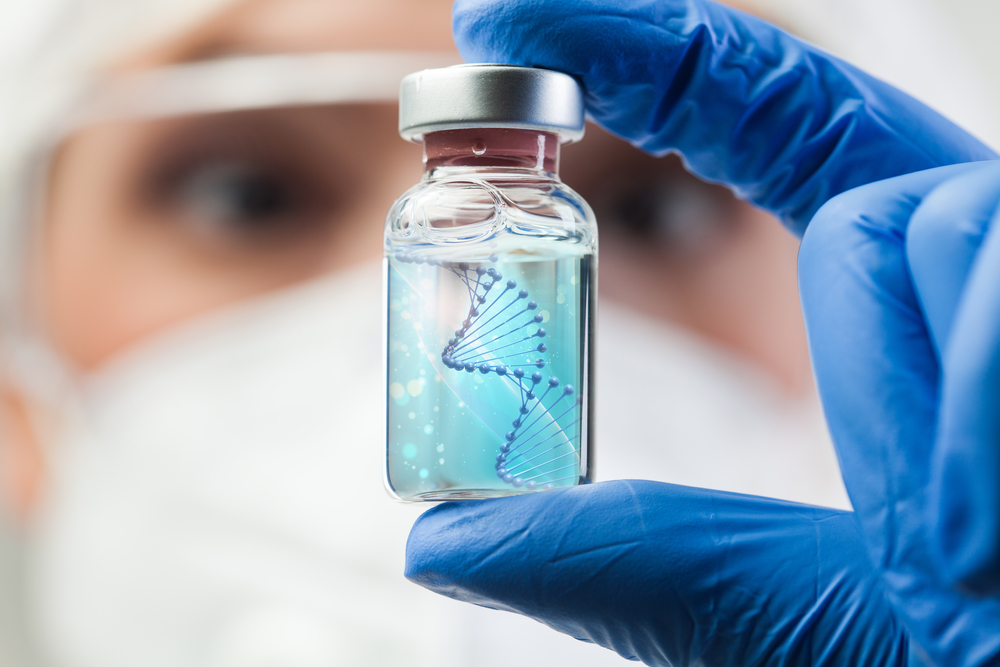
This is where the story becomes more complicated. Reprogramming a cell is not like adjusting a setting on a smartphone. The body is an incredibly complex system, and changing the biological instructions that guide cells carries real risks.
If reprogramming goes too far, a cell can lose its specialized identity. Worse, some of the pathways involved in rapid cellular growth and reprogramming are connected to processes that can become dangerous when they are not carefully controlled. Scientists must therefore confront concerns about abnormal cell growth and cancer.
The biggest challenge may be finding the right balance. Researchers are searching for what could be described as a narrow biological window, a period long enough to encourage beneficial changes but short enough to avoid dangerous ones.
Timing matters enormously. Too little intervention may accomplish nothing meaningful. Too much could push cells into an unstable state. In many ways, the future of this research may depend not only on discovering how to start the rejuvenation process, but on learning exactly when to stop.
That uncertainty is why anyone claiming that human aging has already been reversed is getting ahead of the science. The work remains experimental, and researchers are still trying to understand the long term consequences.
Yet Something Remarkable Has Already Happened

Even with all of those unanswered questions, experiments involving cells and animals have produced findings that scientists cannot easily ignore. Researchers have observed changes in biological markers that are commonly associated with younger cellular states.
These changes have included shifts in DNA methylation patterns, gene activity, metabolism, and other processes connected with aging. Some animal studies have also reported improvements in tissue function and regeneration.
Research involving naturally aged mice has suggested that temporary cellular reprogramming can move several biological markers in a more youthful direction. That does not mean an old mouse has suddenly become young again. It does mean that certain features associated with aging may be more flexible than scientists once assumed.
That distinction is important. Changing a biological marker is not the same thing as reversing aging throughout an entire body. A younger looking cellular profile does not automatically mean a longer life or perfect health. Scientists still need to understand whether these changes lead to meaningful improvements in strength, brain function, immunity, recovery, and overall wellbeing.
Still, the discovery has changed the conversation. Researchers are no longer asking only how to slow the damage caused by aging. They are also beginning to ask whether some of that decline can be partially repaired.
Aging May Be More Than Wear And Tear
For decades, aging has often been explained as the gradual accumulation of damage. DNA can become damaged, proteins can malfunction, mitochondria can lose efficiency, inflammation can increase, and cells can eventually enter dysfunctional states.
All of these processes remain deeply important. Scientists are not abandoning what they already know about aging. Instead, they are adding another layer to the picture.
What if aging also involves a gradual loss of biological organization?
Think about an old house. Some of the materials may genuinely be damaged and need to be replaced. But sometimes the house also needs repair because systems that once worked together have fallen out of coordination. A pipe may still function, but it is no longer connected properly. A door may still be strong, but its hinges are misaligned.
The idea behind partial cellular rejuvenation is not necessarily that scientists can erase every form of damage caused by time. The hope is that some cells may be functioning below their full potential because the biological instructions guiding them have become disorganized.
If those instructions can be refreshed, even partially, it could eventually open new possibilities for medicine.
The Real Dream Is Not Eternal Youth
The phrase reverse aging naturally captures the imagination. People picture smooth skin, endless energy, and the ability to escape the passage of time. But the most meaningful goal of this research may be far less dramatic and far more human.
It is about healthspan.
Healthspan refers to the years people spend in relatively good health. It is the difference between simply living longer and living longer while still being able to move, think, connect, work, create, and enjoy life.

Many people do not necessarily dream of living forever. They dream of remaining healthy enough to play with their grandchildren, walk without pain, remember the people they love, travel independently, and continue feeling like themselves.
That is where cellular rejuvenation research could eventually matter most.
Scientists are exploring how aging pathways may affect the brain, muscles, immune system, metabolism, and the body’s ability to repair damaged tissues. A future treatment may not attempt to make an entire person biologically younger overnight. Instead, researchers may develop approaches that target specific tissues or age related conditions.
Imagine helping aging muscles recover more effectively. Imagine finding new ways to support immune function as people grow older. Imagine improving the body’s ability to repair damaged tissue or finding new approaches to diseases associated with biological decline.
Those possibilities remain distant, but they represent a more realistic and potentially more meaningful vision than the fantasy of eternal youth.
Scientists Are Also Looking Beyond Gene Therapy

Another reason this field is attracting so much attention is that researchers are exploring ways to trigger aspects of cellular rejuvenation without permanently changing genetic material.
One area of interest involves small molecules, which are chemical compounds that may influence some of the same pathways involved in cellular reprogramming. Researchers have tested combinations of these compounds in human cells and observed changes in gene activity and other markers associated with younger cellular states.
The attraction is obvious. If scientists could eventually create carefully controlled medicines that encourage beneficial rejuvenation pathways, such treatments might be easier to deliver than complex genetic therapies.
But there is a very long road between a promising experiment in a laboratory and a treatment that doctors can safely offer to millions of people.
Scientists still need to determine which approaches work reliably, how they should be delivered, which tissues they can safely reach, how long the effects last, and what happens years after treatment.
The excitement is real, but so is the uncertainty.
The Biggest Questions Have Not Been Answered Yet

Before cellular reprogramming can become a mainstream treatment, researchers must solve several major problems. They need to understand how to prevent unwanted cell growth. They need reliable ways to deliver treatments to the right organs and tissues. They need to know whether rejuvenating effects last or eventually fade.
Perhaps most importantly, scientists need better ways to measure what genuine rejuvenation actually means.
Biological age can be estimated through several methods, including epigenetic clocks that examine patterns associated with aging. But researchers continue to debate whether changes in these measurements always translate into meaningful improvements in health.
That is the difference between an exciting laboratory result and a true medical breakthrough.
A person is not simply a collection of biomarkers. A meaningful treatment would need to improve something that matters in real life: physical function, disease risk, recovery, independence, cognitive ability, or quality of life.
Until researchers can demonstrate those benefits safely in humans, claims about reversing aging should be treated with caution.
Aging Research Has Entered A New Era
Human beings have searched for the secret to youth for thousands of years. Ancient stories promised magical waters, mysterious plants, and hidden places where time seemed powerless. Modern science is taking a very different approach.
Instead of searching for a fountain of youth, researchers are looking inside the cell.
The answer is unlikely to be one miraculous switch. Aging involves many interconnected processes, including cellular damage, inflammation, mitochondrial changes, senescence, and shifts in epigenetic regulation. No single discovery is likely to erase all of them.
But something important has changed.
Scientists now have growing evidence that at least some features associated with cellular aging may not be completely fixed. Under carefully controlled conditions, certain biological processes can move in a more youthful direction.
That does not mean humanity has defeated aging. Not even close.
But it does mean that the story of aging may be more complicated than we once believed. Perhaps growing older is not simply a matter of a biological machine slowly breaking down beyond repair. Perhaps some parts of the system can be restored, reorganized, or encouraged to function more effectively again.
For anyone who has watched a loved one lose strength with age, struggle to recover from illness, or slowly become limited by the passing years, that possibility carries a deeply human meaning.
The real hope may never be to stop time.
It may be to give people more healthy time within it.