

Two Men Survived Nine Days Trapped Inside a Flooded Nepal Tunnel
Kabir Maharjan knew he was heading underground when he made one final phone call to his wife at 7:30 that morning. The 45-year-old mechanical supervisor told her he was going into the tunnel and warned that his phone would soon lose its signal. “I have to go inside the tunnel. There won’t be any network inside.” Moments later, the connection disappeared. It should have been an ordinary goodbye before another work shift. Instead, it became the last contact his family would have with him for nine terrifying days.
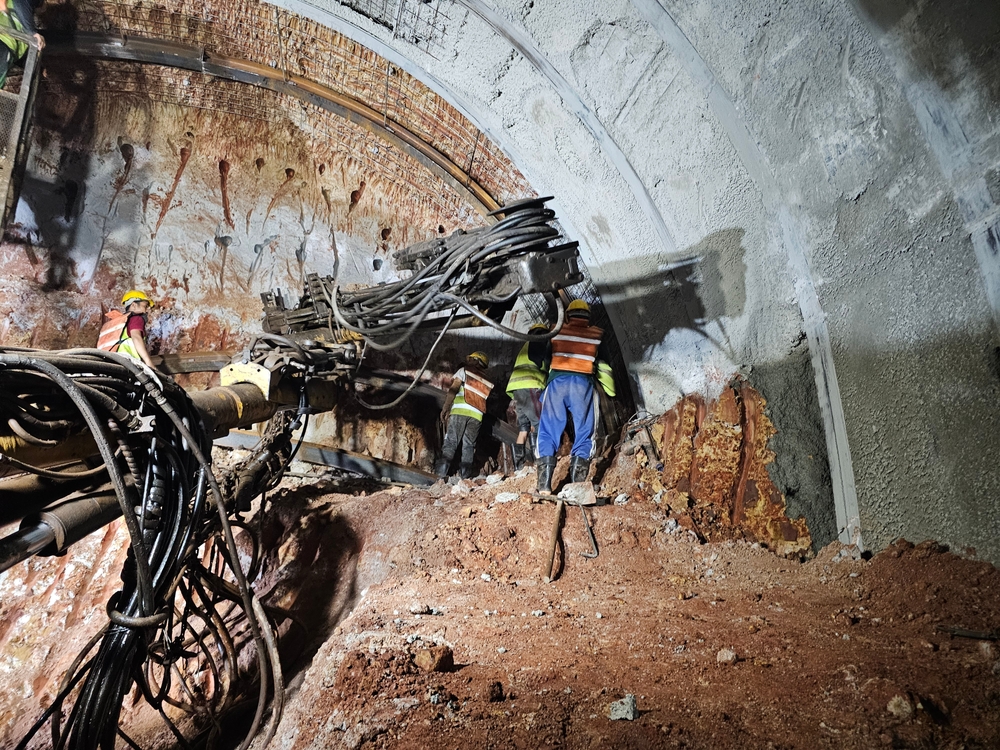
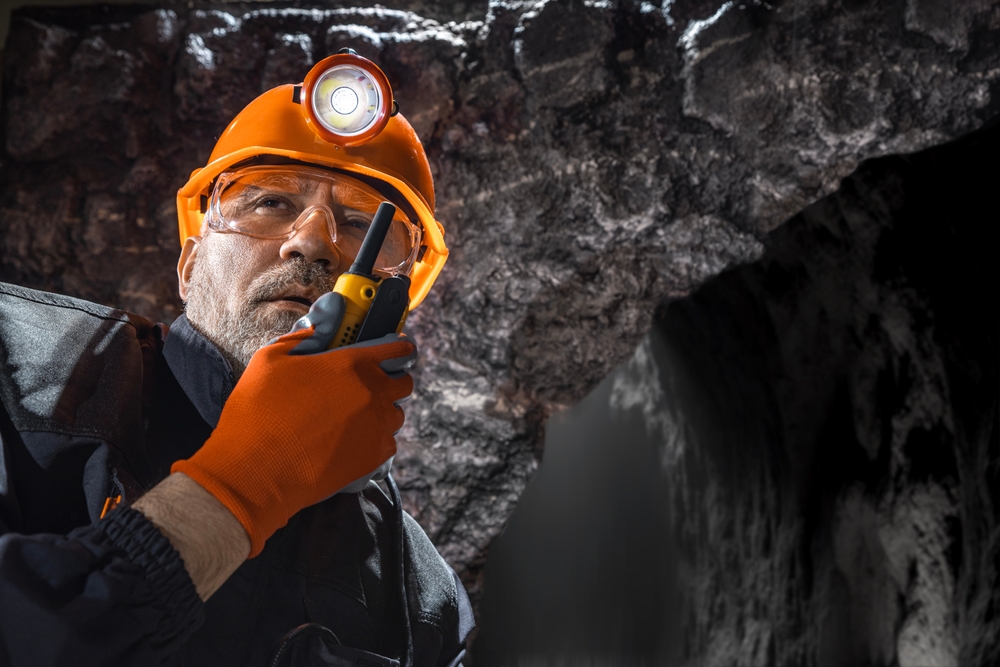
About an hour later, disaster tore through the valley surrounding Nepal’s Upper Trishuli 3A hydropower project. A huge mass of ice broke away from Langtang Lirung, around 25 miles upstream, sending rock, mud and water rushing through the valley. At approximately 9:15 that morning, workers were ordered to evacuate. Maharjan was already around 160 metres inside the mountain, while mechanical foreman Sanjay Sah was trapped even deeper in the chaos. Then the exits disappeared beneath the flood, leaving the two men with no clear route back to daylight.
Sanjay Sah Stayed Behind To Get Others Out
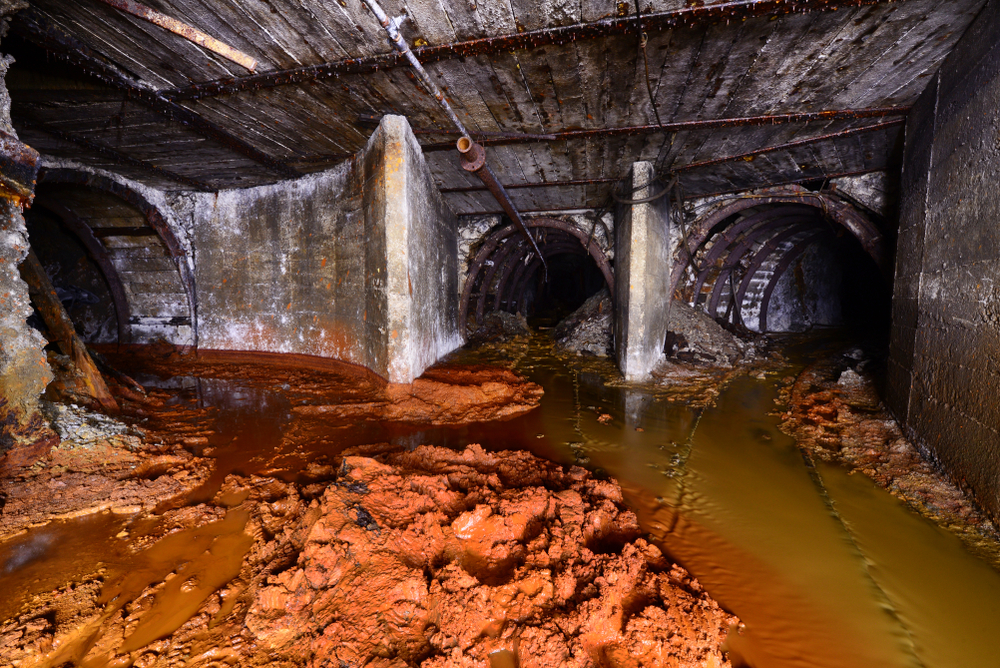
Sanjay Sah, 30, was working in the control room when the flooding struck. The situation changed within minutes, turning a familiar worksite into a maze of water, mud and debris. Suraj Dahal, an engineer with the Nepal Electricity Authority, later said flooding in Nepal was common, but the workers inside the project “didn’t know where to go.” Sah managed to get other workers moving toward the exit, but his own escape came too late. By the time he tried to follow, the force of the flood had sealed the route behind him.
Sah later described what happened from a hospital bed, explaining that his first priority had been getting the others out. “I made sure to evacuate everyone else, but I didn’t get the chance to escape myself,” he said. He also explained the responsibility he felt as part of the team: “to safeguard everyone’s life.” He estimated that between 40 and 50 people had been inside the tunnel that morning, making the scale of the disaster even harder to grasp as the search continued.
The two men eventually ended up in the same air-filled space inside the tunnel, a cable duct positioned at the edge of the main passage. They were roughly 160 metres from the exit, a distance that would normally take only a short walk. Instead, the flooded tunnel had transformed those metres into an almost impossible barrier. Water, mud and falling material had cut them off from the outside world, and neither man knew whether rescuers would ever reach them.
The Tiny Air Pocket That Kept Them Alive
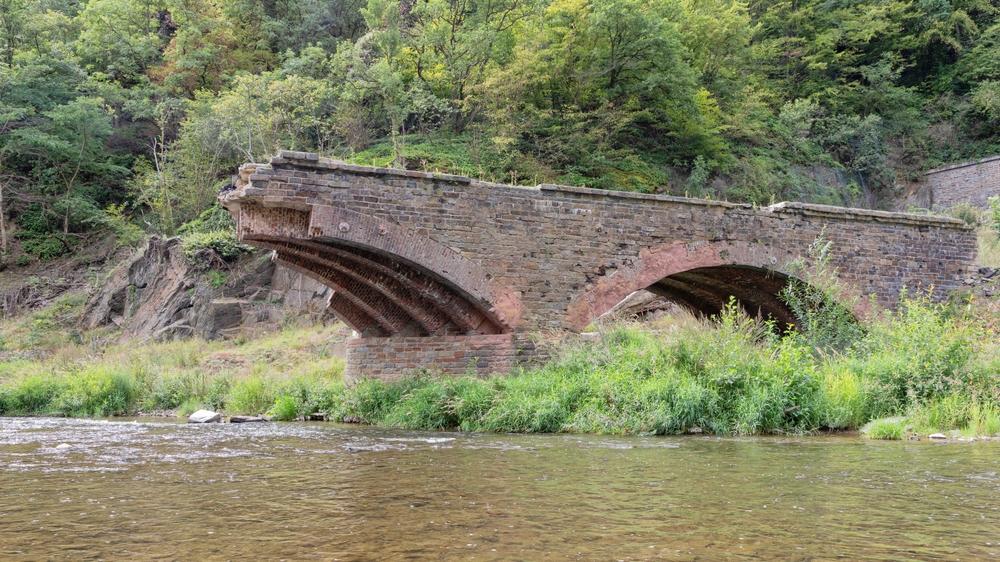
The place where Sah and Maharjan became trapped may have been the only reason they survived. The two men were sheltering in a cable duct where air remained trapped, while other sections of the tunnel were being overwhelmed by water, mud and sludge. Shri Ram Neupane, a lawmaker and veteran tunnel engineer, identified the air-filled chamber as a critical factor in their survival. Without that pocket of breathable air, nine days underground would have been an entirely different story.
There was no daylight reaching the men. There was no reliable way to communicate with the surface, and they had no idea how much of the tunnel remained intact around them. Maharjan spent much of the ordeal drifting in and out of consciousness in a pool of muddy water. When he became desperate for something to drink, that same water was all he had available.
His leg was also badly wounded, and the injury began deteriorating while he remained trapped in the darkness. Sah found another way to keep himself going. He said he chanted mantras “to give myself hope,” using the words to keep his mind focused while the hours stretched into days. He also said he could hear other trapped workers somewhere farther inside the tunnel, voices coming through the darkness even though he had no way to reach them.
Rescuers Heard Nothing Until The Ninth Day
The rescue operation faced its own brutal obstacles. Digging did not begin in earnest for three days, and crews then spent another six days trying to reach the tunnel entrance and search the damaged passages. When rescuers finally began calling into the darkness, they heard nothing at first. Ganga Baral, one of the rescue team leaders, recalled the repeated calls: “Where are you? Are you there?” Each unanswered question meant another stretch of uncertainty for the men trapped below.
Crews eventually drilled a five-inch borehole through the rock in an attempt to establish contact and locate anyone still alive. They also battled through passages filled with mud that were barely wide enough to crawl through. The conditions were dangerous enough that a section of the tunnel collapsed and temporarily trapped several rescuers themselves. Prakash Pokhrel, a geologist with Nepal’s disaster management authority, described the problem bluntly: “Everything you drop on that place just goes under.”
Then, around 4 in the morning, everything changed. A heavy equipment operator stopped after hearing what he believed was a sound from below. The rescuers went quiet and called into the tunnel again. This time, someone answered. Neupane said the rescue team called out, “Don’t panic, we are here to rescue you,” and received an “Okay” from inside. More than one person had responded. After days of shouting into a mountain and hearing nothing back, the rescuers finally knew there were survivors.
The First Survivor Came Out Covered In Mud
By around 7 in the morning, the rescuers had opened a passage to the trapped workers. Neither man was able to stand on his own. Sah was carried out on a rescuer’s back, his face covered in mud, and raised one hand as he emerged. After nine days underground, with his body weakened and the ordeal finally behind him, his first response was to thank the people who had reached him.
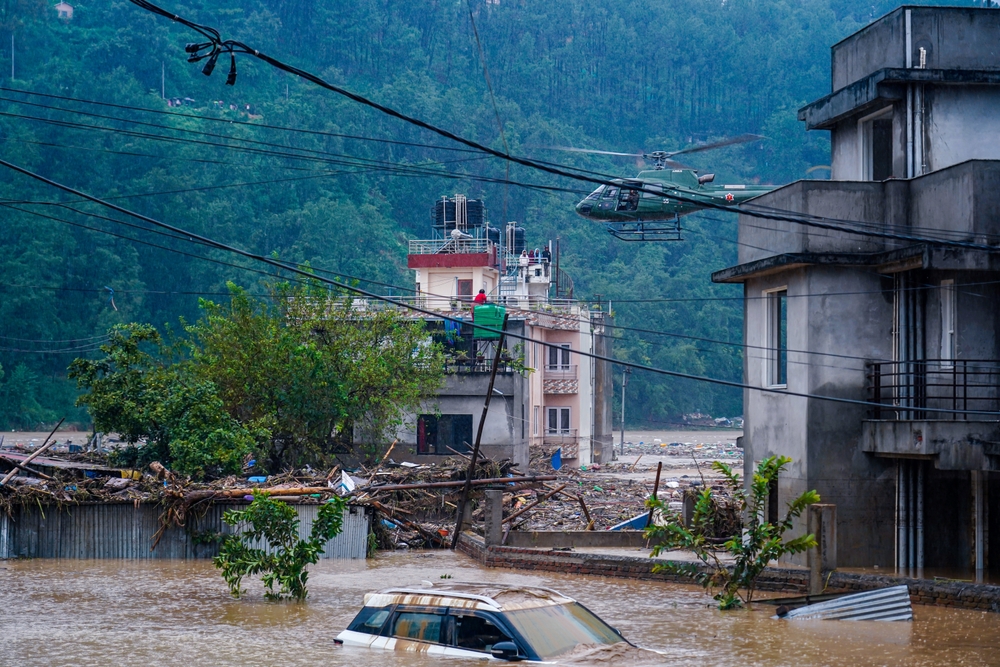
The rescue came as a rare piece of good news during a disaster that had already claimed a huge number of lives. Around the same period, hundreds of workers were still missing across roughly a dozen hydropower projects. Many were believed to be trapped inside tunnels, while rescue teams continued searching through damaged and unstable sites. The scale of the disaster meant that finding two living men could not erase the losses elsewhere.
A day later, another survivor was found along the same river. Lu Haitao, a Chinese hydropower worker, was pulled alive from around 225 metres inside a tunnel at Upper Trishuli 1. Nepali soldiers working alongside South Korean disaster specialists reached him after he repeatedly shouted whenever a torch beam moved through the darkness. When the light finally found him, he said he “couldn’t believe it.”
The two rescues offered something rare during the search: proof that people could survive for days inside tunnels that appeared almost impossible to escape. But survival was never guaranteed. A seven-member Armed Police Force team that entered the Upper Trishuli 3A site found one body and no additional survivors in the sections they could reach. Across Nepal, at least 1,331 people had died and around 5,000 remained unaccounted for.
Maharjan Came Out Without Recognising His Wife
Maharjan was taken out on a stretcher and transported to a hospital in Kathmandu, where doctors operated on his injured leg. His wife, Hira Shova, was there waiting for him. After nine days trapped underground, he looked at her and asked where he was. The ordeal had left him disoriented, but the person standing beside him was the person who had spent those nine days hoping against hope that he would somehow return.
For Shova, the wait had become almost unbearable. She later said, “Deep down in my heart, a terrible hopelessness was setting in.” She had begun believing her husband could not possibly still be alive. Then her sons, aged 15 and 10, gave her a reason to believe again. “Mummy, Papa is back!” they told her when they learned that their father had been rescued.
The family had spent nine days without knowing whether Maharjan would ever walk back through the door. Now he was alive, although badly injured and struggling with his memory after the ordeal. Shova described his survival in simple terms: “He is blessed with another life.”
For the families still waiting across the flood-hit valley, however, the rescue of two men could only bring mixed emotions. Somewhere beneath the same mountains, other workers remained missing, and search teams continued looking through tunnels where every metre could reveal either a survivor or a body. For Sah and Maharjan, daylight finally returned after nine days. For those still waiting, the digging continues.
Featured Image Source: Shutterstock