

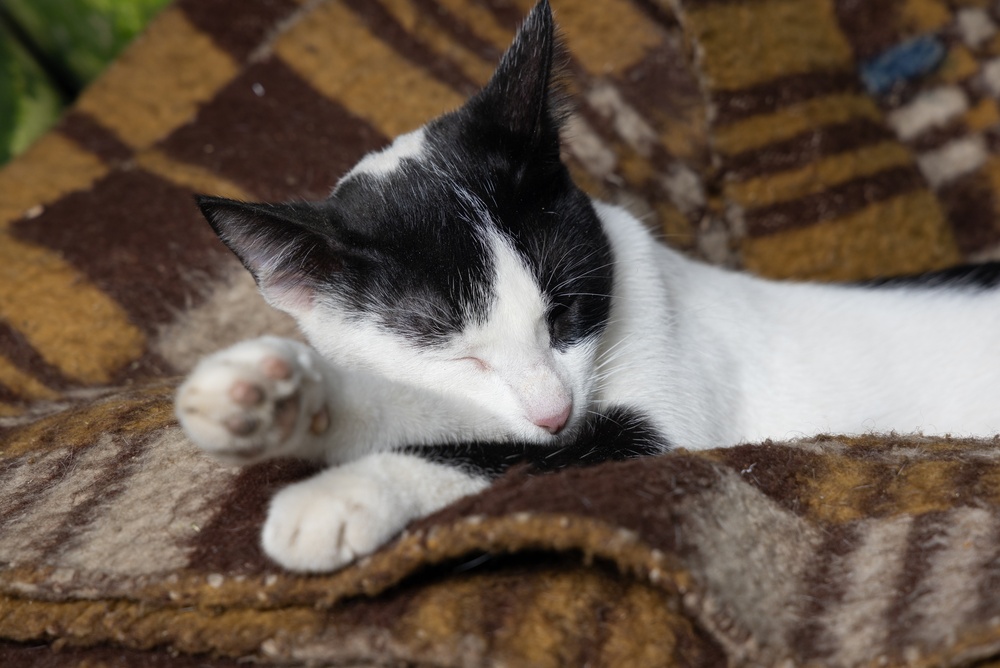
Veterinarian Reveals The Subtle Ways Cats Secretly Show Love To Their Humans
Dogs make affection easy to recognize. They rush to the door, demand attention, and seem determined to remind their humans every few minutes that they are loved. Cats move through relationships in a much quieter way. Many owners spend years wondering whether their cat even likes them, especially when their pet seems perfectly content sitting across the room without asking for attention. Yet animal experts say cats communicate trust and attachment constantly. The signals simply look different from the emotional language people expect.
Veterinarian Dr. Sarah Wooten recently explained that many behaviors humans mistake for indifference are actually powerful signs of connection. A slow blink, a stretch after waking up, or even the unpleasant surprise of a dead mouse left near the front door can carry emotional meaning for a cat. Unlike dogs, cats rarely overwhelm people with obvious affection. Instead, they build trust through routines, scent, body language, and calm presence. Once people understand those signals, the relationship often feels much deeper than they first realized.
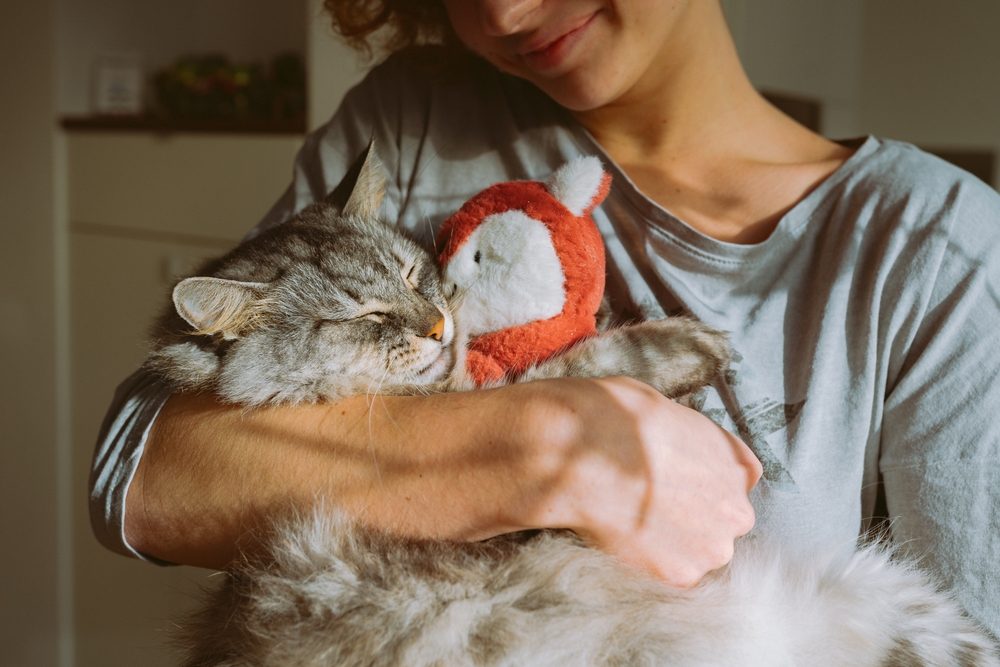
Why Cats Communicate Affection Differently
For centuries, cats have carried a reputation for being cold, distant, or emotionally detached. Part of that perception comes from how differently cats evolved compared to dogs. Dogs developed alongside cooperative pack systems and became highly expressive social animals. Cats remained more independent hunters, which meant survival depended less on dramatic emotional displays and more on caution, observation, and controlled interactions.
That history still shapes how cats behave today. Many cats enjoy companionship but dislike constant handling or overwhelming stimulation. They often show affection by staying nearby, sharing space, or returning repeatedly to the same trusted person throughout the day. These actions may appear subtle, yet animal behavior experts say they reveal strong emotional attachment.
Humans also tend to judge feline behavior using canine standards. People often expect excitement, tail wagging, eager greetings, and obvious emotional reactions. Cats rarely communicate that way. Their trust appears through relaxed body language, slow movements, and vulnerability. A cat choosing to sleep near someone can mean far more than people realize.
Dr. Wooten explained that understanding feline affection requires paying attention to quieter details. Once owners begin recognizing these patterns, behaviors that once seemed random or indifferent often start to look surprisingly affectionate.
Slow Blinking Is A Cat’s Version Of Trust
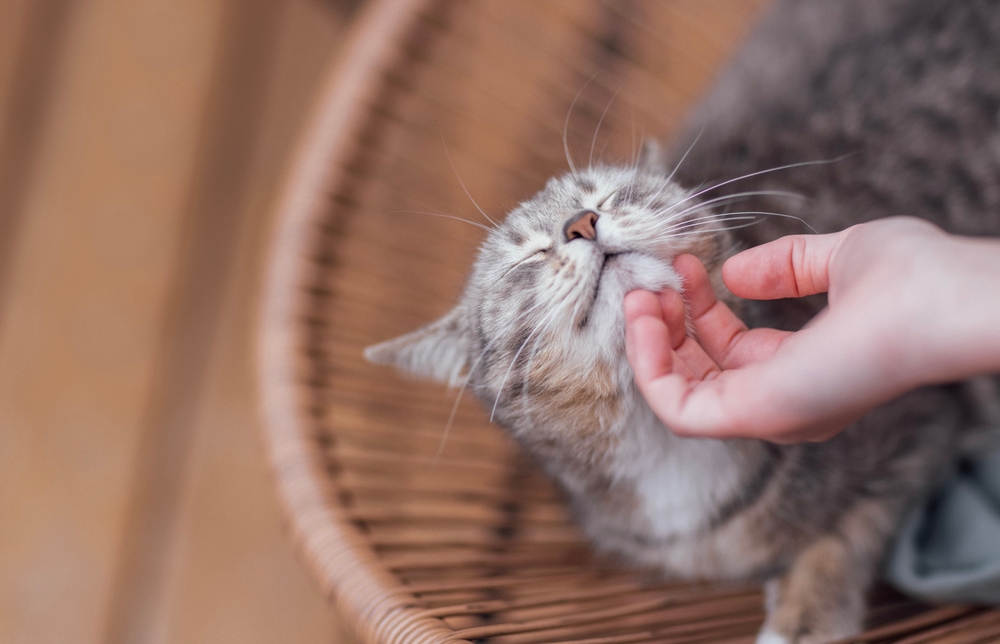
One of the most common signs of feline affection is also one of the easiest to miss. A cat sitting across the room with half-closed eyes may appear bored, sleepy, or uninterested. In reality, veterinarians say the gesture often reflects trust and emotional comfort.
“If you’re seeing that with your cat, they love you,” Dr. Wooten explained.
Slow blinking matters because direct eye contact can feel threatening in the animal world. When a cat softens its gaze and slowly closes its eyes around someone, it signals relaxation and safety. The cat no longer feels the need to stay alert or defensive. Many animal behaviorists even describe slow blinking as the feline equivalent of a smile.
Researchers studying cat-human relationships have observed that cats often respond positively when humans return the slow blink. Some owners already do this naturally without realizing it. Over time, the exchange becomes part of a quiet social ritual between person and pet.
The behavior may look simple from the outside, yet it reflects something important about feline psychology. Cats rarely lower their guard unless they feel secure. A slow blink is not dramatic affection, but it is emotional trust expressed in the language cats understand best.
Lap Sitting Means More Than Physical Comfort
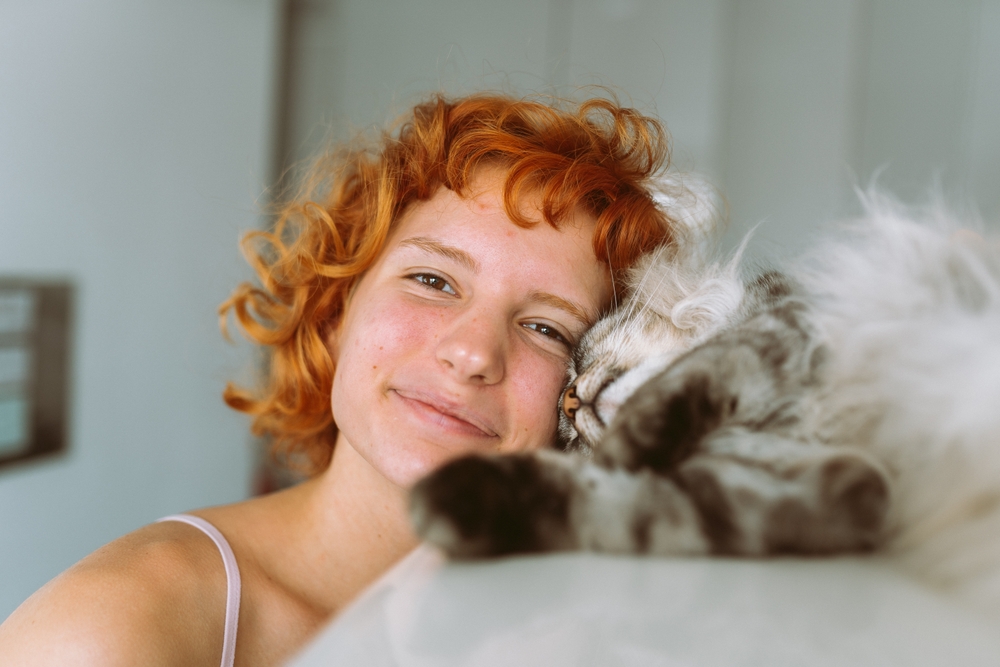
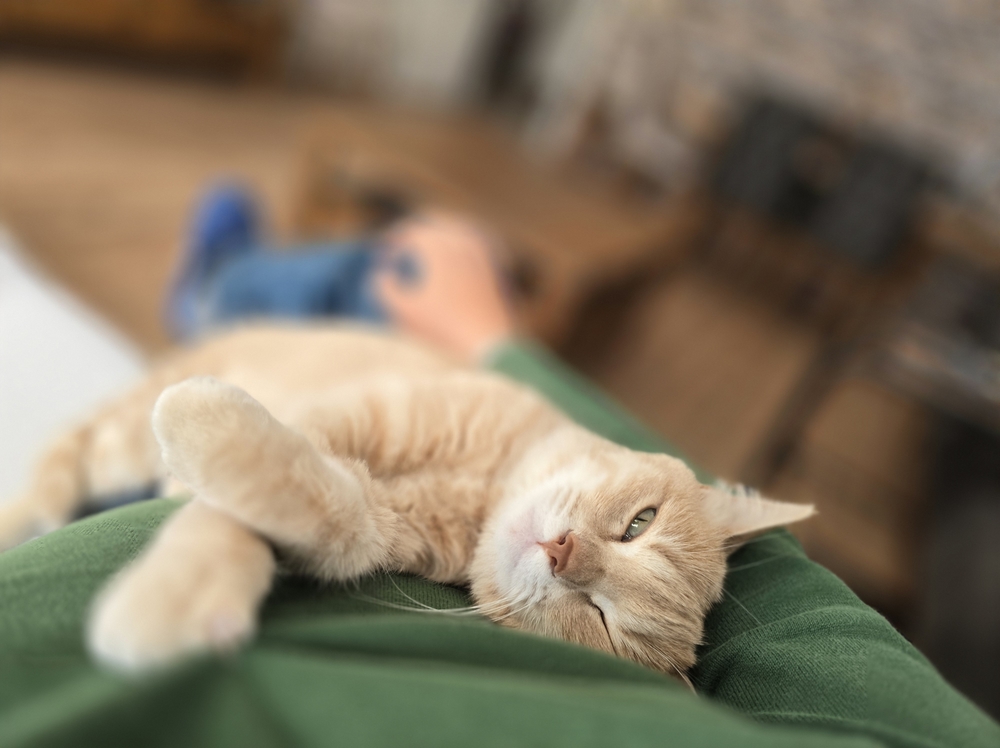
Some cats seem happiest curled directly on a person’s lap for hours. Others prefer to remain close without climbing onto anyone at all. Veterinarians say both personalities are normal because cats vary widely in how much physical touch they enjoy.
Dr. Wooten explained that extended lap sitting can reveal both affection and trust, especially for cats that enjoy physical closeness with humans.
“Not all cats love a large amount of body contact, petting, and things like that with humans,” she said. “Remember every cat is individual…but if your cat is a touchy-feely cat and loves to be touched by humans, then sitting in your lap for an extended period of time is definitely a sign that your cat loves and trusts you.”
Even cats that sit facing away from their owners still communicate comfort. Turning their back toward someone exposes a vulnerable position. In nature, animals usually protect themselves by staying aware of potential threats. A cat willingly resting in that position has already decided the environment feels safe.
Many owners assume lap sitting only reflects warmth or convenience. Animal experts say the behavior often carries emotional meaning as well. Cats do not spend long periods in vulnerable positions around people they dislike or distrust.
The Strange Gifts Cats Leave Behind
Few cat behaviors confuse humans more than finding a dead animal on the porch or beside the bed. While many owners react with horror, veterinarians say the behavior can actually reflect bonding.
“Even though to us humans it seems pretty unsavory, to your cat it is a sign of love and dedication,” Dr. Wooten explained.
Cats sometimes bring prey, toys, socks, or random household objects to humans they trust. Animal behavior researchers believe the instinct may connect to how mother cats teach kittens to hunt by bringing them food or injured prey to practice with. Others think it reflects social sharing within a trusted group.
Indoor cats often display the same instinct using softer substitutes. Some carry favorite toys through the house while vocalizing loudly before dropping the item near a person. Others repeatedly place objects beside a sleeping owner or at a doorway where they know someone will find them.
Common Gifts Cats Leave For Trusted Humans
- Favorite toys carried from room to room
- Socks, hair ties, or soft household items
- Outdoor prey animals
- Objects placed directly beside a person
- Random collections gathered over time
The behavior may feel strange to humans, but from a cat’s perspective, the offering often represents inclusion and connection.
Kneading And Purring Begin In Kittenhood
Some feline behaviors seem ordinary until people understand where they come from. Kneading and purring both begin early in a cat’s development and often remain connected to comfort throughout adulthood.
Cats knead by rhythmically pressing their paws into blankets, pillows, or even a person’s body. Online, many owners call the behavior “making biscuits.” The movement starts during nursing because kittens instinctively knead their mother’s belly while feeding.
“It’s just a leftover instinctual thing that they do when they feel super happy and super connected,” Dr. Wooten said. “So if your cat makes biscuits when they’re near you, that is a sign of love and connection.”
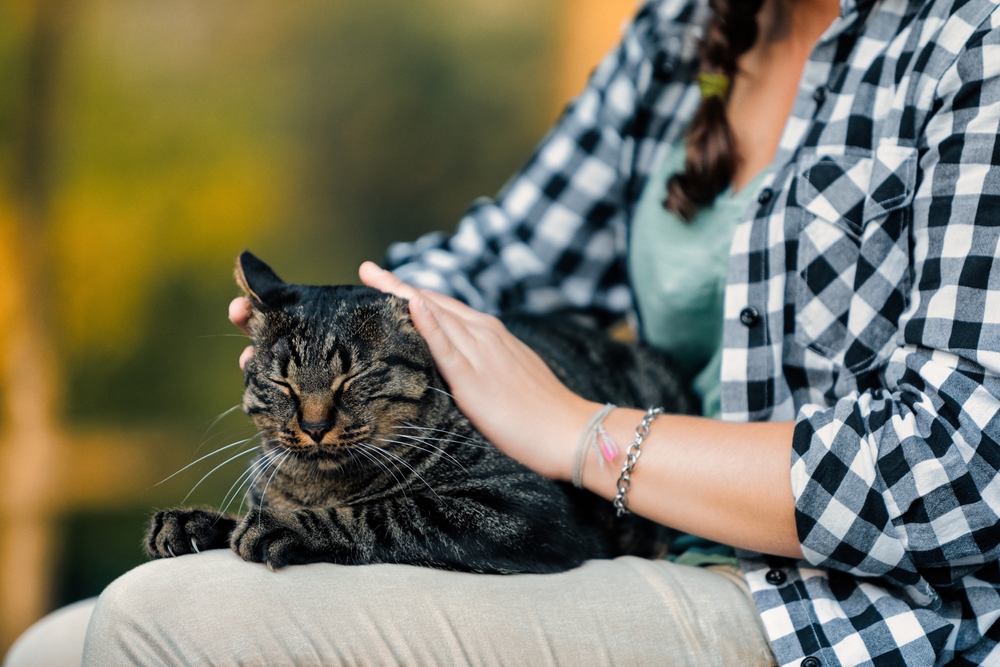
Adult cats frequently knead when they feel calm, sleepy, or emotionally secure. Some purr at the same time, creating a behavior pattern many owners immediately recognize. Veterinarians say the combination often signals comfort rooted in early-life safety and bonding.
Purring itself carries several meanings. Cats may purr while happy, frightened, stressed, or even injured. Researchers believe the sound may help self-soothing and healing. Context becomes important when interpreting what the behavior means.
“But if your cat’s just hanging out at home and they’re near you, and suddenly you hear the motor go on, that’s a pretty good sign that they love you,” Dr. Wooten explained.
When cats choose to relax, knead, and purr beside someone consistently, animal experts say it usually reflects emotional trust rather than simple habit.
Why Cats Rub Against People They Love
Cats experience the world heavily through scent. Humans rely mostly on spoken language and facial expression, while cats build familiarity through smell and environmental markers.
That is why rubbing behavior carries emotional significance.
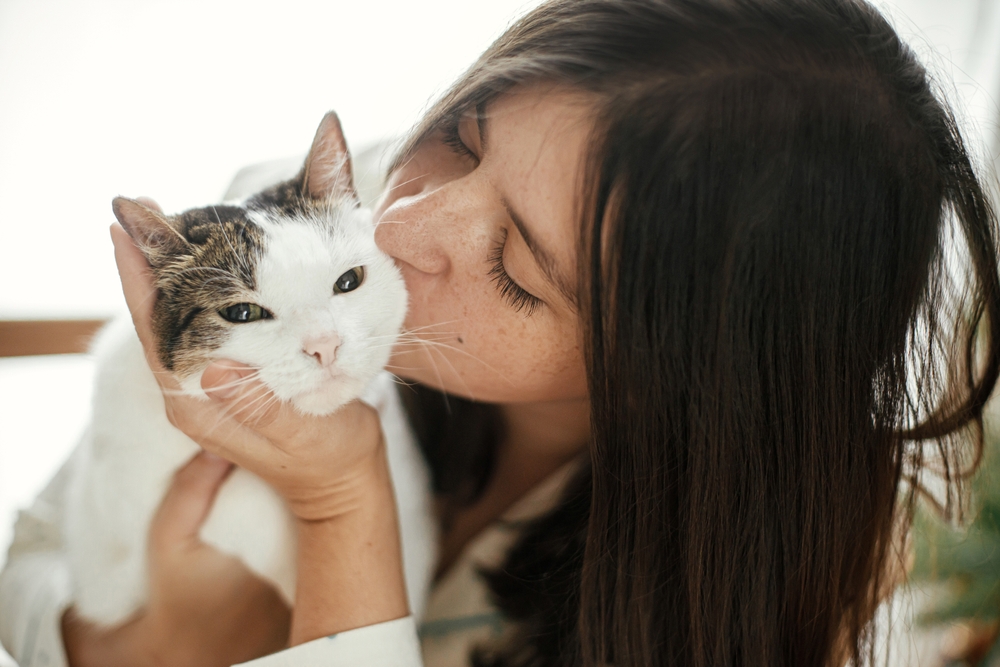
“If a cat comes up and rubs its face or body on you, that’s a sign of love and connection,” Dr. Wooten explained.
The behavior is commonly called bunting. Cats have scent glands around their face, paws, and tail base. When they rub against someone, they leave behind chemical markers connected to familiarity and social bonding.
“Cats have scent markers in their paws, they have them on their face…and they also have them on the base of their tail,” Dr. Wooten said. “So what cats will often do is they will rub their paws or their face or their tail on the people that they love and consider to be their property.”
To humans, the gesture may feel playful or routine. For cats, scent exchange helps define trusted relationships and safe territory. Researchers studying feline social groups have repeatedly observed scent sharing between cats that maintain close bonds with one another.
Many cats repeat this behavior during greetings or before settling nearby. The action helps reinforce emotional familiarity every time they interact.
Yawning And Stretching Can Reflect Emotional Safety
One of the most surprising signs of affection involves behaviors many people barely notice. A cat waking up, stretching, yawning, and wandering toward someone may appear lazy or half-asleep. Veterinarians say the behavior often reveals comfort and emotional security.
“Especially if they’re sleeping, if they see you and suddenly they get up, maybe they meow at you and then they yawn and they stretch, they get everything all good and feeling good, and then they come hang out with you, it’s a sign of love,” Dr. Wooten explained. “That’s a sign that they’re very comfortable and that they’re very happy to see you.”
Animals rarely expose vulnerability in environments they consider unsafe. Stretching fully or yawning openly requires relaxation because the body temporarily lowers its guard. Cats that repeatedly do this around a person usually feel secure in that individual’s presence.
Comfort often forms the foundation of feline affection. Cats return to spaces and people where they feel emotionally safe. That trust may appear through sleeping nearby, stretching openly, or calmly approaching someone after resting.
Many owners spend years hoping for dramatic displays of affection while overlooking the quieter ways cats communicate connection every single day.
Cats Love Quietly, But They Love Deeply
Modern culture often treats dogs as emotional companions while describing cats as detached observers sharing the same house. Animal behavior experts say that comparison misunderstands how feline relationships work.
Cats form attachment through consistency, trust, routine, and calm presence. They may not greet people with explosive excitement, but many cats quietly organize their daily habits around the humans they feel safest with.
A cat blinking slowly from across the room, sleeping beside someone each night, or rubbing its face against a familiar hand may not look dramatic. Still, those behaviors carry emotional meaning in the feline world. Once people learn to recognize the signals, the relationship starts to feel less mysterious and far more personal.
Cats may never love loudly. Yet for many owners, that quiet affection becomes exactly what makes the bond feel so special.