


From Saving a Sinking Boat to the Olympic Pool The Unbelievable Journey of a 17-Year-Old Refugee
At 17 years old, most teenagers are preoccupied with exams, friendships, and the small but meaningful milestones that shape early adulthood, but for Yusra Mardini, life demanded something far more urgent and far more difficult. Growing up in Damascus, a city that had been transformed by conflict, she experienced a reality where stability could disappear overnight and even the simplest routines became uncertain. Yet through all of this, she held tightly to one constant that gave her both structure and hope. Swimming was not just something she enjoyed, it was something that grounded her, gave her identity, and eventually became the very thing that would help save her life and the lives of others in a moment of unimaginable danger.
Her journey from Syria to Europe is one that echoes the experiences of countless refugees, filled with fear, uncertainty, and the painful decision to leave everything behind in search of safety. However, what happened during that journey is what makes her story stand apart in a way that feels almost impossible to comprehend. Faced with a life-threatening situation in the open sea, she made a choice that most people would struggle to make even in theory, let alone in reality. Years later, that same teenager would stand on one of the most prestigious stages in the world, not only as an athlete competing at the Olympic Games, but as a symbol of resilience, courage, and the enduring belief that even the most disrupted lives can find a way forward.

Image Credit: yusramardini
Growing Up in a War Zone
Yusra Mardini was raised in Damascus, a city that once offered a vibrant cultural life but became increasingly unstable as conflict spread across Syria. Daily life shifted in ways that were both sudden and relentless, with ordinary routines interrupted by the realities of war, including damaged infrastructure, constant uncertainty, and the ever-present awareness of danger. For a young athlete trying to build a future in sport, these conditions created obstacles that went far beyond training schedules or competition readiness. Despite this, Yusra remained committed to swimming, holding onto it as a source of purpose even when everything around her seemed to be falling apart.
She was not simply a casual swimmer but a talented and dedicated athlete who had already gained recognition and support from the Syrian Olympic Committee. Her potential was clear, and her future once seemed to follow a promising path shaped by discipline and ambition. However, the war began to interfere with even her ability to train consistently, turning something as simple as practicing in a pool into a challenge filled with risk. She described these experiences in her own words, saying, “Sometimes we couldn’t train because of the war,” and “And sometimes you would be swimming in pools where the roofs were [blown open] in three or four places.” These moments capture the harsh contrast between her dreams and the environment she was forced to navigate.
Even in those conditions, she continued to train whenever possible, adapting to circumstances that would have caused many to give up entirely. Swimming became more than a sport, it became a form of resistance against the chaos surrounding her and a way to maintain a sense of control over her own future. This determination and resilience would later become crucial, not just in competition, but in a life-or-death situation that would test her abilities in ways she could never have anticipated.
The Decision to Leave Everything Behind
As the conflict in Syria intensified, the situation in Damascus reached a point where staying was no longer a viable option for Yusra and her sister Sarah. The decision to leave was not made lightly, as it meant abandoning their home, their memories, and the life they had always known, but it became clear that their safety depended on moving forward into the unknown. This choice reflects a reality faced by many refugees, where leaving is not about seeking opportunity, but about escaping danger and preserving life itself.
Their journey began with travel through neighboring countries, including Lebanon and Turkey, each step bringing new challenges and uncertainties. Navigating unfamiliar environments, relying on limited resources, and constantly facing the risk of the unknown became part of their daily experience. Like many others making similar journeys, they carried with them not only their belongings but also the emotional weight of displacement, loss, and the hope that somewhere ahead there would be stability.
The most dangerous part of their journey awaited them at the Aegean Sea, a crossing that has become known for its risks due to overcrowded boats and unpredictable conditions. For Yusra and her sister, this was not just another step in their journey, but a moment that would define everything that came after. It was here that their strength, both physical and mental, would be pushed to its absolute limits.
The Night That Changed Everything
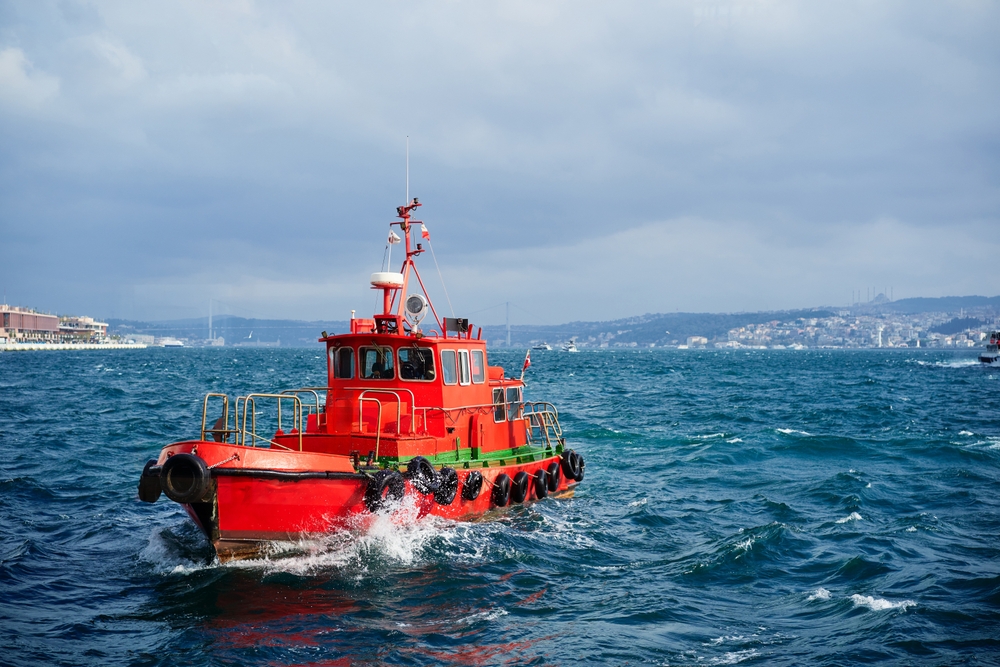
The boat they boarded in Turkey was designed to carry only six people, yet it was filled with 20, a clear indication of the desperation and lack of options faced by those on board. From the moment the journey began, the risk was evident, but there were few alternatives available. Just 30 minutes into the trip, the engine began to fail, turning an already dangerous situation into a critical emergency as panic spread among passengers who knew that many of them could not swim and had no way to survive if the boat capsized.
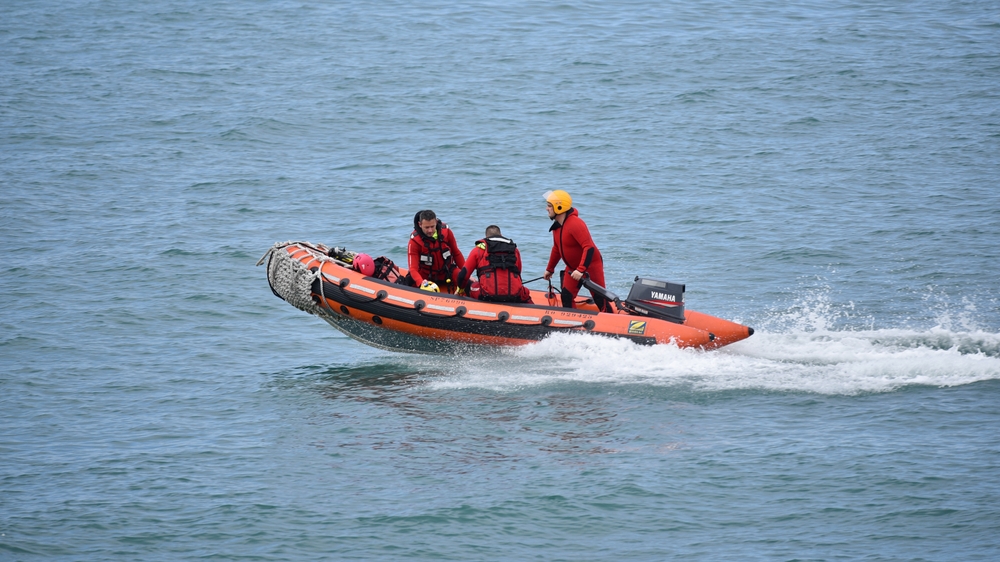
In that moment of fear and uncertainty, Yusra, her sister Sarah, and two other individuals who could swim made a decision that would ultimately save every life on that boat. They entered the water and began pushing and guiding the boat through the sea, using whatever strength they had to keep it moving and stable. Yusra later described the experience, saying, “We were the only four who knew how to swim,” and “I had one hand with the rope attached to the boat as I moved my two legs and one arm. It was three and half hours in cold water. Your body is almost like … done. I don’t know if I can describe that.” These words convey not only the physical exhaustion but also the mental strain of those hours.
For more than three hours, they remained in the water, battling cold temperatures, fatigue, and the overwhelming responsibility of knowing that others depended entirely on their actions. Every movement required determination that went beyond normal limits, yet they continued until they finally reached the shores of Lesbos. Because of their efforts, all 20 people on the boat survived. Reflecting on this moment later, Yusra said, “I remember that without swimming I would never be alive maybe because of the story of this boat. It’s a positive memory for me.” Her perspective reveals an extraordinary ability to find meaning and strength even in the most difficult experiences.
From Survival to Starting Over
Arriving on the island of Lesbos brought a sense of relief, but it did not mark the end of Yusra’s journey, as she and her sister still had a long path ahead of them through Europe. They continued traveling through countries such as Macedonia, Serbia, Hungary, and Austria, each stage presenting new challenges, from physical exhaustion to navigating unfamiliar systems and environments. The journey required constant resilience, as they adapted to changing circumstances while holding onto the hope of reaching a place where they could rebuild their lives.
Eventually, they arrived in Germany, where Yusra began to establish a new life in Berlin. Starting over in a new country came with its own set of difficulties, including adjusting to a different culture, learning new systems, and rebuilding a sense of normalcy. However, it was also here that she was able to reconnect with swimming, joining a local club where her talent quickly became evident once again. Her coach recognized her potential and provided the support needed to help her return to competitive sport.
Her daily routine soon became intense and structured, balancing education with rigorous training sessions that took place both in the morning and in the evening. Despite everything she had experienced, she approached this new chapter with determination and focus. Speaking about the challenges of her journey and the emotional toll it took, she said, “It’s tough,” and “It was really hard, for everyone, and I don’t blame anyone if they cried. But sometimes you just have to move on.” These words reflect not only her resilience but also her understanding of the shared struggles faced by others.

The Olympic Dream Becomes Reality
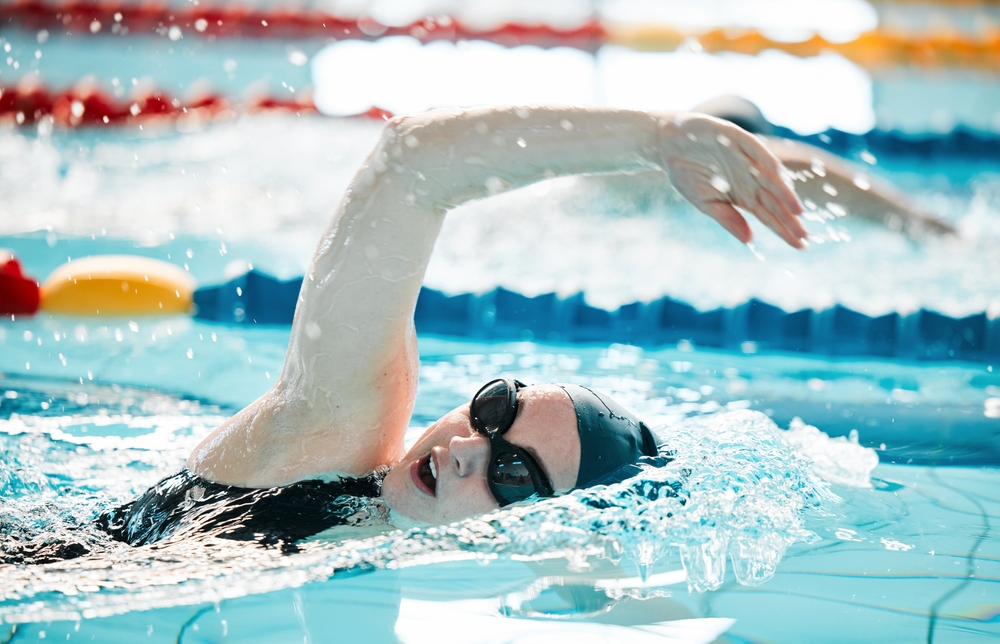
In 2016, Yusra Mardini was selected as part of the first refugee Olympic team, an initiative that aimed to highlight the stories and talents of displaced athletes from around the world. Her participation in the Olympic Games represented more than just personal achievement, as it symbolized the possibility of hope and opportunity even in the aftermath of displacement and hardship. Competing in the women’s 100-metre butterfly and freestyle events, she stepped onto the global stage with a story that resonated far beyond the world of sport.
Her presence at the Olympics captured widespread attention, not because of medals or records, but because of what she represented to millions of people watching around the world. She became a symbol of resilience and determination, showing that even after experiencing loss and danger, it is possible to rebuild and pursue one’s dreams. Her journey from a sinking boat to an Olympic pool stood as a powerful narrative that challenged perceptions and inspired others.
Beyond the competition itself, she used her platform to share a broader message about refugees and the realities they face. She emphasized that refugees are not defined by their circumstances, but by their humanity and their aspirations. Her story encouraged people to look beyond labels and statistics, and to recognize the individual lives and experiences behind them.
Changing the Narrative Around Refugees
Yusra has consistently spoken about the importance of changing how refugees are perceived, highlighting that they are individuals with histories, ambitions, and dreams that existed long before they were displaced. She addressed this directly during a press conference, saying, “I want everyone to think refugees are normal people who had their homelands and lost them not because they wanted to run away and be refugees, but because they have dreams in their lives and they had to go.” This statement captures the essence of her message and the perspective she hopes to share with the world.
She also spoke about the significance of representing refugees on such a global stage, explaining how her participation in the Olympics could inspire others to continue pursuing their goals despite the obstacles they face. She said, “Everything is about trying to get a new and better life and by entering the stadium we are encouraging everyone to pursue their dreams.” Her words extend beyond her own experience, offering encouragement to anyone facing adversity.
Looking toward the future, she has expressed a desire to one day return to Syria and share her experiences, contributing to rebuilding efforts and helping others find hope. This vision reflects not only her connection to her homeland but also her commitment to using her story as a force for positive change.
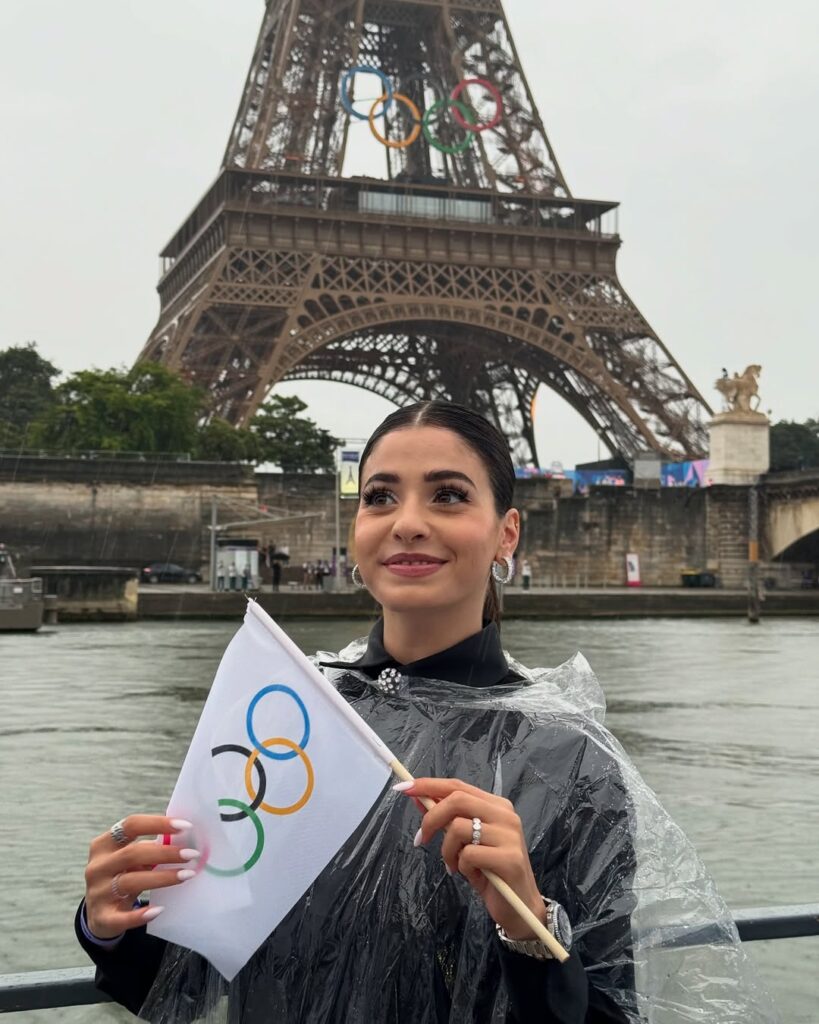
Image Credits: yusramardini
More Than an Athlete
Yusra Mardini’s journey from Damascus to the Olympic Games is a story defined by courage, resilience, and the ability to move forward in the face of overwhelming challenges. It is not a story built on a single moment, but on a series of decisions that reflect strength and determination at every stage. From training in damaged pools to pushing a sinking boat through open water, and finally competing on the world stage, her life illustrates what can be achieved even under the most difficult circumstances.
What makes her story especially powerful is the way it challenges assumptions and invites reflection. It reminds us that behind every label is a human being with dreams, potential, and the capacity to overcome adversity. Her journey encourages a deeper understanding of the refugee experience while also offering a broader message about perseverance and hope. In the end, she is not only an athlete, but a symbol of what it means to endure, adapt, and continue moving forward when everything seems uncertain.”