

Why People Who Love Green, Blue, and Yellow Often Score High on Emotional Intelligence
Most people measure intelligence by test scores, grade point averages, or how fast someone can solve a math problem. Yet intelligence runs far deeper than academics. In everyday life, another form of intelligence often matters just as much, sometimes even more. Psychologists call it emotional intelligence.
Emotional intelligence refers to how well you recognize, understand, and manage your own emotions and how well you read them in others. People who carry strong emotional intelligence tend to communicate with empathy, stay grounded under pressure, and build relationships that last. Four core abilities sit at its center, including self-awareness, emotional regulation, empathy, and social skills.
Here is what makes things interesting. Some experts in color psychology believe your favorite colors may quietly reflect your emotional wiring. A color preference alone cannot determine how emotionally aware you are. But the shades you gravitate toward may hint at how you experience your surroundings, process feelings, and express yourself.
How Colors Speak to Your Emotional Wiring
Color psychology studies how different hues affect human thought, emotion, and behavior. Every color corresponds to a specific wavelength of light. When your eye detects a wavelength, signals travel to your brain, and your brain interprets them almost instantly, often triggering an emotional response before you consciously register what you are seeing.
“Colors, like features, follow the changes of the emotions,” Pablo Picasso once observed. He was onto something that modern science keeps confirming. Researchers in environmental psychology have found that color can shift heart rate, attention levels, emotional arousal, and mood. Because your brain processes color at such speed, you form impressions and emotional reactions to a room, a product, or a piece of clothing before logic ever gets a word in.
So when you feel drawn to a certain color, that pull may reflect something deeper than aesthetic taste. It may mirror how you want to feel, how you process stress, or how you wish to show up in a room.
Your Favorite Color Might Say More Than You Think
For decades, researchers have studied whether a favorite color says anything real about personality. Evidence suggests small but consistent connections between personality traits and color preference. People often choose colors that match the emotional state they want to live in.
Someone who craves calm may lean toward soft, cool tones. Someone who feeds on excitement may reach for bold, saturated shades. And those who carry strong self-awareness tend to be more intentional about the colors they surround themselves with, choosing hues that support their mood, energy, or emotional balance.
Color psychology experts point to three shades that appear again and again among people who prize emotional awareness, reflection, and thoughtful connection with others.
Green and Emotional Balance
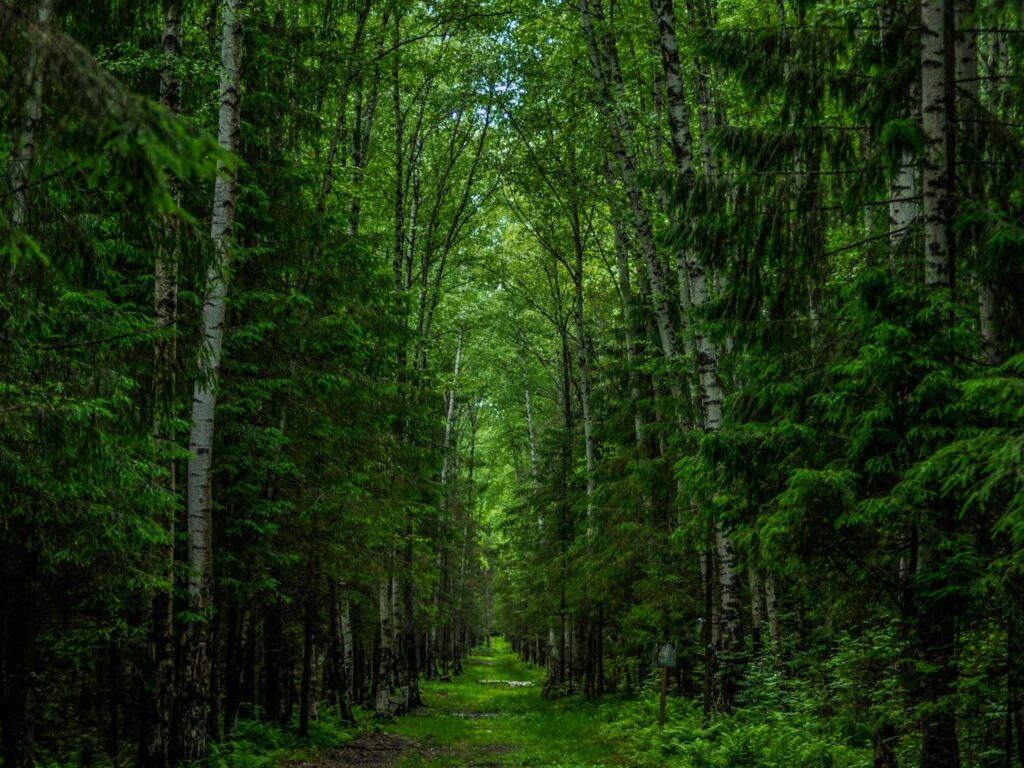
Green sits near the center of the visible light range, making it one of the easiest colors for your brain to process. For centuries, people have connected green to nature, growth, and renewal. Forests, open fields, and garden spaces all pulse with shades of green, and spending time in those environments consistently lowers stress.
Science backs up what most people feel instinctively. Japanese researchers studying “forest bathing” found that people who spent time surrounded by green vegetation had lower blood pressure than those who did not. Another study measured a “green exercise effect,” where participants who exercised indoors while watching a video with a green overlay experienced less mood disturbance and lower perceived effort than those who watched the same footage with a red or gray filter.
Green also carries a motivational charge. One study found that people with a high need for achievement chose green over red more often, and participants connected green with success-related words while linking red to failure. Exposure to green even increased feelings of hope and reduced fear of failure.
Because emotional intelligence demands a steady balance between logic and empathy, many color analysts see green as a symbol of emotional equilibrium. People who prefer green often value harmony, cooperation, and patience, all qualities that feed emotional awareness.
Blue and Quiet Reflection
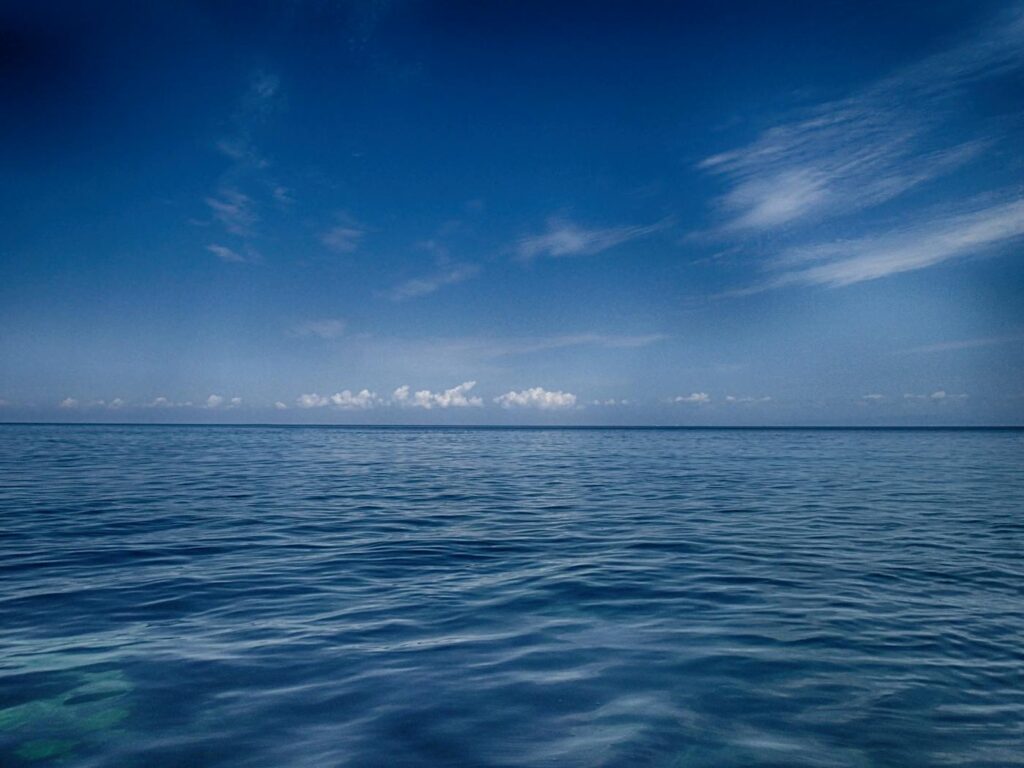
Surveys across 10 countries rank blue as the most popular favorite color worldwide. In one American survey alone, 40% of men and 24% of women named blue as their top choice.
Color psychology connects blue to calmness, stability, and thoughtful reflection. Research shows that blue environments can lower heart rate, reduce body temperature, and produce a feeling of mental clarity. Studies have also found that people become more productive and creative in blue rooms, which is why blue appears so often in office spaces, hospitals, and professional branding.
Rachel Goldman, PhD, put it simply when she said, “It’s amazing how colors can truly impact our mood and influence our behavior.” Blue may be the strongest proof of that claim. Self-awareness requires the ability to pause, observe your own emotional reactions, and respond with intention rather than impulse. Blue environments seem to support exactly that kind of mindset.
Trust and reliability also live inside blue. Law enforcement agencies choose blue uniforms because the color projects authority and security. Companies use blue in their logos to signal dependability. Cultural associations reinforce the pattern. In India, blue symbolizes truth, mercy, and love. Across Western Europe, it connects to serenity, reliability, and fidelity.
If blue reflects the inner qualities of someone who pauses before reacting, listens before speaking, and stays steady under pressure, it makes sense that emotionally aware people keep reaching for it.
Yellow and Restless Curiosity
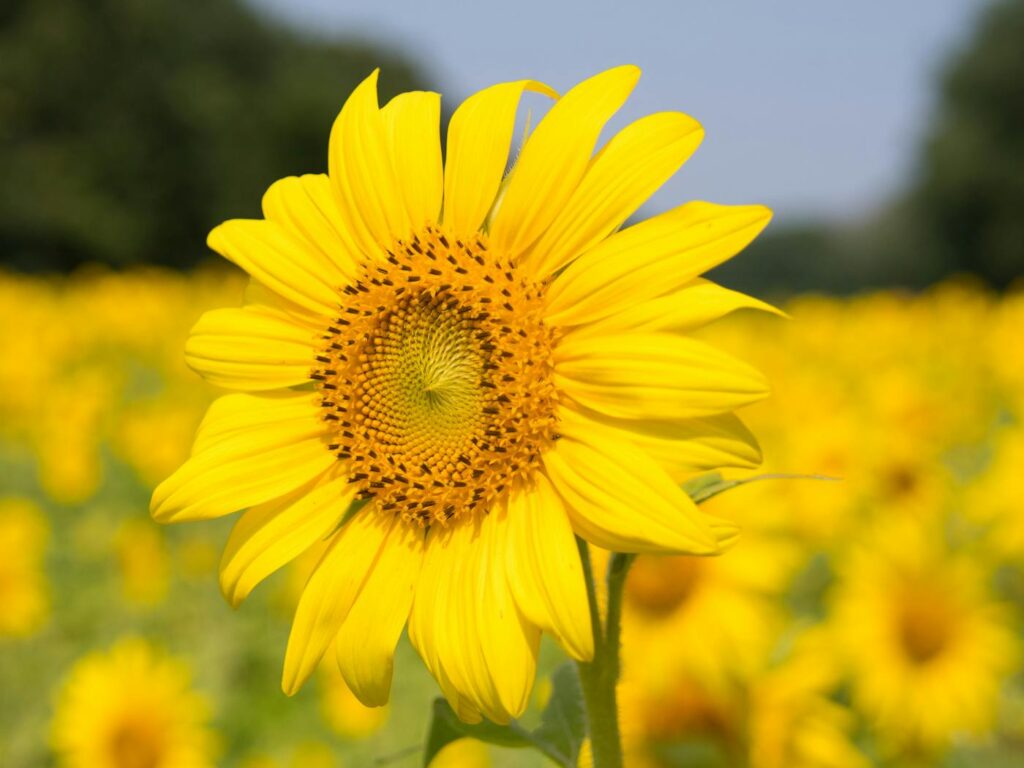
Yellow is the most visible color in the spectrum. Your eye detects it faster than any other shade, which is why safety signs, traffic signals, and warning labels lean on it so heavily.
Color psychologists link yellow to optimism, curiosity, and mental stimulation. Yellow can increase metabolism, spark creative thinking, and fill a room with infectious energy. Many creative workspaces use small bursts of yellow to encourage fresh ideas without overwhelming the senses.
Emotional intelligence requires an openness to new ideas and a willingness to sit with your own feelings long enough to understand them. Yellow mirrors that restless, curious energy. It symbolizes a readiness to ask questions, chase possibilities, and meet life with hope rather than fear.
“How wonderful yellow is. It stands for the sun,” Vincent Van Gogh once said. And for many people, yellow does carry that solar warmth. One classroom study found that painting a room bright yellow midway through the school year shifted the entire atmosphere. Students seemed more engaged, and their teacher joked that the new paint job must have boosted grades.
But yellow demands respect. In large doses, it can trigger frustration, agitation, and even aggression. Research shows that babies cry more in yellow rooms, and people lose their tempers faster when surrounded by intense yellow. Like most things worth having, yellow works best in balance.
No Color Signals Low Emotional Awareness
Before anyone panics about their favorite color, experts stress an important point. No color preference signals low emotional intelligence. Human emotions are complex, and emotional awareness grows through lived experience, honest reflection, and personal growth, not through a paint swatch.
Achromatic shades like black, gray, and white carry meaning shaped more by culture and personal history than by wavelength. Someone who loves black may value elegance and strength. Someone drawn to white may seek simplicity and clarity. Neither choice says anything about emotional depth.
Reactions to color remain deeply personal. Past experiences, cultural background, and individual associations all influence how you respond to any given shade. A color that calms one person may agitate another, depending entirely on the memories and meanings attached to it.
What Your Color Preferences Actually Tell You
Color preference works best as a mirror, not a measurement. It does not score your emotional intelligence. Instead, it reflects something about the emotional world you are drawn to, the feelings you want to live near, and the energy you want around you.
Pay attention to which colors you reach for when you get dressed, decorate a room, or choose a notebook. Ask yourself what emotional need that color might be meeting. Are you seeking calm? Energy? Grounding? Hope?
Emotional intelligence shows up in small, everyday choices, including how you shape the world around you. And if the shades you love are green, blue, or yellow, you may already be creating an environment that feeds the very awareness you need most.