

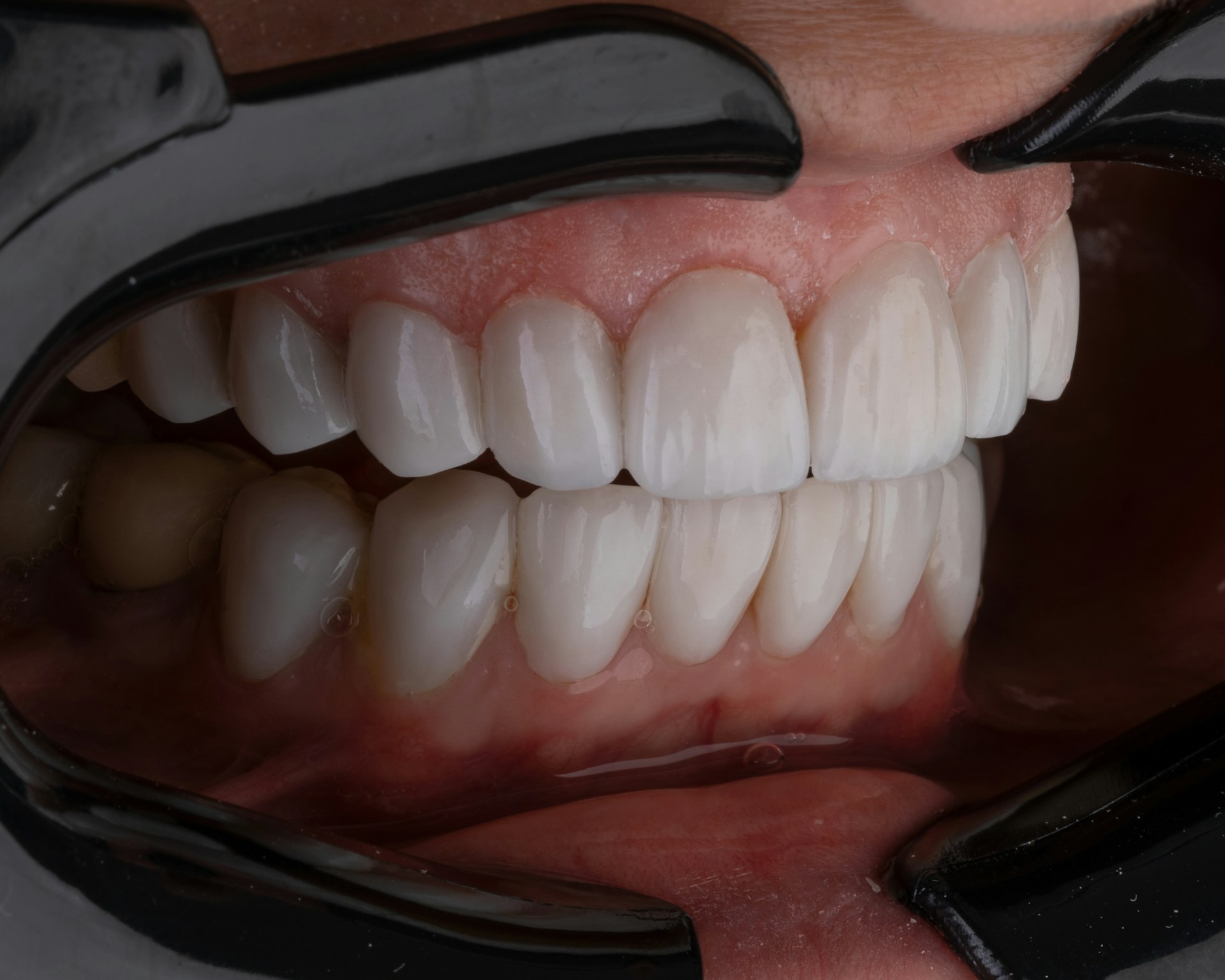
The Future of Dentistry May Be Here With Lab Grown Human Teeth
For decades, the sound of a dental drill has been enough to make people uneasy. Cavities, fillings, and root canals have long been a standard part of dental care, often associated with discomfort and anxiety. Many people delay dental visits simply because of the fear linked to these procedures. But what if those procedures could one day become obsolete? What if instead of drilling and filling, dentists could simply replace damaged teeth with brand new ones grown in a laboratory?
Recent scientific breakthroughs suggest that this once futuristic idea may be closer to reality than ever before. Researchers have successfully grown human teeth in laboratory conditions, opening the door to a revolutionary shift in how dental care is approached. This advancement is not just about improving cosmetic outcomes, it has the potential to fundamentally change oral health treatment worldwide and reduce the burden of chronic dental problems.
The concept of regenerating teeth is not entirely new. Humans naturally grow two sets of teeth during their lifetime, baby teeth and permanent teeth. However, once permanent teeth are lost or damaged, the body does not regenerate them. This limitation has driven scientists to explore ways to replicate the biological processes that allow teeth to form in the first place, using modern technology to mimic nature.
Now, with the help of stem cell research and tissue engineering, scientists are beginning to unlock the secrets of tooth development. Their work suggests that in the future, patients may be able to regrow natural teeth instead of relying on artificial solutions like fillings, crowns, or implants. This could mark a turning point in both dentistry and regenerative medicine.
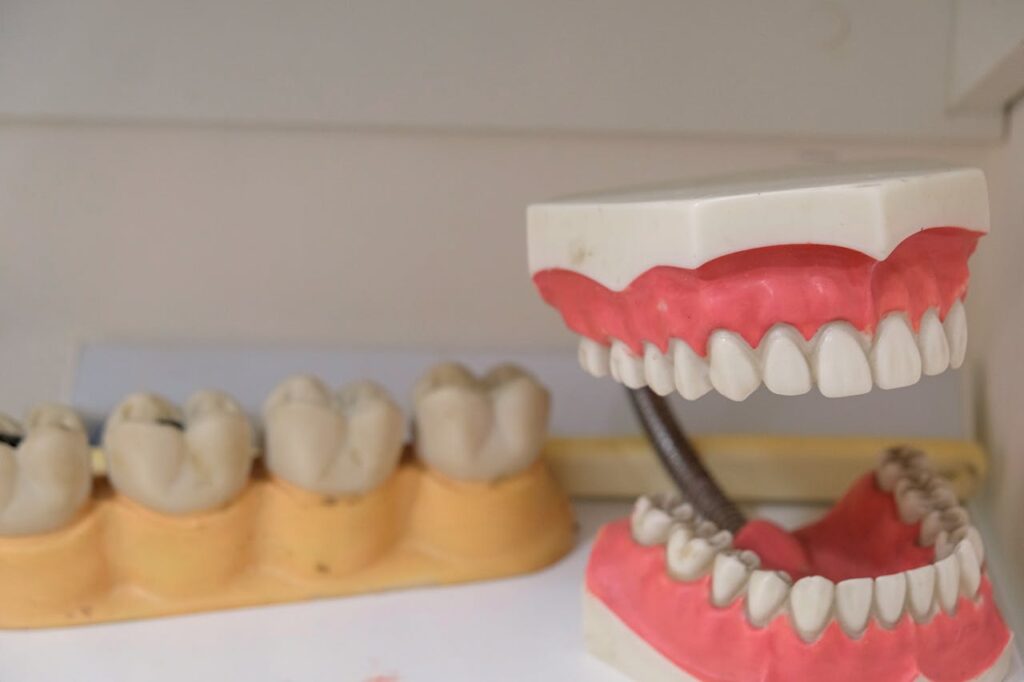
The Science Behind Growing Teeth in the Lab
At the heart of this breakthrough lies an intricate understanding of how teeth develop naturally. Teeth are formed through complex interactions between different types of cells, particularly epithelial and mesenchymal cells. These cells communicate with each other through chemical signals, guiding the growth and structure of a tooth from its earliest stages and ensuring proper formation.
Scientists have been working to replicate this process outside the human body. By isolating and combining the right types of cells, researchers have managed to create conditions where tooth like structures begin to form. These lab grown teeth are not just superficial replicas, they possess many of the same biological properties as natural teeth, making them highly promising for future use.
One of the most exciting aspects of this research is the use of stem cells. Stem cells have the unique ability to transform into various types of cells in the body. By directing stem cells to become dental cells, researchers can effectively initiate the process of tooth formation in a controlled environment that closely mimics natural development.
In recent studies, scientists successfully grew early stage human teeth in laboratory settings. These tooth structures demonstrated the ability to develop layers similar to enamel and dentin, which are essential components of real teeth. This level of biological accuracy marks a significant milestone in regenerative medicine and shows that the concept is more than just theoretical.
Why This Could Replace Fillings and Implants
Traditional dental treatments such as fillings and implants have served millions of people, but they come with limitations. Fillings, for example, are not permanent solutions. Over time, they can wear down, crack, or fall out, requiring repeated visits to the dentist and ongoing maintenance that can be costly and inconvenient.
Lab grown teeth offer a fundamentally different approach. Instead of repairing damage, they aim to replace it with something biologically identical to the original tooth. This means that the new tooth could integrate seamlessly with the surrounding tissue, including nerves and blood vessels, creating a more natural and functional result.
Another major advantage is longevity. A biologically grown tooth has the potential to last just as long as a natural one, reducing the need for repeated dental interventions. This could significantly improve quality of life for patients, particularly those who struggle with chronic dental issues or recurring decay.
Additionally, lab grown teeth could reduce the risk of complications often associated with artificial dental work. Issues such as infection, rejection, or improper fitting may become far less common when the replacement is made from the patient’s own cells, making treatments safer and more reliable.

The Challenges Scientists Still Face
Despite the excitement surrounding this breakthrough, there are still several hurdles to overcome before lab grown teeth become a routine part of dental care. One of the biggest challenges is ensuring that the teeth develop correctly and consistently. Growing a tooth in a lab is one thing, but making sure it forms with the right shape, size, and strength is another complex task.
Another significant obstacle is the time required for tooth growth. Natural teeth take months or even years to fully develop. Replicating this process in a way that is practical for patients will require further innovation and refinement, especially if the goal is to make treatments accessible and efficient.
There are also questions about how these lab grown teeth would be implanted into the human mouth. Scientists need to develop safe and effective methods for integrating the new teeth with existing bone and tissue. This step is crucial to ensure that the teeth function properly and remain stable over time without complications.
Finally, regulatory approval and large scale production present additional challenges. Before this technology can be widely adopted, it must undergo rigorous testing to ensure safety and effectiveness. This process can take years, but it is essential for bringing any new medical innovation to market responsibly.
What This Means for the Future of Dentistry
The potential impact of lab grown teeth extends far beyond individual patients. If successfully developed and implemented, this technology could transform the entire field of dentistry. Dentists may shift from repairing damage to regenerating natural tissue, fundamentally changing the way oral health is managed in the long term.
This innovation could also make dental care more accessible. In many parts of the world, access to advanced dental treatments is limited. Lab grown teeth could provide a more sustainable and long term solution, reducing the need for repeated procedures and lowering overall healthcare costs for patients.
Furthermore, this breakthrough could pave the way for other advancements in regenerative medicine. The techniques used to grow teeth may eventually be applied to other parts of the body, leading to new treatments for a wide range of conditions and injuries that currently have limited solutions.
Patients, too, stand to benefit in significant ways. The ability to regrow natural teeth could improve not only physical health but also confidence and quality of life. A healthy smile plays a crucial role in social interactions and self esteem, making this advancement particularly meaningful for many people.
When Could This Become a Reality
While the progress made so far is impressive, lab grown teeth are not yet ready for everyday use. Researchers are still in the early stages of development, and it may take several years before this technology becomes available to the public in a reliable and affordable form.
Clinical trials will be a critical next step. These trials will help determine how well lab grown teeth perform in real world conditions and whether they are safe for human use. The results of these studies will play a key role in shaping the future of this technology and guiding its adoption.
Experts suggest that it could take a decade or more before lab grown teeth become a standard treatment option. However, the pace of scientific advancement is accelerating, and breakthroughs are happening faster than ever before, offering hope that this timeline could shorten.
In the meantime, ongoing research continues to refine the techniques needed to grow and implant teeth. Each new discovery brings us one step closer to a future where dental drills and fillings may no longer be necessary, changing how people experience dental care. cells teeth, future of dentistry, tooth regeneration, science news, medical innovation, oral health
Featured Image Credit: Photo by Kamal Hoseinianzade | Unsplash
Source
- Zhang, X., Negrini, N. C., Correia, R., Sharpe, P. T., Celiz, A. D., & Volponi, A. A. (2024). Generating tooth organoids using defined bioorthogonally Cross-Linked hydrogels. ACS Macro Letters, 13(12), 1620–1626. https://doi.org/10.1021/acsmacrolett.4c00520