

NASA’s New Photo Of Earth Has Left People Seriously Confused For One Reason
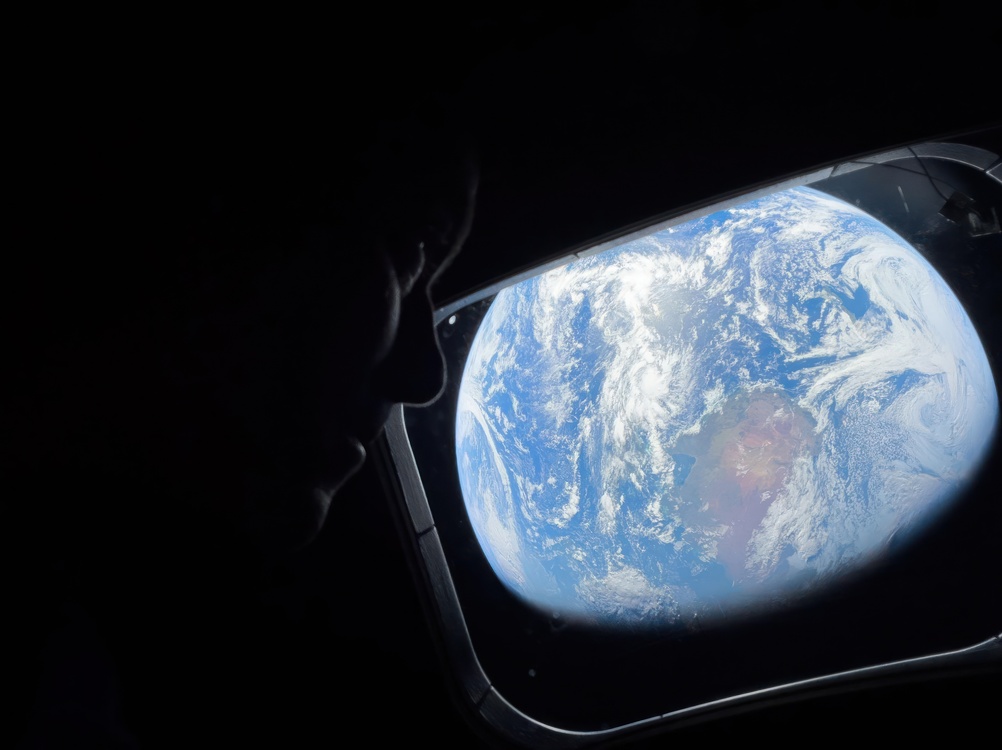
For a moment, it felt like the entire internet paused to take a closer look. NASA released a new image of Earth captured by the Artemis II crew as they traveled toward the Moon, and the reaction was immediate. People were drawn in by the quiet beauty of the photo, the way the planet appeared suspended in darkness, glowing softly against the vastness of space. It reminded many of how small everything is when seen from afar, how distance can strip away the noise of everyday life and leave only something simple and powerful behind.
But that sense of awe quickly turned into curiosity, and then into debate. As people began comparing the new image with one taken more than five decades ago, a single question started appearing again and again across social media. Why does Earth look better in a photo taken in 1972 than it does in one taken today? It is the kind of question that sounds simple at first, but the more you sit with it, the more it reveals about how people see technology, the planet, and even the passage of time itself.
Nasa’s Artemis II Mission Is Already Reshaping How We See Space
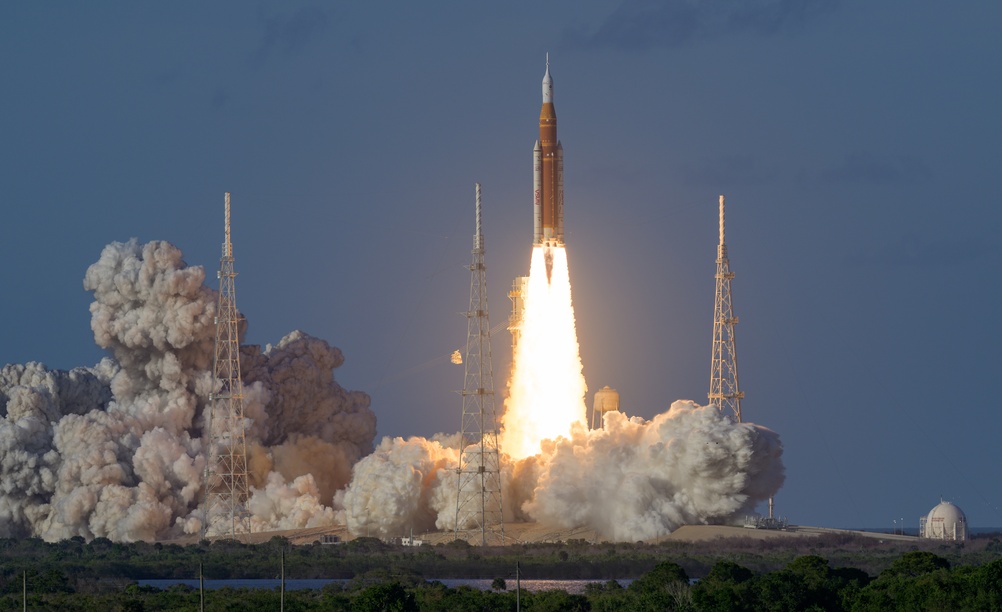
Artemis II is not just another space mission, and it is not only about capturing beautiful images. It is a major step forward in NASA’s long-term effort to return humans to the Moon and eventually send astronauts to Mars. The mission brought together four astronauts, Reid Wiseman, Victor Glover, Christina Koch, and Jeremy Hansen, who spent days traveling through deep space and conducting a wide range of observations during their journey.
During their seven-hour flyby of the Moon’s far side, the crew captured thousands of images using multiple cameras. These images documented impact craters, ancient lava flows, and fractures across the lunar surface. They also observed Earthrise and Earthset, and even captured views of a rare solar eclipse in space, including the Sun’s corona. According to NASA, the crew also reported seeing six meteoroid impact flashes on the Moon’s darkened surface.
Dr. Nicky Fox described the experience by saying, “Our four Artemis II astronauts — Reid, Victor, Christina, and Jeremy — took humanity on an incredible journey around the Moon and brought back images so exquisite and brimming with science, they will inspire generations to come.” That statement reflects both the emotional and scientific importance of what the crew achieved during this mission.
Scientists are now studying the data that has already been sent back to Earth. They are analyzing the images, audio recordings, and observational details to better understand the Moon’s geology and to refine knowledge about events like meteoroid impacts. These findings are expected to play a key role in shaping future missions and building a long-term human presence beyond Earth.
The Earth Image That Sparked a Global Debate
Even in darkness, we glow.
— NASA (@NASA) April 3, 2026
In this image of Earth taken by the Artemis II crew, we can see the electric lights of human activity. In the lower right, sunlight illuminates the limb of the planet. pic.twitter.com/kWcjHFvoDM
Among all the material released from the mission, one image quickly stood out. It showed Earth from a distance, captured by the Artemis II crew as they continued their journey. The image was described as “spectacular,” and it immediately caught the attention of people around the world.
NASA even compared the new image with a famous photograph taken during Apollo 17 in 1972, often referred to as “The Blue Marble.” The Artemis II version was given its own name, “Hello, World,” and the comparison between the two images quickly became the center of attention online.
At first glance, both images carry a similar emotional weight. They show Earth as a single, unified world without visible borders, floating quietly in space. But as people looked more closely, many began pointing out differences in clarity, brightness, and color.
Instead of simply celebrating the new image, many viewers focused on how it compared to the older one. That comparison sparked a wave of reactions, with people trying to make sense of why a modern image did not seem to match the visual impact of one taken decades ago.
Social Media Reactions Quickly Turned Into One Big Question
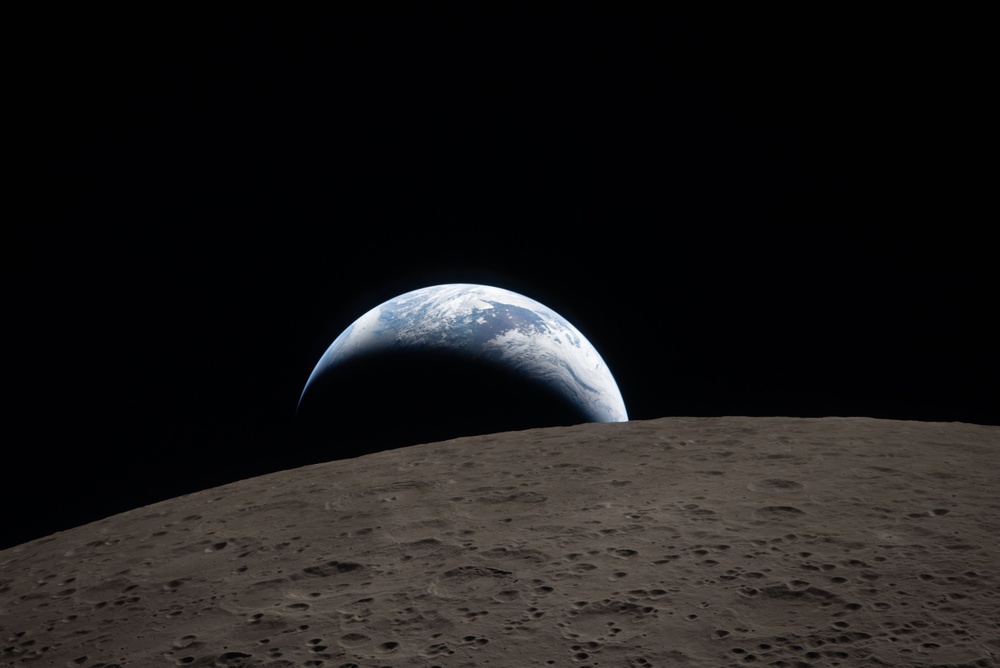
As the images spread online, the reactions came quickly and often sounded very similar. Many people felt that the Apollo-era image looked sharper and more vivid, while the newer Artemis II image appeared softer or less vibrant.
Some users openly questioned what they were seeing. One person said, “I don’t know if it’s the picture quality or atmosphere, but it looks dull now.” Another asked, “Why does the one from 1972 looks better?” These comments reflected a genuine sense of confusion rather than criticism.
Others went further, connecting what they saw in the image to broader concerns about the planet. A third user wrote, “The old Earth image looks sharper while this new image looks dull. Camera quality or climate change?” A fourth added, “What are we doing so wrong? The Earth looks pale. We are losing it.”
At the same time, many people stepped in to offer more grounded explanations. One person explained, “It’s a photo of the dark side illuminated by the moon. It’s been brightened. This is why you can see the borealis in it as well.” Another said, “The side of the Earth photographed in 2026 appears to be in nighttime. Hence the arc of brightness at the bottom right.” These responses helped shift the conversation toward understanding rather than speculation.
The Real Reasons the Images Look So Different
The difference between the two images comes down to a combination of factors, and none of them suggest that Earth itself has changed in the way some people feared. One of the most important factors is lighting. The Artemis II image appears to capture a part of Earth that is not fully illuminated by the Sun, which naturally creates a dimmer and less evenly lit appearance.
Another major factor is the type of camera technology used. The Apollo 17 image was taken using film, which often produces richer colors and stronger contrast. Film can make images appear more vivid, even if they are not necessarily more accurate representations of reality.
Modern images, including those from Artemis II, are often captured using digital cameras and processed with scientific accuracy in mind. This means they may look more neutral or less saturated compared to older film images. A user explained this clearly by saying, “Earth didn’t change – how we capture it did. The colour difference between the 1972 “Blue Marble” and modern Earth images comes down to technology.”
They continued by noting, “Apollo 17 used film cameras, which naturally boosted colour and contrast. Today, digital sensors, atmospheric correction, and colour calibration are used.” This explanation highlights how advancements in technology can sometimes change how images feel, even when they are more precise.
Capturing Earth From Space Is More Complex Than It Looks
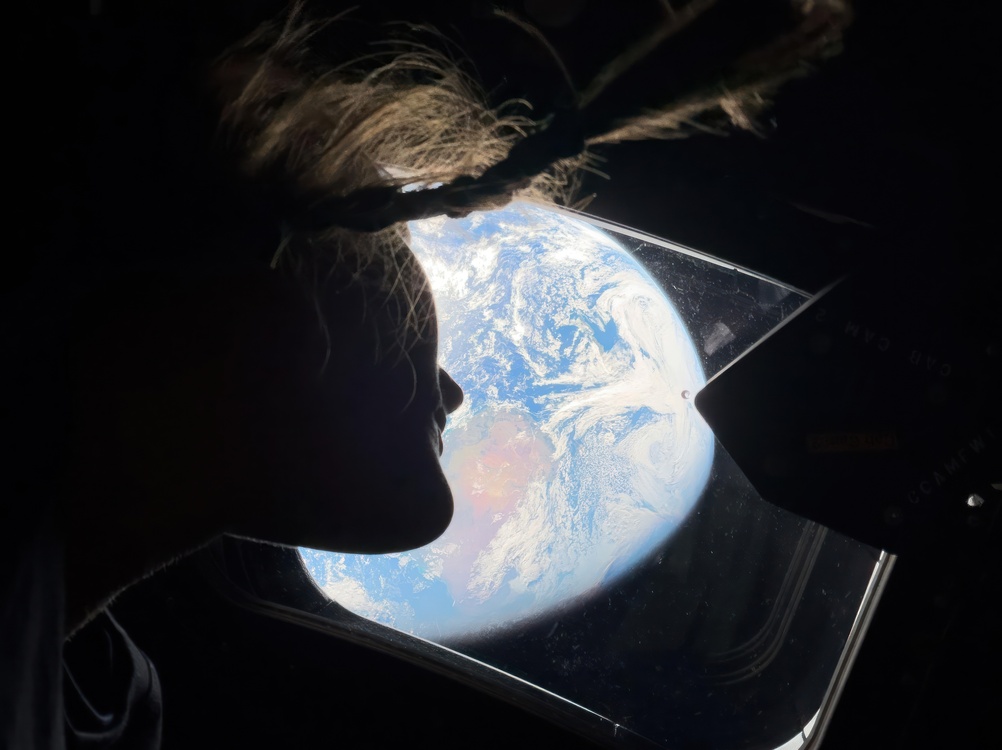
Taking a photograph of Earth from space is not as simple as pointing a camera and pressing a button. The Artemis II crew themselves spoke about how difficult it can be to capture what they were seeing.
Jeremy Hansen described the experience by saying the crew had a “beautiful view of the dark side of the Earth, lit by the Moon.” That description alone suggests how different the lighting conditions were compared to the Apollo 17 image.
Reid Wiseman also explained the challenge, saying, “It’s like walking out back at your house, trying to take a picture of the Moon. That’s what it feels like right now.” This comparison makes it easier to understand why the resulting images might not always match what people expect.
The crew used a combination of handheld Nikon D5 DSLR cameras and iPhones during the mission. Even with advanced equipment, factors like distance, lighting, and movement can all influence how an image turns out. This adds another layer of complexity to interpreting what we see in these photos.
The Bigger Picture Behind a Single Photo of Earth
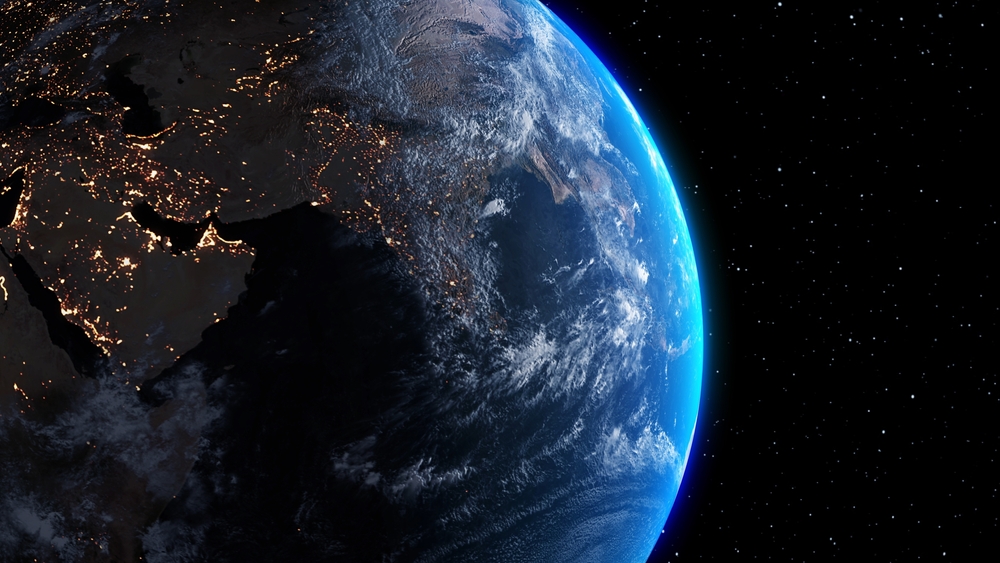
One of the most powerful aspects of seeing Earth from space is the way it changes how people think about the world. These images have a long history of shaping public perception, from the Apollo missions to today.
David Melendrez spoke about this idea, saying, “When you see all the strife and the things that are going on in the world today, I think it’s really important to see us as a whole.” He continued, “You look at that picture – there’s no borders in that picture, it’s just all of us. I think that’s one of the biggest things we can take out of this, is reminding everybody, everybody, that that’s our home. And we all have to share it.”
That message has remained consistent across generations of space exploration. Each new image of Earth offers another opportunity to reflect on what connects people rather than what divides them.
The debate over image quality may continue, but it does not take away from the deeper meaning behind the photo. If anything, the fact that so many people care enough to compare and question these images shows how powerful they still are.
Featured Image Source: Shutterstock