

The Human Skill Behind Technical Drawings Before AutoCAD
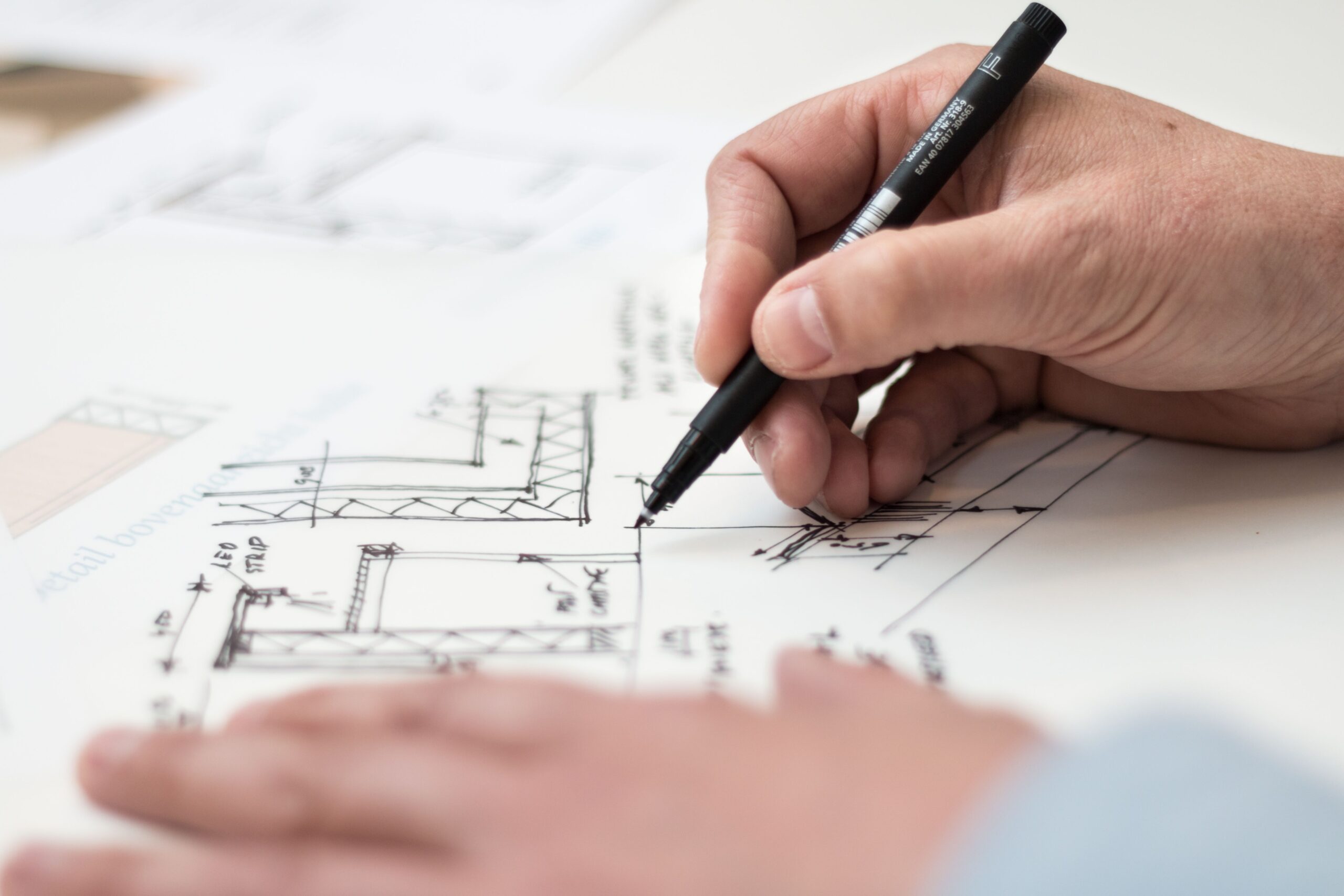
Old photographs of drafting offices can make the past look exhausting. Dozens of people sit beneath lamps, bent over large drawing boards, surrounded by rulers, pencils, tracing paper, and instruments that seem almost impossibly precise today.
Yet the people who actually worked in those rooms often remember something very different. They remember skill, concentration, pride, and a kind of craftsmanship that is difficult to see when the finished drawing is reduced to a photograph.
The Rooms Were Packed With Skilled Hands
Before computer-aided design became commonplace, technical drawings were made by hand. A drafter could spend hours working over a single sheet, carefully constructing lines and lettering with tools that demanded consistency and patience.
John D. Wilham recalled working between 1958 and 1965 in a room containing roughly 60 or 70 drafting boards. The office had only one 100-key calculator for everyone, along with a single letter-size copier that workers shared.
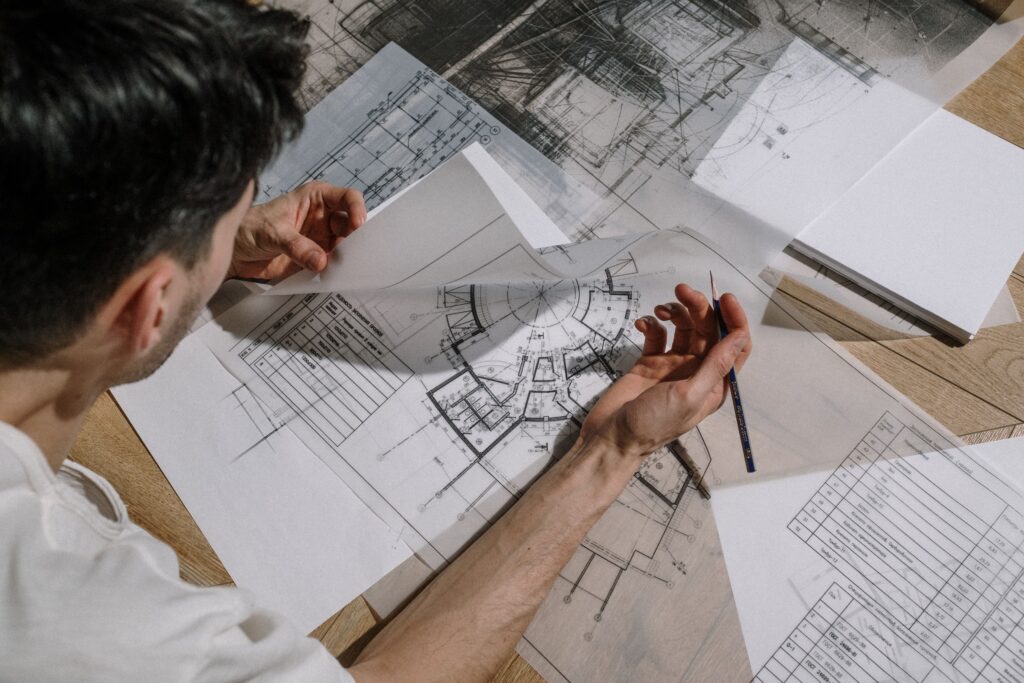
That detail gives the photographs a different feeling. These were not empty, quiet studios where someone occasionally sketched an idea. They were busy workplaces filled with people producing technical drawings that companies depended on.
The equipment was basic by modern standards, but the work required considerable control. A misplaced line or poorly executed piece of lettering could mean more time correcting the drawing.
The Tools Tell Their Own Story

The objects scattered across old drafting desks reveal how much of the process depended on the worker’s hands. Pencils, erasers, rulers, compasses, French curves, set squares, and T squares were only the beginning.
Keith Gibney remembered an even longer list of supplies, including tracing paper, plastic, razor blades, lighter fluid, stencils, Letraset, and several types of technical pens. He described them as “All essential tools in producing works of art.”
For people used to clicking a mouse and watching software generate a perfectly straight line, the patience involved is easy to underestimate. Every line had to be physically placed. Lettering had to be practiced. Corrections required actual work.
Carolina Drews, who learned drafting in the late 1980s, remembered taking particular pride in those skills. “I took pride in my line work and my lettering became quite good,” she wrote.
That pride is perhaps the hardest thing to capture in a vintage photograph. A desk full of tools tells us how the work was done. It does not show how much mastery could develop through using them.
Paper Drawings Were Never As Permanent As People Think

There is one popular claim that has repeatedly accompanied photographs from the era, and former drafters have pushed back against it.
The claim says paper-based design could not really be changed once it had been put on paper. Tom Jennings strongly disagreed, writing, “Of course paper drawings can be edited.”
The distinction is important. Editing a paper drawing was certainly more laborious than editing a digital file, but that does not mean the drawing was frozen forever.
Wilham remembered working on vellum, with some drawings inked directly onto the surface. Ink could make changes harder because removing and correcting marks took additional effort. That was a practical limitation, not an absolute one.
The difference between the old system and modern software was therefore less about whether revision was possible. It was about how much time revision demanded.
A digital drawing can be changed with a few commands. A physical drawing might require careful erasing, scraping, replacing sections, redrawing, or reproducing the sheet. The technology changed the economics of correction, but it did not suddenly introduce the idea of revision.
The Future Had Already Appeared In 1963
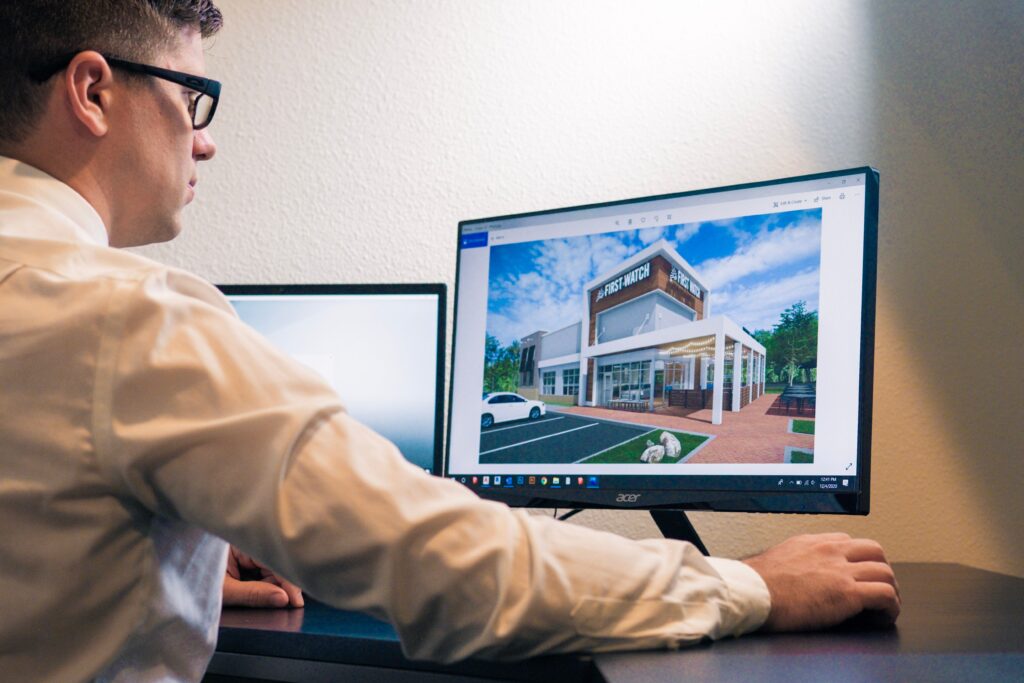
The most fascinating part of this history may be how early computer-assisted drawing actually emerged.
In 1963, MIT doctoral candidate Ivan Sutherland submitted his thesis, “Sketchpad: A Man-Machine Graphical Communication System.” The system ran on the TX-2 computer at Lincoln Laboratory and allowed a person to draw on a screen using a light pen.
The idea sounds familiar because modern design software ultimately developed many of the same basic concepts. The computer could hold geometric information while the user interacted with the drawing visually.
Sketchpad appeared 19 years before AutoCAD shipped its first version. Engineers at organizations including Boeing, Ford, Citroen, MIT, and General Motors were already exploring computer-assisted design during the 1960s.
Yet the drawing boards remained.
That delay is revealing. Having a technology in existence is very different from having technology that ordinary workplaces can afford, operate, and integrate into daily work.
AutoCAD Changed The Equation

AutoCAD was demonstrated at COMDEX in Las Vegas in November 1982, with Version 1.0 shipping that December.
Earlier CAD systems could be extremely expensive. The source article places some of those systems at roughly $80,000 to $150,000 per seat. AutoCAD launched at around $1,000.
That price difference helps explain why the transition eventually accelerated. The crucial change was not simply that computers could draw. Computers had been capable of assisting with graphical design for years.
The technology finally became accessible enough for much broader use.
For workers who had spent years mastering physical drafting, this represented a profound change in their profession. Software could make many operations faster and reduce the time required for corrections, duplication, and other repetitive tasks.
But efficiency came with a cultural change too. Some of the physical craft surrounding drafting began disappearing from ordinary workplaces.
There Was One Part Nobody Missed
Nostalgia can make old workplaces look cleaner and more romantic than they actually were. Former drafters themselves remember plenty of unpleasant details.
One involved the ammonia used in some reproduction processes. Diazo machines could produce copies of drawings by exposing chemically coated paper to ultraviolet light and then developing the image with ammonia fumes.
Murray, who began mechanical drafting in Australia in 1978, still remembers the tools and the “amazing Mylar drawings” his workplace produced.
He has less affection for changing the ammonia bottle. “One thing I don’t miss is the smell of the ammonia when it was my turn to change the bottle on the large printer! Would just about knock you out if you didn’t do it right!” he recalled.
That detail makes the memories feel more human. People can miss their old work without pretending every part of it was wonderful.
The Profession Did Not Simply Disappear
It would be easy to look at the arrival of CAD and imagine that drafting vanished overnight. The reality is more complicated.
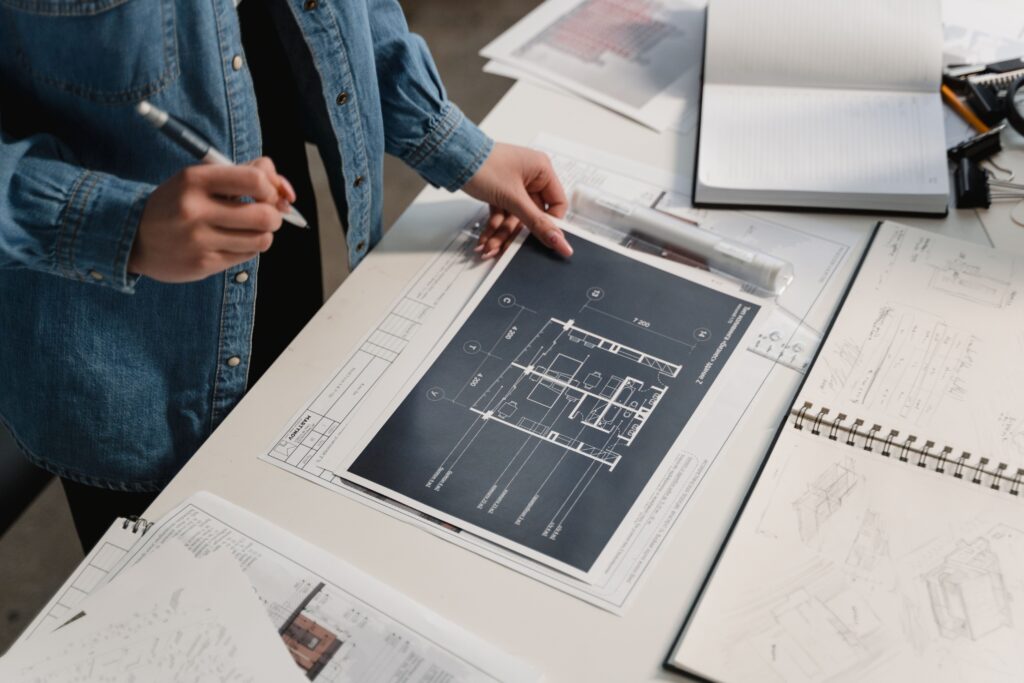
The U.S. Bureau of Labor Statistics counts around 180,200 drafting jobs and projects employment to grow about 1% between 2025 and 2035. The field has changed substantially, but it remains part of the workforce.
Technology has also altered who performs certain tasks. CAD and building information modeling allow engineers and architects to handle work that once might have been passed to dedicated drafting staff.
That shift helps explain why the old photographs can feel both familiar and distant. The workplace changed, but the underlying need for accurate technical drawings did not disappear.
Why Those Old Drawings Still Feel Different
Perhaps the strongest reaction to these photographs comes from realizing how much visible human effort went into something that software now makes look effortless.
Jim, who trained as an architectural draftsman in the early 1960s, acknowledged what modern software achieved. He also defended the quality of the earlier work, saying, “Auto-cad may have improved the process, but I can tell you that some of the products of the old days were truly works of art.”
Deniece, who studied drafting in high school and later worked as a drafter for the Navy, offers another perspective. She remains in the profession at 60 and worries that “Nobody cares about the aesthetic value of their work.”
That may be the detail worth holding onto when looking at these photographs.
Technology is very good at removing friction from work. It can make a task faster, cleaner, and easier to repeat. But when a tool removes the difficult parts of a craft, it can also make the human skill behind the finished product harder to notice.
The old drafting boards were not simply relics of an inefficient age. They were workplaces where people developed remarkable control over their tools and took genuine pride in what they produced.
Deniece put that feeling more simply than any photograph could: “It’s nice to say that I still love what I do.”