


Why Fatherhood Reshapes the Male Mind
There are moments in life that divide everything into a “before” and an “after.” Watching a child enter the world is one of them. Most conversations about that life-changing experience focus on the baby or the mother. Far less attention is given to the father, whose transformation often unfolds quietly, without ceremony or recognition.
Science is beginning to reveal something remarkable. Fatherhood is not simply a new responsibility that men learn to manage. It is a biological and neurological transition that reshapes the brain itself. As fathers adapt to caring for a child, their brains change in ways that influence how they think, feel, connect, and respond. The more involved they become, the more profound those changes appear to be.
For generations, many men have carried the emotional weight of fatherhood in silence. Modern neuroscience suggests there is a deeper story worth telling, one that challenges long-held assumptions about what it means to become a father and why that journey deserves far more understanding than it often receives.
The Quiet Science Behind a Father’s Transformation
For decades, researchers concentrated almost exclusively on motherhood when studying how becoming a parent changes the brain. Pregnancy, childbirth, and breastfeeding produce dramatic hormonal shifts, making mothers an obvious focus for scientific research. Fathers were often viewed as supporters whose biological role ended with conception.
That picture has changed dramatically.
Researchers from universities around the world have found that fathers experience measurable hormonal and neurological changes before and after the birth of a child.

These changes are not accidental side effects. They appear to be part of an ancient biological system that prepares men to care for their children.
Primatologist Sarah Blaffer Hrdy argues that human fathers possess the biological capacity to become deeply nurturing caregivers. Rather than being a modern social invention, involved fatherhood may be rooted in evolutionary adaptations that have existed throughout human history. According to her work, the ability to care for children has always been present, waiting for the right circumstances to activate it.
That idea has profound implications. It suggests that caring fathers are not fighting against their biology. They are expressing it.
The Brain Begins Preparing Earlier Than Most People Realize
Many people assume fatherhood begins in the delivery room. Research tells a different story.
Long before a baby is born, an expectant father’s body is already responding to the coming change. Learning that a child is on the way often triggers powerful neurological activity associated with attention, motivation, and learning.
Neuroscientists explain that the announcement of an expected child stimulates brain chemicals linked to reward, focus, and adaptation. Dopamine contributes to feelings of anticipation and joy, while other neuromodulators help prepare the brain for rapid learning during a period filled with unfamiliar experiences.
This early preparation makes practical sense. Parenthood demands an enormous amount of new knowledge in a very short time. Future fathers suddenly find themselves learning about pregnancy, childbirth, infant care, safety, finances, and family planning. The brain appears to respond by becoming more adaptable, ready to absorb information that suddenly carries tremendous personal importance.
Researchers have also observed hormonal changes during pregnancy itself. James K. Rilling and his colleagues discovered that testosterone and vasopressin begin decreasing months before birth. Fathers with greater hormonal changes often became more involved with both their partners during pregnancy and their babies after birth. Scientists are still investigating exactly what triggers these shifts, but the evidence suggests that becoming emotionally invested in fatherhood begins well before a newborn arrives.
The transition into fatherhood, it turns out, starts much earlier than most people ever imagined.

Why Lower Testosterone Can Be a Good Thing
Testosterone is often associated with confidence, competitiveness, and physical strength. Because of that reputation, hearing that fatherhood lowers testosterone may sound alarming at first.
Researchers see it differently.
Anthropologist Lee Gettler has spent years studying fathers across different cultures. His research followed hundreds of young men over several years, comparing hormone levels before and after they became fathers.
The results were striking.
Men who became fathers showed significantly lower testosterone than those who remained childless. Fathers who spent more time caring for infants experienced even greater reductions. Those who shared sleeping spaces with their babies also showed lower testosterone levels.
Rather than representing a loss, scientists believe these changes help fathers shift priorities.
Lower testosterone appears to reduce behaviors associated with competition while strengthening traits linked to caregiving. Fathers often become more attentive to infant cries, more patient during caregiving, and more emotionally available to their children.
From an evolutionary perspective, this makes perfect sense. Raising a vulnerable child requires cooperation, protection, and responsiveness. Biology appears to help fathers move toward those qualities at exactly the time their families need them most.
The Love Hormone Is Not Reserved for Mothers

Oxytocin has become widely known as the “love hormone” because of its role in childbirth, breastfeeding, and emotional bonding. For years, it was discussed almost exclusively in relation to mothers.
Scientists now know fathers experience important oxytocin changes as well.
Studies have found that fathers who spend more time holding, playing with, and caring for their babies often experience increases in oxytocin. The hormone appears to reinforce emotional attachment, making fathers more attentive and responsive during interactions with their children.
James Rilling describes research in which fathers given oxytocin became noticeably more engaged while interacting with their infants. Their increased attentiveness suggested that the hormone helps amplify caregiving behaviors rather than simply reflecting existing affection.
Perhaps even more fascinating is the cycle this creates.
Time spent with a child increases oxytocin. Higher oxytocin encourages more interaction. Those additional interactions strengthen the emotional bond even further.
Love, in this sense, becomes something the brain actively reinforces through repeated moments of connection.
It also highlights why active involvement matters. Emotional closeness is not built solely through feeling. It develops through everyday experiences that continually reshape the brain.
Fatherhood Literally Reshapes the Brain
Hormones tell only part of the story.
Modern brain imaging has begun revealing physical changes inside the brains of new fathers, offering some of the strongest evidence yet that fatherhood is a genuine neurological transition.
One study from RWTH Aachen University followed first-time fathers during the first six months after childbirth. Researchers scanned their brains repeatedly, observing changes that unfolded over time rather than all at once.
During the first three months, gray matter volume decreased in several regions associated with attention, sensory processing, and decision-making. While that might initially sound concerning, neuroscientists interpret this as part of an efficient remodeling process. The brain was reorganizing itself rather than losing function.
As the months progressed, other areas began increasing in volume.
Researchers identified important changes within the anterior cingulate cortex, a region involved in anticipating tasks and managing competing demands. Other changes appeared in the substantia nigra, which plays a role in motivation and reward, as well as stronger connectivity involving the amygdala, an area central to emotional attachment.
Taken together, these findings suggest that the brain is adapting to one of life’s most demanding new roles.
A father suddenly has to anticipate needs before they are expressed, respond quickly to unfamiliar situations, divide attention across countless responsibilities, and form lasting emotional bonds with a completely dependent human being.
The brain appears to reorganize itself to support exactly those challenges.
A Second Adolescence for the Adult Brain
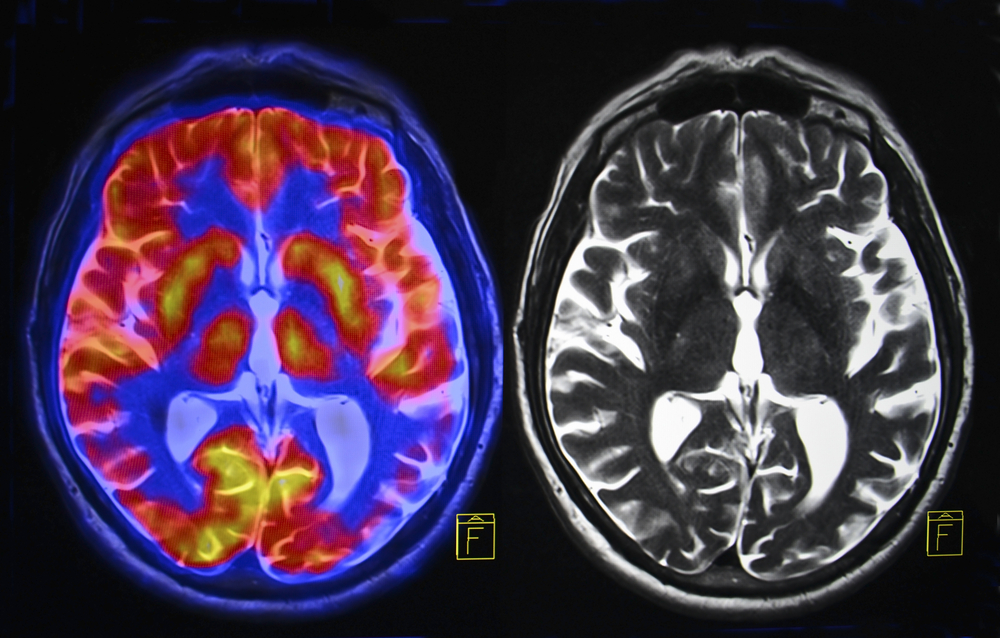
One of the most intriguing ideas emerging from recent neuroscience compares fatherhood to adolescence.
Darby Saxbe, whose research focuses on family neuroscience, describes parenthood as another major developmental window in adult life. Much like adolescence, becoming a father requires the brain to absorb new experiences, adapt to unfamiliar roles, and build new patterns of thinking.
Brain scans of first-time fathers support that comparison.
Researchers observed measurable neural changes after children were born, particularly among men who already felt strongly connected to their unborn babies or planned to take extended parental leave. Those fathers often showed more pronounced changes than less involved fathers.
The findings point toward an encouraging message.
Fatherhood is not a fixed instinct that some men naturally possess while others do not. Like many aspects of the brain, it appears to strengthen through experience.
The more time fathers spend feeding, comforting, carrying, reading, playing, and simply being present with their children, the more opportunities the brain has to reinforce the neural pathways that support nurturing behavior.
This reflects one of neuroscience’s most consistent principles: the brain grows stronger in the areas we use most often.
For fathers, everyday moments that might seem ordinary could be shaping their minds in extraordinary ways.
Why Connection Changes the Brain More Than Biology Alone
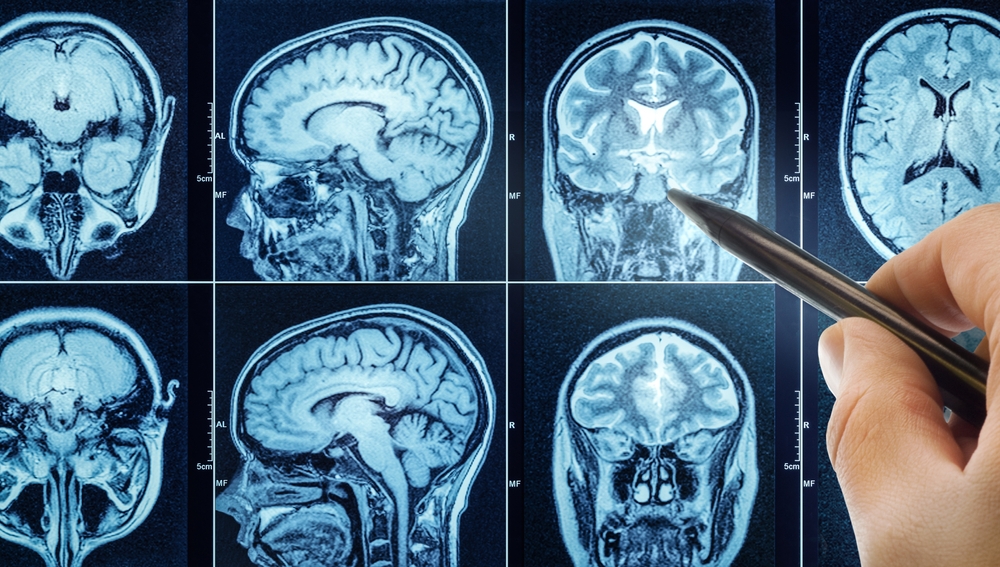
One of the strongest themes running through fatherhood research is that biology lays the foundation, but experience shapes the outcome.
Scientists often describe the brain as following a “use it or lose it” principle. Neural pathways that are activated repeatedly become stronger over time, while those that receive little stimulation gradually weaken. Fatherhood appears to follow the same pattern.
Sarah Blaffer Hrdy believes every human brain carries what she calls an “alloparental substrate,” a built-in capacity for caregiving that can be activated under the right conditions. In other words, men are not born with fixed limits on how nurturing they can become. Their brains retain the potential to grow into that role through meaningful involvement with their children.
That idea is supported by studies comparing different family structures.
In one widely discussed study, researchers scanned the brains of heterosexual couples raising children together and gay fathers who served as their children’s primary caregivers. Among heterosexual couples, mothers generally showed stronger activation in brain regions linked to instinctive caregiving, while fathers displayed greater activity in areas associated with social processing and decision-making.
The picture changed dramatically when researchers looked at gay fathers who were primary caregivers. Their brains showed activation patterns that closely resembled those typically associated with maternal caregiving, while also retaining the social processing seen in fathers.
The implication was striking.
The caregiving role itself appeared capable of reshaping the brain, regardless of gender. The more responsibility someone took for nurturing a child, the more their brain adapted to support that role.
This challenges the old assumption that mothers and fathers are biologically locked into completely different parenting abilities. Instead, it suggests that the human brain is remarkably flexible, responding to the realities of caregiving rather than rigid stereotypes.
Every Ordinary Moment Is Also Brain Training

It is easy to think that meaningful parenting happens only during life’s biggest milestones.
The first steps.
The first words.
Graduation.
Yet neuroscience points toward a different conclusion. The ordinary moments may be doing just as much work.
Holding a baby during a sleepless night.
Reading the same bedtime story for the hundredth time.
Teaching a child to ride a bicycle.
Answering endless questions during a walk through the park.
These experiences constantly challenge a father’s attention, emotional regulation, memory, patience, and empathy. Every interaction asks the brain to process new information while balancing the needs of another person.
Neuroscientist Michael Merzenich has described these experiences as powerful forms of brain exercise. Child-rearing introduces an endless stream of meaningful, unpredictable situations that require learning, adaptation, and problem-solving. Since the brain changes most readily when something feels deeply important, raising a child creates ideal conditions for lifelong neurological growth.
Parents often notice this transformation in subtle ways.
Many fathers become more patient than they ever imagined possible.
Others discover emotional sensitivity they rarely expressed before.
Some develop a heightened awareness of risk, instinctively scanning unfamiliar places for potential dangers before their children even notice them.
These shifts are not simply changes in personality.
They reflect an evolving brain responding to one of the most significant responsibilities a person can undertake.
The Emotional Weight Many Fathers Carry Alone

While science has become increasingly interested in the biology of fatherhood, another reality receives far less attention.
Many fathers struggle emotionally without feeling they have permission to say so.
Becoming a parent brings joy, excitement, and love. It can also bring fear, uncertainty, financial pressure, exhaustion, changing relationships, and questions about identity. These experiences are common, yet many men feel expected to manage them quietly.
Researchers and clinicians have begun describing this hidden burden as the mental load of fatherhood.
It includes the constant awareness of providing for a family, protecting children, making responsible decisions, and wondering whether every choice is the right one. For many fathers, these concerns continue long after the workday ends.
Some also carry memories of their own childhoods.
A father who experienced emotional distance growing up may work tirelessly to become more emotionally available than his own parent ever was. Another may quietly worry about repeating mistakes he witnessed years earlier.
These internal conversations rarely appear on the surface.
Instead, they remain private, even while the father’s brain is simultaneously adapting to become more emotionally responsive.
Neuroscientists warn that suppressing emotions carries consequences. Chronic emotional suppression places stress on the brain’s ability to regulate feelings effectively and has been associated with anxiety, depression, relationship strain, and social isolation. When fathers feel unable to acknowledge their emotional experiences, the effects can extend beyond the individual to the entire family.
Children often learn emotional habits by observing the adults around them.
A father who believes he must never express vulnerability may unintentionally teach the same lesson to the next generation.
The opposite can also be true.
When children see a father expressing care, affection, sadness, or uncertainty in healthy ways, they receive permission to understand their own emotions with greater honesty.
Why Supporting Fathers Benefits Everyone

The growing body of fatherhood research carries implications that reach far beyond individual families.
Scientists increasingly argue that fathers should be included much earlier in conversations about pregnancy, childbirth, and parenting.
Lee Gettler has suggested that attending prenatal appointments, participating in ultrasounds, and becoming actively involved before birth may help strengthen the biological transition already taking place during pregnancy. The father’s brain is beginning to prepare long before delivery, making early involvement especially valuable.
Researchers also continue to highlight the importance of family policies that encourage fathers to spend meaningful time with newborns.
Longer parental leave, flexible work arrangements, and workplace cultures that value active fatherhood give men more opportunities to build the experiences that strengthen paternal attachment.
These investments appear to benefit everyone.
Studies from several countries have linked greater paternal involvement with improved maternal mental health. Mothers who feel supported by actively engaged partners often report lower stress and better emotional well-being during early parenthood.
Children benefit as well.
A long-term study following hundreds of families found that children with attentive fathers demonstrated better cardiovascular health years later. Interestingly, the researchers noted that paternal involvement showed a particularly strong relationship with these outcomes, highlighting that fathers contribute unique influences to child development rather than simply duplicating the mother’s role.
The message emerging from these findings is refreshingly balanced.
Healthy families are not built by expecting one parent to carry every responsibility.
They flourish when both parents are supported in becoming fully present, emotionally connected caregivers.
Fatherhood May Be One of Life’s Greatest Opportunities for Growth
Much of modern life celebrates personal achievement.
Career milestones.
Financial success.
Recognition.
Yet fatherhood invites a different kind of growth, one measured less by accomplishment than by presence.
The science now suggests that becoming a father is one of adulthood’s most significant periods of neurological development. Hormones shift. Brain networks reorganize. Emotional circuits strengthen. New patterns of attention and empathy emerge.
None of these changes happen overnight.
They unfold through thousands of ordinary moments that slowly reshape the person holding the child.
Perhaps that explains why so many fathers describe parenthood as changing them in ways they never expected.
Not because a child demanded perfection.
Because a child invited transformation.
The remarkable discovery is that the brain appears ready for that invitation long before most men even realize it.
Every bedtime story, every comforting embrace, every difficult conversation, and every quiet moment of simply being there becomes part of an ongoing process of growth that extends far beyond childhood itself.
For many fathers, raising a child is also an opportunity to become someone they never knew they could be.
The child is learning about the world.
The father, quietly and continuously, is learning about himself.