

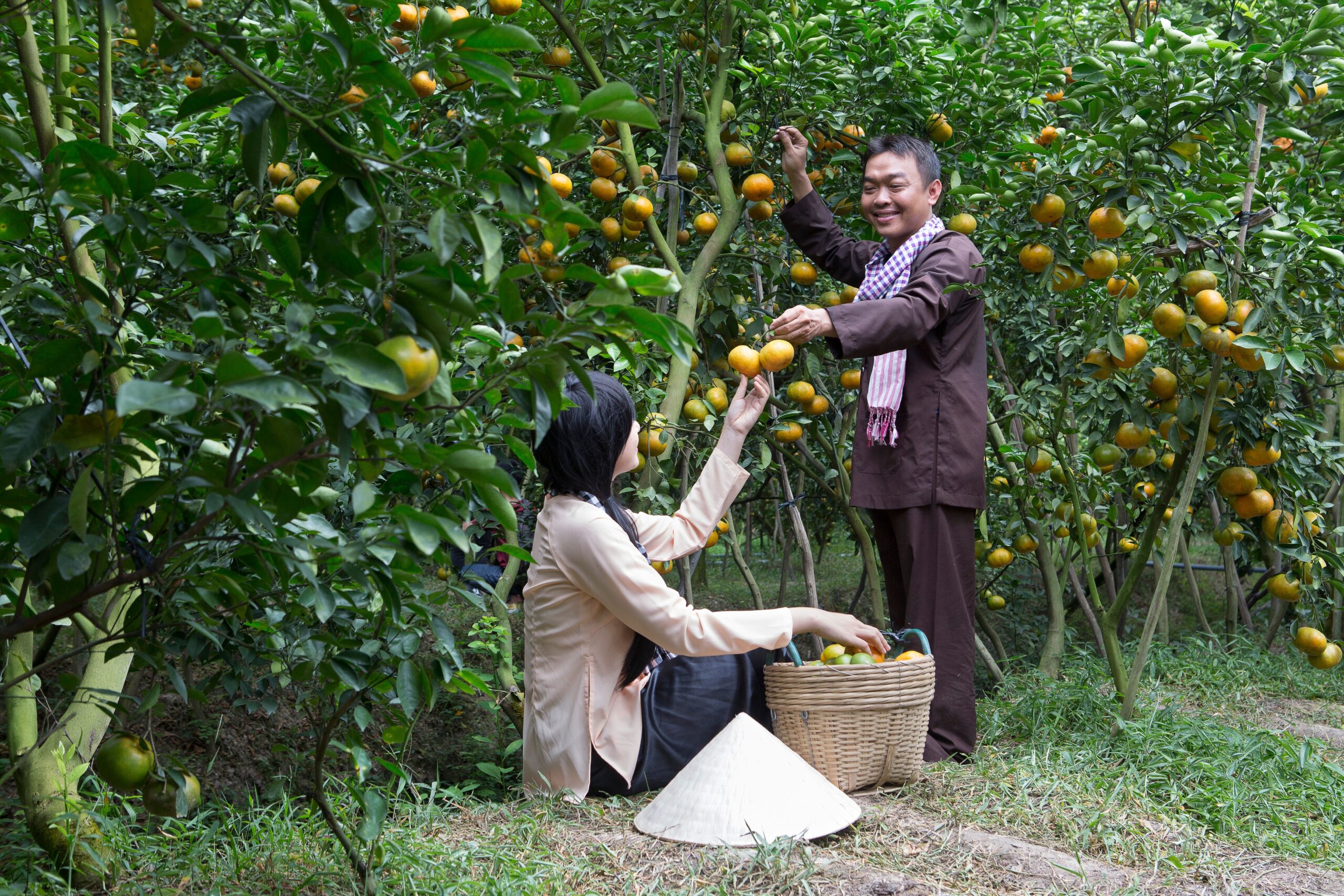
Most cities fill their parks with trees chosen for appearance. They provide shade, brighten the landscape, and make neighborhoods feel more inviting. Yet few people expect those same trees to offer something they can actually eat.
Across the northern tip of New Zealand’s South Island, that expectation has quietly changed. Parks, walking paths, schools, and roadside green spaces have become places where anyone can stop, reach up, and pick a fresh apple, plum, pear, or walnut without paying a cent. The fruit is not reserved for landowners or protected behind fences. It belongs to the community.
What began as a local response to growing health concerns has evolved into something much larger. It has become a different way of thinking about public land, generosity, and the relationship between people and the places they share. Instead of asking how beautiful a park can look, communities began asking another question: What if these spaces could also nourish the people who walk through them every day?
A Simple Idea That Grew Into Something Extraordinary
Many meaningful changes begin with surprisingly ordinary questions.
In the early 2000s, health officials in New Zealand’s Nelson Marlborough region were confronting an uncomfortable reality. Obesity rates were climbing, and traditional public health campaigns encouraging people to eat more fruits and vegetables were producing limited results.
Advice alone was not enough.
Fresh produce often costs more than processed food. Busy families frequently choose convenience over nutrition, not because they lack knowledge but because healthier options are not always affordable or easily available.
Rather than focusing solely on education, the Nelson Marlborough District Health Board looked at the environment itself.
If healthy food became part of everyday life instead of something people had to search for, perhaps healthier habits would naturally follow.
That idea eventually became Open Orchards, an initiative that encouraged councils and community organizations to plant fruit and nut trees across publicly accessible land.
Instead of creating isolated community gardens that required membership or supervision, the project integrated edible landscapes into places people already visited every day.
Children walking home from school.
Parents pushing strollers through local parks.
Older residents taking their morning walks.
Visitors exploring the region.
Every one of them could benefit from the same trees.
It was a remarkably simple concept, yet it challenged assumptions that had shaped urban planning for generations.
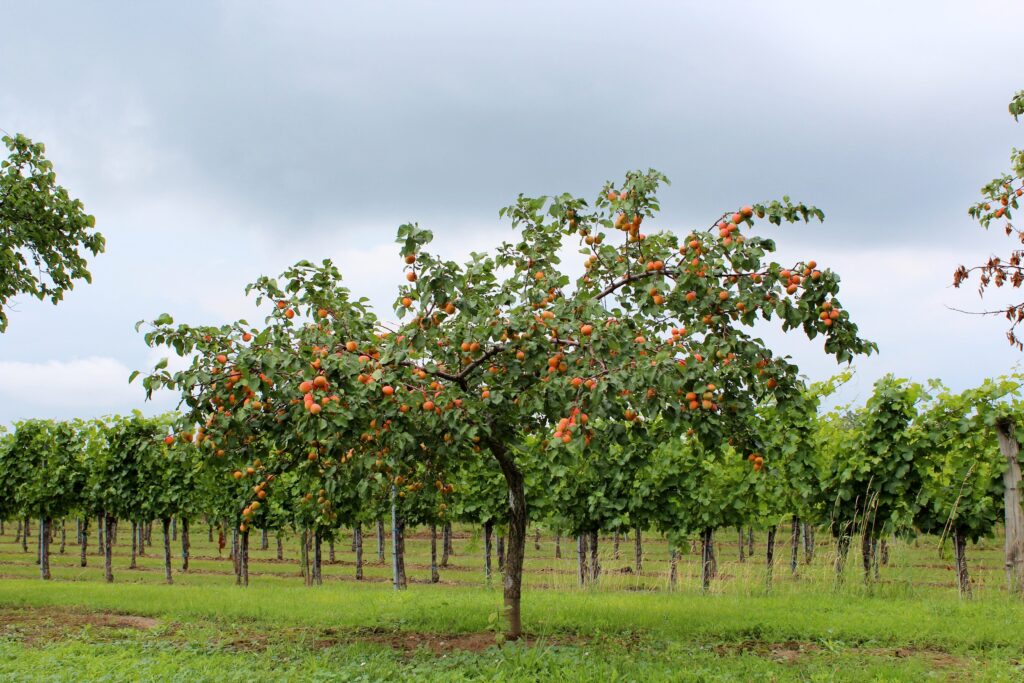
Public Spaces Can Feed More Than Our Eyes
For decades, city planners across much of the world prioritized ornamental landscaping.
Flowering trees looked attractive.
Decorative shrubs framed public buildings.
Large lawns created open recreational spaces.
While these features certainly have value, they rarely contribute to local food systems.
New Zealand’s approach suggested another possibility.
An apple tree provides blossoms in spring, shade during summer, color in autumn, and food when its fruit ripens.
A walnut tree becomes both habitat and harvest.
A plum tree transforms from a beautiful flowering plant into a seasonal source of fresh produce that anyone can enjoy.
Rather than choosing between beauty and usefulness, communities discovered they could have both.
The shift may appear modest, yet it quietly changes how people experience shared spaces.
Instead of walking through parks as passive visitors, residents become participants in a living landscape.
Children begin noticing when fruit starts forming.
Families look forward to seasonal harvests.
Neighbors exchange tips about which trees are ready.
A public park slowly becomes part of everyday life in ways that go beyond recreation.
Teaching Children Where Food Really Comes From
One of the most remarkable aspects of Open Orchards has little to do with fruit itself.
Its greatest harvest may be education.
Modern children often grow up surrounded by packaged food without ever witnessing how it reaches their plate. Supermarket shelves remain stocked year-round, making it easy to forget that every apple, peach, or pear once began as a flower on a tree.
Schools participating in the initiative help reconnect children with that natural process.
Students help plant trees.
They water gardens.
They learn about composting.
They prepare simple meals using ingredients they helped grow.
These experiences create lessons that no classroom presentation can fully replace.
Watching blossoms appear before fruit teaches patience.
Caring for plants introduces responsibility.
Harvesting food reveals that nourishment requires time, effort, and cooperation.
Teachers involved with these programs have observed something interesting.
Children who participate in growing food often become much more willing to eat fruits and vegetables.
The difference is understandable.
A carrot picked from soil feels different from one pulled from supermarket packaging.
An apple gathered from a tree carries a story.
The child remembers watering the tree during dry weeks.
They remember watching bees visit its blossoms.
They remember waiting through changing seasons.
Food becomes personal.
That emotional connection encourages healthier eating habits far more effectively than simply telling children what they should eat.
Learning That Nature Works Together
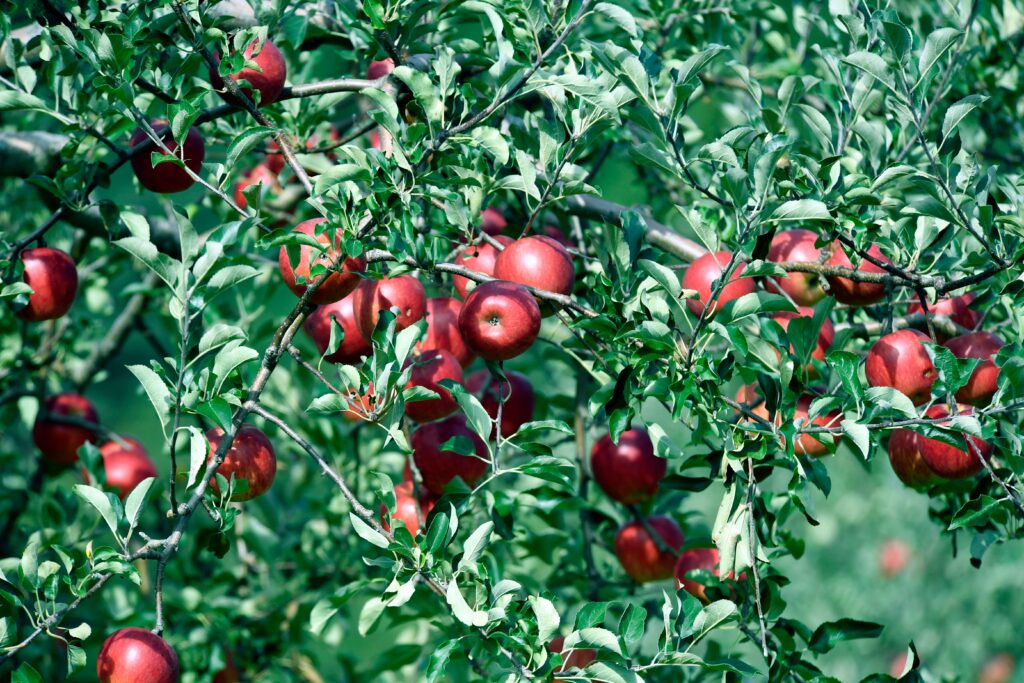
The orchard program also introduces children to relationships that are often invisible in urban life.
Fruit trees depend on pollinators.
Bees carry pollen from flower to flower.
Birds help disperse seeds.
Healthy soil supports microorganisms that nourish roots.
Rainfall, sunshine, insects, and wildlife all become part of one connected system.
A single plum tree quietly teaches ecology.
Rather than presenting nature as isolated subjects in textbooks, students witness living systems unfolding around them.
This kind of education builds curiosity.
Why did one tree produce more fruit than another?
Why were there fewer blossoms after an unusually cold spring?
Why are bees so important?
These questions encourage observation instead of memorization.
Perhaps even more importantly, they cultivate respect.
Children who understand how fragile these relationships can be often develop a stronger desire to protect them as adults.
Environmental responsibility begins not with fear, but with familiarity.
People are far more likely to care for something they have come to know.
The Quiet Power of Community Planting Days
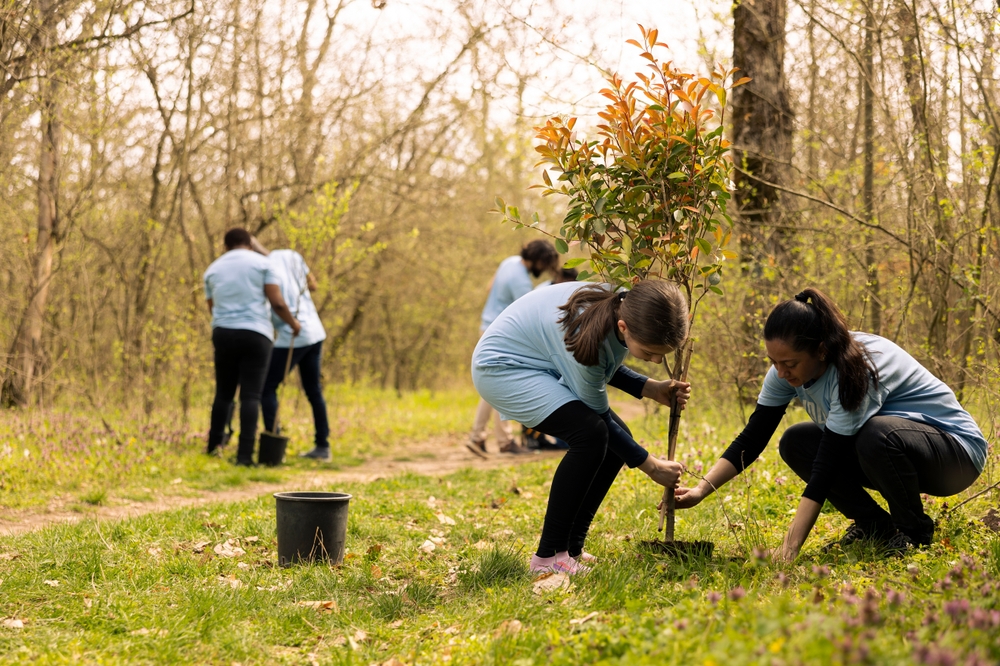
Planting a tree rarely attracts national headlines.
It is slow work.
There are no dramatic moments.
No instant rewards.
Yet community planting days have become one of the most meaningful parts of New Zealand’s orchard movement.
Neighbors gather with shovels, wheelbarrows, compost, and young saplings.
Some arrive with decades of gardening experience.
Others have never planted anything before.
Children work alongside retirees.
Families meet people who have lived just streets away for years without ever speaking.
By the end of the day, conversations have formed as naturally as the gardens themselves.
These events remind people that communities are not built only through meetings or policies.
They grow through shared experiences.
Working toward a common goal creates connections that continue long after the final tree enters the ground.
The trees themselves also encourage patience.
Unlike annual vegetables, fruit trees demand years before they offer generous harvests.
Those planting today understand they may never enjoy the fullest abundance their work creates.
Someone else’s children may eventually climb beneath those branches.
Someone they will never meet may gather the sweetest apples.
There is something quietly profound about that kind of generosity.
It asks people to invest in a future they cannot fully see.
In many ways, every fruit tree planted becomes a message to strangers living years from now.
It says, “We believed your future mattered.”
Food That Belongs to Everyone

Ownership shapes much of modern life.
Homes have fences.
Gardens have gates.
Orchards often exist on private land where only the owner enjoys the harvest.
Public orchards challenge that assumption.
Their fruit belongs to everyone.
Of course, shared resources require shared responsibility.
Local councils encourage visitors to harvest thoughtfully.
The simple guidance is clear: take what you need and leave enough for others.
That small principle reflects something much larger.
Communities function best when generosity flows in both directions.
Receiving carries responsibility.
Sharing creates trust.
Respect preserves abundance.
People who harvest fairly help ensure others can experience the same joy.
Over time, this shared understanding becomes part of local culture.
Visitors quickly recognize that these trees are gifts rather than commodities.
The experience feels surprisingly different from shopping.
There are no prices.
No checkout lines.
No advertisements encouraging people to buy more.
Only ripe fruit, growing freely beneath open skies.
Sometimes the simplest experiences remind us that abundance can look very different from consumption.
Growing More Than Food
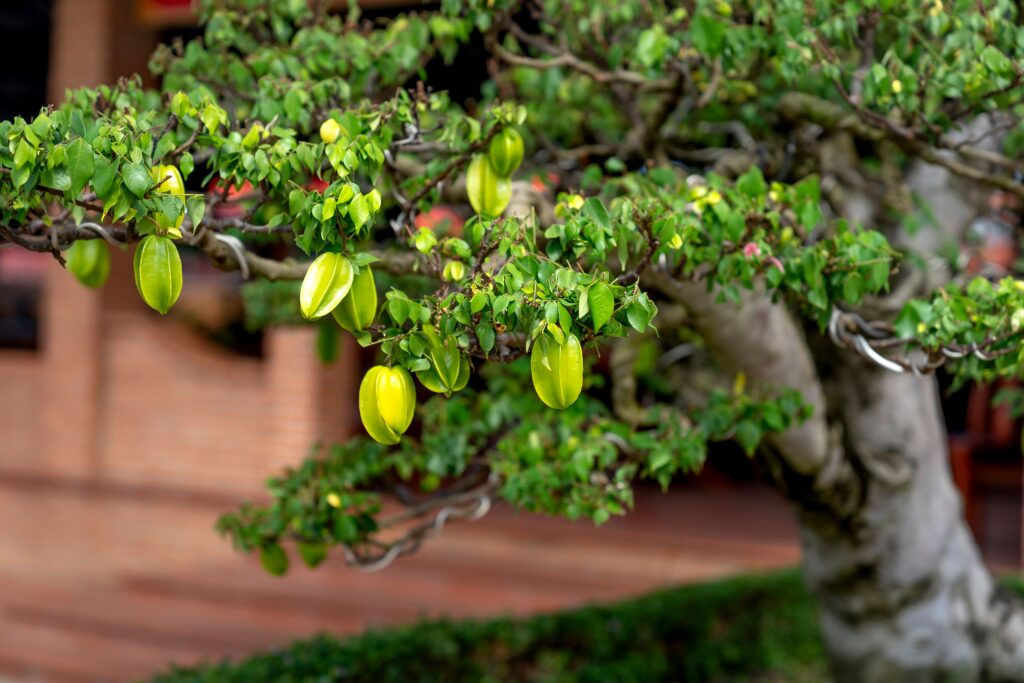
The benefits of New Zealand’s public orchards extend well beyond nutrition. Every tree contributes to an ecosystem that supports life in ways many people never notice.
Fruit trees attract bees, butterflies, native birds, and beneficial insects. Their blossoms provide food for pollinators in spring, while their fruit feeds both wildlife and people later in the year. Leaves enrich the soil as they decompose, and tree roots help stabilize the ground while absorbing rainwater.
When many different species of trees are planted together, they create healthier habitats than large stretches of lawn ever could.
This ecological diversity has become an important part of the movement.
Local organizations have encouraged planting a wide variety of fruit and nut trees rather than relying on a single species. Diversity reduces the risk of disease, extends harvest seasons, and supports a broader range of wildlife.
One of the people who helped expand this vision was Edith Shaw, whose work focused on creating wildlife corridors throughout the region. By growing trees from seed and encouraging donations from nurseries and community groups, she helped establish green pathways that connected fragmented habitats.
These corridors allow birds and other wildlife to move more safely between natural areas despite roads, buildings, and expanding urban development.
It is a reminder that even relatively small community projects can contribute to larger environmental goals when they are designed with nature in mind.
Mapping a Harvest Hidden in Plain Sight
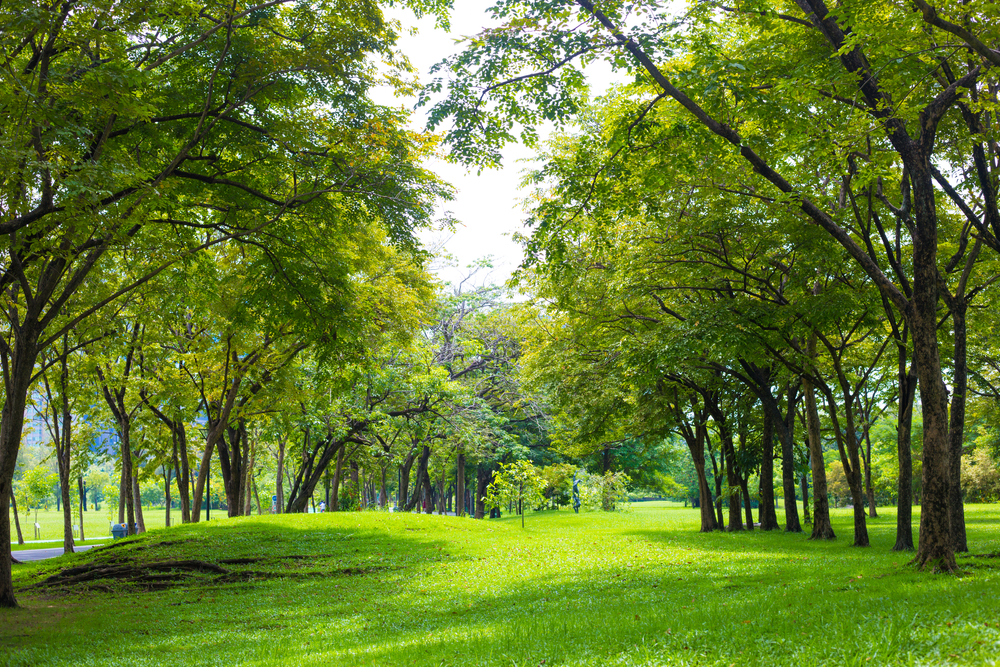
Perhaps one of the most delightful aspects of New Zealand’s edible landscape is how accessible it has become.
Local councils have developed maps showing where public fruit and nut trees are located throughout the region. Residents can easily discover orchards tucked inside neighborhood parks or lining walking tracks they may have passed countless times without noticing.
A simple afternoon stroll can become something entirely different.
Instead of following a route for exercise alone, families might collect ripe plums from one park, gather apples in another, and finish their walk beneath walnut trees that have quietly stood there for years.
The maps also help introduce visitors to an unusual side of the region.
Many tourists arrive expecting spectacular coastlines, vineyards, and national parks. Few expect to discover that the local landscape offers seasonal snacks growing freely along public pathways.
There is something quietly joyful about stumbling upon a fruit tree heavy with ripe produce and realizing that it has been planted there with one purpose: to be shared.
The trees change how people experience public space.
Instead of simply passing through, they invite people to slow down, notice the seasons, and interact with their surroundings.
A Growing Movement Around the World
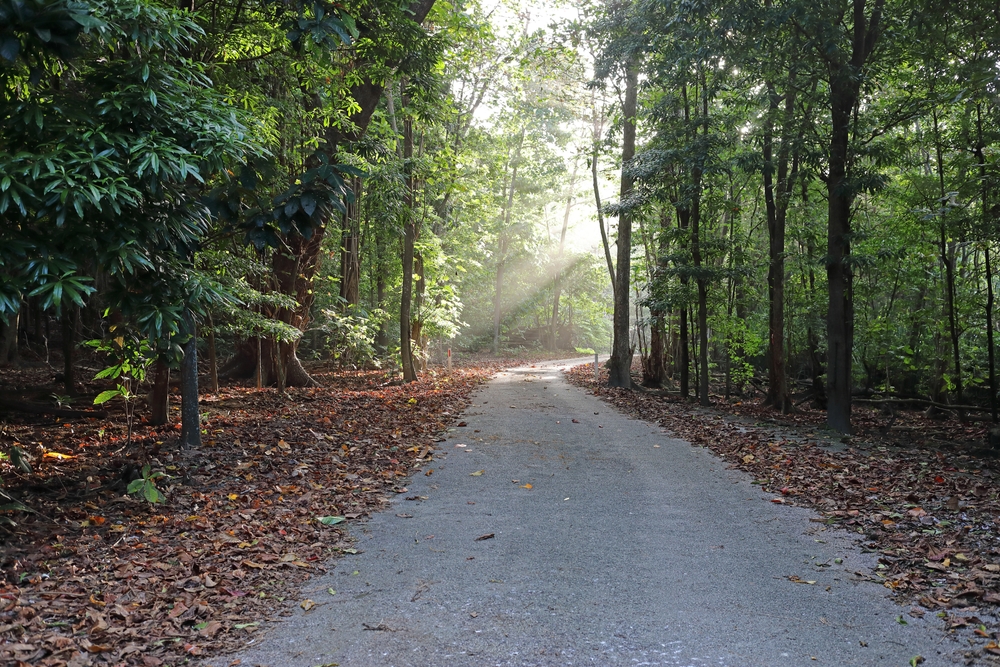
New Zealand’s public orchards are part of a wider movement that is challenging traditional ideas about cities.
Communities across several countries have begun asking similar questions.
Could unused public land produce food?
Could neighborhoods become more self-sufficient?
Could green spaces serve both environmental and social purposes?
Several projects have answered with an enthusiastic yes.
Some of the most notable examples include:
- The Beacon Food Forest in Seattle, where volunteers transformed public land into a thriving edible landscape filled with fruit trees, herbs, vegetables, and berries.
- Incredible Edible projects across towns in England, where residents grow vegetables and herbs along sidewalks and public spaces for anyone to harvest.
- Community gardens throughout Berlin that bring apartment residents together to grow fresh food while strengthening neighborhood relationships.
Each initiative reflects local priorities, yet they all share a common philosophy.
Public land can do more than decorate cities.
It can nourish them.
New Zealand’s approach stands out because food production was woven directly into a broader public health strategy. Rather than treating edible landscapes as isolated environmental projects, local leaders connected them with education, nutrition, and community wellbeing.
That integration has helped the movement remain active for more than two decades.
A Different Kind of Food Security
Food security has become an increasingly important conversation around the world.
Extreme weather, supply chain disruptions, rising grocery prices, and changing climate conditions have exposed just how dependent many communities are on distant sources of food.
Public orchards are not designed to replace supermarkets or commercial agriculture.
No collection of neighborhood apple trees could feed an entire city.
That has never been the goal.
Instead, these orchards add resilience.
Every tree represents another local food source.
Every gardening program teaches practical skills.
Every child who learns how to grow food carries knowledge that remains valuable throughout life.
Communities that understand how to cultivate, harvest, preserve, and share food are generally better prepared for periods of uncertainty.
Knowledge itself becomes part of food security.
The orchards also encourage seasonal eating, reducing the distance food travels before reaching people’s hands.
Fruit picked from a nearby tree requires no long-distance transportation, extensive packaging, or large refrigeration systems.
The harvest arrives exactly where it is needed.
In an era when conversations about sustainability often focus on large-scale technological solutions, New Zealand’s orchards offer another perspective.
Sometimes resilience begins with planting one tree.
Then another.
Then hundreds more.
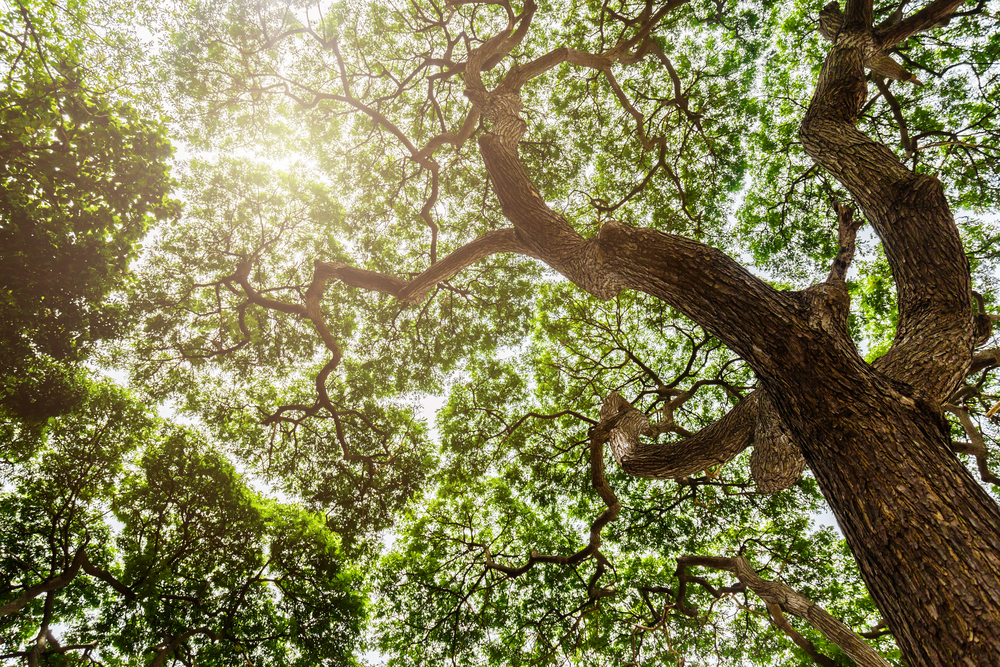
The Lessons Hidden Beneath the Branches
It would be easy to measure the success of these orchards by counting kilograms of fruit harvested each year.
Yet their greatest value cannot be weighed quite so easily.
Children discover that food grows through patience rather than instant convenience.
Adults reconnect with gardening skills they may have forgotten.
Neighbors meet one another while caring for shared spaces.
Wildlife finds new habitats within expanding urban environments.
Perhaps most importantly, people begin seeing public land differently.
Instead of empty grass requiring regular mowing, they see possibilities.
A tree becomes more than shade.
A park becomes more than recreation.
Shared spaces become opportunities to improve everyday life.
This shift in perspective may be the movement’s most enduring achievement.
When communities recognize that common spaces can provide beauty, nourishment, education, and connection simultaneously, entirely new possibilities begin to emerge.
Planting for People You May Never Meet
There is something deeply moving about planting a fruit tree.
Unlike many projects that deliver immediate rewards, trees ask for patience.
Years may pass before they produce abundant harvests.
The person digging the hole today may never sit beneath the mature branches decades later.
Someone else will.
Perhaps a child not yet born will one day pick their first peach from that tree.
Perhaps an elderly couple will pause during an evening walk to gather apples for dinner.
Perhaps a traveler will unexpectedly discover fresh fruit while exploring an unfamiliar town and carry that memory home.
The people who planted those trees will probably never know.
Yet they planted them anyway.
That quiet generosity reflects a way of thinking that often feels rare.
It values future generations alongside the present.
It recognizes that lasting change usually grows slowly.
It accepts that some of the most meaningful gifts are offered without expecting recognition.
New Zealand’s public orchards may have begun as a response to rising obesity rates, but they have grown into something much richer.
They demonstrate that healthier communities are built not only through policies and infrastructure, but through everyday acts of care.
A fruit tree standing beside a public footpath may seem like a small gesture.
Given enough time, however, thousands of small gestures can reshape an entire community.
And sometimes, the sweetest harvest is not the fruit itself, but the belief that public spaces can nourish both our bodies and our sense of belonging.