


A Widow Chose the Oldest Shelter Dog and Gave Him the Love He Had Been Waiting For
Grief has a way of changing what we notice.
For some people, it sharpens the ache of what has been lost. For others, it quietly opens their eyes to the pain carried by someone else. That is exactly what happened when Melani Andrews walked into an animal shelter after one of the hardest years of her life. She was not searching for the youngest puppy or the healthiest companion. She was looking for the one no one else wanted.
That simple request led her to Jake, a frail 12-year-old shelter dog with terminal cancer. What happened next became far more than an adoption story. It became a reminder that love is often measured by what we choose to give, not by how much time we have left.
A Year Marked by Loss
Melani Andrews, a 72-year-old woman from Galt, California, knew what it meant to lose someone who made a house feel like home.
Earlier that year, her husband passed away after 35 years of marriage. Only weeks later, she lost Lola, the beloved Staffordshire terrier who had offered comfort as she adjusted to life without her husband. The silence that followed was difficult to ignore.
She later admitted that she had begun feeling lonely and depressed. Days became quieter than she ever imagined, and the companionship she had once taken for granted was suddenly gone.
Her grandchildren noticed the change before she fully admitted it to herself.
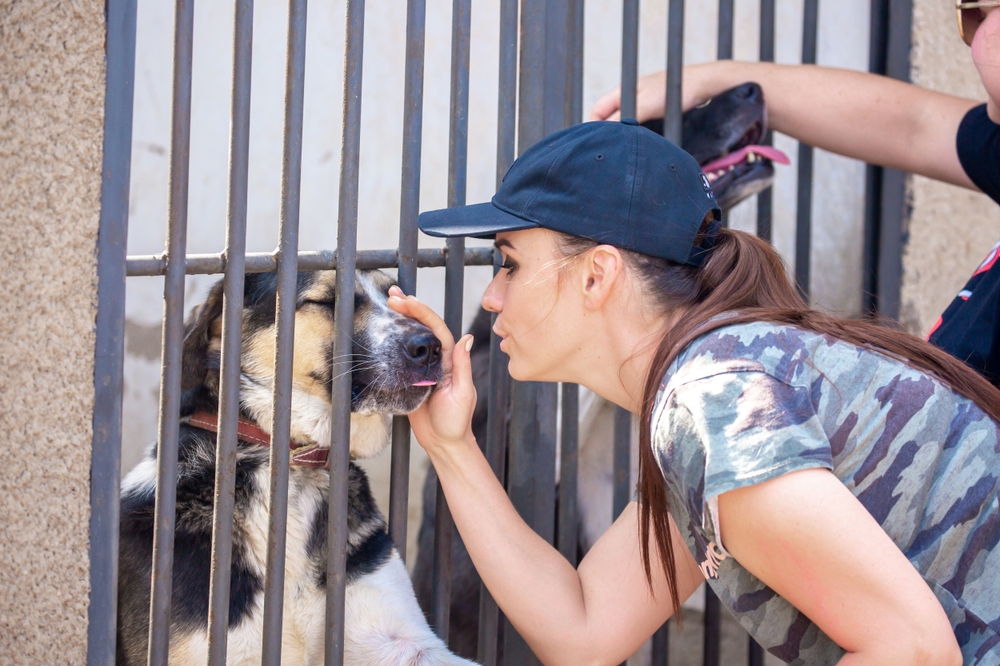
One evening they gathered around their grandmother and gently suggested that she consider opening her home to another dog.
“They said, ‘Grandma, you need somebody to keep you company. You can’t just sit around here all by yourself,'” Andrews recalled.
Their words stayed with her.
She knew another dog could never replace Lola. Love does not work that way. Every bond is different, and every relationship leaves its own imprint. Still, she also understood something else. Healing rarely begins by replacing what has been lost. It often begins by creating room for a new connection.
When she finally decided to visit Front Street Animal Shelter in Sacramento, she carried an unusual request.
One Simple Question Changed Everything

Many visitors arrive at shelters hoping to find the cutest puppy or the most energetic dog.
Melani asked shelter staff for something entirely different.
“I wanted the oldest dog they had, the one that everybody was passing up,” she explained. “I wanted to adopt him.”
She was not concerned about appearance. She was not worried about age or medical bills. She had already made peace with the possibility that the dog she brought home might need extra care.
“I don’t care if he’s sick,” she said. “I don’t have a lot of money, but I’m sure I have enough to take care of a little dog.”
The staff immediately knew which dog she needed to meet.
Jake had become one of the shelter’s longest residents.
The small mixed-breed terrier had been found wandering as a stray months earlier. Years of hardship had left visible marks on his body. His skin was badly damaged. His teeth were in poor condition. He was deaf, partially blind, and living with terminal skin cancer that could not be treated.
Most people walked past his kennel.
Some stopped long enough to read the sign hanging outside.
“Hi, I am Jake and I have been around here for awhile now! I am 12 years old. I am small and I hope someone will adopt me into their lovely family soon.”
Then they continued searching.
Jake waited.
The Dog Who Refused to Give Up

When Melani approached the kennel, something unexpected happened.
Three small dogs shared the space, but only one seemed determined to make himself noticed.
“Jake’s two friends ignored me, but Jake perked up and started howling,” Andrews remembered.
His reaction immediately caught her attention.
Instead of shrinking into the corner or watching silently, Jake announced himself with all the strength he still had.
“So I said, ‘It looks like he wants to go, and I’ll take him.'”
Shelter employees felt a mixture of excitement and concern.
They wanted Jake to have a home more than anything, but they also needed Melani to understand the seriousness of his condition.
They carefully explained that Jake had terminal cancer and likely had very little time left.
Many people might have hesitated after hearing those words.
Melani did not.
“They informed me that he had cancer and he had a limited amount of time,” she said. “And I thought, ‘We’re going to make his time as good as we can make it.'”
It was a decision rooted in compassion rather than certainty.
She was not adopting years.
She was choosing moments.
Two Lonely Souls Begin Again
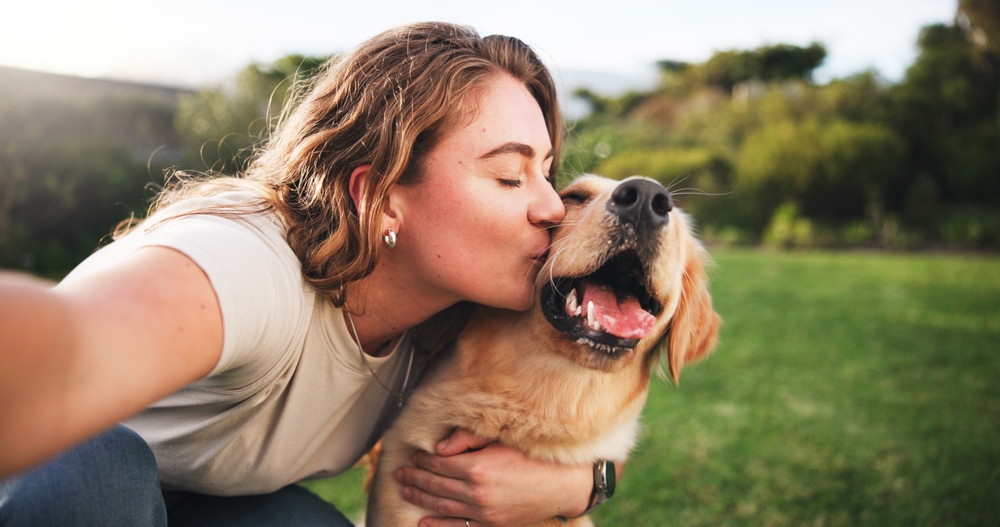
Before leaving the shelter, someone snapped a photograph of Melani and Jake together.
The image quickly spread across social media because both appeared to be smiling.
Behind the joyful picture was a quieter story.
Jake was actually barking one last farewell to the shelter workers who had cared for him during his stay.
Melani laughed as she listened to him.
“He was really barking and saying goodbye to the caretakers,” she explained later.
The photograph captured something neither of them expected.
Two lives interrupted by loss had crossed paths at exactly the right time.
The drive home offered another glimpse into Jake’s gentle nature.
At first he seemed nervous, unsure where this new journey would lead. After several minutes, his anxiety softened.
“He laid his head in my right hand, and I drove with my left hand,” Andrews said. “It was like he was saying, ‘OK, let’s see how we do together.'”
For Melani, it was one of those quiet moments that stay with a person forever.
Trust does not always arrive through grand gestures.
Sometimes it rests its head in your hand.
Home Was Something Jake Still Remembered
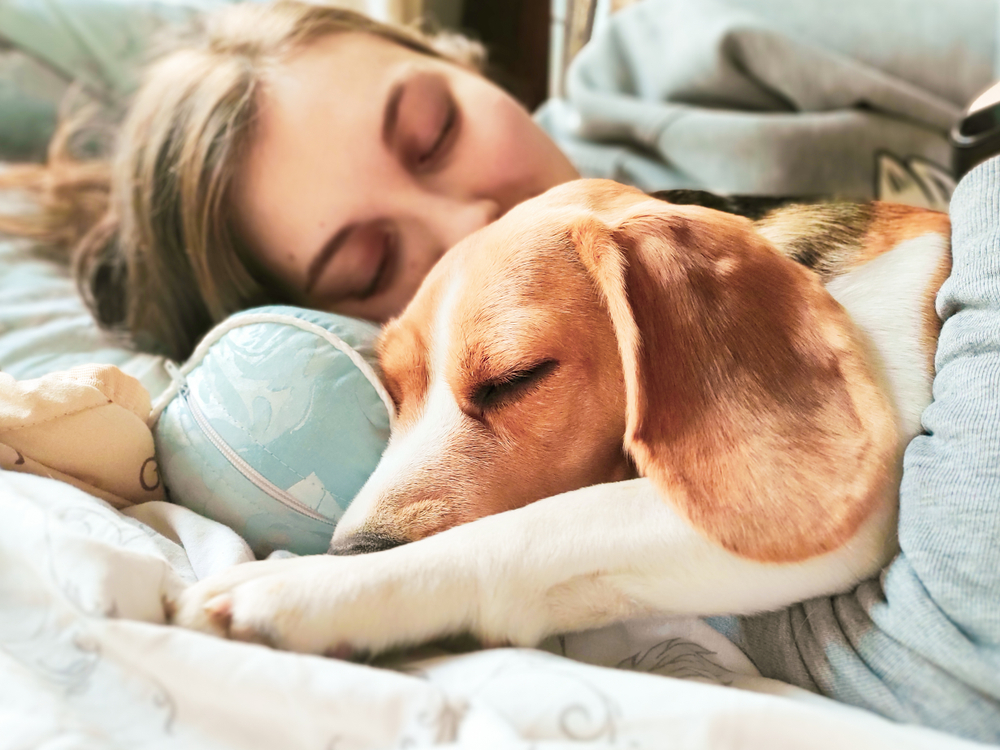
One surprise came almost immediately after Jake arrived.
Although he had been found wandering as a stray, his behavior suggested that homelessness had not been his whole story.
“You could tell by the way he came into the house that he’d been living in a home,” Andrews said.
He knew exactly how to climb onto a chair, turn himself around, settle comfortably, and drift off to sleep.
It was as though memories of ordinary family life had never left him.
Melani began learning Jake’s little habits one by one.
He loved blankets.
Every evening he carefully worked a fleece blanket or pillowcase around himself until only his nose peeked out, creating what Melani affectionately described as his own little cocoon.
Watching him prepare for bed became one of her favorite parts of the day.
She also quickly realized how fragile he really was.
His skin was covered in painful sores that required careful handling. His body had become so thin that she worried he might injure himself jumping from the bed.
Instead, she gently lifted him down each morning.
She adjusted his meals by softening his kibble with chicken broth because chewing had become painful.
She even warmed his drinking water to room temperature since cold water hurt his sensitive teeth.
These small acts would barely register as extraordinary to someone looking from the outside.
Yet they represented something profound.
Love often appears in ordinary routines.
It is found in slowing your pace because someone else cannot move quickly.
It is found in preparing food a little differently because another life depends on your patience.
It is found in making sure a frightened old dog falls asleep knowing he will wake up somewhere safe.
For Jake, safety had become a daily certainty instead of a distant hope.
For Melani, caring for him slowly began filling spaces inside her own heart that grief had left painfully empty.
I’ll continue with Part 2 by exploring how Jake transformed Melani’s days, the wider significance of senior dog adoption, the shelter’s response, and the enduring lesson their bond offers about compassion, dignity, and choosing love even when time is short.
Finding Joy in the Smallest Moments

Jake’s diagnosis meant that every day mattered.
Melani understood there was no cure waiting around the corner. Her veterinarian confirmed that Jake’s cancer could not be treated. Nobody could predict whether he had months or only weeks left.
Rather than allowing that uncertainty to cast a shadow over each day, she chose to focus on what she could control.
She could make sure he was comfortable.
She could make sure he was loved.
She could make sure that, after spending so much of his life overlooked, he would never again wonder whether he belonged.
Each morning began with simple routines. Jake enjoyed short walks around the neighborhood, moving at a pace that suited both of them. Long adventures were no longer possible because of his condition, but that hardly seemed to matter. The quiet streets, familiar scents, and fresh air gave him everything he needed.
Back at home, his favorite place was the backyard.
There was another dog living next door, and Jake delighted in teasing his canine neighbor through a small opening in the fence. It became one of his favorite games.
Watching his playful side emerge reminded Melani that illness did not define him.
He was still curious.
He was still mischievous.
Most importantly, he was still enjoying life.
His excitement was especially obvious at mealtime.
After Melani softened his food with warm chicken broth, Jake would wiggle with anticipation before eagerly cleaning every bite from his bowl.
For someone who had once been wandering the streets alone, those daily meals represented far more than nourishment.
They represented security.
Healing Can Move in Both Directions
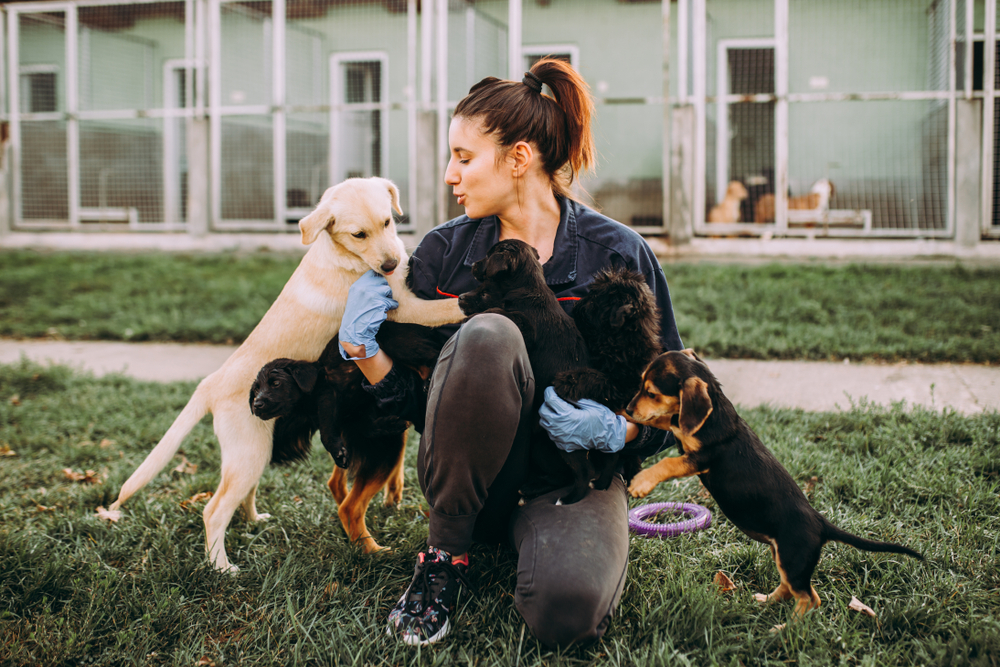
People often assume that rescue stories move in one direction.
A person saves an animal.
An animal receives a second chance.
The truth is usually much more balanced.
Jake certainly found safety with Melani, but she often spoke about how much he helped her heal as well.
After losing both her husband and Lola within weeks of one another, loneliness had settled into every corner of her home.
Jake changed that without ever trying.
“Every day I laugh a little bit more,” Andrews said. “It’s not so lonesome.”
Those words carried more weight than any dramatic declaration could.
Grief rarely disappears overnight.
Instead, it slowly makes room for moments that feel lighter than the day before.
Sometimes healing begins with laughter returning unexpectedly.
Sometimes it begins when another living soul depends on you enough to pull you out of bed each morning.
Jake developed small habits that made Melani smile.
He would wander over, gently rub against her leg, and nudge her with his nose whenever he wanted affection.
“I think he knows that I love him,” she said. “He’ll come over to me and ask me to rub his backside. Then he’ll nose me with his nose.”
Those quiet exchanges became reminders that trust had fully taken root between them.
Love had found its way into two hearts that had both experienced loss.
The Shelter Never Forgot Jake
Jake’s adoption brought enormous joy to the staff at Front Street Animal Shelter.
For months they had watched families pass his kennel without stopping.
His age frightened some people.
His medical condition frightened even more.
Despite his gentle personality, he seemed destined to spend whatever time he had left inside the shelter.
Then Melani arrived.
“It was amazing because she was one of the few people who actually gave this dog an opportunity,” Bobby Mann, the shelter’s public relations coordinator, said after Jake’s adoption.
“He was one of our longest-standing residents. We were hoping that someone like her would come along and give him the life that he deserved.”
The shelter later celebrated the adoption publicly, describing Melani as someone who had not simply adopted a dog but had chosen to save a life through unconditional love.
For the employees who spend every day caring for abandoned animals, stories like Jake’s provide hope.
Shelter workers often witness heartbreaking situations.
Healthy animals wait months for homes.
Senior pets are overlooked because people fear saying goodbye too soon.
Animals with medical conditions face even steeper odds.
When one of those dogs finally leaves through the front door with a family, everyone celebrates.

Why Senior Dogs Wait the Longest
Jake’s story reflects a larger reality that shelters across the country know well.
Older dogs consistently spend longer waiting for adoption than younger animals.
Many potential adopters dream of raising a puppy from the beginning.
Others worry about future veterinary expenses or fear becoming attached to a companion they may lose within a few years.
Those concerns are understandable.
Yet they often overshadow what senior dogs have to offer.
Older dogs usually arrive with calmer personalities.
Many are already house-trained.
They are often content with slower walks, peaceful afternoons, and quiet companionship.
For retirees or families looking for a relaxed pet, they can be an ideal match.
Most importantly, senior dogs seem to understand the gift they have been given.
They settle into homes with remarkable gratitude, adapting quickly because they know what uncertainty feels like.
Jake demonstrated that almost immediately.
Within hours of arriving at Melani’s home, he behaved as though he had finally reached the place he had been searching for.
His routines returned.
His playful personality emerged.
His confidence slowly rebuilt itself.
Stories like his encourage shelters to continue promoting senior pet adoption, reminding people that age should never be mistaken for a lack of value.
Love Is Not Measured by Time
One question followed Melani wherever she shared Jake’s story.
People wondered whether it was difficult knowing she might lose him so soon.
She never pretended the answer was simple.
After already experiencing profound loss, opening her heart again required courage.
Still, she believed Jake deserved more than spending his final chapter alone.
“But he’s going to get a good life living here with me,” she said. “I wanted to give a dog who didn’t have a chance, a chance.”
That promise shaped every decision she made.
She gave him warm baths to soothe his painful skin.
She protected his fragile body.
She watched him sleep beneath his carefully arranged blankets.
She laughed as he barked at the neighbor’s dog.
She treasured every ordinary afternoon because she understood that ordinary days are often life’s greatest gift.
There is a tendency to measure relationships by their length.
We celebrate decades together.
We mourn lives cut short.
Yet the value of a relationship has never depended solely on time.
Some people leave permanent marks on our hearts after a single conversation.
Some animals change a family’s life in only a few months.
Jake and Melani found each other when both needed companionship more than certainty.
Their story reminds us that compassion is not about guaranteeing happy endings.
It is about choosing kindness even when the ending is already known.
The American Society for the Prevention of Cruelty to Animals estimates that millions of animals enter shelters every year. While many are adopted into loving homes, older animals and those with serious medical conditions remain among the least likely to find families.
Every adoption like Jake’s offers another example of what becomes possible when someone looks beyond age, illness, or appearance.
Melani never expected Jake to erase the pain of losing her husband or Lola.
Grief does not disappear because another life enters the picture.
Instead, Jake quietly taught her that love has an extraordinary capacity to grow alongside sorrow.
The two emotions can exist together.
One does not cancel out the other.
By asking for the dog no one else wanted, Melani found a companion who transformed her quiet house into a home once again. Jake found something just as meaningful.
He found someone who saw his worth long after the rest of the world had stopped looking.
Their time together was never guaranteed.
Their love never depended on guarantees.
Sometimes the greatest acts of compassion begin with a simple decision to see value where everyone else has stopped looking. Long after names and dates are forgotten, that choice continues to ripple outward, inspiring others to open their hearts to those still waiting for someone to believe they are worth coming home for.