

Teacher Creates Tiny Lookalike Dolls for All 30 Students
Some end-of-year gifts are bought in a shop, wrapped quickly, and forgotten after the summer. For 30 children in an East Oxford classroom, their goodbye present was something their teacher spent months making by hand.
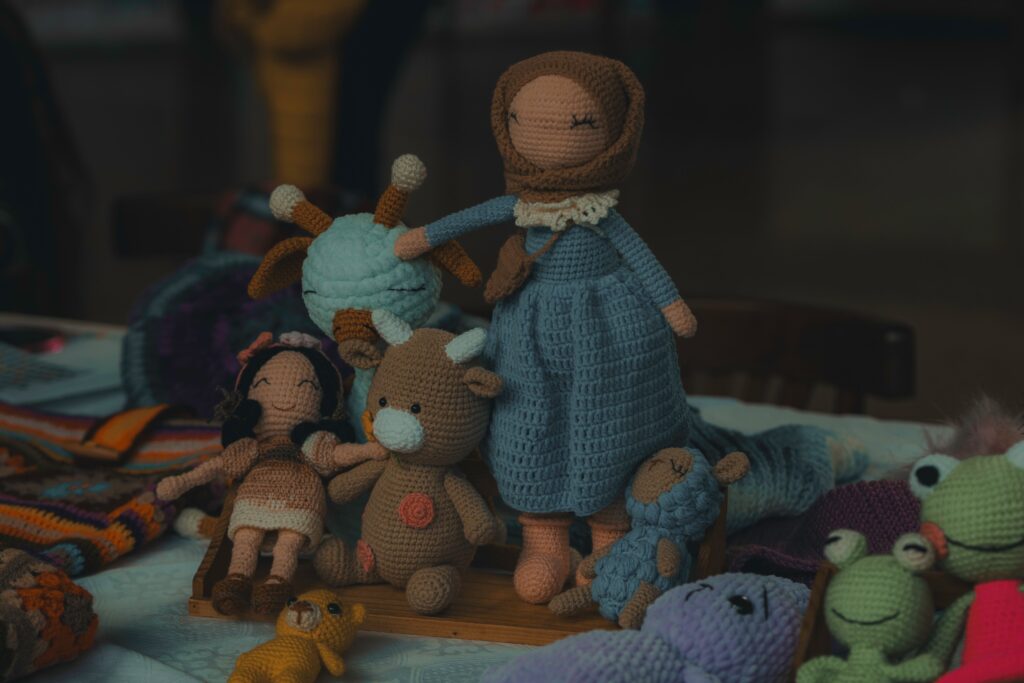
Sara Shabir quietly crocheted a miniature doll for every child in her Year Three class. Each one was designed to resemble its owner, right down to their hair, skin tone, and clothing.
A Small Idea Turned Into 240 Hours of Work
Shabir, 32, taught a class of 30 children aged seven and eight at Tyndale Community School in East Oxford. Back in May, she decided she wanted to give them something personal before they moved on to Year Four.
“The idea came from me just wanting to do something special and exciting for my class whom I adore,” she said.
Nobody asked her to take on the project, and neither the children nor their parents knew what she was planning.
Each doll took roughly eight hours to make, bringing the total to around 240 hours of work. Shabir fitted the project around her full-time teaching job, working through evenings and weekends as the end of term approached.
She Learned to Crochet During Lockdown
Building a New Skill
Shabir taught herself to crochet during the Covid lockdown and had continued creating handmade projects for around five years. The miniature dolls gave her an opportunity to challenge herself with something more complicated.
“I taught myself to crochet during the Covid lockdown and have been creating things since then,” she said. “I wanted to push myself and make these dolls to build my skills as a crocheter.”
She had also spent part of the school year teaching her Year Three pupils how to crochet. That meant the children already understood that making something by hand required patience and time.
Making Every Doll Different
Shabir used an assembly-line approach, starting with the separate body parts before bringing each figure together. “I would start off by doing the legs and arms first and then attaching the body and the head,” she explained.
Every doll needed its own carefully chosen details. To stay organized, Shabir created a spreadsheet recording the colors and features she had selected for each child.
Her process included:
- Body parts: Arms and legs were made separately before being attached.
- Skin tones: She carefully selected yarn to create a closer likeness.
- Hair colors: Each child’s appearance required different combinations.
- Hairstyles: Straight and curly hair needed separate approaches.
- Clothing: The finishing details helped make each doll recognizable.
“I pondered over each one carefully,” she said. She then ticked the children off her list as their miniature versions were completed.
Curly Hair Became the Biggest Challenge
Some of the most difficult details were also the most personal. Shabir found that matching skin tones and hair colors required considerable trial and error.
“I think the hardest thing was getting the hair colour and skin colour correct,” she said. Curly hairstyles were particularly difficult to recreate using yarn.
She was also honest about the results. “I still didn’t manage to get it to look the way I wanted it to,” she admitted, but she continued because the challenge itself motivated her.
“It was a bit of a challenge for me as well, which I kind of like,” she said. The goal was never to create identical factory-made figures, but to make each child recognizable in their own small handmade doll.
The Final Weekend Became a Race
Shabir started the project in May, knowing she had to finish before the school term ended in July. As the deadline drew closer, the final dolls became a serious time commitment.
“That last weekend was a mad rush to get it all done, but I managed to get it all done just on time,” she said. Once she finished, she packed all 30 dolls into a box and brought them into school.
The children went through their final week of term without knowing what was waiting for them. Their parents were unaware too, including the parent who would later share the story with the world.
She Made the Children Guess First

The Moment They Recognized Themselves
Shabir decided not to simply hand out the dolls. She first showed the children photographs and asked them to work out which miniature figure belonged to which classmate.
The connection took a few moments to click. “They all took a few minutes to have it click, and then they were like, hang on, that looks like us,” she said.
Then Shabir brought out the box and gave every child their doll. “They were over the moon,” she said, describing the moment as exciting, rewarding, and incredible.
Months of quiet work had suddenly become visible to the people she had made the dolls for. The reaction gave Shabir the answer she had hoped for when she began the project.
The Children Brought Their Dolls Back
The strongest sign that the gift had mattered came the following morning. The children returned to school with their dolls and immediately began playing with them.
“They came into school in the morning and started brushing their hair and playing with them which was lovely to see,” Shabir said. The detail was particularly fitting after she had spent so much time trying to get every hairstyle right.
The children also told their teacher that she had not needed to do all that work. Shabir said they were grateful and repeatedly told her that she did not have to make the dolls.
For Shabir, however, completing the project brought its own sense of satisfaction. “I feel a massive sense of accomplishment in completing this project,” she said, adding that the children’s joy “was worth everything.”
One Parent Shared the Story Online
Joanna Borysiak, whose daughter was in Shabir’s class, shared a photograph of the dolls on X on July 23, 2024. She described how the teacher had “single-handedly crocheted a mini-me of each kid in her class as an end of year gift.”
Borysiak added that the hairstyles and clothes were “spot on” and called her daughter’s teacher “the absolute GOAT.” The post reached roughly a million impressions and spread across other social platforms.
The story soon traveled far beyond the classroom in East Oxford. News outlets in the United States and New Zealand also picked up the unusual end-of-year gesture.
Yet the project had never been designed for an online audience. Shabir had started with a much simpler idea: giving each child something personal to remember their time together.
Why Thirty Small Dolls Meant So Much
A teacher’s work often includes things children and parents never see. Lessons require preparation, classrooms need organizing, and personal encouragement can happen in moments that never appear on a timetable.
Shabir’s dolls made some of that invisible care tangible. Each figure represented hours spent remembering one child’s particular features and trying to recreate them with yarn.
The gift also gave every child something individual. Rather than creating one class keepsake, Shabir made sure all 30 pupils had something designed specifically for them.
That mattered because the children were about to leave her class and begin a new year. The routines and shared experiences of Year Three would end, but each child would have a physical reminder of that time.
She Wanted Them to Keep Something Forever
Shabir never claimed that every doll was perfect, especially when it came to the difficult curls. She volunteered that detail herself, even though the children seemed far more interested in playing with the tiny versions of themselves.
Her original hope was straightforward. “I just thought it would be something they could keep forever, something unique to them,” she said.
That is what made the project resonate far beyond one classroom. The dolls were handmade toys, but they also represented time, attention, and the simple act of making every child feel individually known.
Thirty children left their classroom with miniature versions of themselves tucked under their arms. Some of the hair may not have turned out exactly as Shabir imagined, but the children recognized themselves and immediately made the dolls their own.